Budgeting the French Life: 2–8% You Didn’t Count On
Fall for France’s rhythms, then budget like a local: plan acquisition fees (2–8%), seasonal costs and internet realities to match lifestyle dreams with reality.
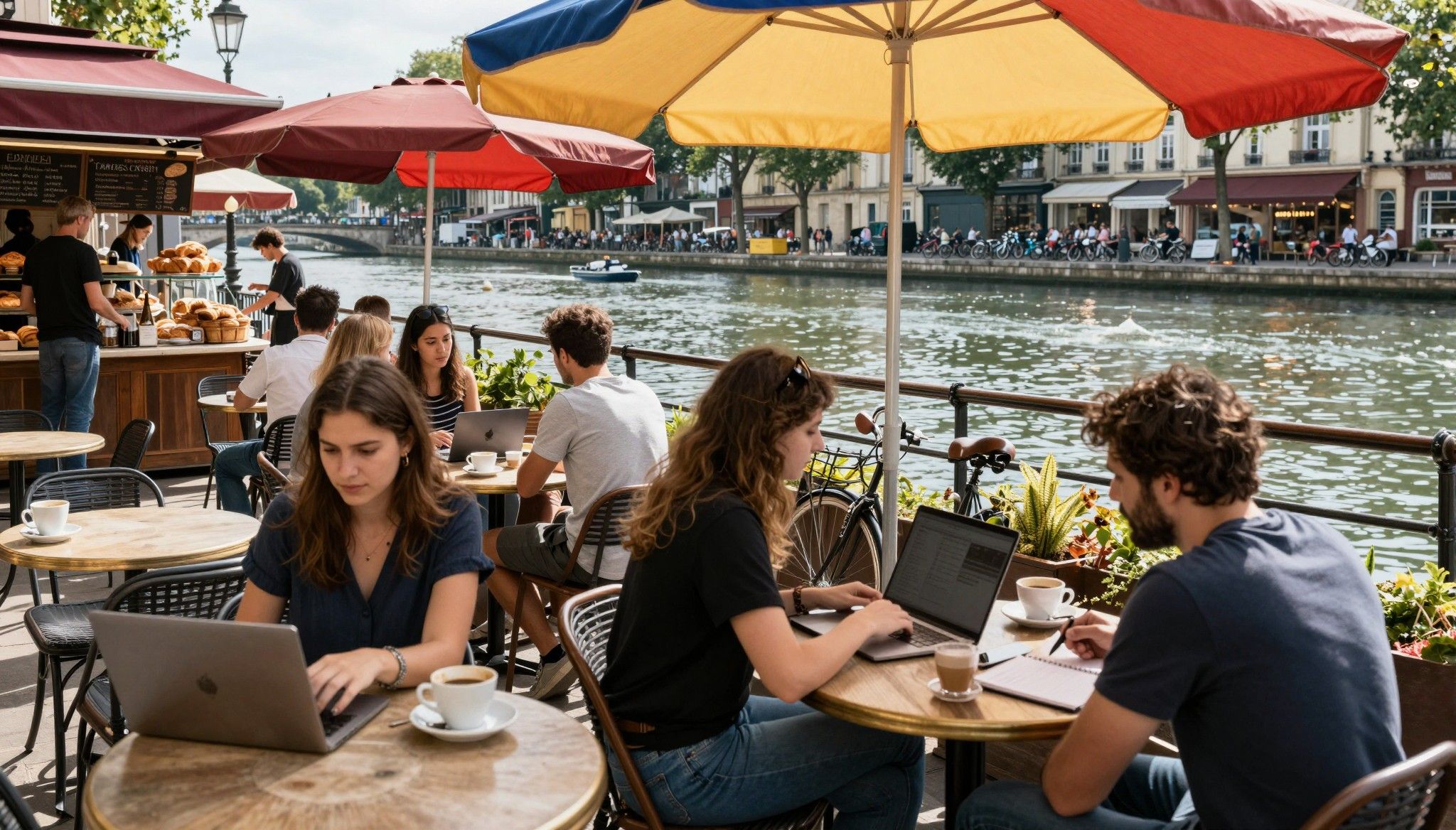
Imagine stepping out at 9am to buy a warm croissant on Rue des Martyrs, then taking a 20‑minute train to a co‑working hub. France moves at a slow, delicious rhythm — market mornings, long lunches, aperitifs that stretch into the blue hour. For international buyers the fantasy is vivid; the reality is negotiable if you budget cleverly.
Living the France lifestyle
France is stitched from distinct rhythms: Parisian mornings in cafés, the slow markets of Aix‑en‑Provence, and the salt breeze of Biarritz at sunset. Each place shapes how you live — and how your budget behaves. Historic stone apartments bring charm and quirks; coastal villas promise outdoor seasons that expand usable living space and change running costs.
Neighborhood spotlight: Le Marais and Canal Saint‑Martin
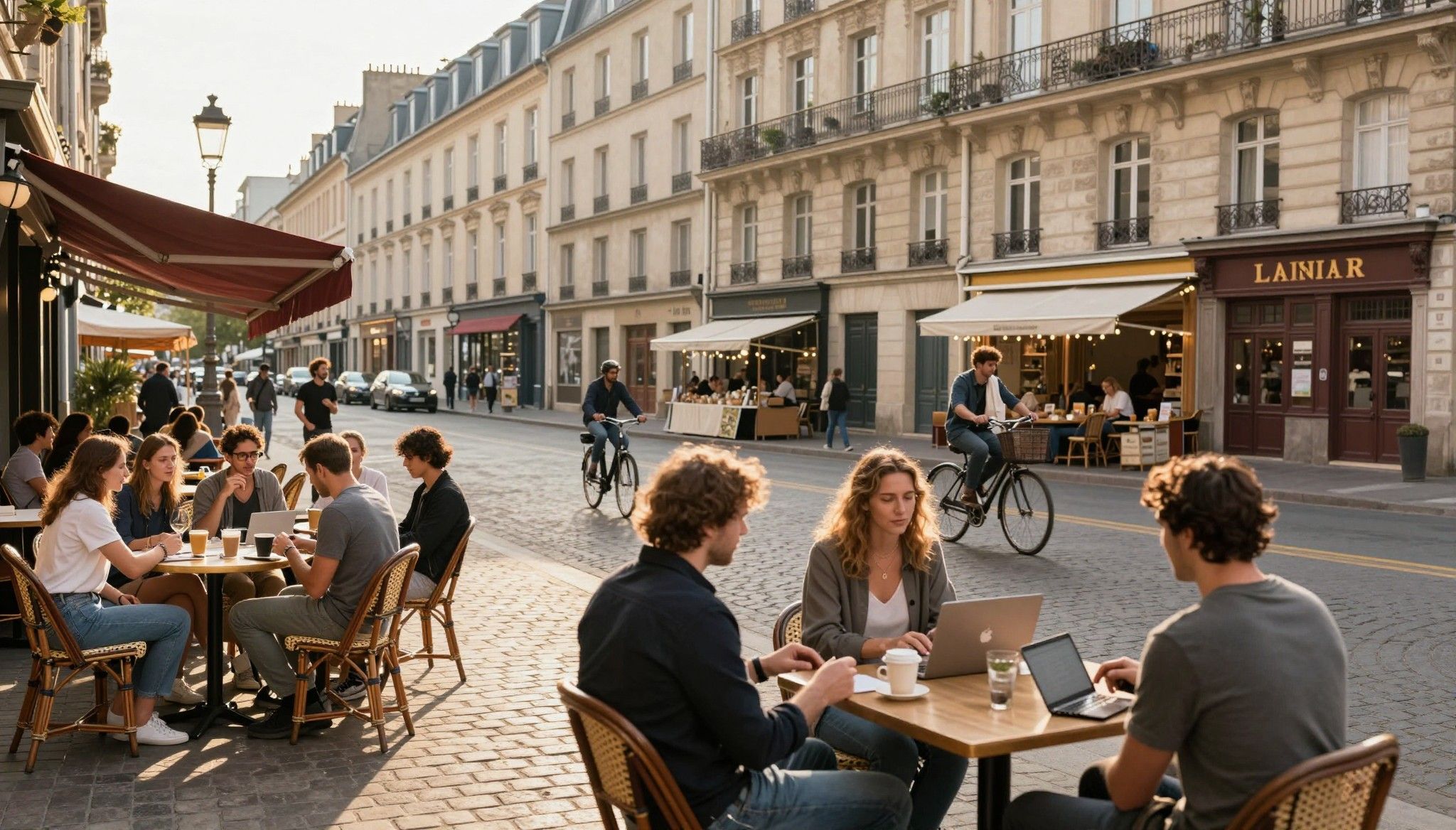
Le Marais vibrates with galleries, tiny boutiques and morning coffee rituals. Canal Saint‑Martin is where creative nomads trade code for café‑side conversations. If you want walkable streets, buzzy food scenes and short commutes to coworking spaces, these neighborhoods deliver — but expect a premium for that convenience and the need to budget for smaller, characterful spaces.
Food, markets and the rhythm of weekends
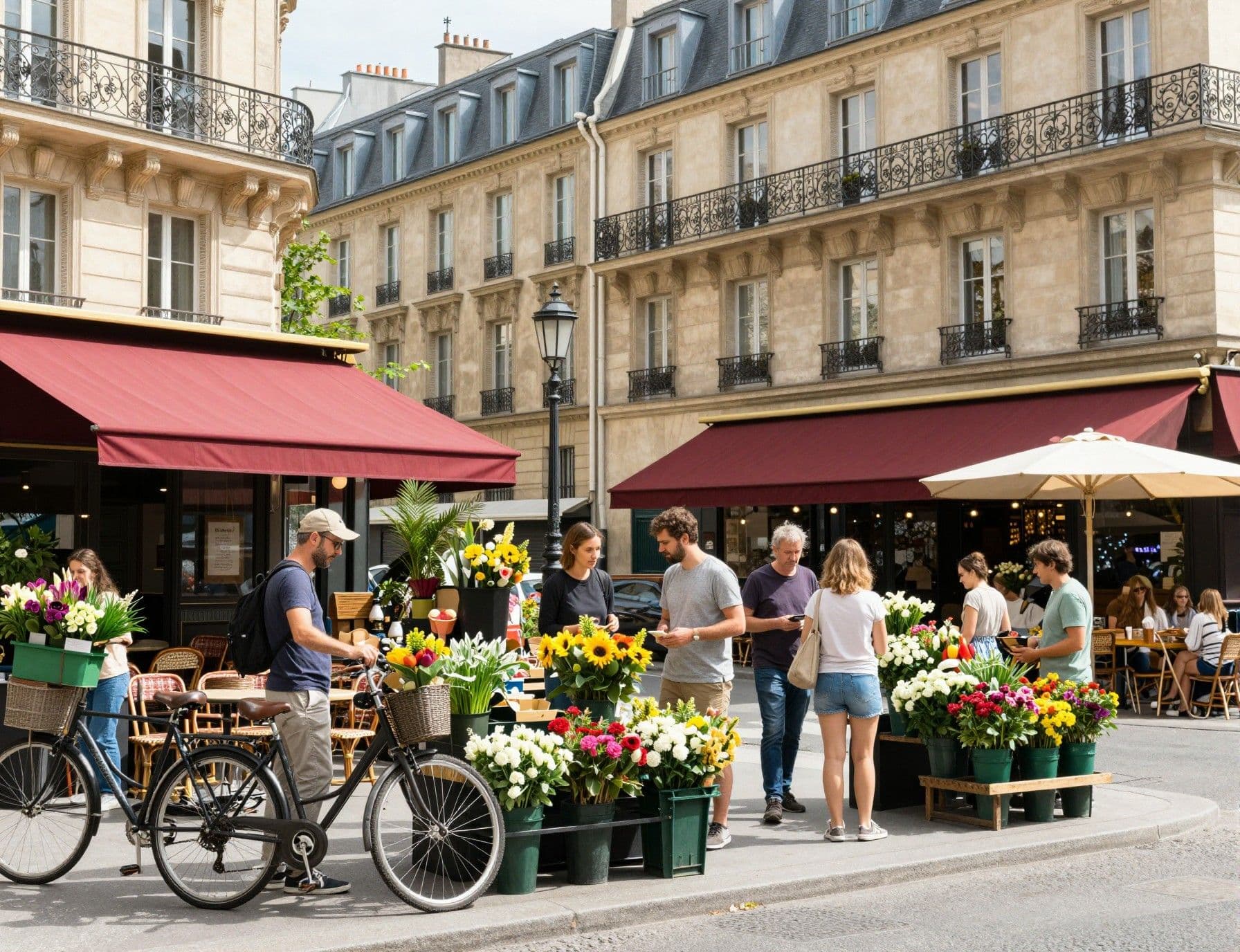
Weekends in France often mean a marché. Picture stalls at Marché d'Aligre in Paris, the oyster shacks of Cap Ferret, or the Provençal lavender markets — the lifestyle perks that make a property feel like home. These pleasures also explain price spreads: proximity to famous markets, coastal access, or UNESCO centers pushes values in measurable ways. Recent INSEE analysis shows wide regional variation in price per m², so where you buy matters as much as what you buy.
- Lifestyle highlights
- Morning café ritual: Café Le Progrès (Le Marais) and people‑watching
- Weekend markets: Marché d'Aligre (Paris), Les Halles (Bordeaux), Provencal markets (Aix)
Making the move: practical considerations
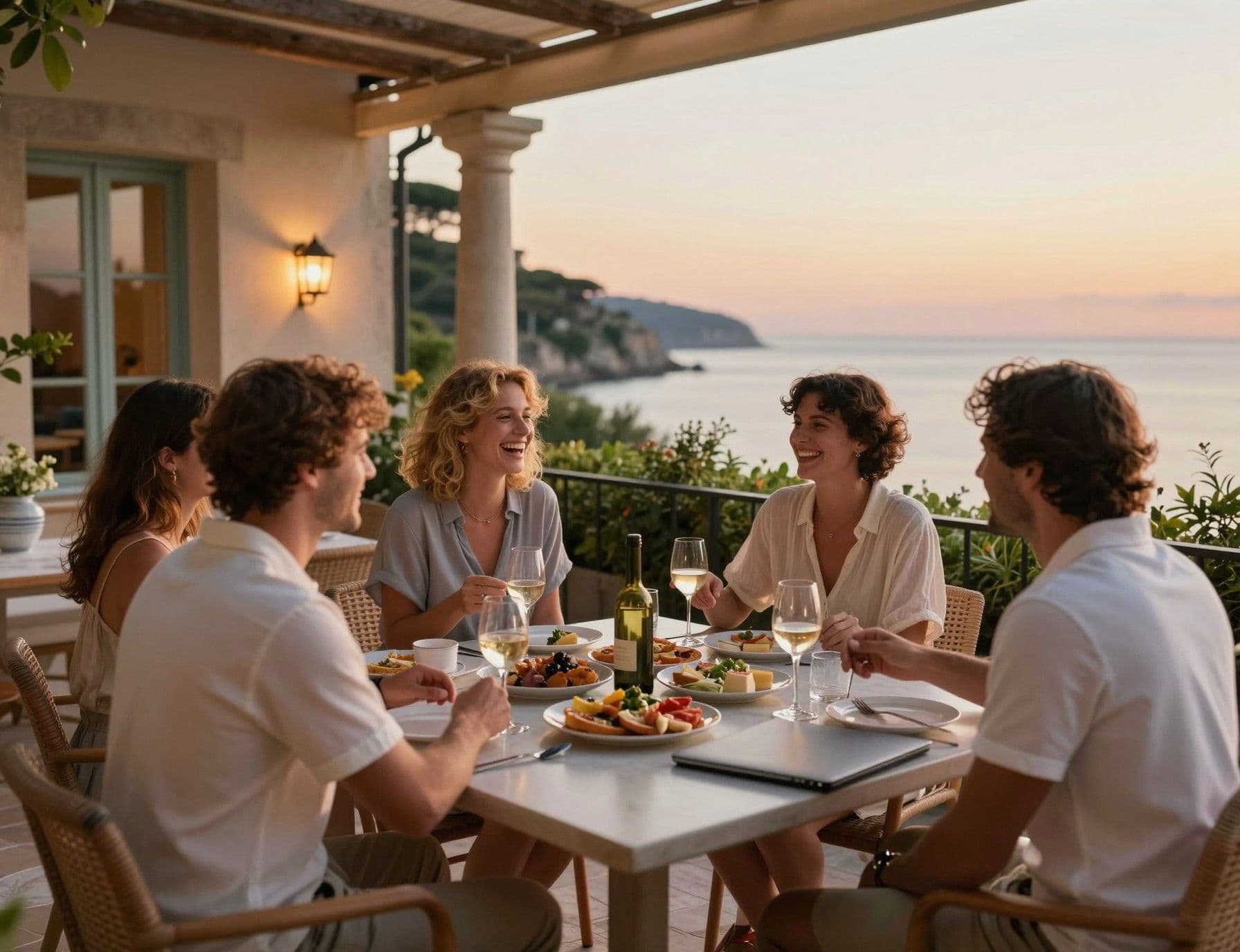
That dreamy terrace costs more than its listing price. In France, buyers routinely add acquisition costs (often called "frais de notaire") and factor in agency fees, renovation, and running costs. Start with a realistic total‑cost figure — not just the asking price — and you'll convert enthusiasm into a workable budget.
Property styles and how they shape budgets
A 17th‑century apartment in Lyon will charm you — and likely need wall rewiring. New builds have lower transaction taxes (around 2–3%) while older properties usually carry 7–8% in acquisition costs. Factor in renovation budgets, elevator works, and energy retrofits — these can reshape the true per‑m² cost overnight.
Working with local experts who match lifestyle to numbers
Find agencies and notaires who understand nomad needs: fast internet, workspace layout, short‑term rental rules if you plan to rent. A good agent points you to fiber coverage maps and friendly syndic (building management) teams. A proactive notaire flags tax traps and explains purchase timelines so you can plan flights, remote work windows and key payments.
- Blend lifestyle and practical: budgeting steps
- Estimate total purchase cost: price + 7–8% (old) or 2–3% (new) for acquisition fees, plus agency or seller commissions.
- Add renovation and energy‑efficiency buffer: €5,000–€30,000 depending on size and age.
- Check monthly running costs: syndic charges, property tax (taxe foncière), utilities and internet — these vary drastically between Paris, mid‑size cities and rural areas.
Insider knowledge: what expats wish they'd known
Expat buyers often underestimate seasonality and local rhythms. Summer hides neighborhood weaknesses — empty streets can mislead. Winter shows heating costs and damp issues. Professionals at local syndic offices, friendly neighbours and a quick visit during the off‑season reveal realities that photos don’t.
Language, social cues and daily life
You don't need perfect French to live well, but learning basic phrases opens doors to local cafés, market vendors and the syndic. The French respect effort; a few sentences like "Bonjour" and "Merci" change interactions. Join a local language exchange or a digital‑nomad meetup to swap tips and find reliable contractors.
Long‑term lifestyle and financial sustainability
Think three years ahead. Will you keep the property as a pied‑à‑terre, a rental, or a full move? VAT treatment, rental rules and property taxes change how quickly you recoup costs. Speak to both a franco‑friendly accountant and a local property manager before signing to model scenarios.
- Red flags to watch for (real‑life examples)
- No fiber or flaky internet in listing details — ask for a speed test
- Opaque syndic accounts or unexplained recent special levies
- Seller‑paid agency fees included in price without clear breakdown (makes comparison hard)
- Step‑by‑step due diligence (quick checklist)
- 1) Ask for building diagnostics (DPE), syndic minutes and recent bills.
- 2) Confirm notary‑calculated acquisition costs and timing (expect 2–3 months to completion).
- 3) Test internet at different times; check fiber availability with local ISP maps.
Conclusion: fall in love, then run the numbers. France gives you meals that taste like home and streets that invite wandering. Turn that romance into a durable plan by budgeting for acquisition fees, renovation and seasonal realities. Work with a notaire and an agency who speak nomad — they'll translate everyday life into a clean purchase timeline.
Swedish, relocated to Marbella in 2018 to chase sun and property freedom. Focus on legal navigation and tax for Nordic buyers.