Budget the French Life: Real Costs Behind the Romance
Fall for France’s daily rhythms, then budget smart: plan for 7–8% closing costs, regionally driven prices, and lifestyle-driven maintenance to avoid surprises.
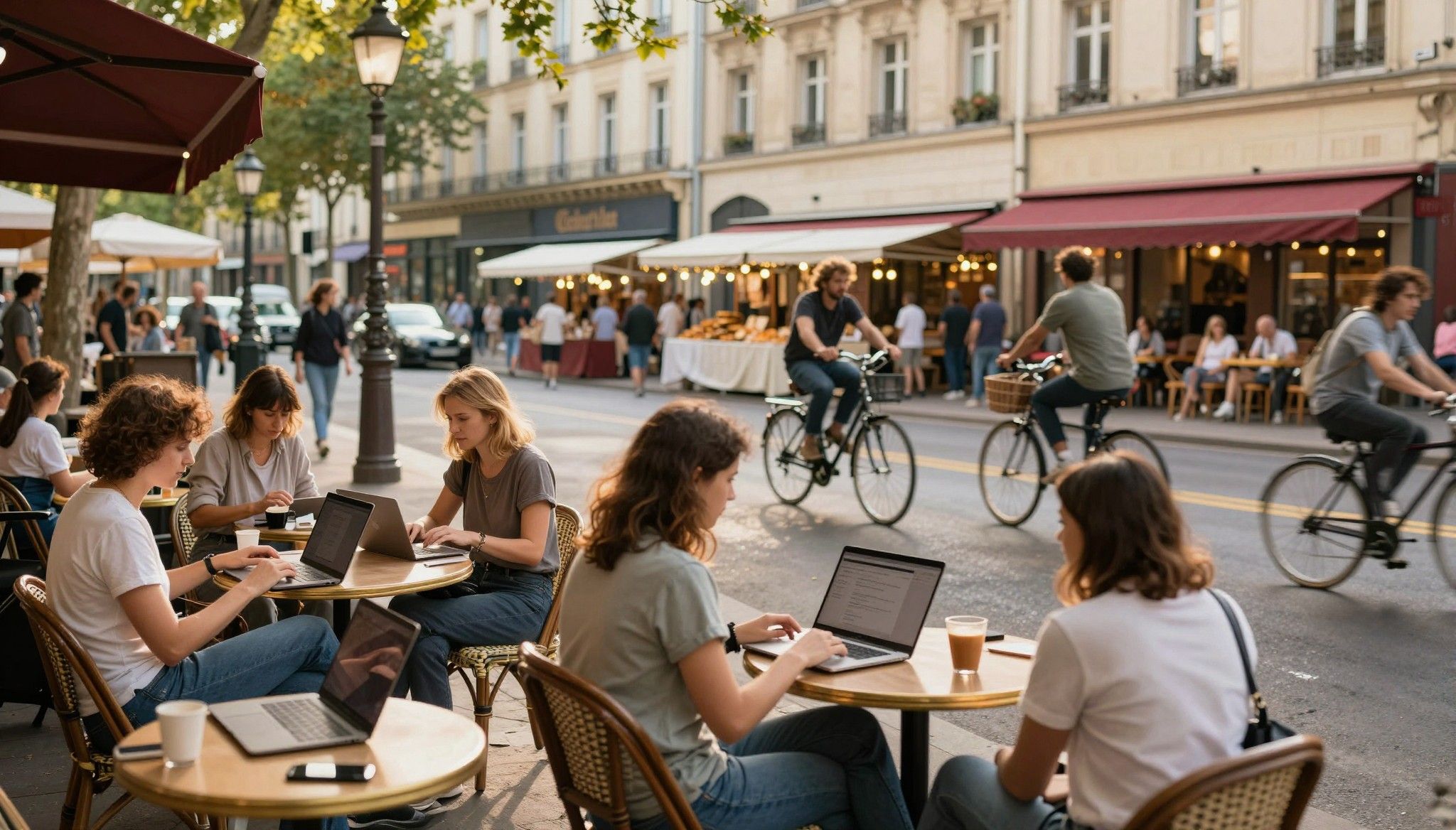
Imagine sitting at a sidewalk table in Aix, typing between sips of espresso while a street market hustles into life. That slow, delicious pace — marché stalls, late-night dinners, weekend hikes in the Alps or a quick train to Marseille — is why people buy in France. But dreams meet numbers the moment you search listings. This guide blends the intoxicating everyday of French life with practical budgeting steps every international buyer should use before sending an offer.
Living the French life — what you’ll actually wake up to
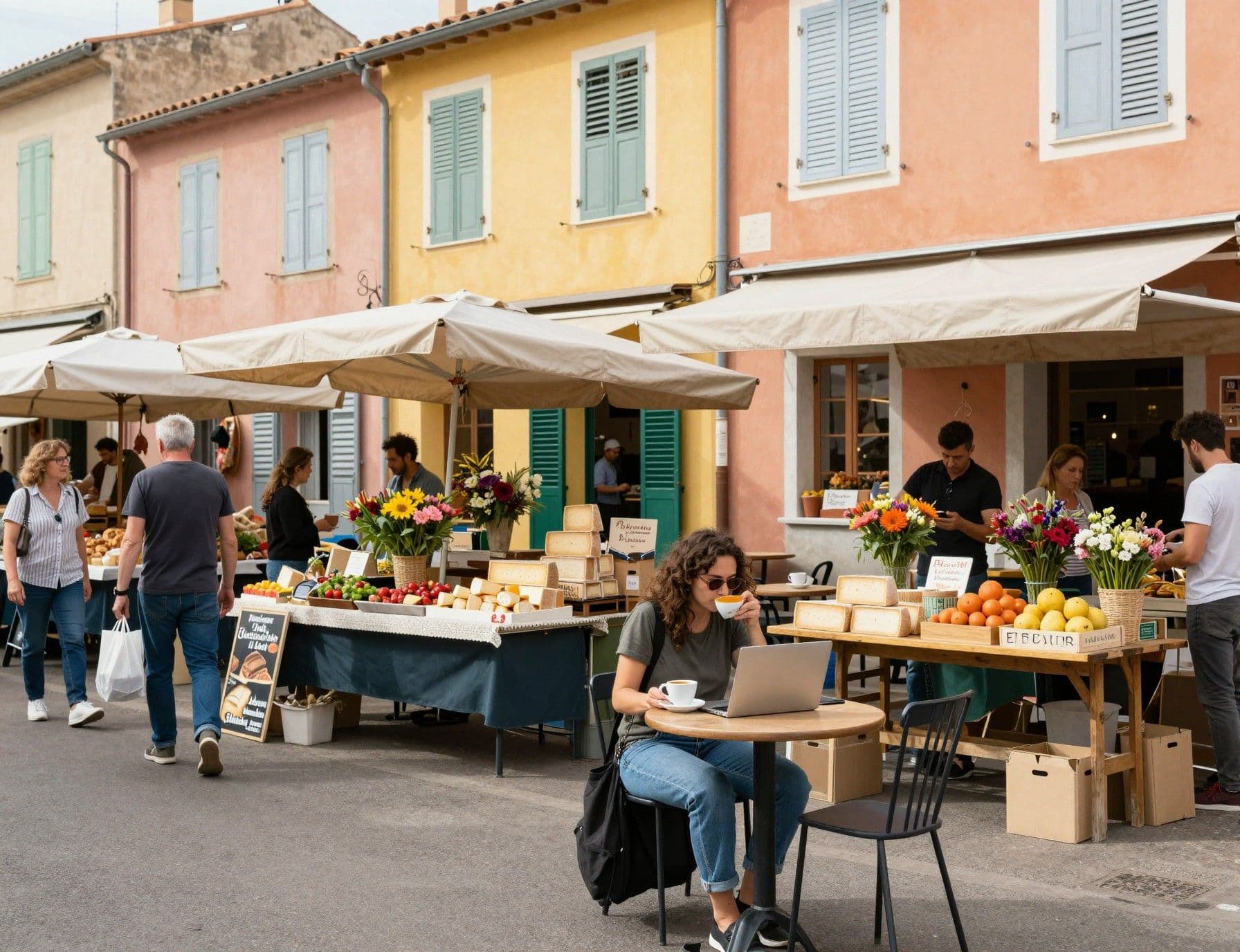
France is many small lives stitched together: coastal mornings in Biarritz, lavender-market Saturdays in Provence, tiny-flat joie in Paris arrondissements, and village fêtes where everyone knows your name. The sensory details matter: flaky croissants, cathedral bells, old stone facades, and cafés that double as coworking hubs. For a nomad, the rhythm is flexible — focus on neighbourhoods with fast fibre, cafes that tolerate laptops, and green spaces for afternoon breaks. These lifestyle choices will shape your budget more than the number of bedrooms.
Neighbourhood spotlight: Le Marais, Aix-en-Provence, and Vieux-Nice
Le Marais hums with galleries, cafés and historic streets — it’s compact, walkable and perfect if you want culture on your doorstep. Aix-en-Provence offers Provençal light, weekly markets on Cours Mirabeau and quiet side streets where restaurateurs know you by name. Vieux-Nice gives a beach-town beat with narrow lanes and socca stalls; it’s great for outdoor life but expect summer tourism premium. Each place brings different hidden costs: maintenance on stone buildings, co-ownership (copropriété) charges, and seasonal cleaning for holiday-ready pads.
Food, markets and the daily life that shapes budgets
Your weekly routine — morning boulangerie, Wednesday marché, aperitif hour — determines recurring costs and where you want to live. Living near specialty markets reduces food bills and boosts quality of life, but central neighbourhoods often carry higher rents and purchase prices. Think beyond mortgage: market baskets, seasonal storage, and proximity to grocery supply shape monthly expenses. For nomads, being close to a reliable coworking space and a friendly café that accepts a laptop matters as much as metro access.
Making the move: practical considerations that match the life you want

The beautiful side-streets hide technical realities: property transaction costs, evolving price trends, and department-level tax differences. Recent official data shows French prices stabilising and edging up in many cities, so timing matters by region. Also, note that buyers typically pay roughly 7–8% in transaction costs for existing properties — a line item you must bake into any offer. Knowing where prices are moving (INSEE and notaires reports) helps you target neighbourhoods that match both lifestyle and value.
Property types & how they fit nomad needs
A compact Paris apartment is perfect for culture-first nomads who walk everywhere and need blazing fibre, while a Provençal maison offers outdoor space and slower summers. New builds have lower transfer taxes (3–4%) versus older properties (≈7–8%), but their character differs. Choose by lifestyle: balcony for evening wine, a quiet room for work calls, or proximity to a coworking hub. Also think maintenance budgets — older stone homes need periodic roof and façade work that adds up faster than you expect.
Working with local experts who match life + numbers
A progressive local agent knows which rues have reliable fibre, which copropriétés allow short-term rentals, and which arrondissement wakes up late on Mondays. Use an agent who understands nomad needs (fast internet, flexible furnishings, bike storage) and who can translate local jargon like 'charge de copropriété' and 'diagnostics techniques'. Ask for recent utility invoices, fibre tests, and a breakdown of monthly co-ownership charges before you commit. This saves surprises and keeps your budget anchored in daily life, not just purchase price.
- Budget checklist: lifestyle + numbers
- Estimate 7–8% total closing costs for older properties (notaire, registration, taxes).
- Add annual copropriété and maintenance: typically €1,000–€3,000 in city flats, more for communal pools or shared heating.
- Factor in seasonal costs: tourist-season cleaning, winter heating, and gardener/landscaping for rural properties.
Insider knowledge: expat lessons, myths and red flags
Real expats’ stories converge on a few truths: the neighbourhood you love in summer may feel empty in January, renovation timelines are always longer than contractors promise, and language gaps create friction on documentation. A recent trend is department-level increases to mutation duties — a small percentage point can be hundreds or thousands of euros on mid-market homes. Spot red flags early: missing diagnostic reports, vague copropriété accounts, or an agent who resists shared notaire involvement.
Cultural tips that change budgets and quality of life
French social life thrives on routine: long lunches, local marchés, and vacation windows in August when many shops close. Budget for these rhythms: stocking up before closures, arranging mail forwarding, and building a local network who can check on your property during absences. Learn simple phrases for paperwork — a little French smooths negotiations and often yields faster resolutions and friendlier pricing. Integration isn’t optional; it’s part of the lifestyle value you bought.
Long-term thinking: resale, rental and lifestyle sustainability
France’s appeal endures: historic centres, stable rule of law, and steady tourist flows keep demand resilient. But markets vary — Paris, the Riviera, and university towns behave differently from rural inland areas. Plan for five-year horizons: is this a pied-à-terre, a rental investment, or a future full-time home? Each path changes acceptable maintenance budgets, tax planning, and the agencies you’ll use to manage the property when you’re away.
- Step-by-step initial budgeting plan
- 1) Decide lifestyle priorities: city culture, seaside life, or countryside calm, and list the 3 non-negotiables that shape cost (internet, outdoor space, proximity to market).
- 2) Target neighbourhoods and pull recent price trends from INSEE/Notaires to set realistic purchase ceilings for each area.
- 3) Add 7–8% (or 3–4% for new builds) for closing costs, then include annual copro and maintenance estimates to produce a true yearly housing cost.
- 4) Arrange financing options early (local mortgage vs. international lender), verify exchange-rate buffers, and lock a contingency fund of 5–10% for renovations or surprises.
- 5) Hire a bilingual notaire/agent team and request full diagnostics, copro accounts, and recent utility bills before making an offer.
Quick wins to make your budget stretch
- Pick a near-periphery arrondissement for Paris — save on price per m² but keep transport links intact.
- Consider renovated older apartments that keep character but reduce immediate renovation costs.
- Negotiate seller contributions for small works; many sellers prefer a slightly reduced price over a stalled sale.
Conclusion: fall in love, but budget like you mean it
France is a sensory, social, slow-cooked delight — and it rewards buyers who pair imagination with spreadsheets. Start with lifestyle first, translate that into realistic neighbourhood choices, and then build a budget that includes transfer taxes, copro charges, seasonal needs and a contingency for the unpredictable. Work with local agents and notaires who understand both the joie and the ledger. When you do this work up front, your first coffee on a French terrace tastes even sweeter.
Norwegian who has helped 200+ families relocate from Oslo to Spain; expert in relocation services and community integration.