Why Winter House‑Hunting in France Wins (Close Fast)
Off-season house-hunting in France reveals heating, community and negotiation advantages — use winter visits, specific contingencies and local experts to close faster.
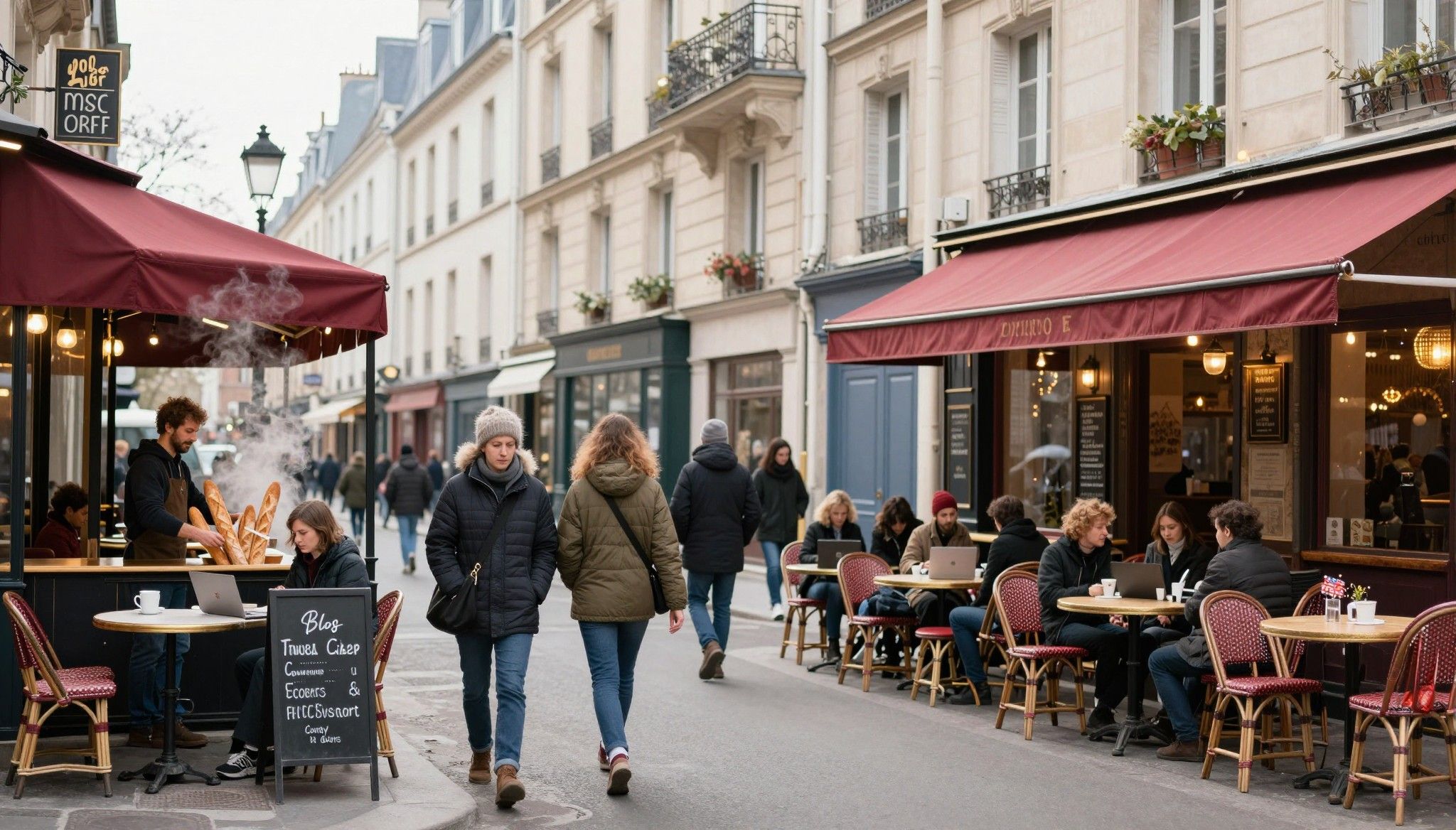
Imagine a grey, misty morning in Lyon: cafés steaming, bakers arranging brioche, and empty open houses with agents who suddenly have time to listen. In France, the mood of a neighbourhood in winter can reveal its true rhythm — and its real estate opportunities. We’ll show you why hunting in the quieter months often gives nomads better negotiating power, cleaner due diligence, and a faster, less emotional path to closing.
Living France — what winter shows you

France isn’t one mood year-round. Paris hums, the Riviera sparkles in summer, and inland market towns breathe slowly in winter — which matters when you’re buying. Recent French price indexes show stability after turbulent years, meaning timing and negotiation matter more than panic. Visiting off-season lets you see heating quality, insulation, and whether a sunny terrace is merely a summer trick or a year-round asset.
Neighborhood spotlight: Croix-Rousse, Lyon to Le Panier, Marseille
Walk Croix-Rousse in January and you’ll meet neighbours at the bouchon sipping coffee — not tourists. In Marseille’s Le Panier the same quiet streets reveal real resident life, stray markets and a different soundscape. Those subtleties shift your offer strategy: a lived-in district with steady foot traffic suggests resilient value, while an area that empties completely in winter is likely tourist-driven and riskier for year-round living.
Food, markets and rhythm: how seasons expose authenticity
Markets slow in late autumn then reappear robust in spring; that lull reveals vendors who truly live locally versus pop-up traders. You’ll taste winter cassoulet in Toulouse, discover the reliable fromagerie on Rue Cler in Paris, and notice which cafés keep mornings full — small signals of neighborhood health. Those everyday patterns tell you whether a property will feel alive when you unpack your bags.
- Lifestyle highlights seen in off-season visits: - Rue Cler market stalls and the tasting rhythm in early March - Local coworking cafés in Bordeaux that stay open year-round - Quiet beachfront promenades in Biarritz that reveal erosion or upkeep needs - Midwinter fêtes (village fêtes) that show community spirit - Local boulangeries with steady morning lines — the best sign of a living neighbourhood
Making the move: practical winter advantages

Dreaming is easy; closing takes paperwork, patience and strategy. In winter you usually face fewer competing buyers, agents are less rushed, and notaires (French civil-law notaries) have clearer calendars. That means faster checks on the compromis de vente and clearer negotiation windows for contingencies like surveys and mortgage offers.
Property styles and what they reveal in cold months
Stone village houses show damp where insulation is poor; Haussmannian flats reveal how radiators are zoned and whether single-pane windows will cost you dearly. Use winter visits to test heating, check cellars for mould, and confirm roof insulation — things sellers often hide when they stage for summer viewings. Those facts let you add realistic contingencies into a compromis de vente or negotiate a price reduction.
Working with local experts who know off-season truth
A French agent who lives in your target neighbourhood is worth their weight in local wine. They spot small but crucial red flags: co-ownership charges that spike in winter, commune maintenance plans for roads, and unreliable broadband in remote villages. A bilingual notaire or translator protects you in contract clauses — and a local builder gives instant quotes for winter fixes you’ll rewrite into your offer.
- Steps to use winter leverage when making an offer: 1. Visit in-person on a weekday morning to meet neighbours and check morning foot traffic. 2. Request heating and energy bills for the coldest months; compare against similar buildings. 3. Include specific technical contingencies (roof, damp, insulation) in the compromis de vente. 4. Set a tight acceptance window (7–10 days) to keep momentum and avoid new bidders. 5. Choose a notaire early so document checks start while your offer is binding.
Insider knowledge: myths, cultural quirks and long-term thinking
Myth: French sellers always hold out for peak-season offers. Reality: many sellers prefer a clean, quick deal in winter to avoid another summer of management or mortgage costs. Data shows national price movements have stabilised recently, making smart timing and clauses more important than frantic bidding. Knowing this flips the script: you don’t need a summer parade to get a fair price.
Cultural integration and small daily rituals
French social life is local and seasonal: street markets, village fêtes, wine harvests and weekly aperos anchor neighbourhoods. To feel at home, learn to greet the baker, join a local association, and discover weekly rhythms. Those rituals tell you whether you’re buying into a community or a calendar of tourists — vital for long-term happiness and for predicting rental demand if you plan to let your property.
Long-term lifestyle vs flip economics
If you want a life in France, favour neighborhoods with year-round services over seasonal sparkle. For investors, winter visits reveal holding costs and maintenance realities that summer glosses over. Whether you’re after a renovation project in Dordogne or a pied-à-terre in Nice, the off-season gives a cleaner read on real costs, letting you build accurate budgets and contingency plans.
Conclusion: fall in love, then test in winter. Use the quiet months to see how a place truly breathes. Bring a notaire who speaks your language, insist on heating and damp checks, and use tighter timelines in offers to convert seasonal interest into solid closings. Book that midwinter trip — you’ll find fewer showings, clearer facts, and sometimes a friendlier price.
Norwegian who has helped 200+ families relocate from Oslo to Spain; expert in relocation services and community integration.