Neighbourhood-First Italy: Lifestyle Picks, Visas & Market Signals
Italy’s romance meets reality: neighbourhood-first lifestyle picks, visa routes (digital nomad, elective residence) and market signals from Istat and Banca d’Italia to buy with confidence.
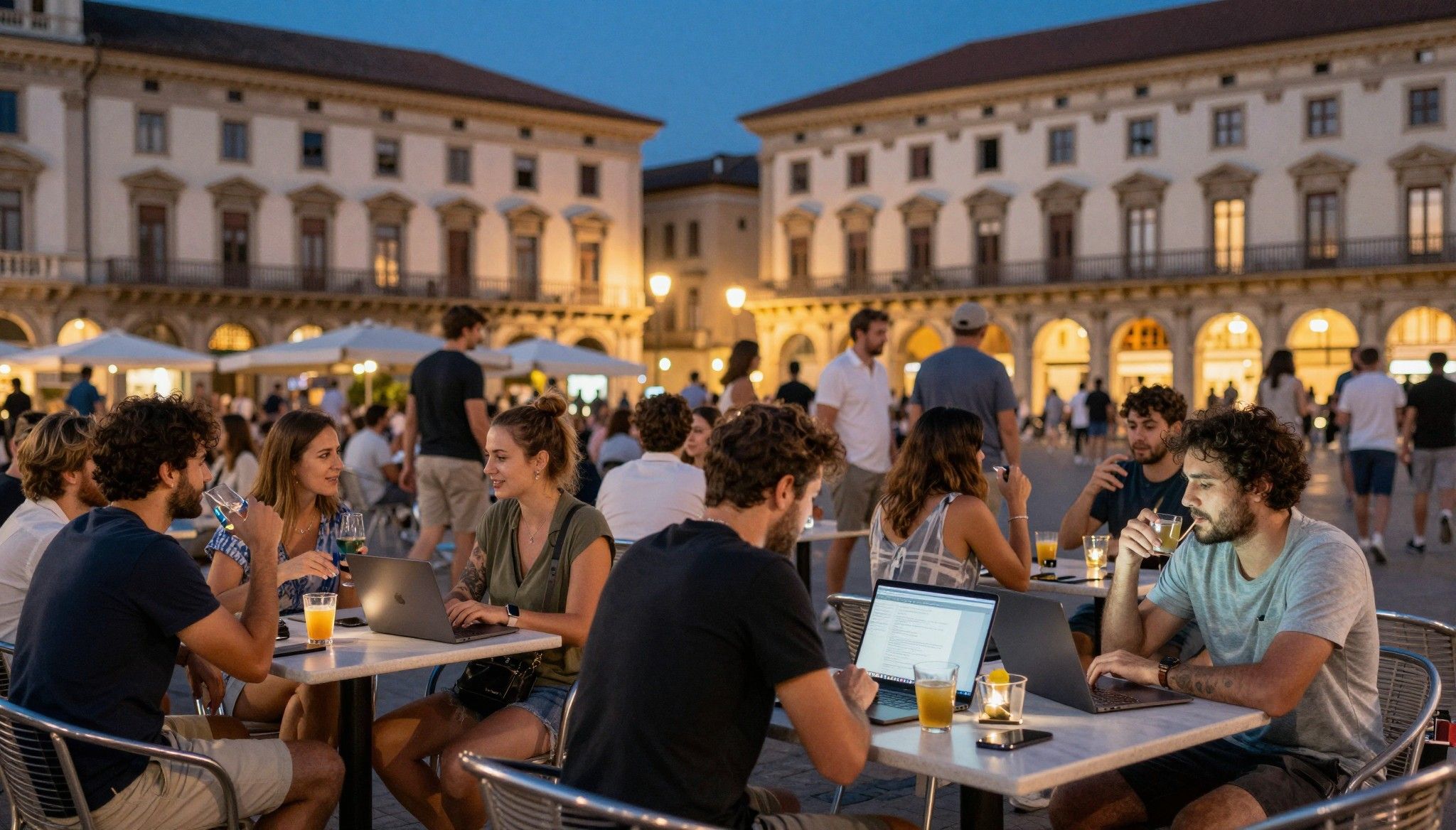
Imagine starting your day with an espresso at a corner bar on Via dei Coronari in Rome, then taking calls from a sunlit coworking terrace in Trastevere. Italy moves at a delicious, human pace — market mornings, aperitivo evenings, neighborhood bakeries that know your name. That romantic image is real, but so are the practical questions: which visas fit a remote worker, where prices are stabilising, and what neighborhoods actually deliver the life you felt in the photo. This piece pairs the sensory Italy (streets, markets, gelato) with hard facts from national data so you can fall in love and move with confidence.
Living the Italy lifestyle — more than postcard moments
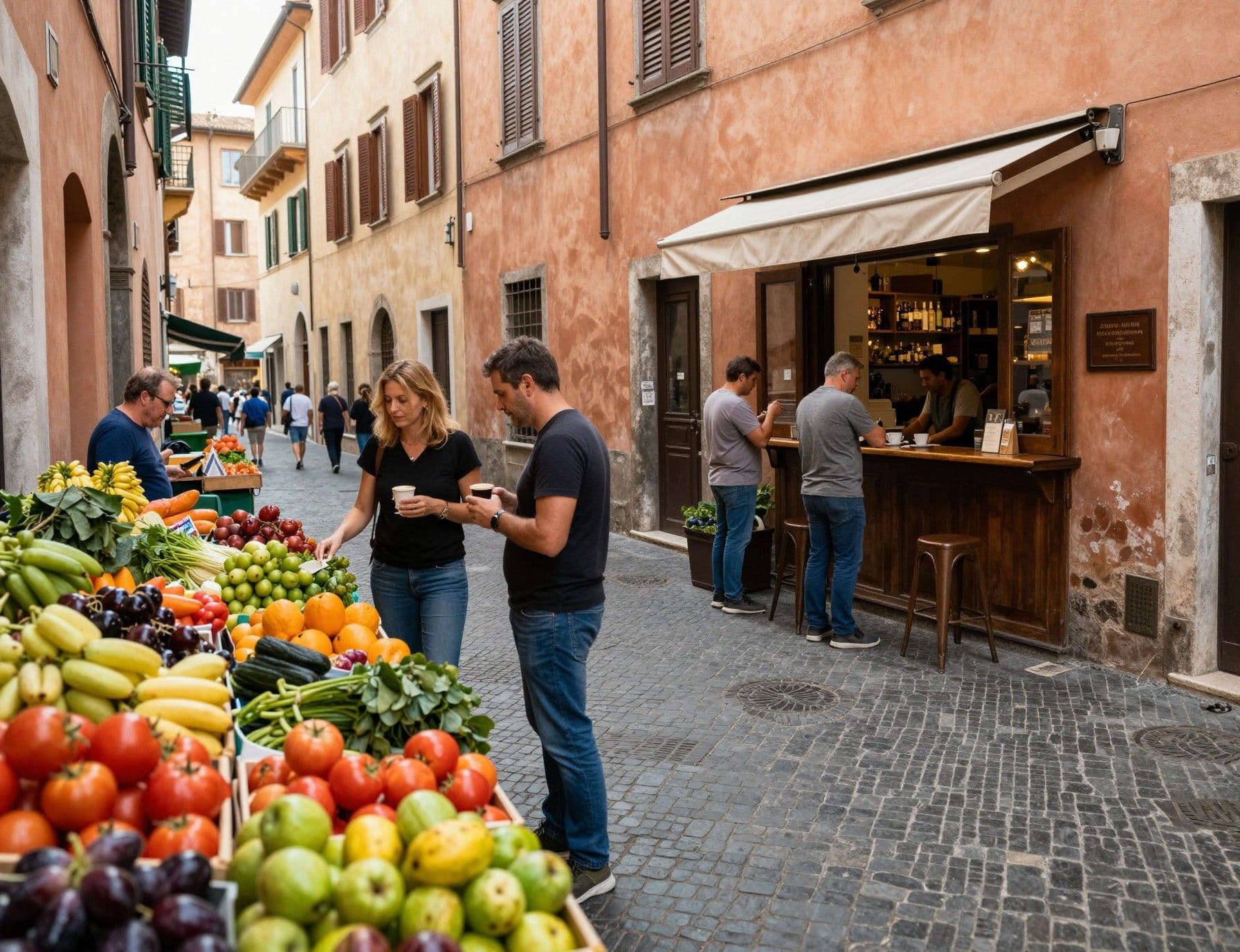
Italy is not a single lifestyle — it’s a dozen. From the slow rhythms of Puglia olive groves to the vaulted alleys of Bologna where cicchetti and late-night conversations orbit the university, daily life is local. Recent national stats show modest price growth and more transactions in 2024–2025, which means demand is real but varied by region — think steady city cores and opportunistic rural towns. That variation is why your neighbourhood choice matters more than headline city prices: lifestyle fits to property type, not the other way around.
Spotlight: Historic centre vs. coastal town
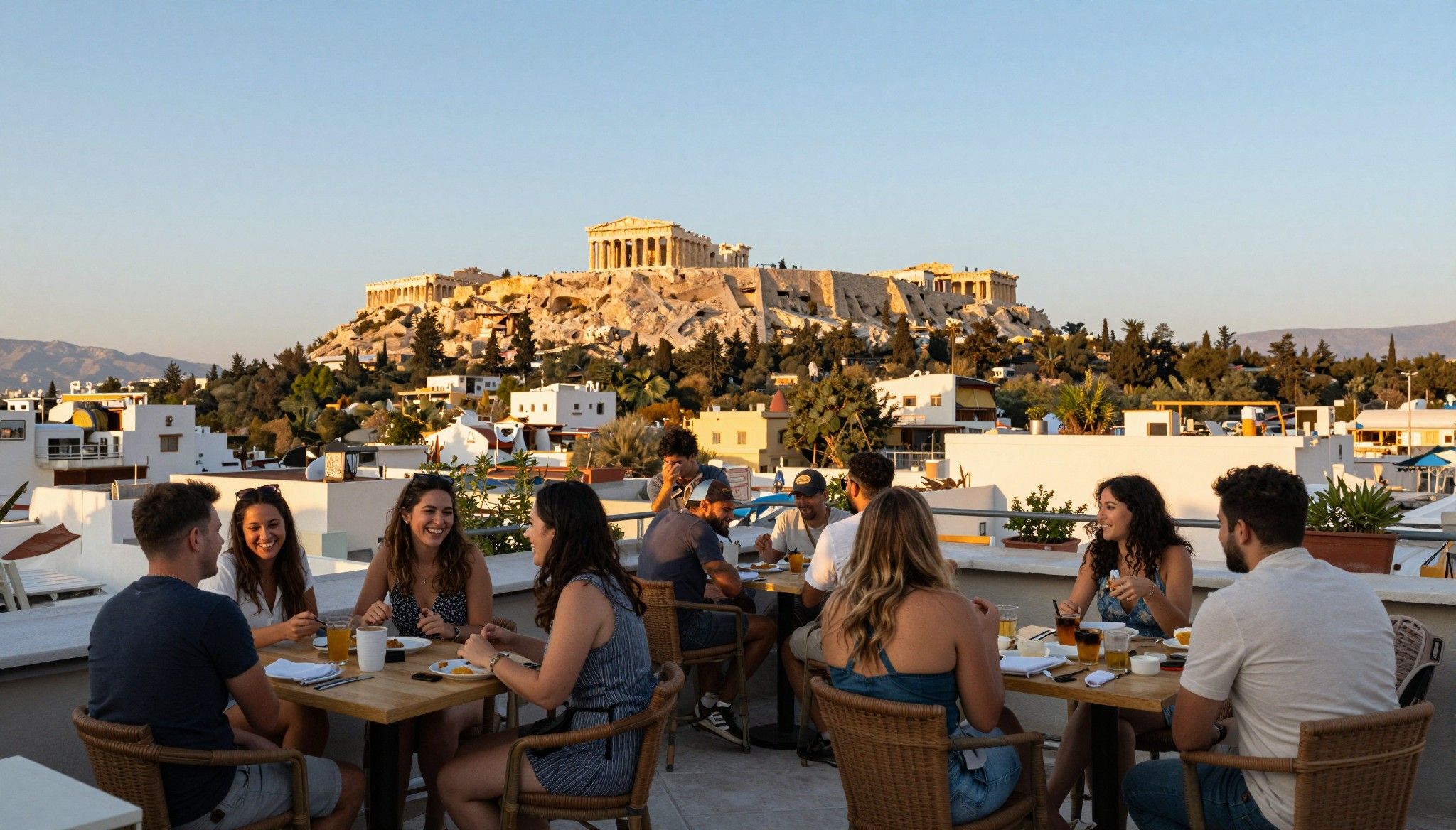
A studio on Via Giulia puts you within walking distance of museums, markets and nighttime vibrancy — tiny terraces, thick walls, radiant heating or not. A coastal apartment in Cefalù or Polignano a Mare gives you sea mornings, scooter commutes, and slower high seasons; the tradeoff is seasonality and sometimes weaker broadband. Both deliver quintessential Italian days; they just ask different things of your work rhythm and social life.
Food, ritual and the neighborhood heartbeat
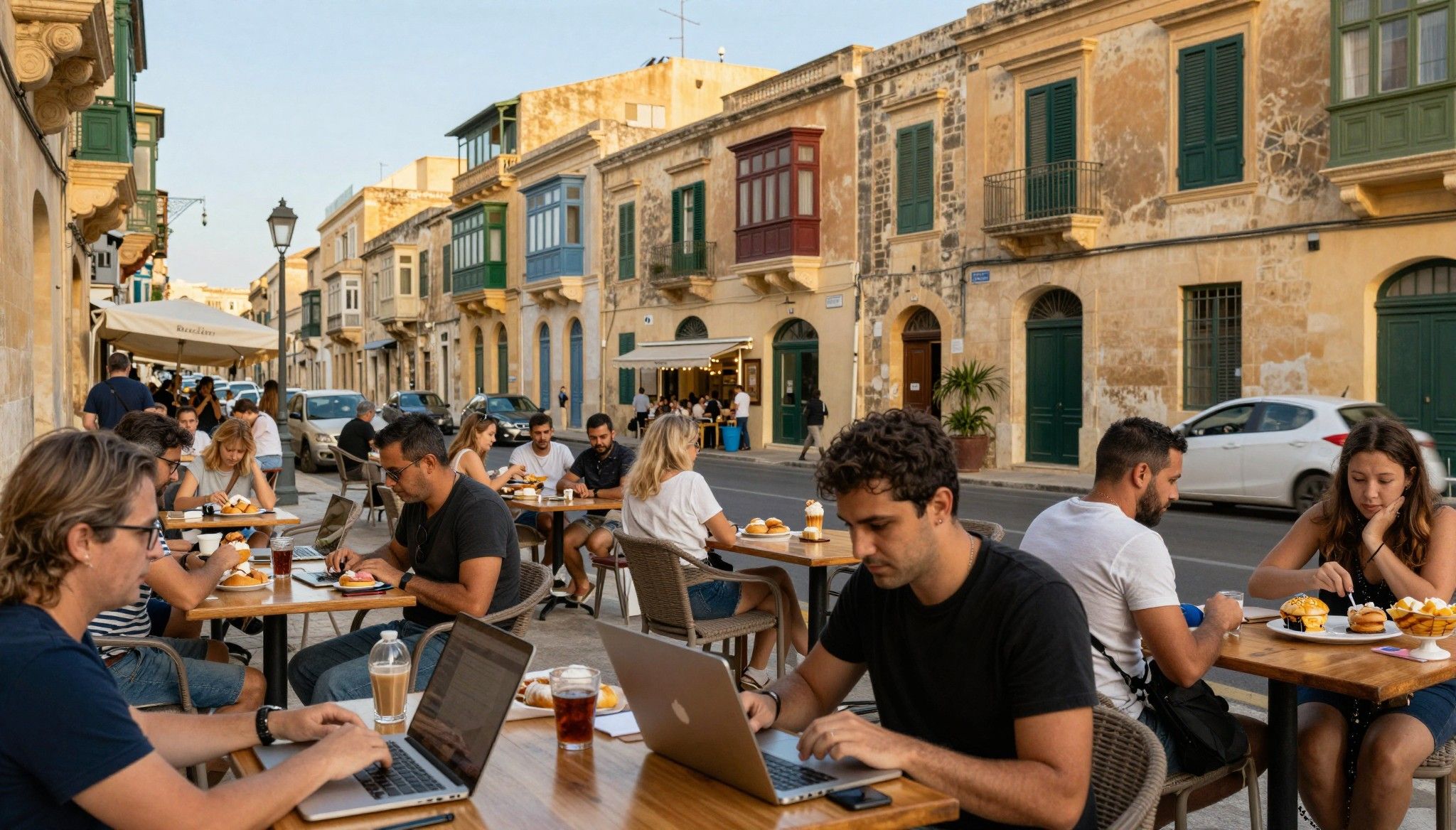
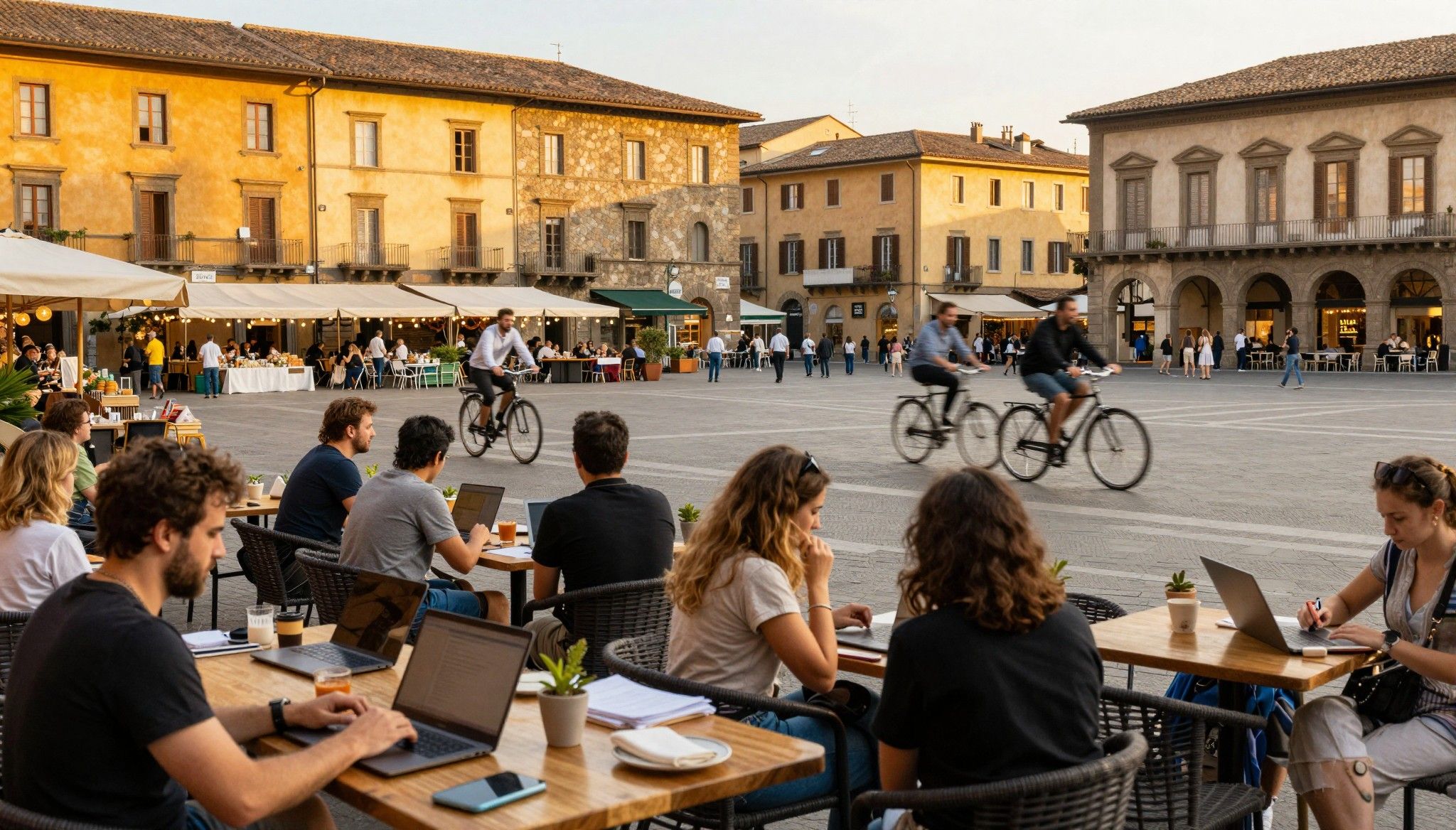
Markets are the city’s living room. Picture Mercato Centrale in Florence at 10am — fishmongers calling out, baristas pulling tiny coffees, and a real estate agent walking a young couple past a 19th‑century building. Weekends center on market runs, trattoria bookings, and seaside escapes. For nomads, the best neighbourhoods combine a morning espresso spot, a reliable coworking space, and an evening social scene — they’re where community forms naturally, not where expat enclaves isolate you.
- Lifestyle highlights to look for when house‑hunting in Italy:
- A morning bar with a standing crowd (local intel on opening hours matters).
- Weekly open‑air market within walking distance (fresh food and social life).
- Reliable fibre or 4G/5G signal and a nearby coworking or café with power outlets.
- Seasonal rhythm: quiet off‑season streets or summer buzz — pick what suits your work/life flow.
Making the move: practical considerations that protect your lifestyle

Dreams meet paperwork at the airport and the Questura. Italy has long-stay options that suit different nomad profiles — the digital nomad/remote worker route, elective residence for those with passive income, and self-employment or startup visas for entrepreneurial moves. The government portal outlines visa types and the eight‑day permesso di soggiorno requirement; understanding which visa fits your income stack will save you months of back-and-forth and keep your new life uninterrupted.
Property styles and how they shape daily life
Stone apartments in centro storico mean character — thick walls, smaller windows, and sometimes temperamental heating. Newly renovated attic flats or 'open plan' conversions offer light and workspace but check for noise and insulation. Villas in wine country give outdoor offices and room to breathe, but maintenance and seasonal utility costs rise. Choose by routine: if you need quiet afternoons for deep work, prioritise soundproofing; if you crave community, prioritise proximity to piazzas and coworking hubs.
Work with local experts who know both lifestyle and legalities
A good local agency is your lifestyle broker — they introduce you to the barista who knows the landlord, the neighbour who mows the communal garden, and a notary who speaks your language. Look for agents that specialise in expat moves, list recent rental/cash sale case studies, and have relationships with English‑speaking notaries and accountants. Their local muscle turns dreamy neighbourhood tours into realistic, contract-ready opportunities.
- Practical steps to blend lifestyle and purchase readiness:
- 1) Shortlist neighbourhoods after at least two in-person visits (different seasons).
- 2) Verify fibre/4G availability and test remote work from candidate spots.
- 3) Use an expat-friendly agency and demand recent transaction evidence for pricing.
- 4) Budget for renovations, energy upgrades and seasonal utility swings (south vs north).
Insider knowledge: what expats wish they’d known sooner
Real talk: bureaucracy takes time, but locals are patient. You’ll learn to love slow administration because it forces you to build local routines — the bar you visit during permit waits becomes your community base. Expat networks clustered around universities, coworking spaces (e.g., Impact Hub in Milan, Talent Garden campuses), and language schools are the fastest routes to friendships. Also, seasonal rental demand can create off‑market buying windows in winter — ask local agents about sellers who list quietly after summer.
Cultural integration: small rituals with big payoffs
Learn a handful of phrases, join a local market run, and show up for weekend aperitivo — these small gestures unlock invites and trust. Italians appreciate effort: your broken Italian will often be forgiven, and your willingness to shop at the mercato rather than the supermarket will be rewarded with recipes and neighbourly help. Integration makes neighbourhoods feel like home and transforms a property into a life.
Longer-term view: lifestyle sustainability and resale
Data shows Italy’s housing prices rose modestly in 2024–2025 and transaction volumes increased, suggesting demand beyond momentary tourism trends. That means buying for life in a stable neighbourhood with real services tends to defend value better than speculating on ultra-touristy streets. If you care about long-term life quality and resale, prioritise connectivity, local services, and energy efficiency — these are the features the market increasingly rewards.
- Red flags and realities to watch for:
- Unregistered renovations or missing building permits — they can double your cost and delay residency formalities.
- Weak internet in picturesque villages — don’t trust an agent’s word; test speed yourself at different times of day.
- Seasonal utility and cleaning costs for coastal or rural properties — budget realistically.
Conclusion: Italy is sensory and sensible in equal measure. Fall for the piazzas, the food, and the rhythms — then pair that love with data, the right visa, and a local agency that gets nomad life. Start with a two‑week scouting trip that tests mornings, afternoons, and weekend life; bring a fibre speed test, meet a notary, and ask an agent for three recent comparable sales. Do that, and you won’t just buy a property — you’ll buy the life you pictured on day one.
Danish investor and relocation advisor focusing on Portugal and the Algarve; loves coworking culture and expat networks.