Before You Sign: Legal Red Flags in France
A lively, practical guide to France’s legal checks — from diagnostics and notaire searches to pre-emption and copro minutes — so nomads buy with heart and certainty.

Imagine this: a morning espresso at Café de Flore, a bike ride along the Seine, and keys to a Parisian pied-à-terre in your pocket. France feels cinematic — markets spilling with cheese, lazy Sunday boulangeries, village squares where everyone says hello. But that romance meets paperwork fast. Before you fall for the view, learn the legal checks that protect your dream and your wallet.
Living the French Life — what you actually get

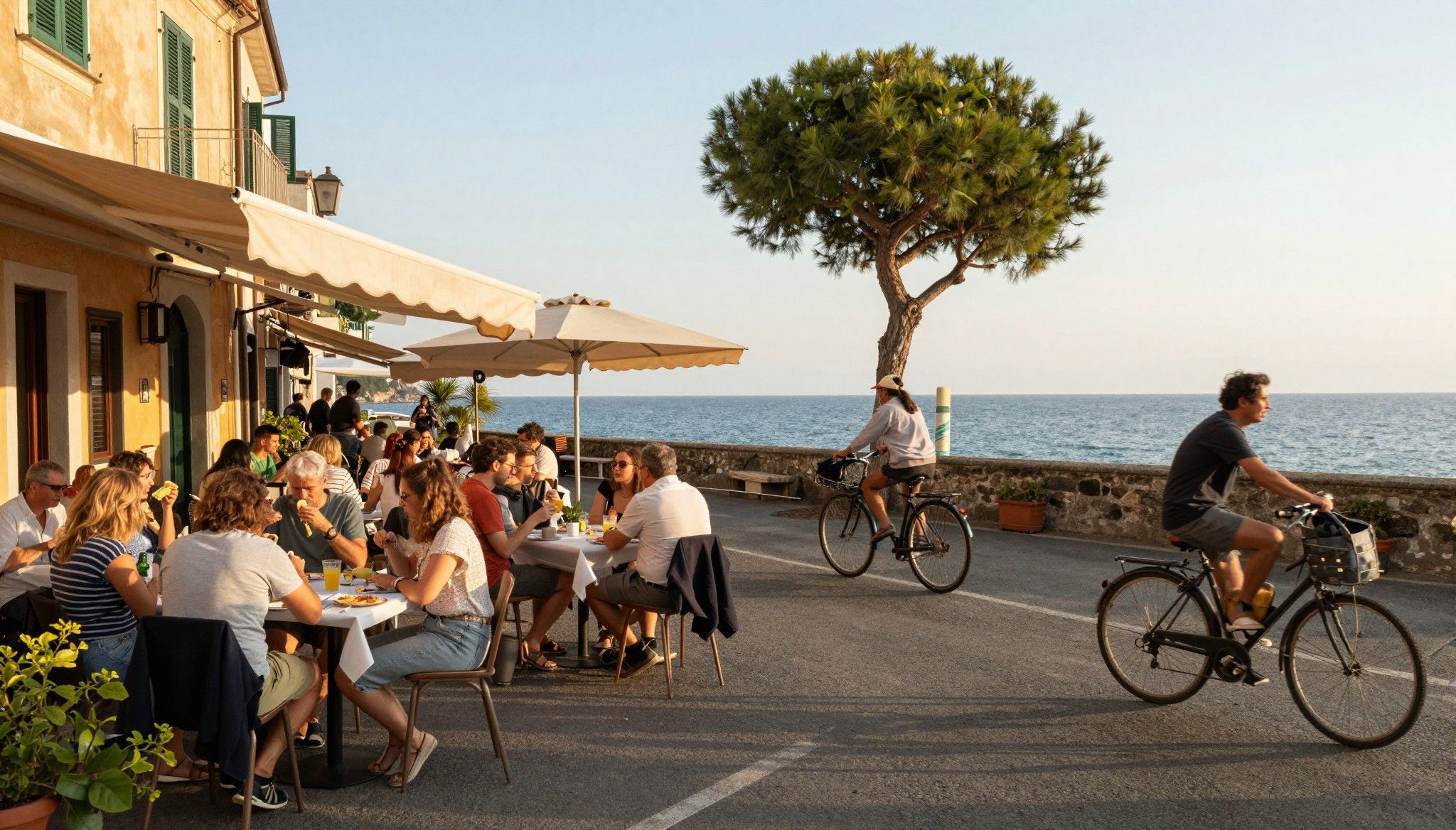
France is varied: sun-drenched terraces on the Côte d’Azur, stone farmhouses in Dordogne, sleek apartments in Lyon’s Presqu’île. Daily life is sensory — morning markets at Marché des Enfants Rouges, after-work apéros on Rue de Lappe, coastal swims at Plage de la Salis in Antibes. For nomads, the lure is a rhythm that mixes lively communal cafés, reliable healthcare, and a deep food culture with surprisingly good infrastructure in regional hubs. That charm influences what you should check on a property: sunlight orientation, storerooms for market hauls, and whether the building permits rentals if you plan to list on short-stay platforms.
Neighborhood spotlights: where lifestyle meets logistics
In Paris, try Canal Saint‑Martin for cafés, Le Marais for museums, and Batignolles for green village energy; each has different copropriété (co-ownership) cultures. In Provence, Lourmarin offers farmers’ markets and community fêtes but expect stricter conservation rules for renovations. On the Atlantic coast, Biarritz blends surf culture and seasonal rental demand — great for short-term income but check municipal rules on tourist classifications. Each micro-neighborhood shapes what legal checks matter most: copropriété minutes, local PLU (zoning) rules, and seasonal rental restrictions.
Food, markets and the social calendar — why they change value
Markets and festivals aren’t just charming — they affect footfall, rental appeal, and municipal plans. An annual fête or weekly marché can raise desirability (and noise), while flood-prone riverbanks or coastal erosion influence insurance and renovation choices. Use Géorisques to pull the État des Risques (environmental risk report) for any address; it’s mandatory information that should be attached to the sale. These lifestyle factors are practical: they change insurance premia, renovation urgency, and long-term livability.
- Lifestyle highlights to look for when choosing a street or block:
- Weekly food market (name the local marché — e.g., Marché Forville in Cannes)
- Nearby coworking spaces and reliable cafés with strong Wi‑Fi (search coworking in town)
Making the move: practical legal checks that protect the dream

Romance fades when surveys or municipal notices appear. The French buying sequence — offer, compromis/promesse, conditions suspensives, then acte authentique before a notaire — is designed to give both sides protections, but international buyers must know where delays and surprises hide. Your notaire becomes the local investigator: they verify title, locate mortgages, check pre-emption rights, and lodge the acte in the central notarial registry. Treat the notary as your reality-check friend — not just a stamp on the contract.
Property diagnostics and seller disclosures
Sellers must provide a Dossier de Diagnostics Techniques (DDT) listing up to a dozen checks: DPE (energy), termite, asbestos, plomb (lead), ERP/IRIS, and more depending on region and age. These are attached to the compromis and to the acte. Diagnostics can change your renovation timeline and budget — a ‘‘G’’ DPE in a Normandy cottage means you’ll need to plan for insulation upgrades. Verify who pays for which report and add explicit warranties in the compromis when necessary.
Local rights that can stop or delay a sale
- Watch for municipal droit de préemption (the town can buy first), co‑ownership (copropriété) rules that restrict uses, and heritage or PLU protections that limit changes. These rules can convert a quick purchase into a negotiation with officials. Always ask the notaire to confirm whether a property sits in a pre-emption zone and to obtain minutes of copropriété meetings if applicable.
- Practical step-by-step due diligence (what I do before signing the compromis):
- 1) Order the DDT diagnostics and review energy, asbestos, and termite reports to estimate renovation cost.
- 2) Ask your notaire for a titre de propriété extract and mortgage/hypothèque search to ensure clear title.
- 3) Check Géorisques and municipal PLU plans for environmental risks and zoning limits that affect extensions or pool installs.
Insider knowledge — what expats wish they'd known
Expats often skip community minutes and assume the notaire handles everything — that’s risky. Copropriété minutes reveal planned maintenance (roof work, façade repaints) that can trigger surprise charges. Seasonal towns might have strict tourist rental registration rules you’ll only see in municipal decrees. Talk to neighbours; a quick café chat on Rue Cler in Paris or outside the marché in Aix can flag issues documents don’t show.
Language, paperwork rhythm and cultural quirks
French legal language is precise and can feel formal. Compromis drafts often include standard clauses (clause suspensive d’obtention de prêt, indemnité d’immobilisation) that you must understand before signing. Use a bilingual notaire or hire a translator for documents, and add realistic closing timelines — French bureaucracy runs on its own clock. Small cultural moves — bringing a handwritten letter of intent or meeting the seller — can smooth negotiations more than an extra euro.
Long-term lifestyle + legal considerations
Think beyond the deed: local taxes (taxe foncière, taxe d’habitation phases out for many) and energy class obligations influence holding costs. For heritage properties, conservation rules may require specific contractors and longer permit times. If you plan to rent, check municipal tourist classification and short-stay registration — some mayoralties now cap short-term lets in centres like Paris. Factor these into ROI and lifestyle plans.
- Red flags to walk away from or dig deeper into:
- Missing or out-of-date diagnostics (DDT incomplete at signing)
- Unclear title, undisclosed mortgages or hypothèques
- Large pending copropriété works without a dedicated reserve or owner agreement
Conclusion — the next tiny steps that make big differences. Fall in love with the morning market, the evening apéro, the slow parade of seasons. Then put on your investigator hat: order the diagnostics, ask the notaire for title searches and pre-emption checks, and read copro minutes. If you want, we’ll connect you to bilingual notaires and local agents who live the lifestyle and know the legal traps. That’s how the French dream becomes a secure, everyday life.
Danish investor and relocation advisor focusing on Portugal and the Algarve; loves coworking culture and expat networks.