Budgeting for Cyprus: Life-First Steps to Buy with Confidence
Fall for Cyprus’s sunlit life, but budget like a local: factor title deeds, transaction fees, seasonal costs, and expert legal checks to buy with confidence.
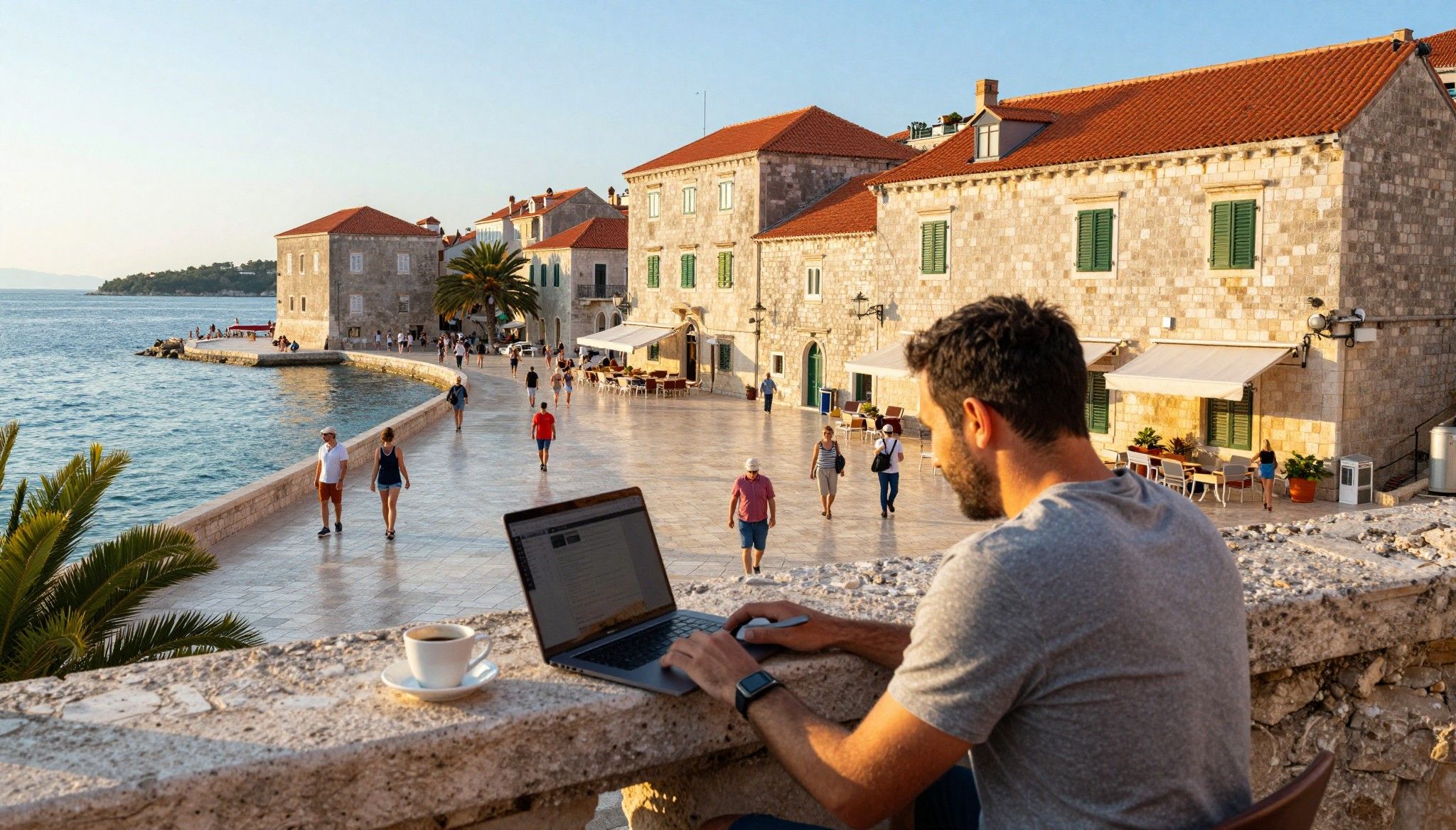
Imagine sipping espresso at Café Laiki in Limassol on a bright morning, laptop open, the sea glittering beyond palm trees — and knowing your monthly housing budget still lets you eat out, rent a coworking desk, and take weekend ferry trips to the Troodos mountains. That balancing act — between island sunshine and sensible numbers — is the secret of buying in Cyprus. According to recent Central Bank data, prices have been rising but opportunities remain if you plan realistically.
Living the Cyprus lifestyle
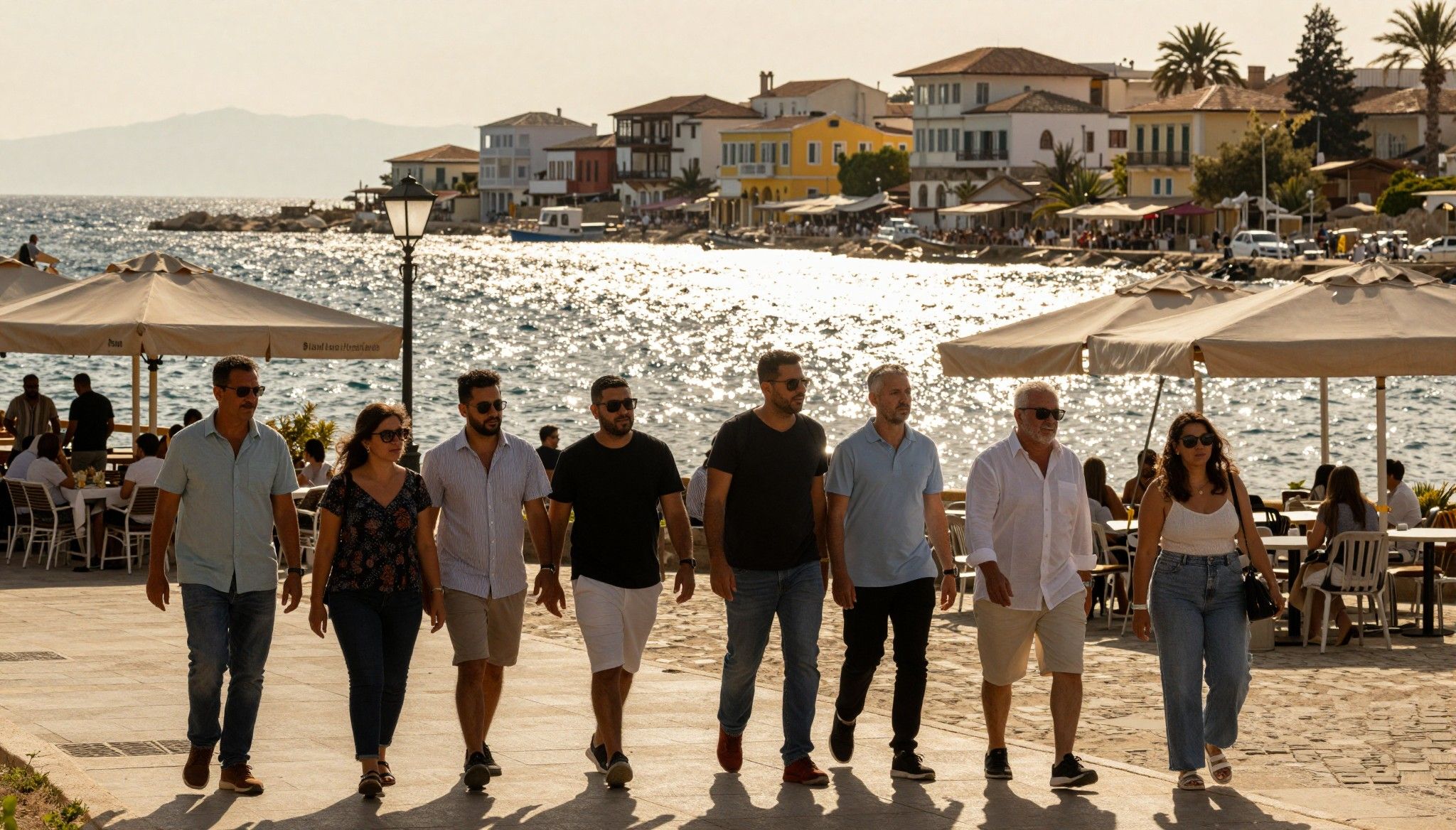
Cyprus is a sun-first island where days start slow and end sociable. Mornings mean markets in Nicosia or Larnaca, afternoons drift to beaches in Paphos and Limassol, and evenings are for meze and laughter. The island’s mix of English-friendly services, strong café culture, and compact cities makes it especially attractive to remote workers who want both community and calm. Recent national indices show a steady rise in residential prices, but the picture is varied by town and property type — which is good news if you know where to look.
Limassol: coastal buzz and coworking
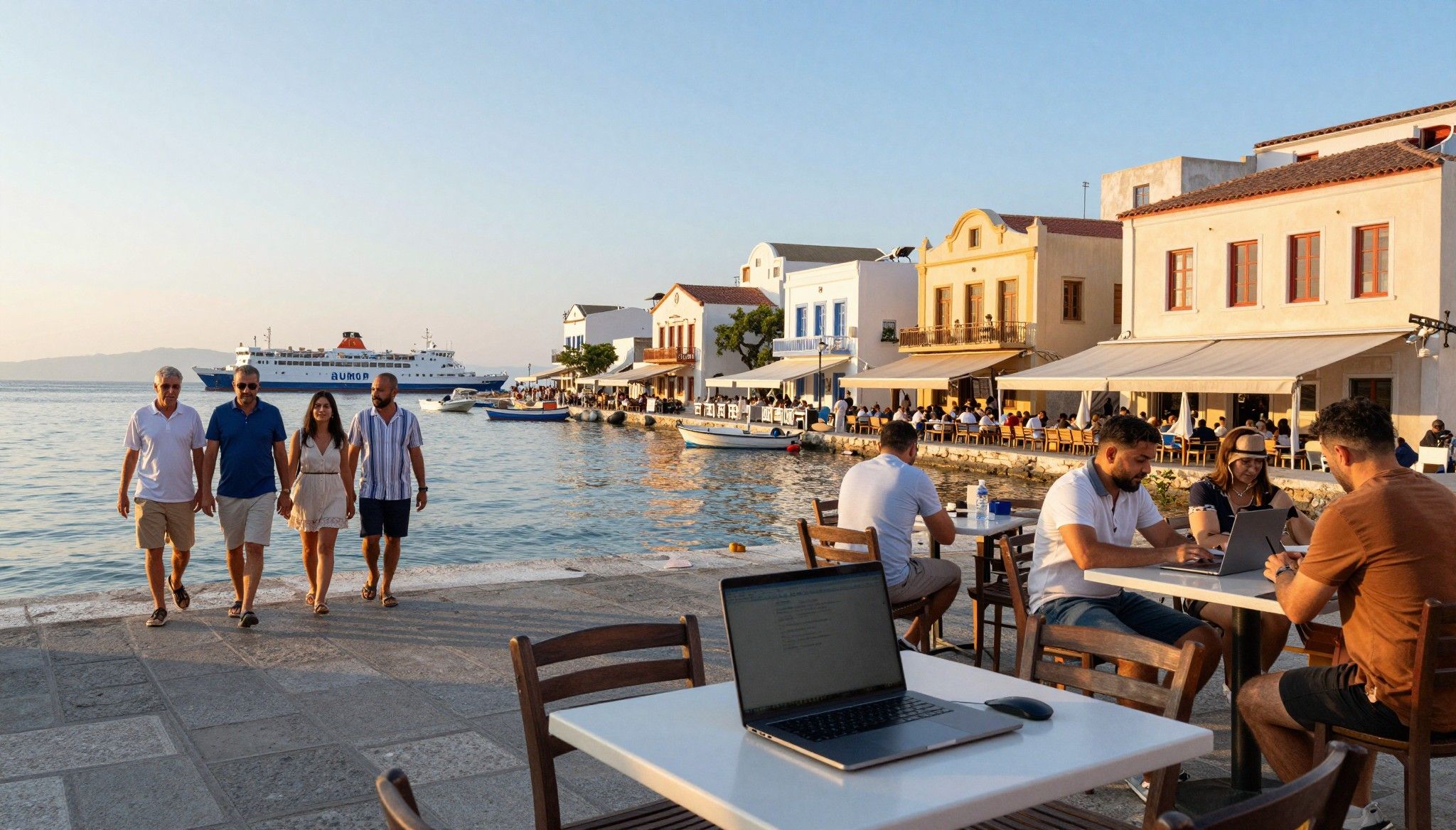
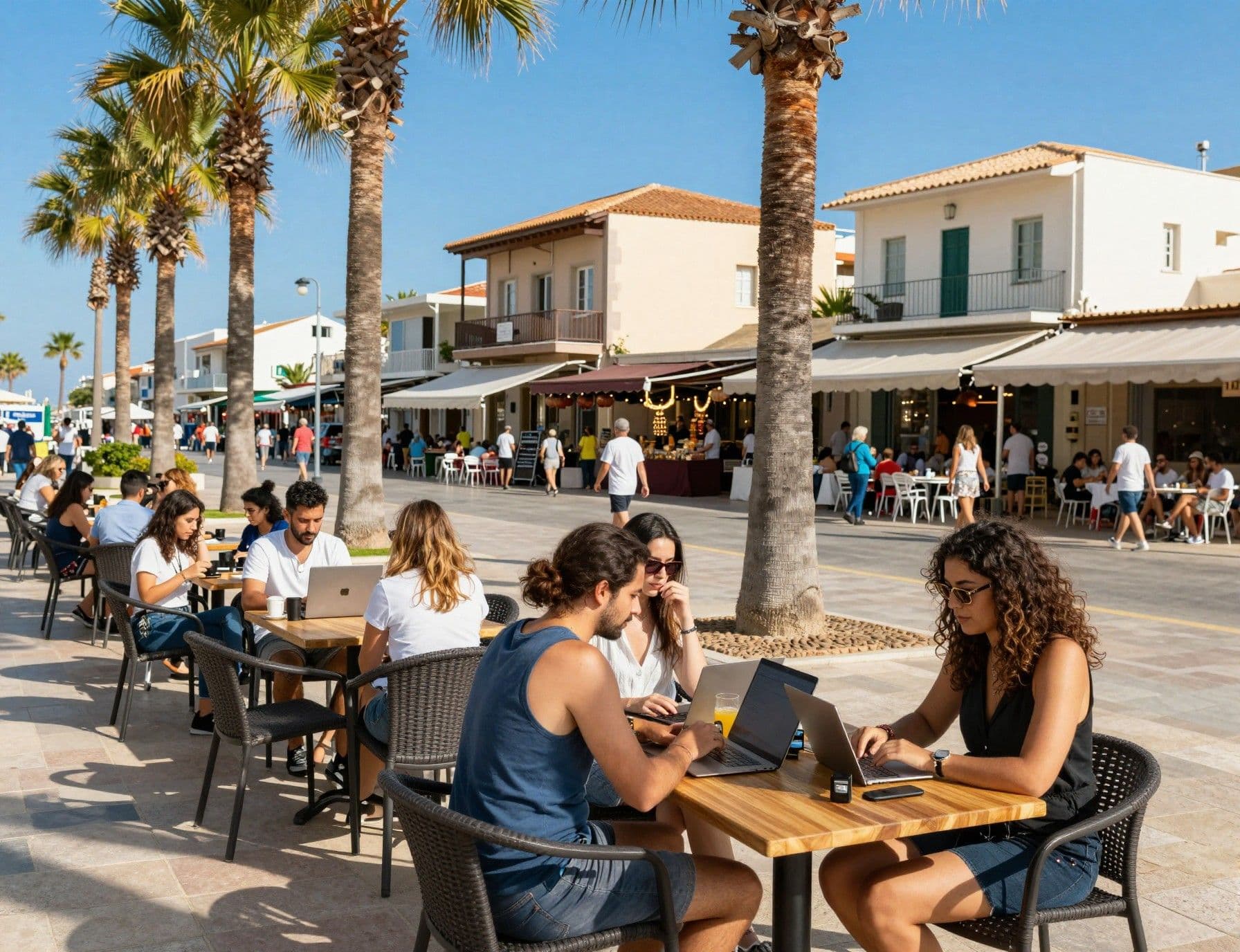
Picture walking Kosta Karyou Street for coffee, a quick coworking session at a bright space near the Old Port, then a sunset stroll along the Molos promenade. Limassol is lively, international, and full of new developments — apartments here often trade at a premium, but they’re perfect if you want cafés, coworking, and nightlife on your doorstep.
Paphos & Larnaca: slower pace, better value
If you crave morning markets, old-town winding lanes, and a calmer pace, Paphos and Larnaca offer excellent value. Expect walkable old quarters, family-run tavernas, and easy access to nature. For the budget-conscious nomad, these cities can stretch your euro further while still offering reliable internet and a friendly expat layer.
- Lifestyle highlights to map into your budget:
- Molos promenade (Limassol) morning runs + beachfront cafes — great if you work flexible hours
- Old Market (Larnaca) weekend food hunts — cheap, delicious, community-driven
- Tombs of the Kings walks (Paphos) and seaside evenings — a low-cost lifestyle win
Making the move: practical considerations

Dreams meet numbers at the purchase table. Start with a blunt total-cost estimate: purchase price, transfer fees, lawyer and conveyancing fees, surveying, and a buffer for unexpected works. Recent practical guides estimate closing costs commonly fall in the low single-digit percentages of price for resale homes, while new-build purchases can involve VAT and higher transaction fees. Non-EU buyers should factor in permission paperwork under the Aliens Law.
Property types and what they mean for life
Apartments: low maintenance, walkable life, often in mixed-use blocks with cafés below. Great for nomads who value location over land. Detached houses: room for a garden and long-term family life, but higher upkeep and sometimes limited resale demand in rural pockets. New developments: modern specs and warranties but expect developer timelines and VAT on some purchases.
Working with local experts who match lifestyle to budget
A local agent who knows where expats actually live (not just where tourism points) will save you weeks. Hire a lawyer early for due diligence: title deed checks, outstanding liabilities, and any planning or expropriation flags. For non-EU buyers, your lawyer will also handle the application to the district administration under the Aliens Law.
- Steps to convert lifestyle wants into a firm budget:
- List must-haves (fast internet, balcony/terrace, proximity to coworking) and assign a euro value to each.
- Add transaction costs: legal fees (~1–1.5% plus VAT), stamp duty, transfer fees and a 3–6% contingency for repairs or furniture.
- Verify financing options: local mortgages are available but expect stricter LTV for non-residents; compare offers before making an offer.
Insider knowledge: what expats wish they'd known
Here’s the honest talk: title deeds matter more than sea views, seasonality changes neighbourhood life, and the cost of living can be subtly higher in tourist hotspots. The Central Bank’s indices show pricing trends island-wide, but local micro-markets — a street in Limassol versus a block in Paphos — behave differently. Ask locals about year-round noise, road works, or temporary rental demand — those shape resale value and daily life.
Cultural integration and everyday practicalities
English is widely spoken, but learning basic Greek opens doors — a bakery owner who remembers your order will become a neighbour. Expect late dinners, slow-shop rhythms, and strong family ties in many communities. For paperwork, patience and a reliable lawyer are your best friends.
Long-term lifestyle costs to plan for
Beyond the upfront fees, factor in annual property tax, municipal charges, utilities and maintenance. If you rent part-time, budget for property management fees. Tax guides from major firms provide current transfer fee tables and owner obligations that will shape your long-term cost model.
- Red flags to avoid when budgeting:
- No title deed or unclear ownership chain — always insist on registered title searches.
- Promises of future infrastructure without written planning consent — can stall resale value.
- Underestimating seasonal running costs: A/C bills in summer can surprise new owners.
Takeaway: marry the romance of island life with disciplined budgeting. Start with a lifestyle map (what you truly need to live your Cyprus days), then translate that into a line-by-line budget that includes purchase costs, ongoing running costs, and a 6–12 month cushion for surprises. Work with a local agent and a lawyer who speak your language — literally and figuratively — to make that dream both joyful and safe.
Ready to act? Start by shortlisting neighbourhoods that fit your rhythm, get a local lawyer to run title searches on any shortlisted listings, and ask your agent for recent comparable sales — not marketing copy. If you’re non-EU, have your lawyer prepare the acquisition application early. Small steps now save big headaches later.
Picture this: six months from now you’ve got a key, a favourite corner café, and a terrace that catches the evening breeze. Your monthly budget still funds travel, coworking, and unexpected meze nights because you planned with both heart and spreadsheet. That’s buying in Cyprus done right — life-first, numbers-sorted, and completely possible.
Danish investor and relocation advisor focusing on Portugal and the Algarve; loves coworking culture and expat networks.