Italy: Match the Life You Want with the Right Visa
Fall for Italy’s daily rituals — then pair your dream with the right visa and neighbourhood. Practical steps and current market links to buy smart and live well.

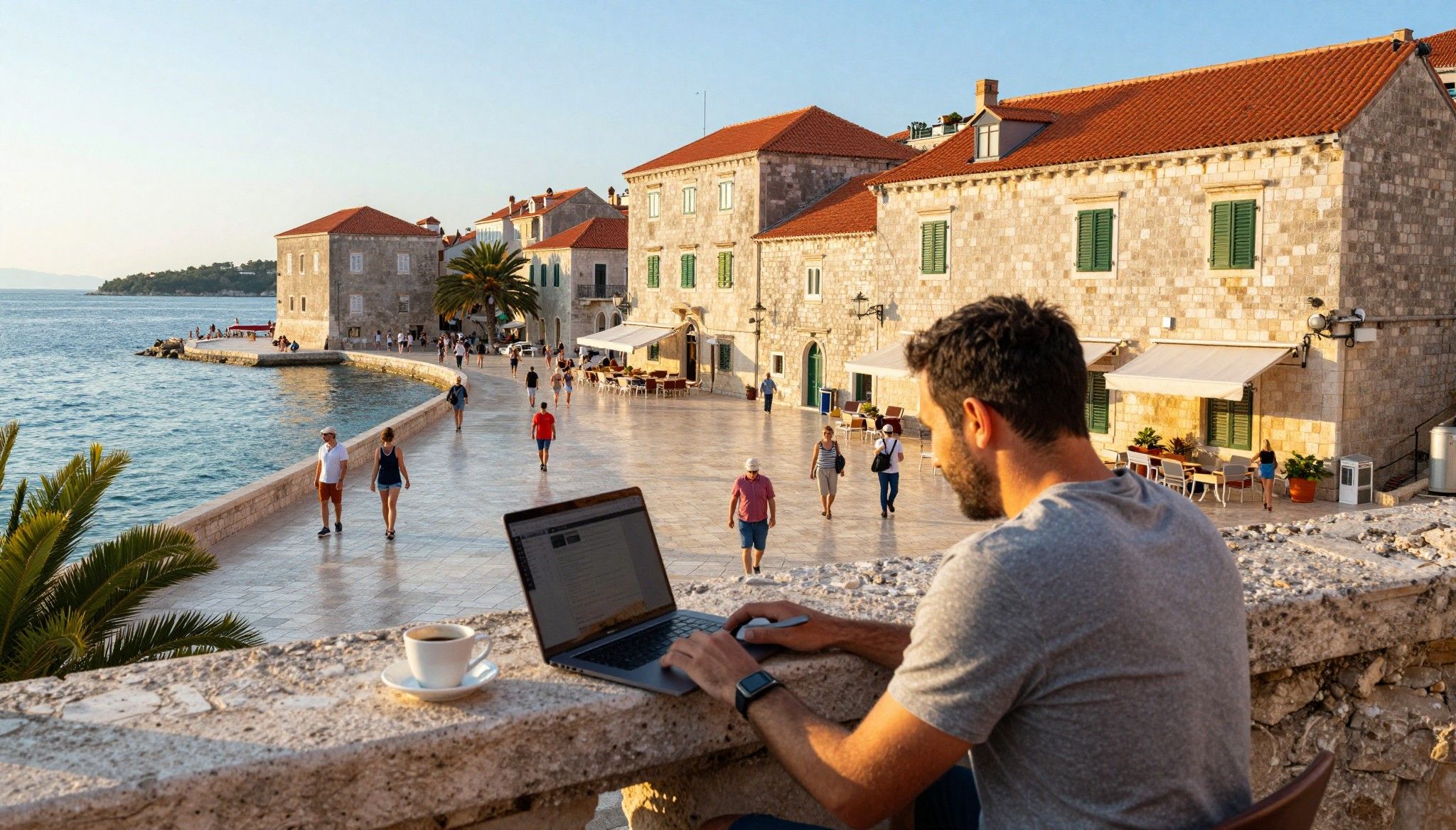
Imagine sipping an espresso at a tiny marble cafe on Via Giulia in Rome, then opening your laptop under a plane tree in the nearby coworking café — Italy is equal parts slow-living ritual and productive, design-forward days. That sensory richness is exactly why nomads and remote professionals keep taking the leap here. But lifestyle and visas are an odd couple: you can fall in love with the piazzas, yet still need a realistic plan to live and work here legally and comfortably. This piece pairs the irresistible daily life with concrete, current pathways to legally reside in Italy.
Living the Italy lifestyle

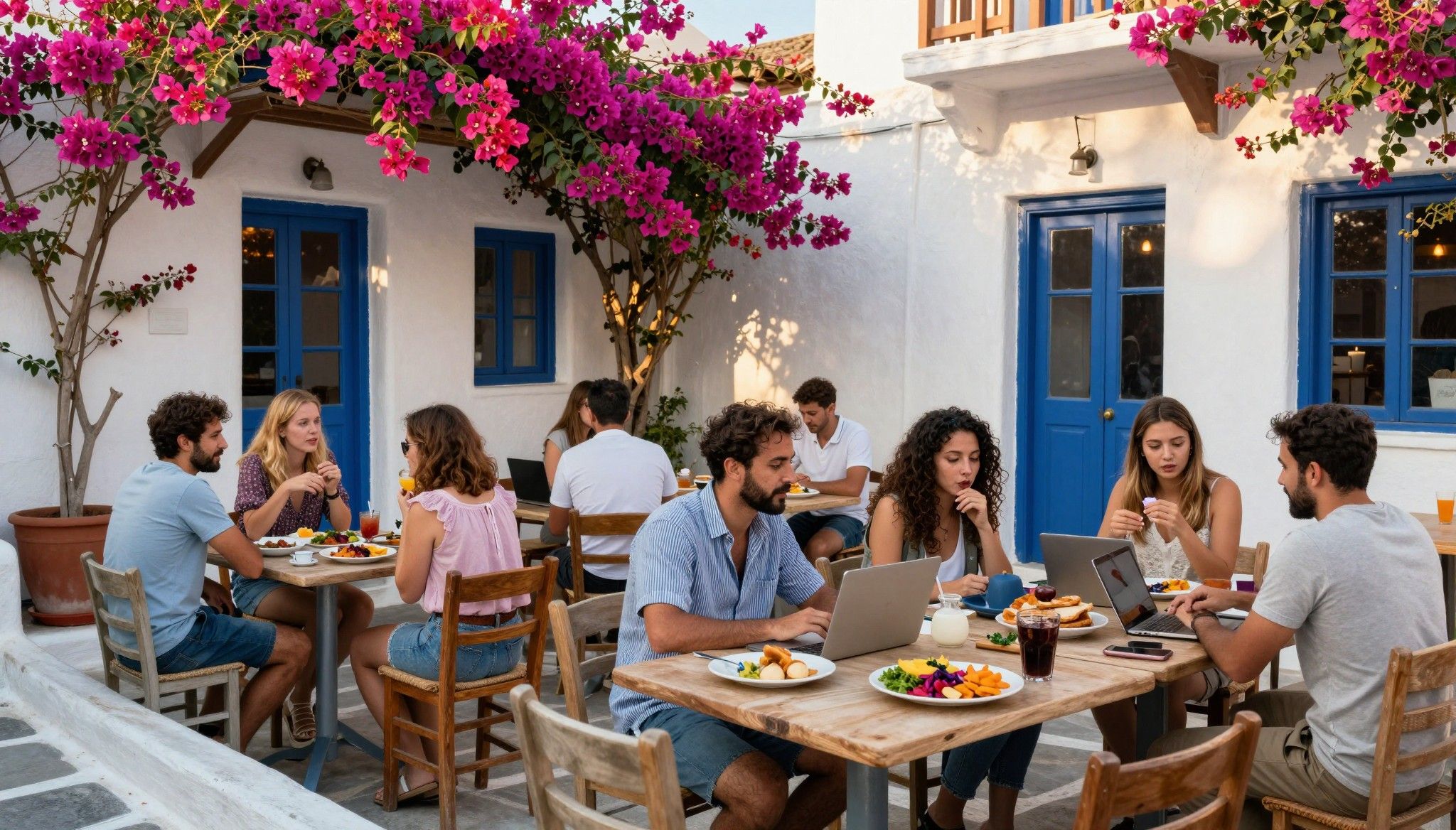
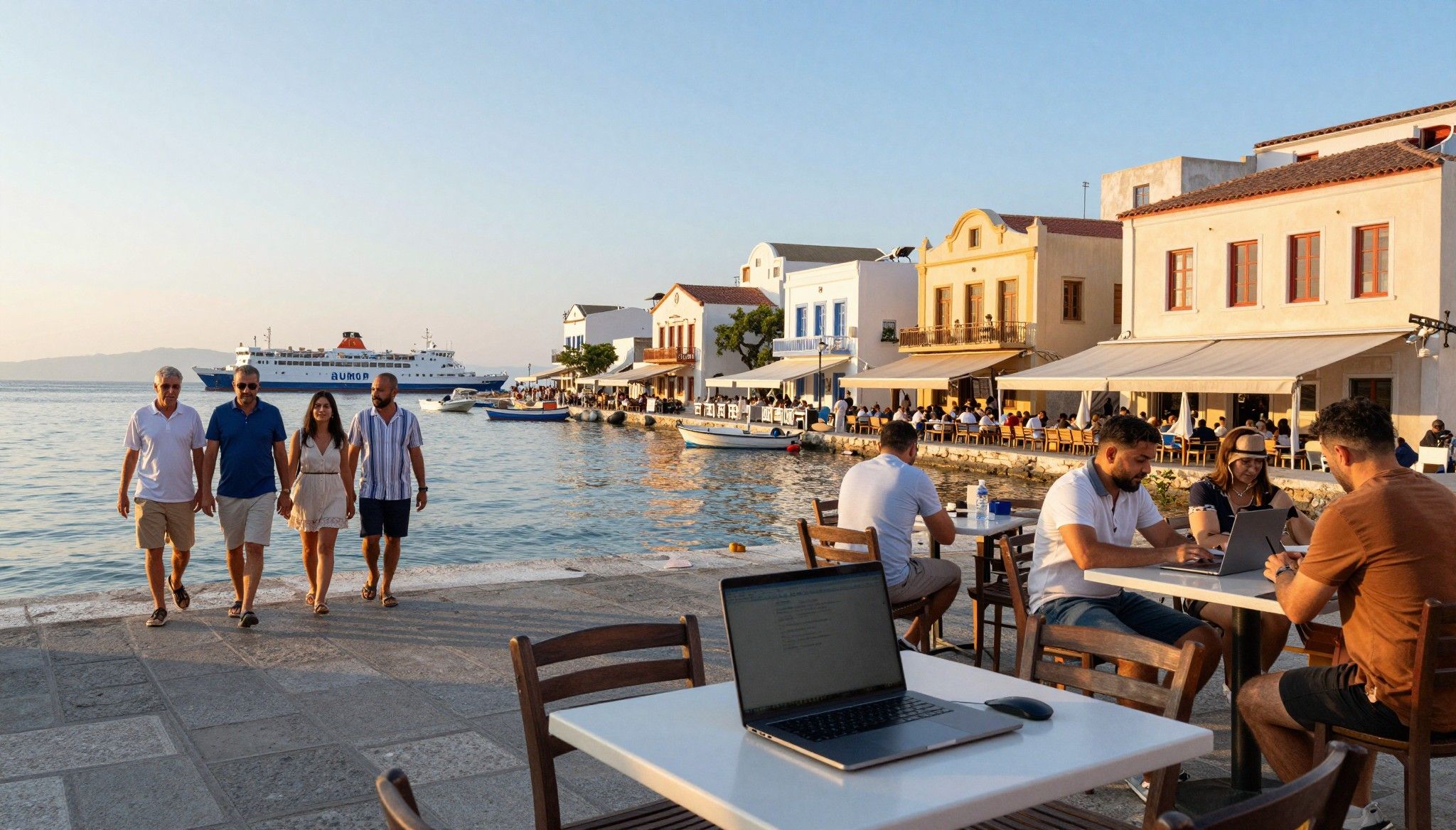
Italy feels like a postcard you can actually live inside: narrow laneways, bakeries that time their bread for morning crowds, late-afternoon passeggiatas, and neighbourhood bars that double as offices for freelancers. Day-to-day varies wildly by place — Milan hums with design-driven co-working and espresso-to-email routines, while Puglia or Liguria trade that rush for sea-scented afternoons and slower paces. For nomads, the magic is pairing the right local rhythm with a home that supports remote work: stable broadband, a comfortable desk, and a neighbourhood with decent cafés and meetups.
Neighborhood spotlight: Trastevere, Navigli, and Brera
Pick any classic Italian neighbourhood and you get a different story: Trastevere in Rome is twilight gelato and vine-covered alleys where neighbours know each other; Navigli in Milan is aperitivo-lined canals and creative meetups; Brera mixes art galleries and quiet cobbled mornings. These pockets matter because they shape how you live — morning coffee rituals, where you’ll meet other expats, and whether your local supermarket closes for riposo. When house-hunting, imagine an actual weekday here: where you’ll work, where you’ll run errands, and how the neighbourhood’s tempo will affect your productivity and social life.
Food, markets and seasons: living by taste
Food structures days in Italy: morning cornetti at Bar Pasticceria, weekly markets in Campo de' Fiori or Mercato di Testaccio, and Sunday lunches that can last all afternoon. Seasonal life matters — truffle season reshapes Piedmont and Tuscany for months, while summer brings a coastal tempo to Liguria and Puglia. For buyers, this means your ideal property depends on seasonal priorities: do you want sunlit terraces for summer, or cosy fireplaces and short walks to markets for winter?
- Mornings at local cafés; weekly open-air markets (e.g., Mercato Centrale in Florence); evening aperitivo along Naviglio Grande in Milan; weekend drives to vineyards in Langhe; coastal swims at Cala Goloritzé or Amalfi cliffs.
Making the move: practical considerations

Dreams are essential, but so is up-to-date market context. Italy’s market shows pockets of growth in cities like Milan and tourist hotspots, while many secondary towns remain affordable — ISTAT and market platforms confirm year-on-year shifts that differ by region. Before making offers, check local price trends and expected running costs, and match them to the visa route you plan to use so you don’t overextend on a property that won’t support your residency or cash flow needs.
Property styles that fit the nomad life
From historic centro apartments to renovated rural farmhouses, Italy’s housing stock is diverse. City flats give walkability and coworking access but may lack private outdoor space. Coastal villas offer terraces and sea air but mean seasonal living and maintenance. For remote workers, prioritise reliable internet (ask for provider names and speeds), a dedicated workspace, and flexible layouts that allow short-term rental when you travel.
Visa choices shape which properties make sense. The investor (so-called ‘golden’) and elective residence routes are popular: the investor visa attracts buyers planning significant capital flows, while the elective residence visa suits those who can show stable independent income but won’t work locally. Recent reporting shows investor visa interest has risen — pairing your chosen visa with the right property (liquidity, rental potential, local taxes) avoids surprises.
- 1. Confirm which visa you need and its minimum financial requirements. 2. Shortlist neighbourhoods that match daily life (co-working access, markets). 3. Verify broadband providers and test real speeds at the property. 4. Ask local agencies about seasonal rental demand if you plan to offset costs. 5. Work with a lawyer to check local zoning, restoration rules, and maintenance costs.
Insider knowledge: what expats wish they'd known
Moving to Italy is emotional and administrative in equal parts. Expats often underestimate bureaucracy timelines — permit stamps, municipal registrations, and utility setup can take weeks. They also underplay how much neighbourhood rhythm matters: your social life often forms around a single bar, market, or church square. Knowing both realities makes a smoother transition: plan for paperwork delays, and lean into local routines to build community fast.
Cultural integration, language and community
Learning basic Italian transforms logistics into invitations. Join a mercato shopping circle, a language exchange in a co-working space, or a weekend cooking class in Tuscany — these are where expats get invited to real life. Agencies that connect you to local networks (not just listings) create far more value than those that only email PDFs of apartments.
Long-term lifestyle and practical sustainability
Think beyond the purchase: maintenance for old stone buildings, heating in winter, and seasonal tourism that affects neighbourhood life. If you want year-round community, pick towns with a balanced resident base rather than purely tourist rentals. For investment-minded nomads, look for towns with rising local demand (Milan, Bologna, parts of Tuscany) while considering rural areas for lifestyle and price advantages.
- Prioritise: tested broadband providers; close coworking or cafe work options; a local contact who can manage maintenance; neighborhoods with year-round shops; clear understanding of seasonal costs and tourism cycles.
If Italy has seduced you, the final step is simple: match the life you want to the visa path that makes it legal and sustainable. Start with a short scouting trip, test a neighbourhood for a week, meet local agents who live there, and collect provider names (internet, utilities, cleaners). An agency that blends lifestyle knowledge with residency experience is your best ally — they’ll save months of trial-and-error and get you living the piazza life sooner.
Dutch investment strategist guiding buyers to Greece and Spain; practical financing, tax, and portfolio diversification.