Offer & Close in France: Lifestyle‑First Offer Strategy
Fall for French streets first, then make offers like a local: lifestyle cues, seasonal timing, and precise notarial checks backed by Notaires‑INSEE data.

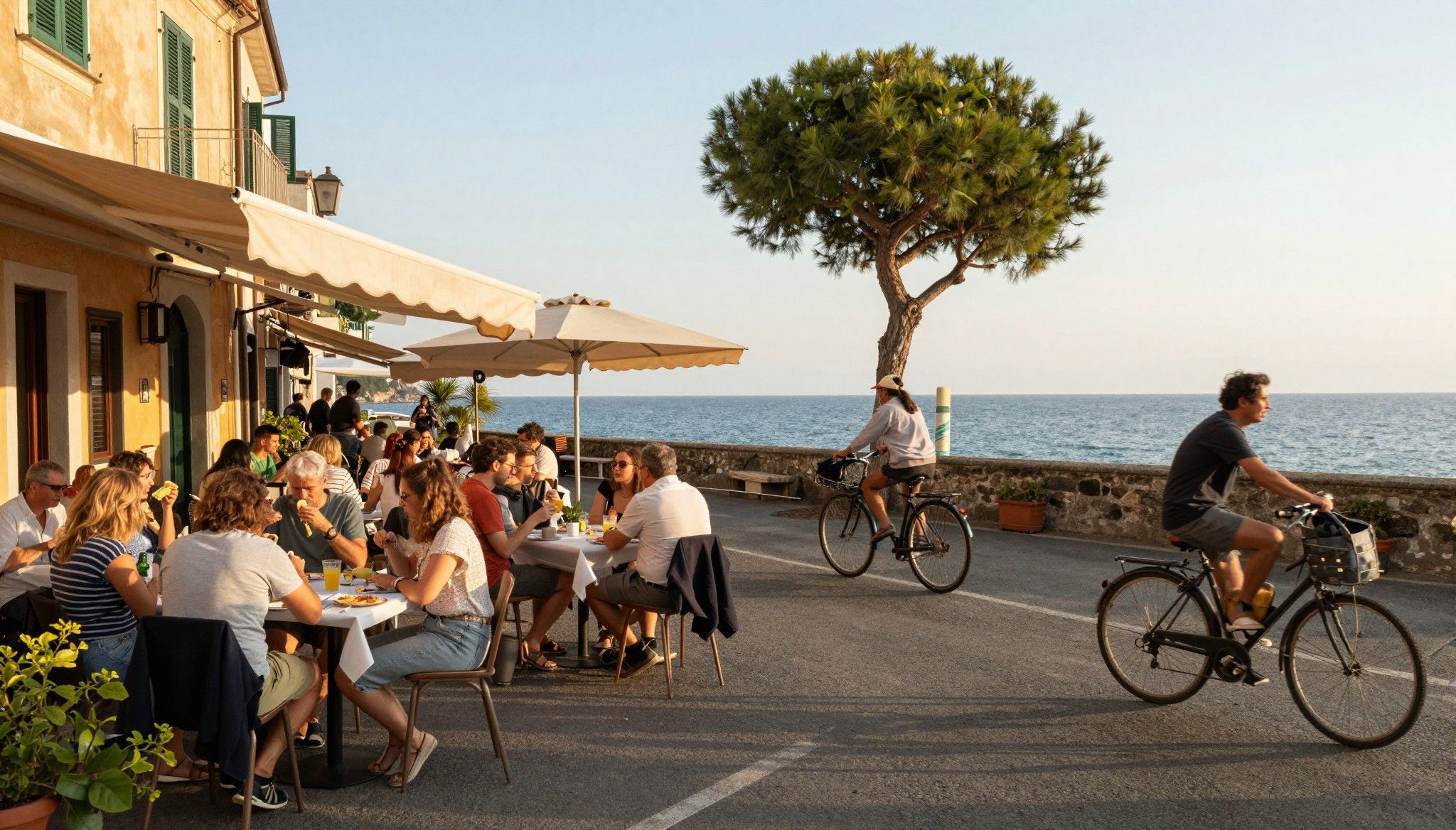
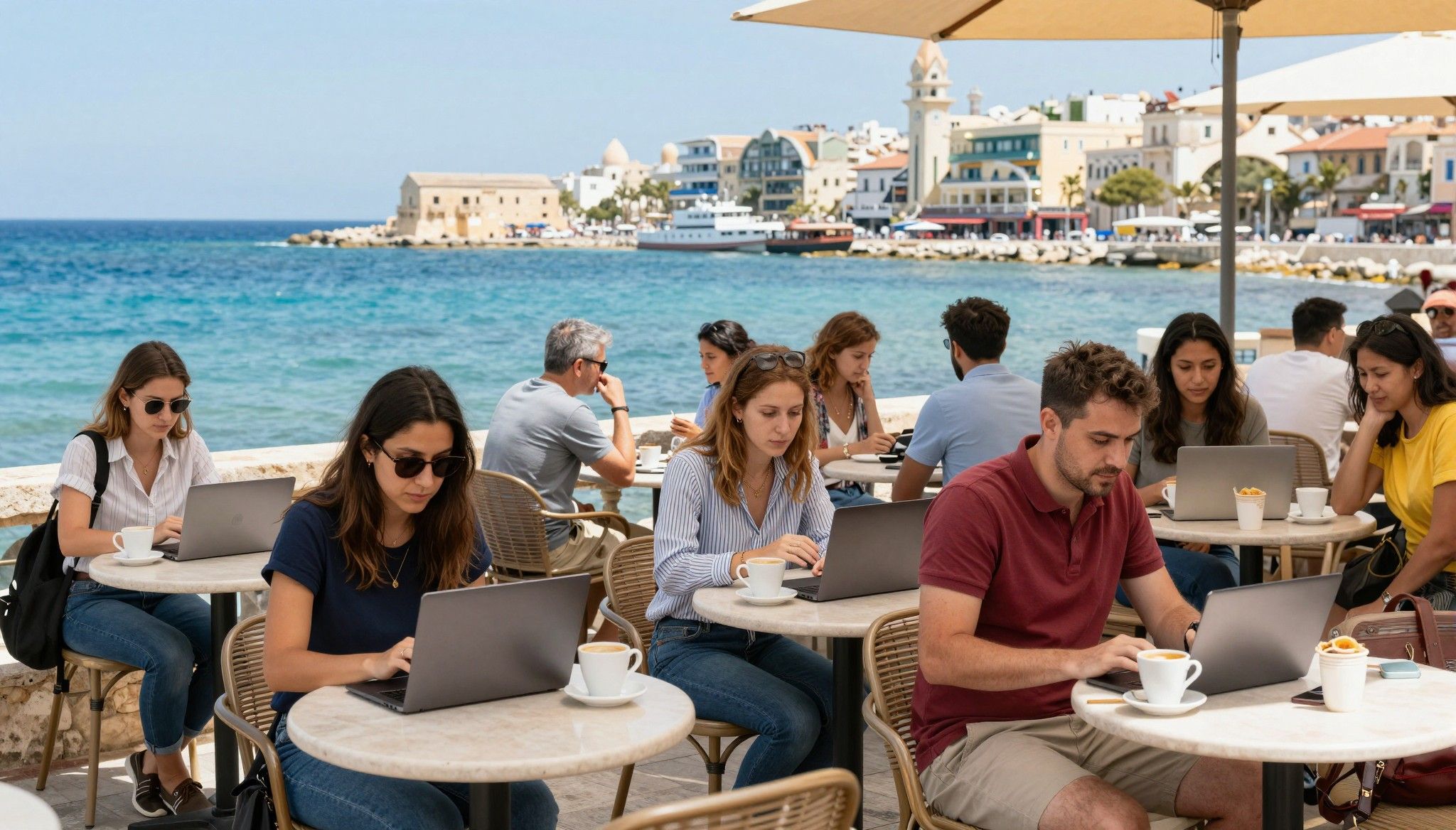
Imagine sipping an espresso at Café de Flore at 9 a.m., then closing your laptop at a sunny terrace in Saint‑Germain‑des‑Prés — and doing that most days. France is that delicious mix of slow mornings, energized city afternoons and weekend escapes to vineyards, beaches or mountains. For remote workers and nomads, the question isn’t just ‘can I buy here?’ but ‘where do I want my daily life to begin?’ Market data from the Notaires‑INSEE index shows prices stabilising in 2025, so your emotional read on neighbourhoods should be matched to practical timing when making an offer.
Living the French life — what you’ll actually wake up to
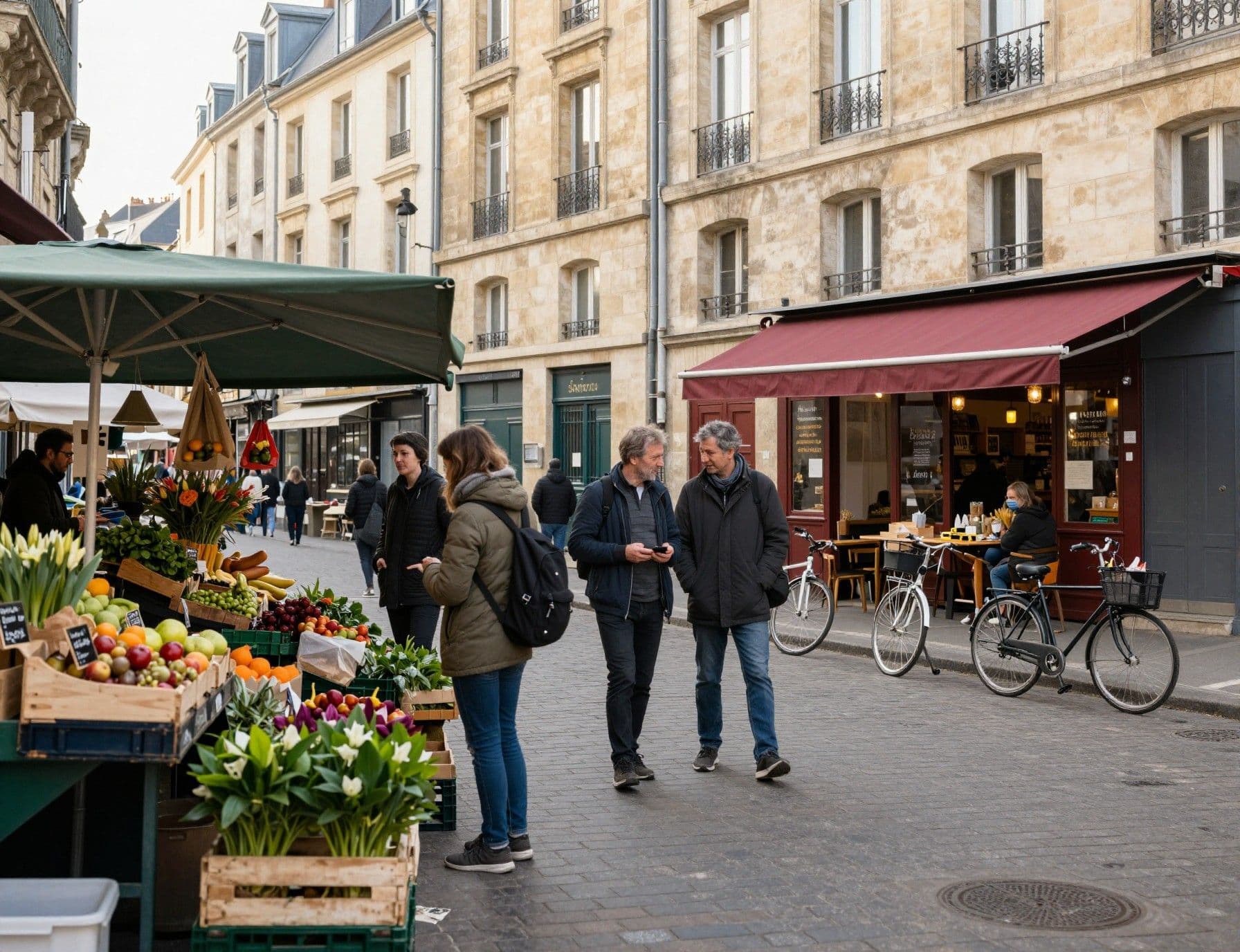
France is a set of daily rituals. In Marseille you’ll smell bouillabaisse and sea salt. In Lyon, markets brim with charcuterie and commuters hug the quais. Coastal towns on the Côte d’Azur trade morning calm for golden‑hour crowds; inland villages trade tourist gloss for real village squares and lively boulangeries. When house‑hunting here, feel the rhythm first — then let listings follow. A place that sings to your weekday routine will survive the small annoyances of renovation, taxes and paperwork.
Neighbourhood spotlight: Paris — arrondissements that fit a nomad life
Don’t fall for average‑Paris headlines. The 10th and 11th arrondissements hum with cafés, coworking spaces and after‑work life; the 5th and 6th offer classical charm (and higher prices). If you want leafy parks and calmer morning runs, look at the 12th or 20th. Recent notarial reports show price gaps across arrondissements remain wide — pick your energy, not just prestige, and you’ll get better lifestyle bang for your euro.
Food, markets and small rituals that shape where you buy
Weekly markets and neighbourhood boulangeries are non‑negotiable. In Bordeaux, the Marché des Capucins is a morning magnet; in Nice, the Cours Saleya defines summer afternoons. Those weekly patterns influence walkability, resale appeal and rental demand — properties within a 5–10 minute walk of a strong market usually keep value and rent better than places that rely on a car.
- Lifestyle highlights to look for when viewing (actual places to check): 1) Morning coffee ritual at a neighbourhood café (eg. Le Pain Quotidien in Lyon’s Presqu’île), 2) A busy weekly market (Cours Saleya, Nice; Marché Saint‑Quentin, Paris 10e), 3) Nearby coworking (La Cordée hubs in Grenoble and Bordeaux), 4) Easy train access for weekend escapes (TER/ SNCF links), 5) A lively town square with bars/restaurants that stay open late.
Making the move: practical steps that respect the lifestyle
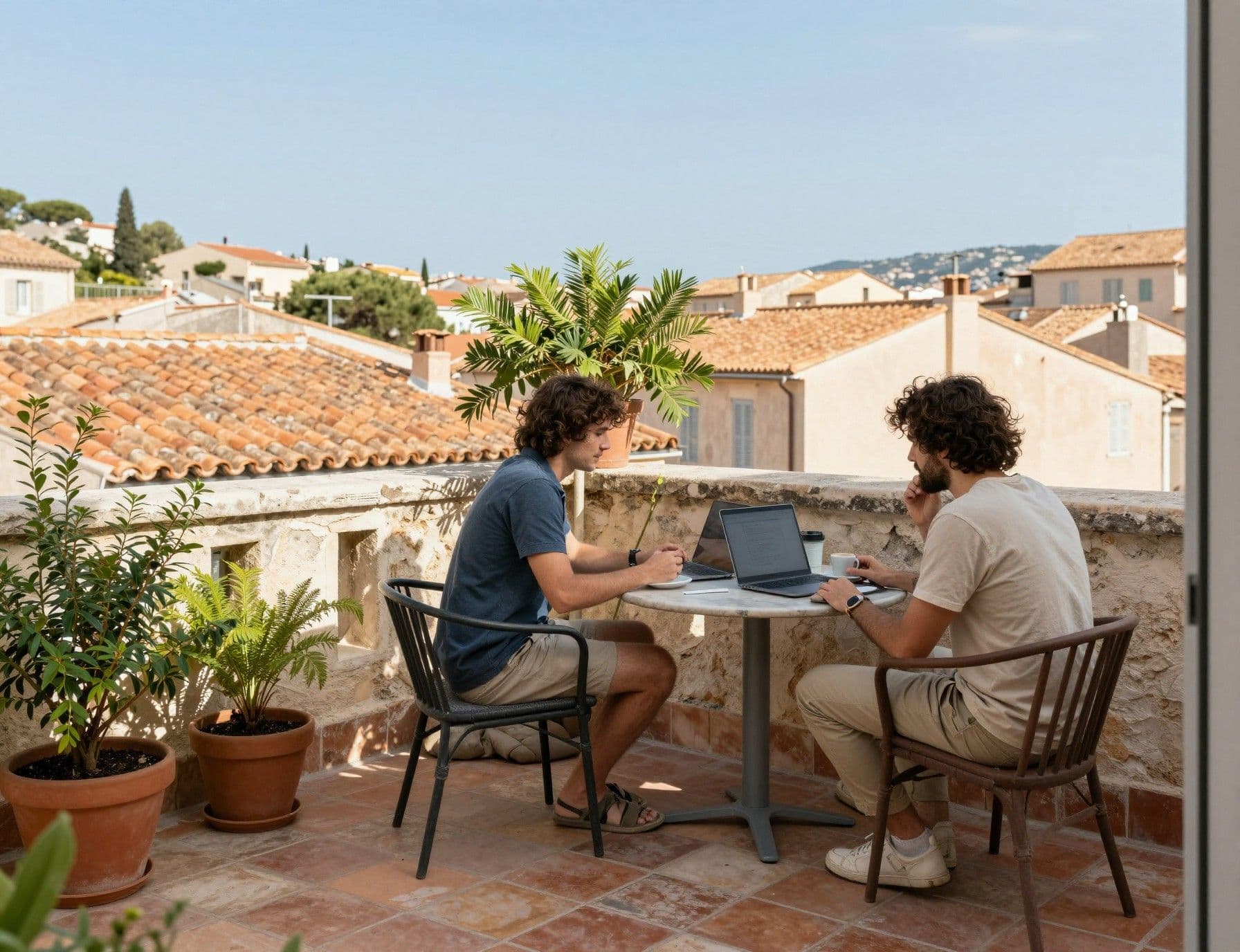
Turning that lifestyle dream into a signed deed means learning a few French customs: the compromis de vente, the role of the notaire, and the rhythm of offers. Unlike auction‑style markets, offers in France often take time — sellers expect formal pre‑contracts and a notaire to lead the closing. Use local experts early to translate neighbourhood vibe into legal and negotiation strategy.
Property types and how they shape daily life
A Haussmann flat in Paris gives you cafés at your feet but often means stairs, insulation quirks and no outdoor space. A Provençal farmhouse gives you gardens and seasonal living — plus heating and roof maintenance. New builds offer warranties and efficient heating but can feel quieter socially. Choose the property type that supports your work pattern: small apartment with great café access for urban nomads; house with garden and fibre for families or remote teams.
Work with experts who get both life and law
A confident offer balances emotion and evidence. Ask your agent for recent comparable sales (DVF/Demande de Valeur Foncière data is public), a rundown of local taxe foncière/taxe d’habitation exposure, and realistic timelines to signature. Use a bilingual notaire or translator for the compromis de vente and check cooling‑off timelines before transferring funds.
- Steps to make an offer that respects the French market: 1) Visit the property at least twice (different times of day), 2) Ask for recent comparable sales and the seller’s last taxe foncière bill, 3) Make a written offer that states your preferred closing window and any conditions (survey, mortgage), 4) When accepted, sign a compromis de vente and pay the deposit (usually 5–10%), 5) Instruct a notaire to run title searches and set a date for the acte de vente.
Insider knowledge: red flags, seasonal timing and negotiation secrets
Here’s the straight talk: French bureaucracy is friendlier if you come prepared. Local councils can add second‑home surtaxes in 'zones tendues' (tight housing areas), and taxe foncière amounts vary dramatically by commune. Recent reporting shows councils are using second‑home levies more often — always ask if the property sits in a zone tendue before you bid.
Red flags that should pause your bid
- Red flags to watch for when viewing: 1) No recent energy diagnostic (DPE) or a very poor rating without a plan, 2) Unclear boundaries or missing building permits for extensions, 3) An unusually low asking price with frequent listing changes, 4) Communal charges in older co‑ops that include deferred major works, 5) No proof of recent taxe foncière or rising municipal surcharges.
When to buy: the surprising season to make offers
Contrary to the summer dream, late autumn and winter can be the wisest time to make offers. Fewer buyers view properties, motivated sellers are more realistic, and local agents often push through quieter‑season bargains. Notaire data from 2024–25 shows stabilisation across many regions — that small seasonal edge can make a tangible difference on negotiation leverage.
What expats wish they’d known — long term lifestyle and closing tips
Expats tell a common story: they fell for the street before the paperwork. Later they learned that utility hook‑ups, fibre installation, and neighbourhood membership (think: local associations, syndic) define how quickly you settle. Factor these into your offer: set realistic timelines for work permits, bank account approvals and any renovation plans so the act of buying becomes the start of living — not an ongoing admin headache.
Long‑term checks before the final signature
- Final checks to demand before acte de vente: 1) Up‑to‑date DPE and any mandatory diagnostics, 2) Minutes from last three copropriété meetings and a summary of planned works, 3) Exact taxe foncière and any second‑home surtax exposure, 4) Clear title and no outstanding servitudes or mortgages, 5) A local advisor’s estimate on renovation cost and internet connectivity options.
France is never just a property purchase — it’s a daily life purchase. If the market data (see Notaires‑INSEE and local reports) says prices are stabilising, your strategy should be lifestyle‑first and paperwork‑smart. Visit the street, sit with a coffee, then call a bilingual notaire and an agent who knows the neighbourhood’s rhythm. That pairing — love for the place plus legal clarity — is how you win both the offer and the life that follows.
- Quick next steps for a confident offer: 1) Shortlist 3 neighbourhoods and visit at different times, 2) Request 6‑12 months of comparable sales and the seller’s taxe foncière bill, 3) Get a pre‑approval from a French bank or mortgage broker, 4) Draft an offer with a local agent and set a realistic closing window, 5) Instruct a notaire to begin title searches immediately after the compromis.
Sources: Notaires‑INSEE price index; Connexion France reporting on tax and market trends; PropertyGuides overview of the French buying process. Use these to back your offer decisions and ask your agent to provide the local DVF comparables when you’re ready to bid.
Swedish, relocated to Marbella in 2018 to chase sun and property freedom. Focus on legal navigation and tax for Nordic buyers.