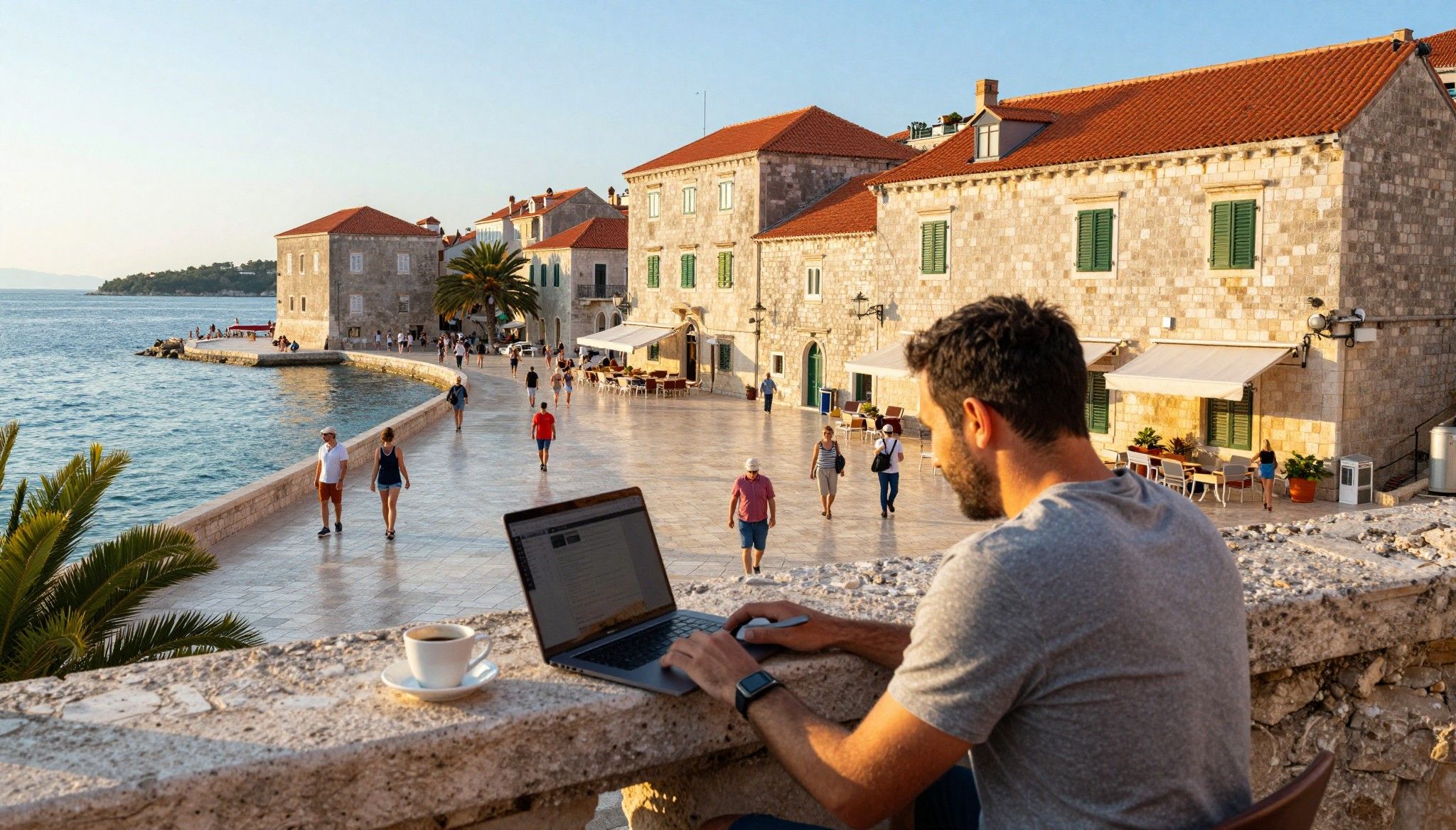
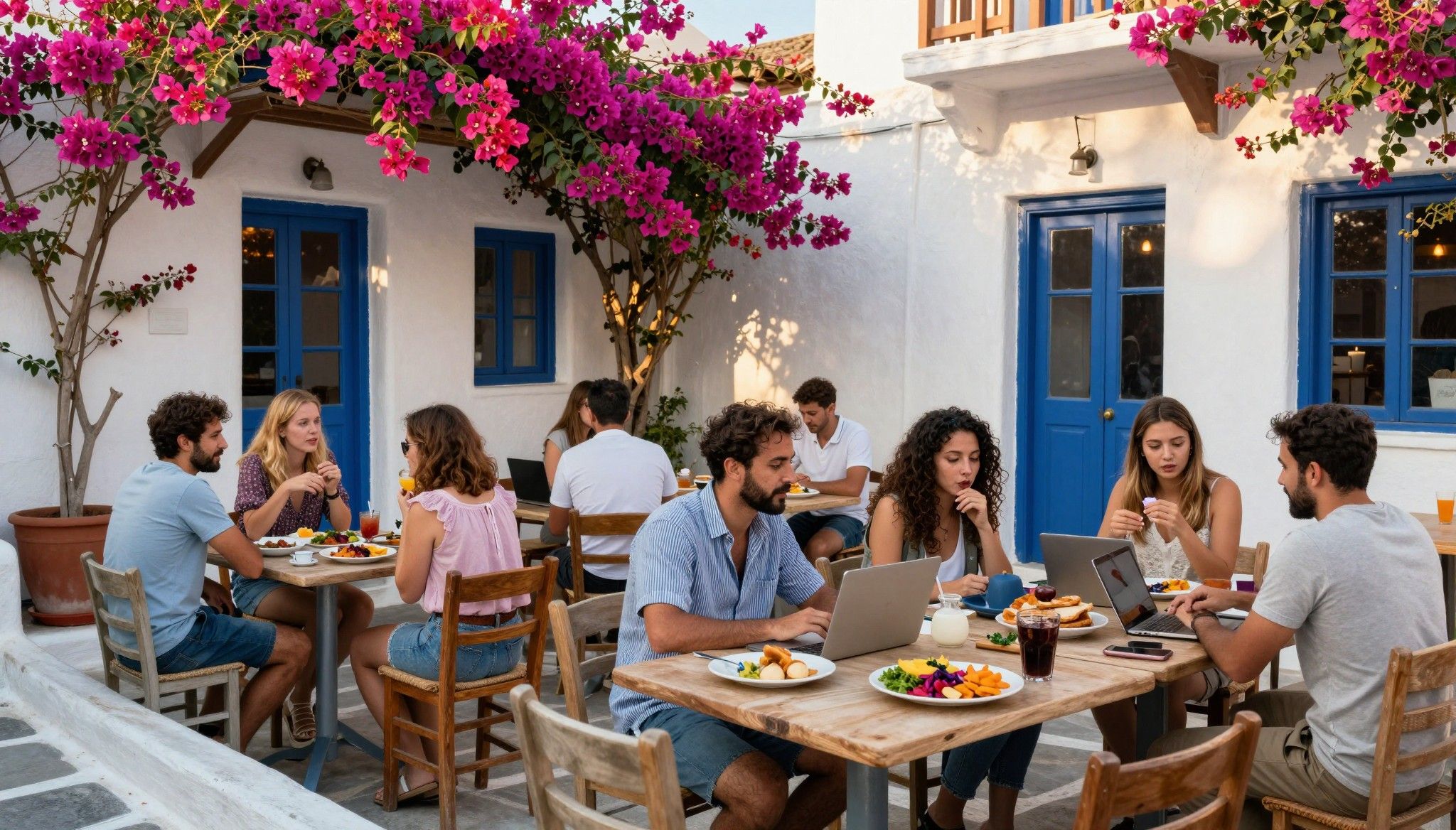
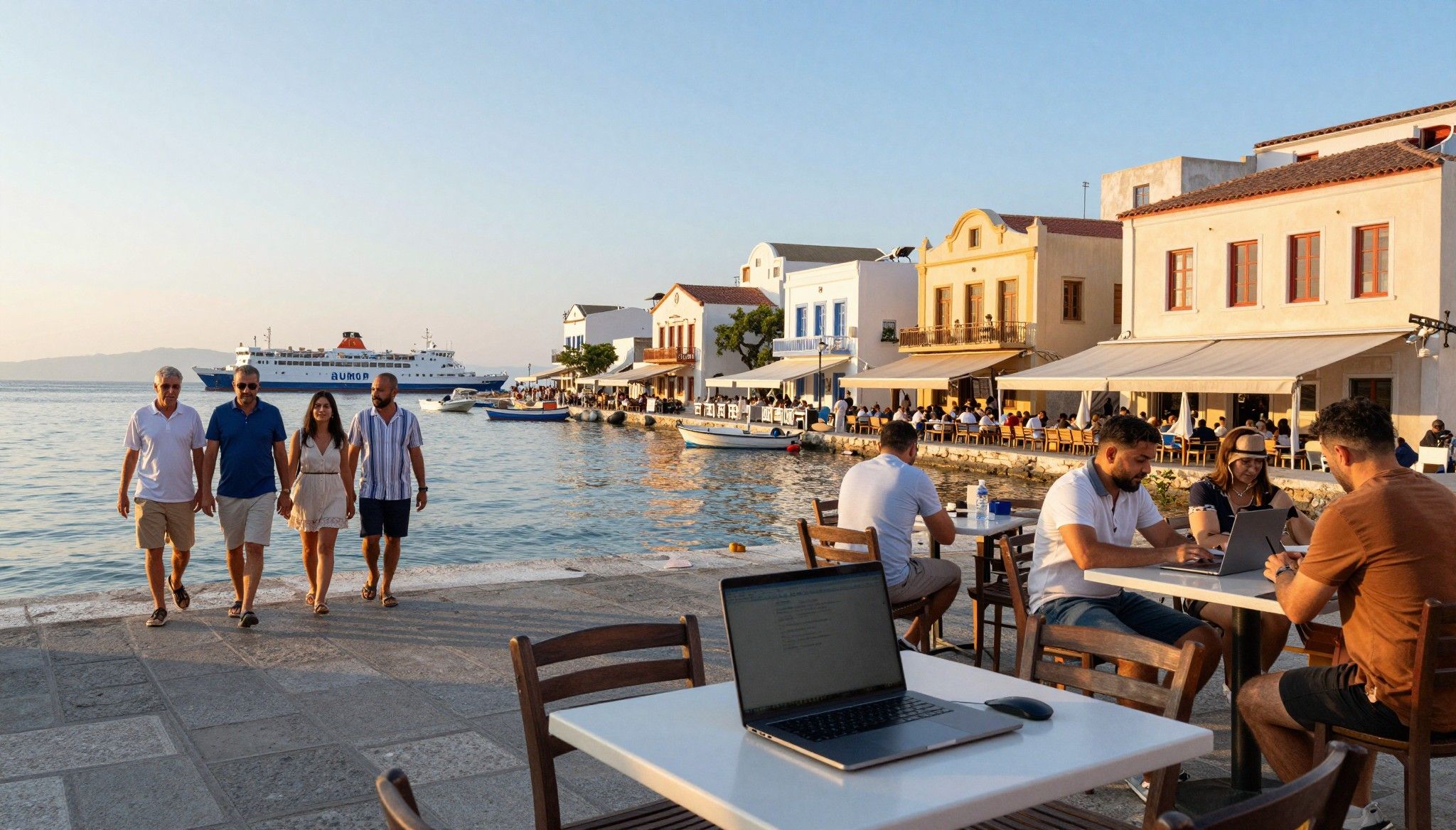
Skip the Tourist Trap: Neighbourhoods Italians Choose
Forget postcard hotspots. Choose the streets Italians actually live on—mixing market life, coworking access and real price signals to match your nomad rhythm.
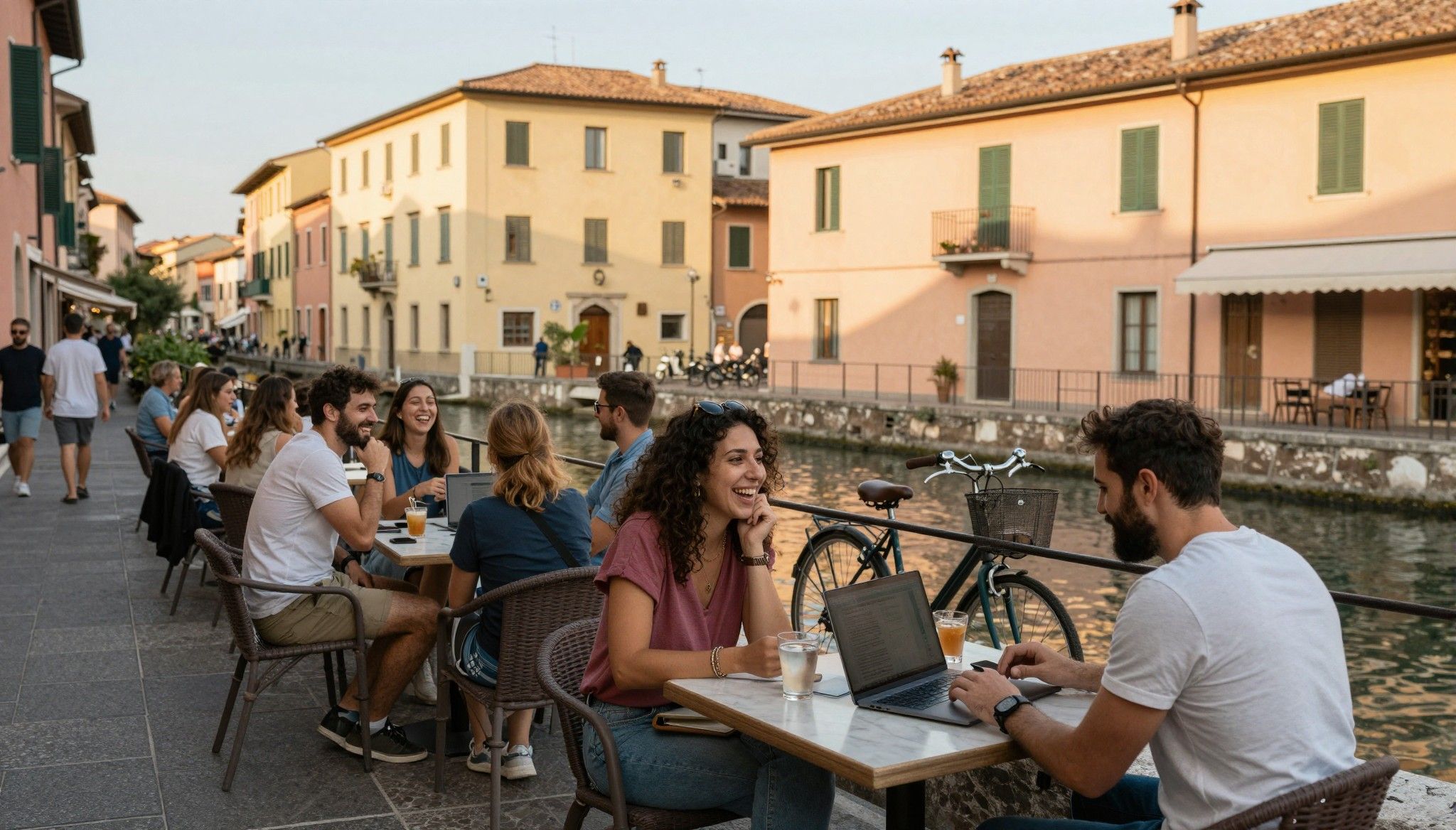
Imagine stepping off a train in a narrow piazza at 9am, breathing in espresso steam and hearing the bakery owner call out the day’s focaccia — and then walking five minutes to a bright coworking space where a group of freelance designers swap project tips. That’s Italy for many nomads: historic texture and modern routines braided together. But where you live — the street, the mercato, the coffee bar — changes the whole story. This piece points you to neighbourhoods locals actually choose, not the tourist highlights, and mixes sensory life-within-Italy with market facts to help you make a confident move.
Living the Italy lifestyle

Italy’s daily rhythm is small-scale ritual: morning espresso, a late lunch that stretches, and evening passeggiata (the stroll). In cities you’ll find pocket parks, corner bakeries and streets that change character by the block. Coastal towns swap morning markets for beachside aperitivi. For nomads that means lifestyle choices are granular — one street can be work-friendly and the next a loud tourist strip. Think walkability, café Wi‑Fi, nearby grocery markets and quiet corners for focus.
Spotlight: Milan’s Navigli vs. Isola
Navigli feels buzzy: canals, evening crowds and lively bars — fantastic for after-work social life but noisy if you need midday focus. Isola, a few tram stops away, is where locals and young professionals actually buy: quieter streets, independent cafés, better long-term vibes and easy coworking access. For remote work, that difference matters more than a canal view.
Spotlight: Palermo’s Ballarò market streets
Ballarò is sensory overload in a good way: loud vendors, spice-scented alleys and a strong sense of community. Tourists come for the food; locals stay for the networks. Properties here can be very affordable compared with Palermo’s historic centro, and you’ll trade pristine facades for authentic daily life and extraordinary street food — perfect if you want immersion and lower entry prices.
- Lifestyle highlights: local favourites and hidden gems
- Morning espresso at Bar Luce (Milan) and a quick co‑working check-in at a nearby space
- Saturday mercato finds: fresh fish in Naples’ Mercato di Porta Nolana or vegetables at Florence’s Sant’Ambrogio
- Sunset aperitivo on Genoa’s Boccadasse promenade and short commutes back to neighborhood apartments
Making the move: practical considerations
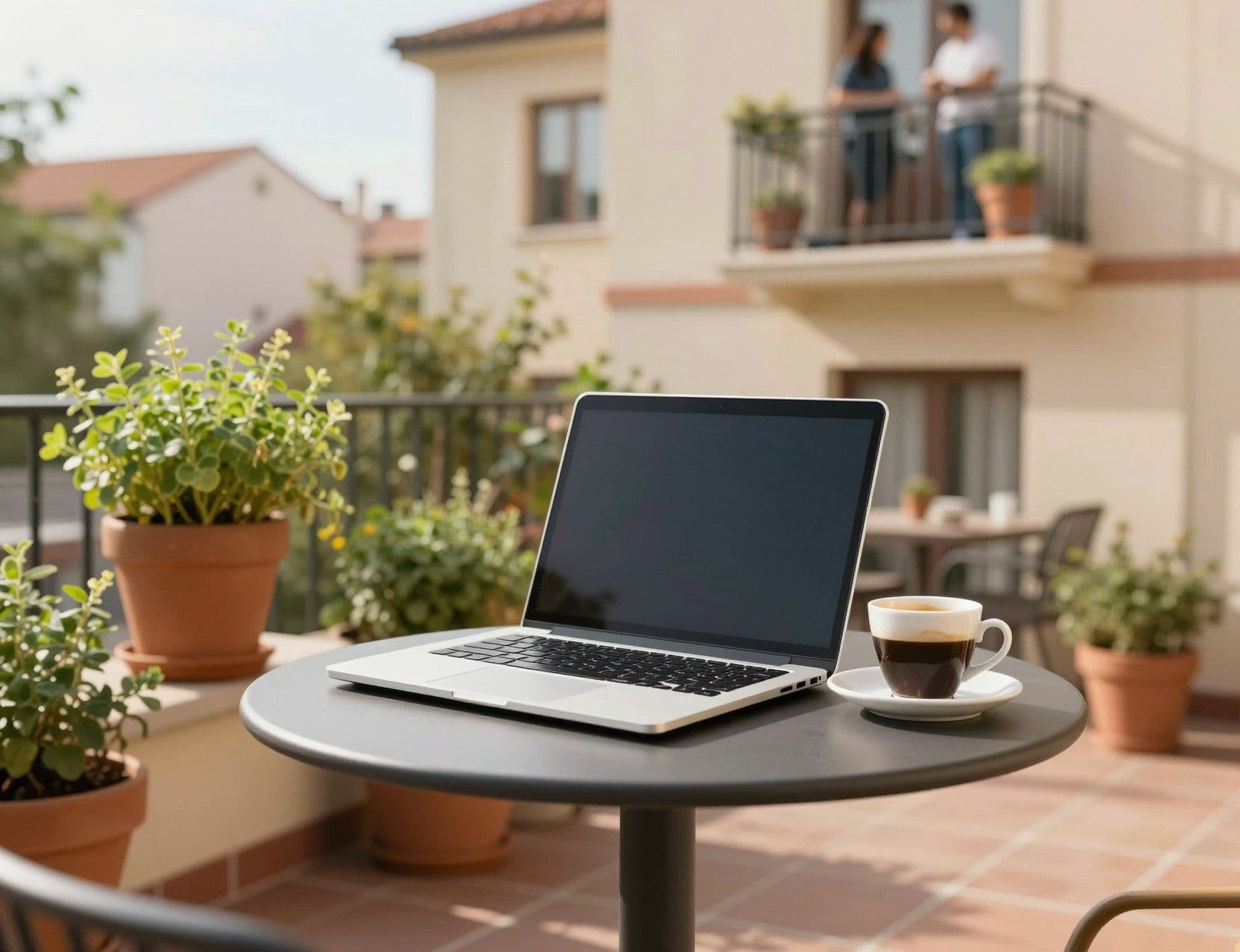
Italy’s market is regional: prices in Milan, Florence and coastal hotspots have outpaced many inland towns, but national data show steady, moderate growth rather than bubbles. Recent ISTAT house price updates show nationwide increases in 2024–2025, with notable variation by region. That means street-level choice — choosing Isola over Navigli, or a quiet Palermo alley over the centro — can yield very different price and lifestyle outcomes. Use national trend data as context, but plan street-level scouting for real answers.
Property styles and how you’ll live in them
Classic Italian apartments (high ceilings, shuttered windows) are charming but often lack insulation and modern wiring — important if you need reliable internet. Newer conversions and small contemporary blocks offer better work‑from‑home setups but cost more. In towns like Puglia’s Ostuni or Umbria’s small hill towns you get terraces and outdoor space for the price of central-city conveniences. Decide what tradeoffs you accept: authentic charm vs. plug-and-play tech.
Work with local experts who know the rhythm
Local agents and specialist relocation agencies save you time. They know which pockets have fast fibre, which condominium boards approve short-term rentals, and which streets are calming at midday. For digital nomads, scout areas with coworking density — northern Italy hosts most spaces, and Milan is the clear hub — and confirm broadband availability before you sign. Agencies also guide visa-savvy buyers who will use Italy’s digital nomad permit or other residency routes.
- Steps that blend lifestyle and purchase practicalities
- 1. Short-list three streets, not just three towns: test mornings, afternoons and evenings to feel real rhythm.
- 2. Confirm internet—ask for real speed tests from the seller or agent (fibre vs. ADSL matters for remote work).
- 3. Check local grocery and market access: daily life in Italy is made of quick, regular shopping trips.
- 4. Meet a local agent and a neighbour: get unfiltered intel on noise, drainage, and condo rules.
Insider knowledge: what expats wish they’d known
People tell us the same things: you’ll get the life you want if you pick the right micro-neighborhood; learn a few Italian phrases to unlock local kindness; and don’t expect every charming building to have modern utilities. Digital nomad visas exist now, but the bureaucracy can lag — plan for timelines and get professional help. The reward is real: friendships, markets you grow fond of, and a home that feels woven into local time.
Integration, language and community
Locals appreciate effort. Learn basic Italian for market banter and building meetings. Join neighbourhood groups, an English‑friendly coworking hub, or a cooking class to meet both locals and expats. Small towns reward participation; big cities reward niche contribution (organize a meetup, join a coliving community).
Long-term lifestyle and property realities
Over time your priorities change. The terrace you loved for summer sunsets might feel isolating in winter; a commuter-friendly neighborhood might become more attractive if you start a local business. Think about seasonality: coastal towns swell in summer and quiet in winter; mountain and inland towns can be pleasantly steady year-round. Align your property choice with the life you want 12–36 months from now.
- Red flags local buyers avoid
- Repeated water damage traces (ask neighbours and check municipal records)
- No fibre availability in a building if you rely on stable remote work
- Condo rules that ban short-term rentals if you plan occasional Airbnb income
Conclusion: fall in love, then check the facts. Start with streets and cafés that match your daily ideal. Use national data (ISTAT, industry reports) to set expectations, but let neighbourhood rhythms determine the final choice. Work with a local agent who knows the difference between a tourist postcard and a livable street. If you want, we can shortlist three Italian micro-neighbourhoods that match your work rhythm and budget — and show you what a week living there actually feels like.
Danish investor and relocation advisor focusing on Portugal and the Algarve; loves coworking culture and expat networks.