Where Buyers Overlook Value on Croatia’s Coast
Love Croatia’s coast — but do the legal homework. From reciprocity rules to the 3% transfer tax, practical due diligence unlocks the lifestyle without surprises.
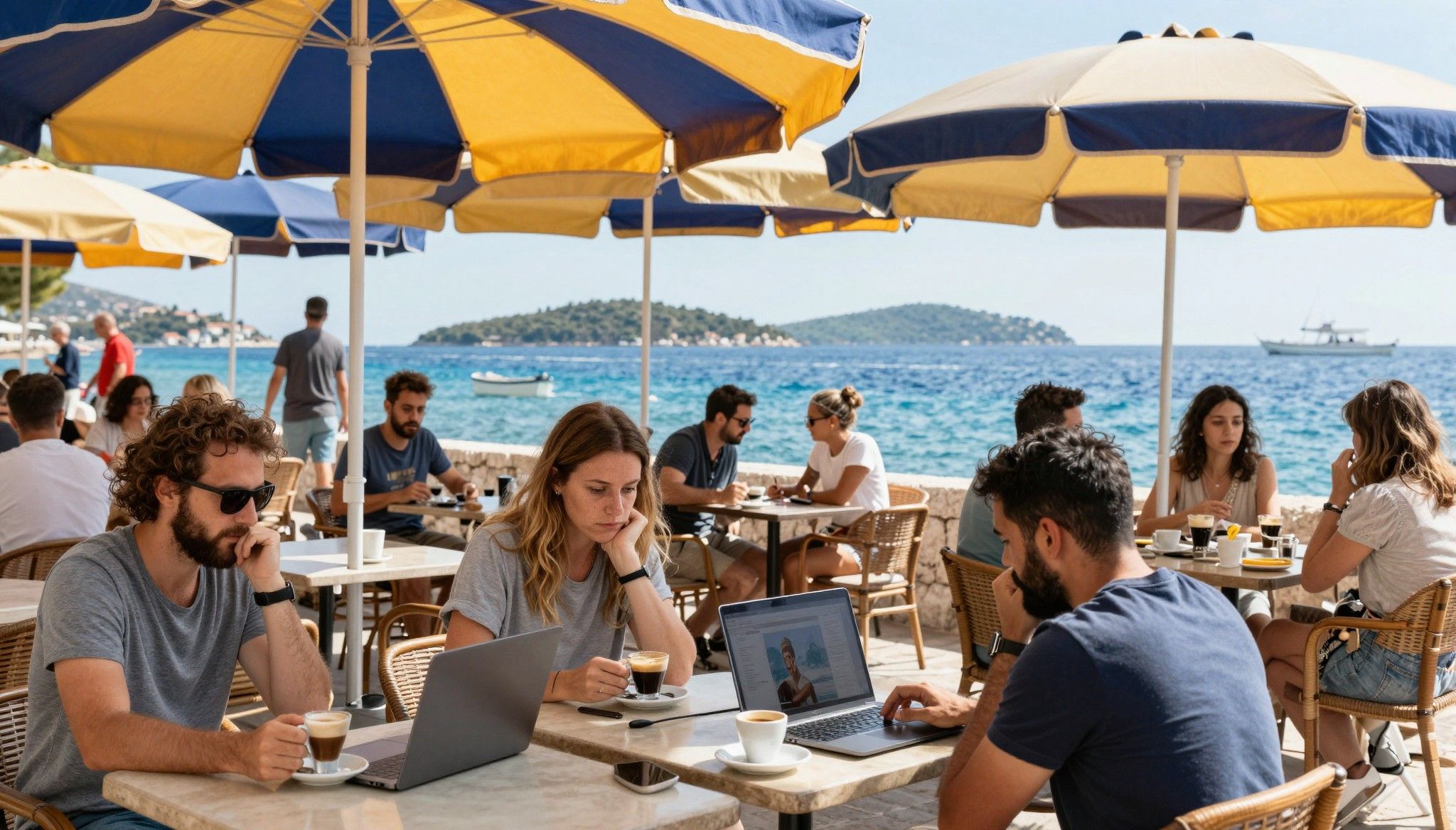
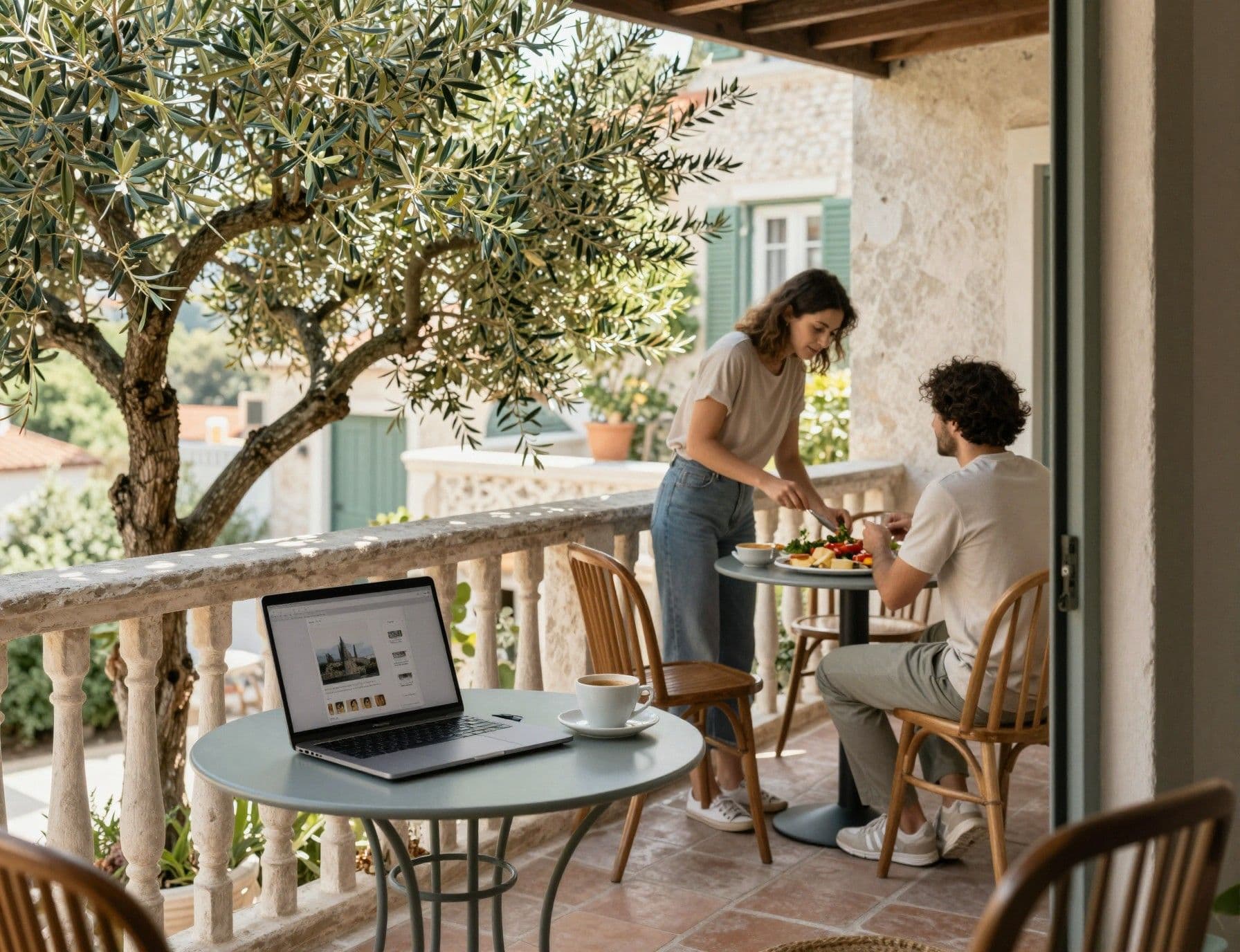
Imagine sipping espresso at a sunlit café on Split’s Riva, then walking five minutes to a quiet alley where a crumbling stone house sits with a balcony that frames the sea. That contrast — postcard coastlines and unpolished opportunity — is Croatia. It’s a place where lifestyle romance meets legal quirks: EU ease for many buyers, reciprocity checks for others, and a fast-rising market that rewards care. If you want the life — beach mornings, cobbled evenings, markets full of fresh fish — you also need a due-diligence plan that protects that dream.
Living the Croatian lifestyle
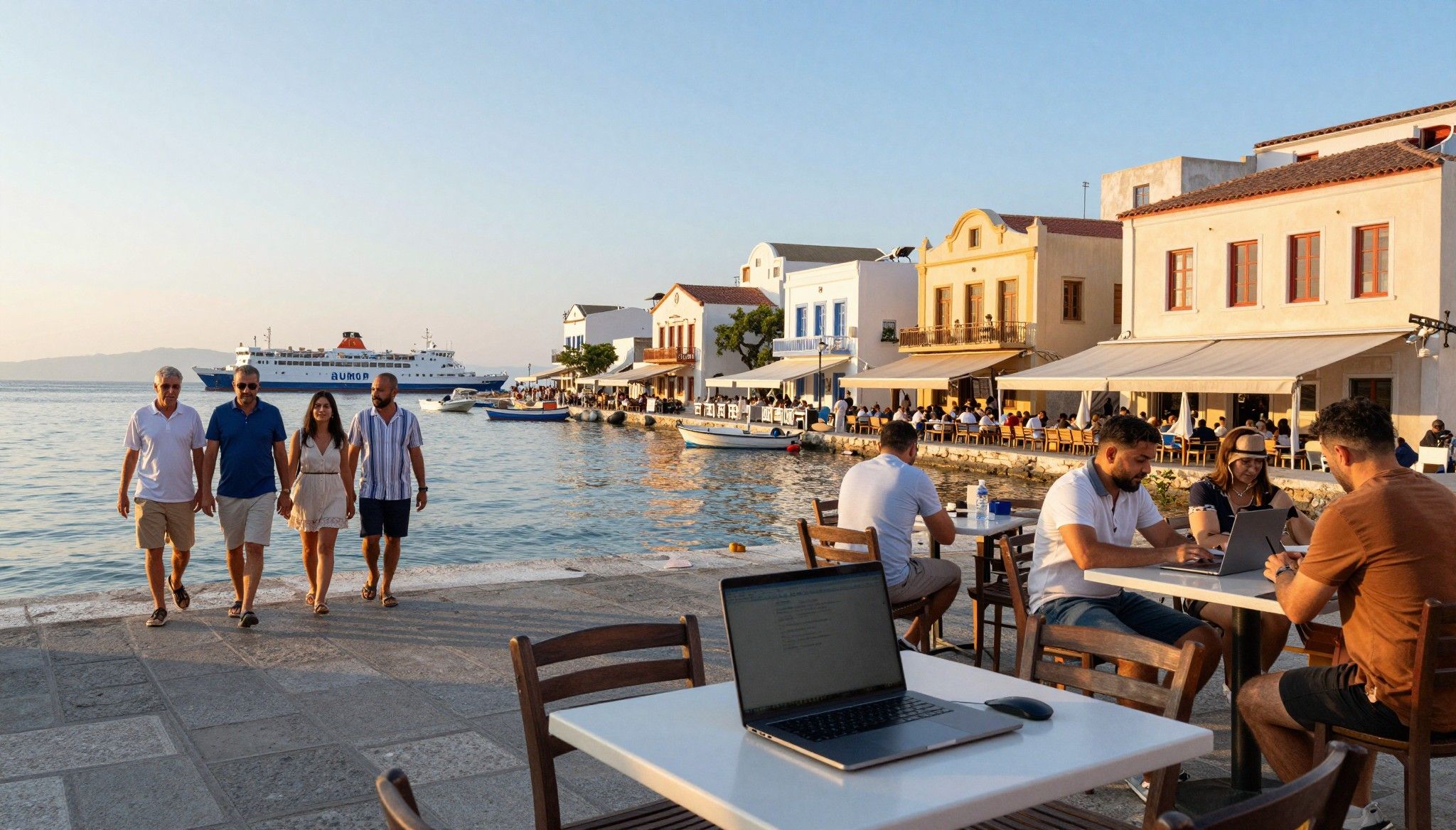
Croatia moves at a Mediterranean pace: late breakfasts, long walks along the Adriatic, and local conversations that spill from cafes into afternoons. Cities like Zagreb hum with creative energy and coworking spots; Split and Dubrovnik blend history with summer buzz; Istria and the islands give you slow living, truffle hunts, and vineyard weekends. For a nomad, it’s about finding the pocket that matches your rhythm — quiet island mornings or an urban flat with 300 Mbps fibre and a lively evening scene.
Neighborhood spotlight: Split’s Varoš & Žnjan
Varoš — a warren of stone streets under the old town walls — feels like living inside a photograph: tiny konobas (taverns), morning light on limestone, narrow terraces. Contrast that with Žnjan: newer developments, pebble beaches, and apartments aimed at longer stays. Varoš trades room for romance; Žnjan trades charm for modern amenities and often better workspace setups. Both work for nomads — just different daily routines.
Food, markets and weekly rhythms
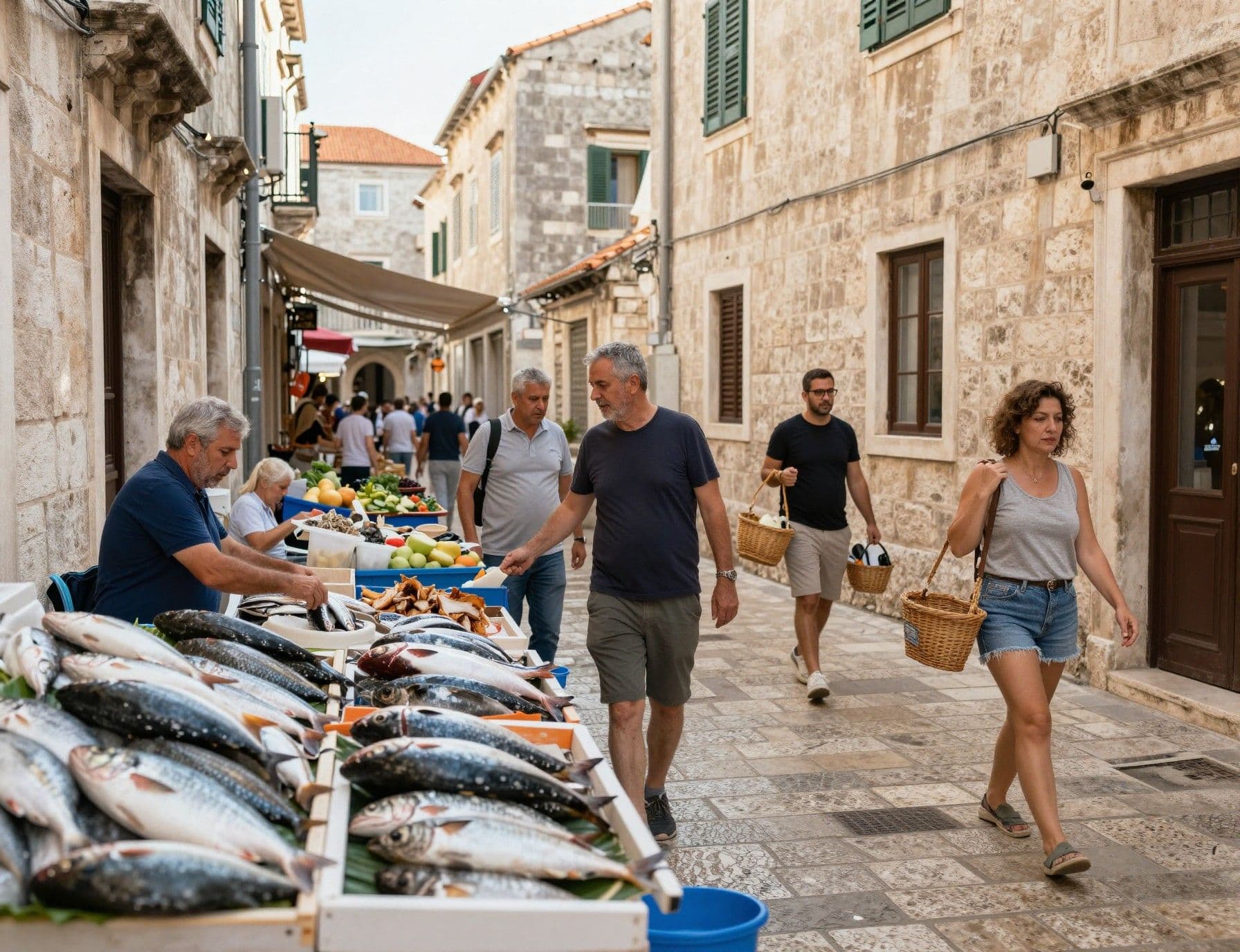
Picture Friday market runs in Hvar, fish grilled the same afternoon, and slow Sunday lunches with local olive oil and wine. Istrian towns like Rovinj have truffle stands and a culinary calendar; Zagreb’s Dolac market is for weekday shopping and café meetups. These rhythms shape where you want to live: proximity to markets and a walkable street means you’ll actually use them — and they add resale value.
- Lifestyle highlights: local cafés (Split’s Kavana Procaffe), island beaches (Brač’s Zlatni Rat), evening promenades (Dubrovnik’s Stradun), weekly markets (Zadar Market), coworking hubs (Zagreb’s Hub385).
Making the move: practical considerations
The dream must meet paperwork. Croatia’s market has seen strong price growth in recent years, and rules around foreign ownership and taxes are important to understand early. For EU/EEA/EEA‑adjacent nationals, purchase is straightforward; for many non-EU buyers, the Ministry of Justice requires reciprocity checks — a process that can add months. Taxes like the 3% real estate transfer tax or 25% VAT on some new builds change the true price of a property, so budget beyond the listing.
Property styles and what they mean for living
Stone historic homes in Dalmatia come with charm — thick walls, terraces, and tax‑friendly tourism potential — but they’re rarely plug‑and‑play. New builds in Rijeka or newer coastal complexes offer modern insulation and reliable broadband but less character. Match the property type to how you’ll live: restoration projects for long‑term lovers of craft; modern apartments for reliable remote work setups.
Working with local experts
Because of reciprocity rules and local notary practices, a Croatian lawyer and an agency familiar with expat purchases are non‑negotiable. Expect your lawyer to check title history, municipal zoning, and any outstanding debts, while agencies can steer you to neighborhoods that fit nomad life. Use a local notary for the closing and insist on seeing the land registry extract (zemljišna knjiga) before you sign.
- Step-by-step due diligence (practical checklist): 1) Verify seller’s title in the land registry and request a recent extract. 2) Ask for a utility and maintenance debt certificate from the seller. 3) Confirm whether VAT applies (new build) or the 3% transfer tax. 4) If non‑EU, confirm reciprocity and start ministry approvals early. 5) Commission a structural and electrical inspection before exchange. 6) Have a lawyer draft/translate the preliminary contract with clear conditions.
Insider knowledge: what expats wish they’d known
Expats often tell the same story: fall in love with a place, rush to make an offer, then discover zoning limits, tiny hidden fees, or delayed ministry approvals. Croatia’s house price index has risen noticeably in recent years, driven by coastal demand, so buying fast without checks can mean paying a premium for avoidable issues. A slower, methodical purchase gives you leverage and clarity.
Cultural & community cues that affect buying
Croatian communities value relationships. Sellers often prefer buyers who show genuine interest in the neighborhood and the property’s history. Learning a few phrases, meeting neighbors, or attending a local market can smooth negotiations and reveal unadvertised facts about a property. Expect a bit of paperwork formality and slower administrative timelines compared with some northern markets.
Long-term practical lifestyle considerations
Think beyond purchase: local property management, tourist rental rules if you plan to let, and municipal plans that could change views or noise levels. Budget 3% transfer tax where VAT doesn’t apply, and factor in annual utility and communal costs — small seaside properties can have surprisingly high maintenance. Good local management keeps the lifestyle intact when you’re remote.
- Red flags to spot before you buy: - No recent extract from the land registry. - Sellers pressuring for cash payments or bypassing notary. - Missing building permits or unclear renovation history. - Unpaid utility/condo debts attached to the unit. - Long, unexplained delays in reciprocity approval for non‑EU buyers.
If you’re already picturing life in a sunlit Dalmatian courtyard, remember: the right local team turns that image into a secure investment. Start with a lawyer who reads land-registry entries like a translator, an agency that knows late‑season bargains, and a practical inspection that saves you renovation heartache. Croatia rewards thoughtful buyers who respect both the romance and the rules.
Next steps
Book a local lawyer consult, request the latest land‑registry extract, and schedule a mid‑week viewing (you’ll see the real neighborhood energy). If you’re non‑EU, begin reciprocity checks early; if you’re EU/EEA, focus on inspections and tax implications. Come for the lifestyle, stay protected by due diligence.
Danish investor and relocation advisor focusing on Portugal and the Algarve; loves coworking culture and expat networks.