Why Italy’s Quiet Towns Are Nomad Gold (Visa Paths)
Forget headline cities — quieter Italian towns give nomads richer daily life and workable visa paths. Learn Elective Residency and Investor options plus market reality.
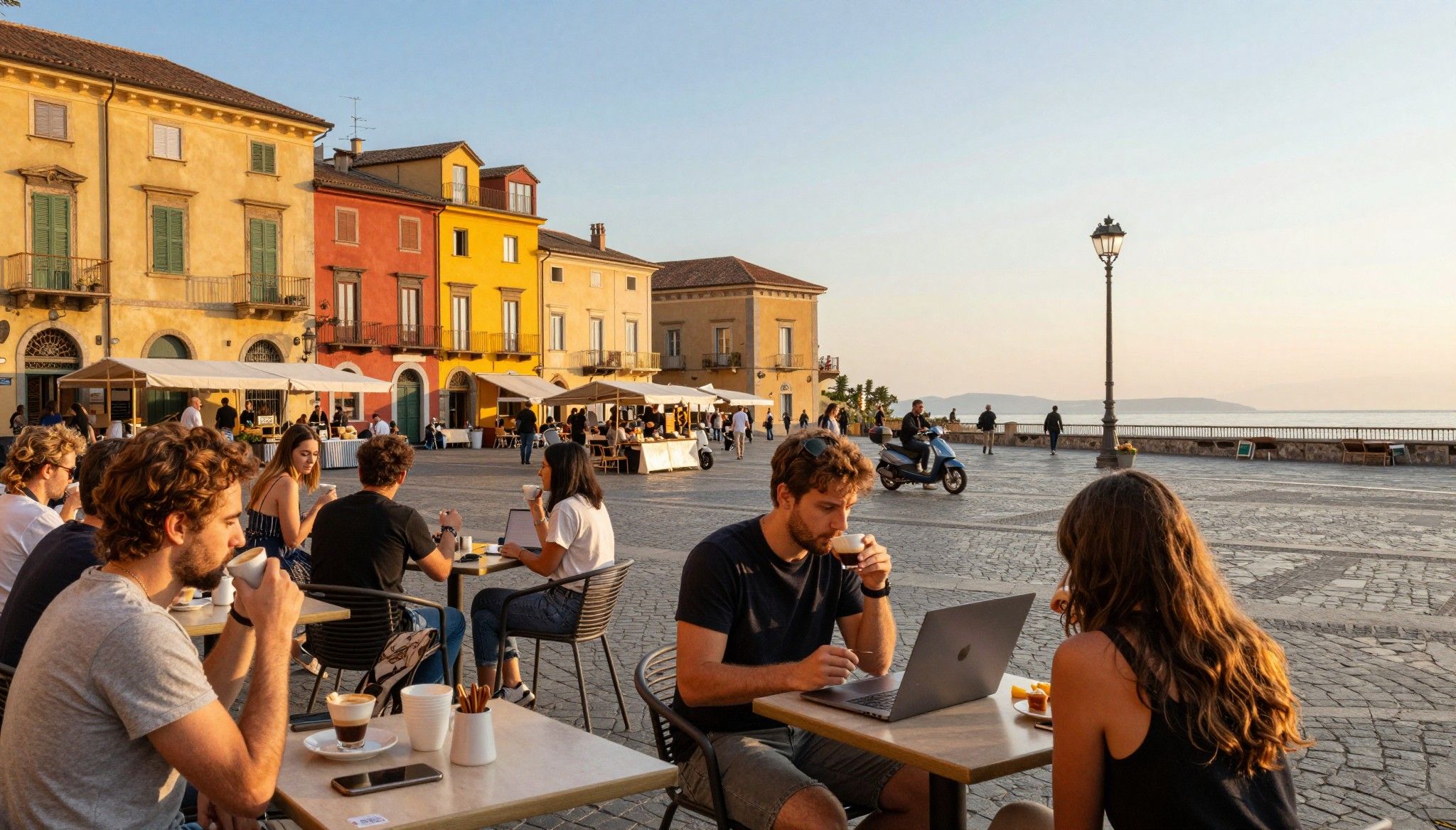
Imagine sipping a morning espresso on a narrow piazza in Puglia, then settling into a sunlit rooftop to take a two‑hour work sprint. Italy makes that scene possible — not just in Florence or Rome, but in towns that still feel off‑radar. This article flips the usual sales pitch: instead of chasing headline cities, I’ll show you how quieter Italian places deliver the lifestyle you want and practical visa routes that actually work for nomads. You’ll get sensory neighborhood snapshots plus concrete residency options backed by official guidelines and market data.
Living the Italy life: more than postcards
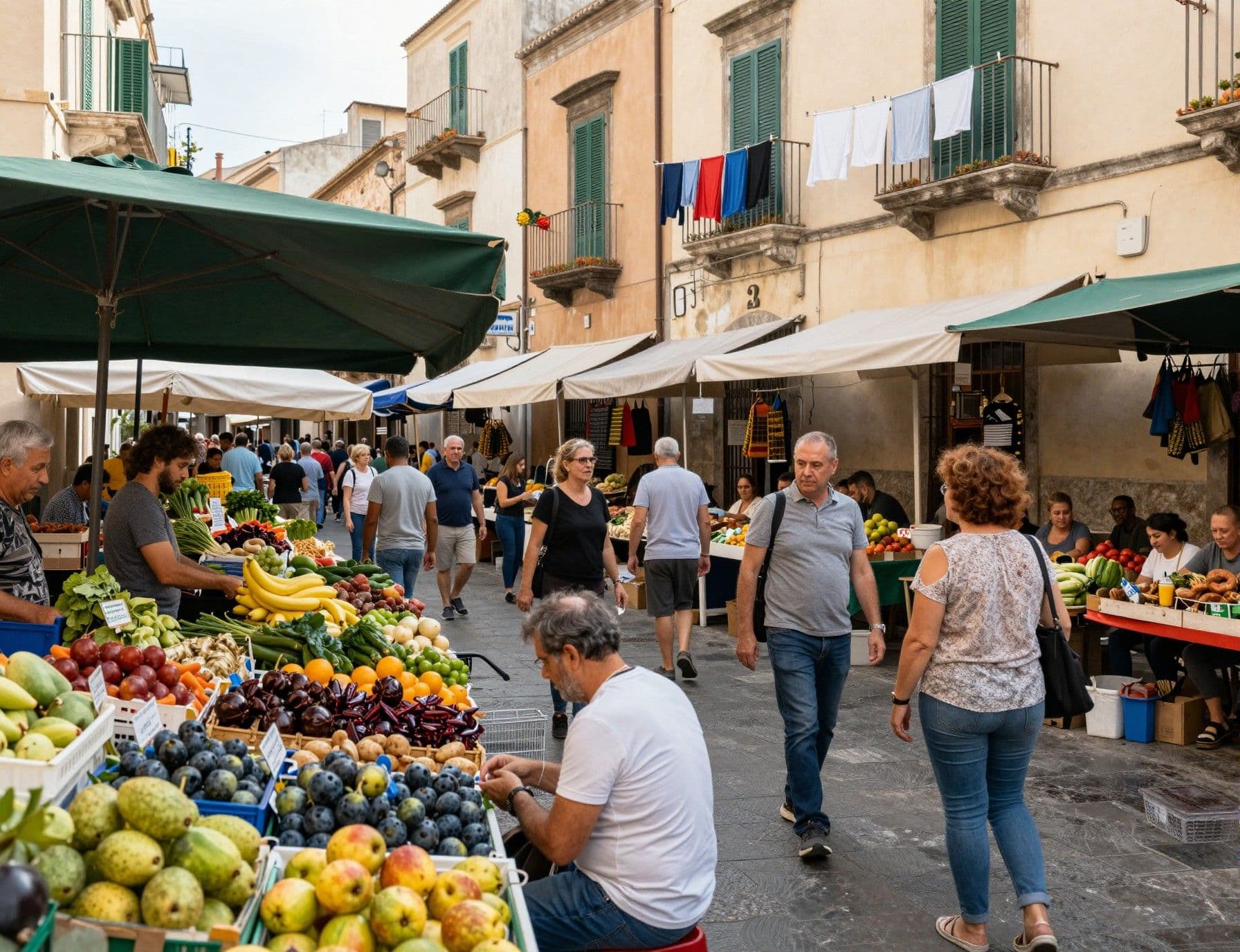
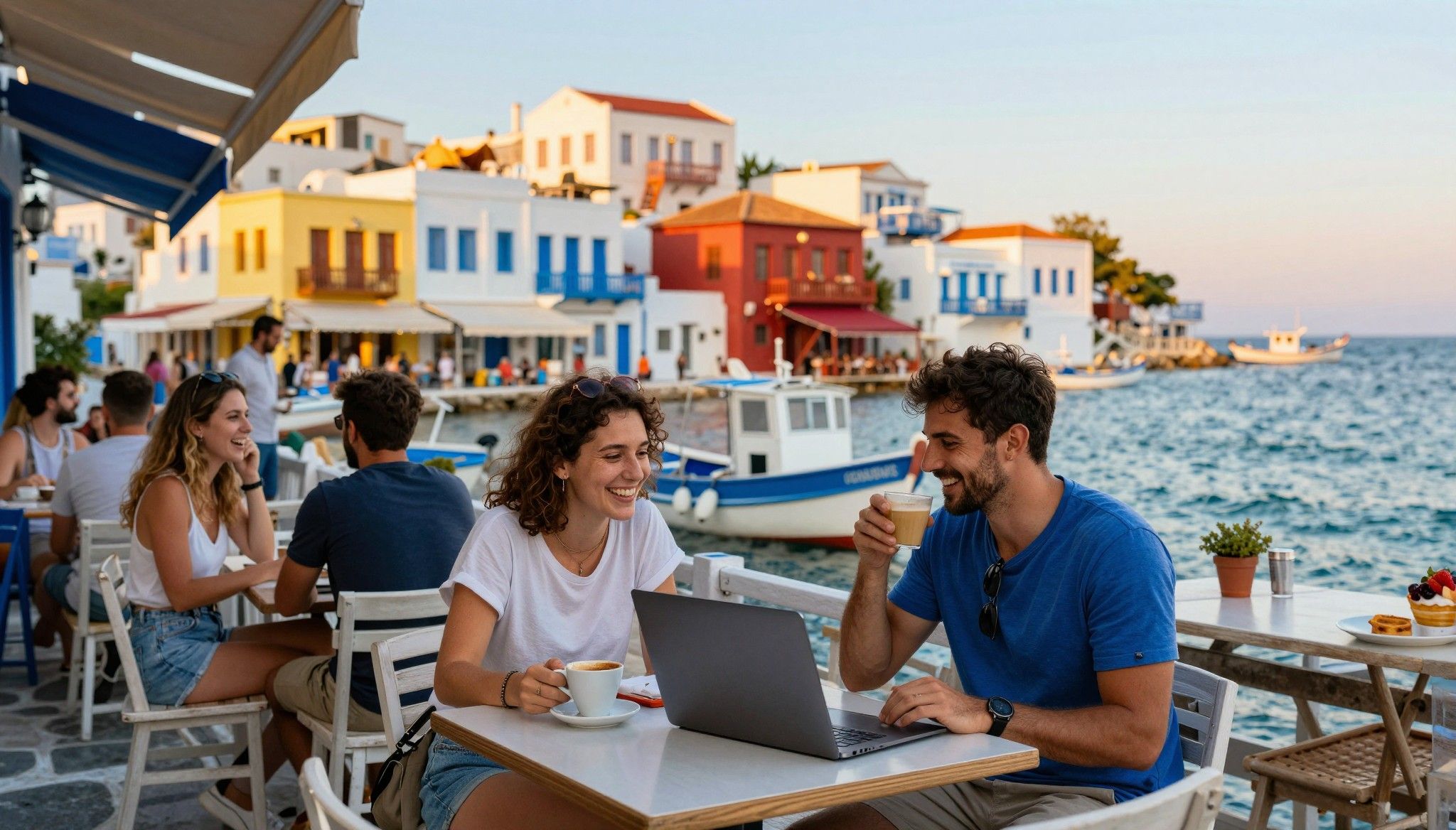
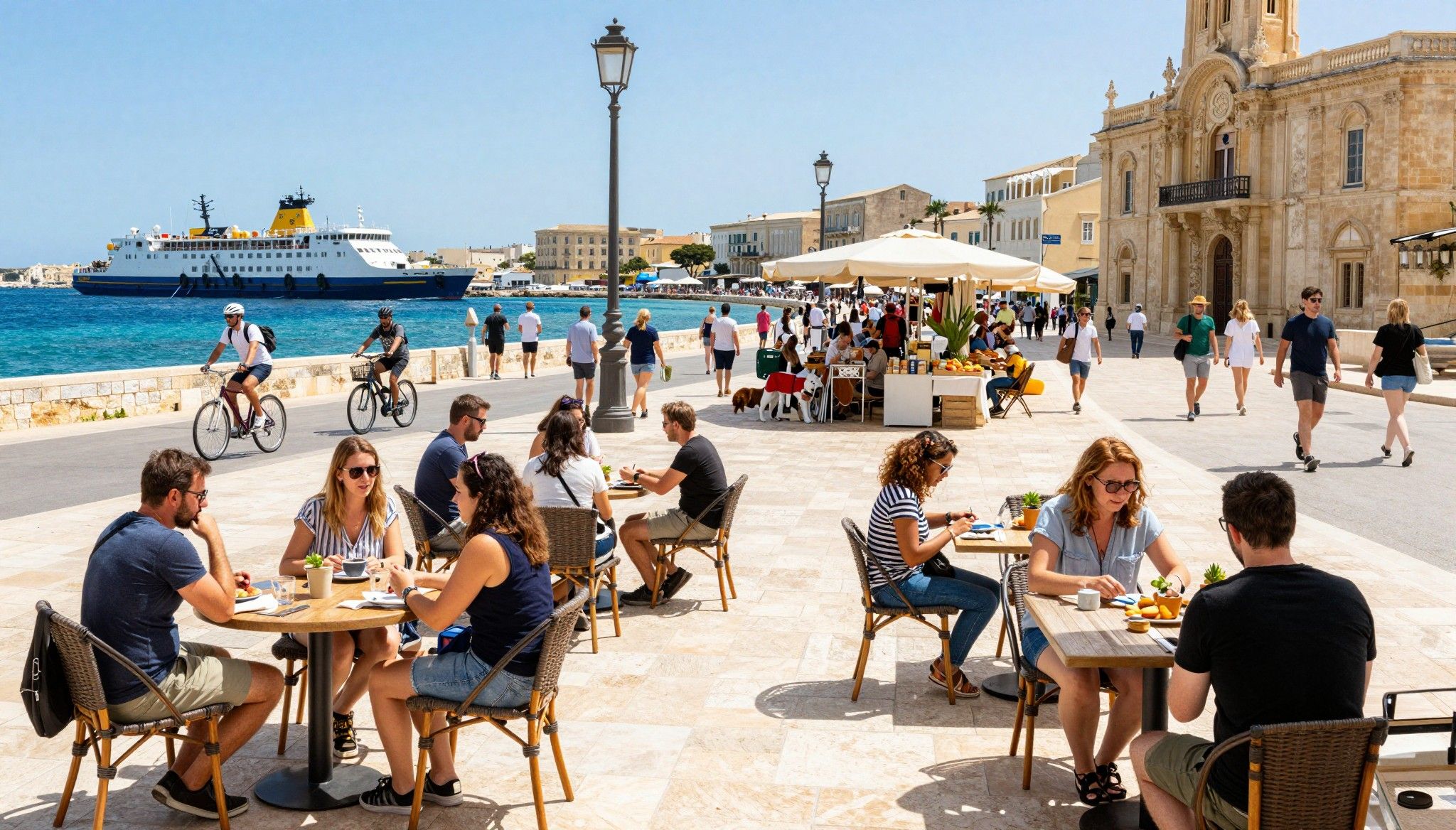
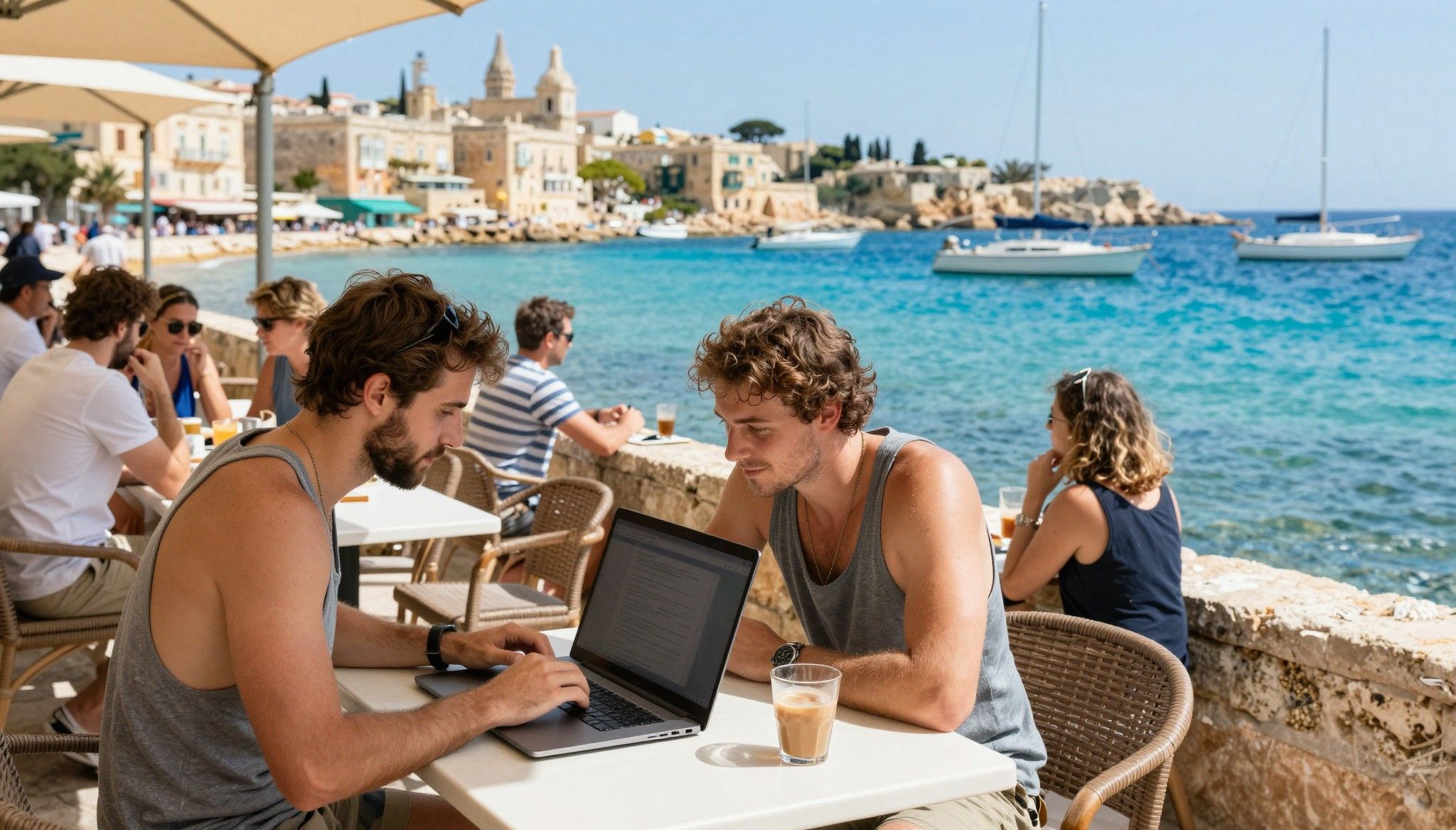
Italy’s rhythm is built on seasons and squares. Mornings are for espresso and quick cadenced greetings; afternoons ease into riposo in smaller towns and vibrant market runs in cities. Weekends mean long lunches that dissolve into passeggiatas, and festivals — from sagra del tartufo in Alba to Ferragosto on rocky Amalfi beaches — stitch neighborhoods together. For nomads this adds up to varied days: café coworking in Bologna, beachfront sunset work sessions in Sicily, or vineyard walks after a short client call in the Langhe.
Neighborhood spotlight: Bari vecchia to Brera
Bari vecchia is a tangle of seafood markets, low arches and sea air where locals still sell fish from wooden carts — perfect for buyers who want community and coastal pace. Up north, Milan’s Brera hums with galleries, specialty coffee and compact apartments that convert easily into work-nooks. Each neighborhood has its own internet reality, espresso ritual, and rental demand: pick a street known for daytime life if you want cafes with steady Wi‑Fi and evening options for meetups.
Food, festivals and everyday delights
From market stalls in Mercato di Mezzo in Bologna to the tiny trattorie of Matera’s Sassi, food is the social glue. Expect weekly farmers’ markets, seasonal festivals (truffle fairs in autumn, citrus festivals in winter) and communal aperitivo culture that makes friendship-building easy. For a nomad, that means reliable social anchors: recurring meetup spots, potluck-style community dinners, and markets to reset your pantry every Sunday.
- Lifestyle highlights to scout when house-hunting
- Market morning in Mercato di Ballarò (Palermo) — vibrant produce, cheap eats, strong community
- Piazza life in Trastevere (Rome) — easy social life, evening energy, rental demand for short stays
- Lungomare walks in Salento — beach access, seasonal rental appeal, calmer winters
Making the move: visas that fit the nomad dream
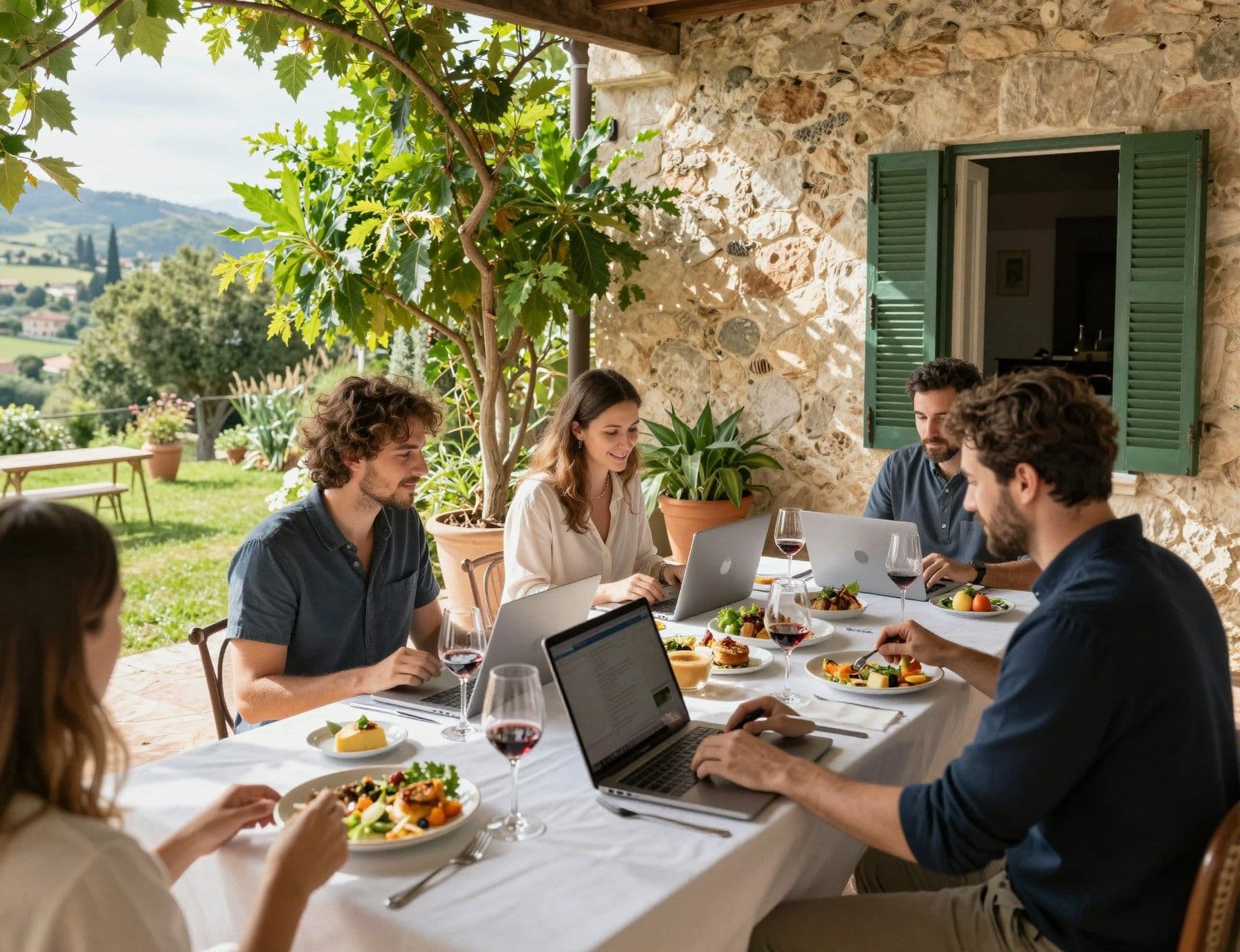
Okay, the lifestyle is irresistible — but what about staying long term? Two practical routes many nomads overlook are the Elective Residency Visa and the Investor (Investor/Golden) Visa. The Elective Residency Visa suits those with stable passive income or pensions who don’t intend to work in Italy; it’s heavily documented and scrutinized but straightforward when you meet the financial proof. The Investor Visa offers a pathway through qualifying investments (and recent official guidance keeps this pathway active), useful if you plan to inject capital or buy a business alongside property.
Elective Residency: what to know
The Elective Residency Visa expects proof of substantial, stable income not derived from work in Italy and evidence of suitable accommodation. Processing is handled by Italian consulates and once in Italy you must register with local authorities and apply for a permesso di soggiorno. It’s ideal for freelancers who can show investment income, retirees with pensions, or remote earners structured as passive income — but remember it does not permit local employment, so structure your finances accordingly.
Investor Visa: when property is part of a bigger plan
The Investor Visa can be faster for high-net-worth buyers who make qualifying capital commitments — these range from corporate investments to philanthropic donations and, in some options, real‑economy projects. If buying property is your start point, pair the purchase with a local business plan or project that meets the investment thresholds. That dual approach unlocks residency while anchoring your lifestyle ambitions in the local economy.
- Steps to align lifestyle buying with a visa pathway
- Document passive income or investment plans before house-hunting, so offers and visa narratives match.
- Choose a region with the life you want — coastal towns for beach office days, hill towns for slower rhythms — and check Questura registration rules early.
- Work with an agent who knows local residency practices and a local lawyer (avvocato) who understands permesso di soggiorno timing.
Insider knowledge: market reality vs romantic myths
Two myths deserve debunking. First: “Italy is too expensive for nomads.” Not exactly. National averages hide large regional gaps — inland southern towns and rural hilltop villages offer much lower entry prices while still delivering strong lifestyle value. Second: “You need perfect Italian to buy.” You don’t — but learning local basics accelerates integration and speeds up mundane tasks like utility setup and Comune registration. Recent market data shows modest national price growth but pockets of opportunity outside the headline cities.
What expats wish they'd known
Expats tell the same stories: the agent who knew the mayor, the neighborhood bar that became your network, the unexpected winter maintenance on a rustic roof. Practical realities — municipal registration, waste collection rules, and local building codes for restorations — shape day‑to‑day happiness far more than size or view. Meet neighbors early, join local Facebook groups, and learn the rhythm of municipal offices; these small moves save time and build the social infrastructure you’ll rely on.
Long-term thinking: seasons, rentals and community
Think beyond the purchase: how will summers, winters and festivals affect your rental demand, lifestyle, and upkeep costs? Coastal towns spike in summer while inland areas can offer stable year‑round rental interest from remote workers seeking quieter winters. If community matters, buy on streets with year‑round amenities rather than purely tourist strips — that’s where long-term friendships and stable rental returns grow.
- Red flags to watch for during viewings
- No proof of fiber or stable broadband in the property dossier
- Undefined property boundaries, missing catastale (land registry) documents
- Unclear heating systems or overpriced restoration estimates
Conclusion: fall in love, then plan like a pro. Italy hands you a life of neighbors who know your coffee order, markets that feel curated by season, and the power of piazza social life. Pair that dream with concrete visa planning — Elective Residency if you have passive income, Investor routes if you’re bringing capital — and a hyperlocal agent who gets both stamp‑of‑approval paperwork and where locals buy croissants at 8 a.m. Next steps: shortlist three neighbourhoods that match your daily rhythm, check Questura rules there, and book a local agent who specializes in residency‑supported purchases.
Swedish, relocated to Marbella in 2018 to chase sun and property freedom. Focus on legal navigation and tax for Nordic buyers.