Greece’s Neighbourhoods Nomads Actually Want
Discover Greece’s neighbourhoods that marry nomad-friendly infrastructure with true local life — plus market data and practical steps to buy wisely.
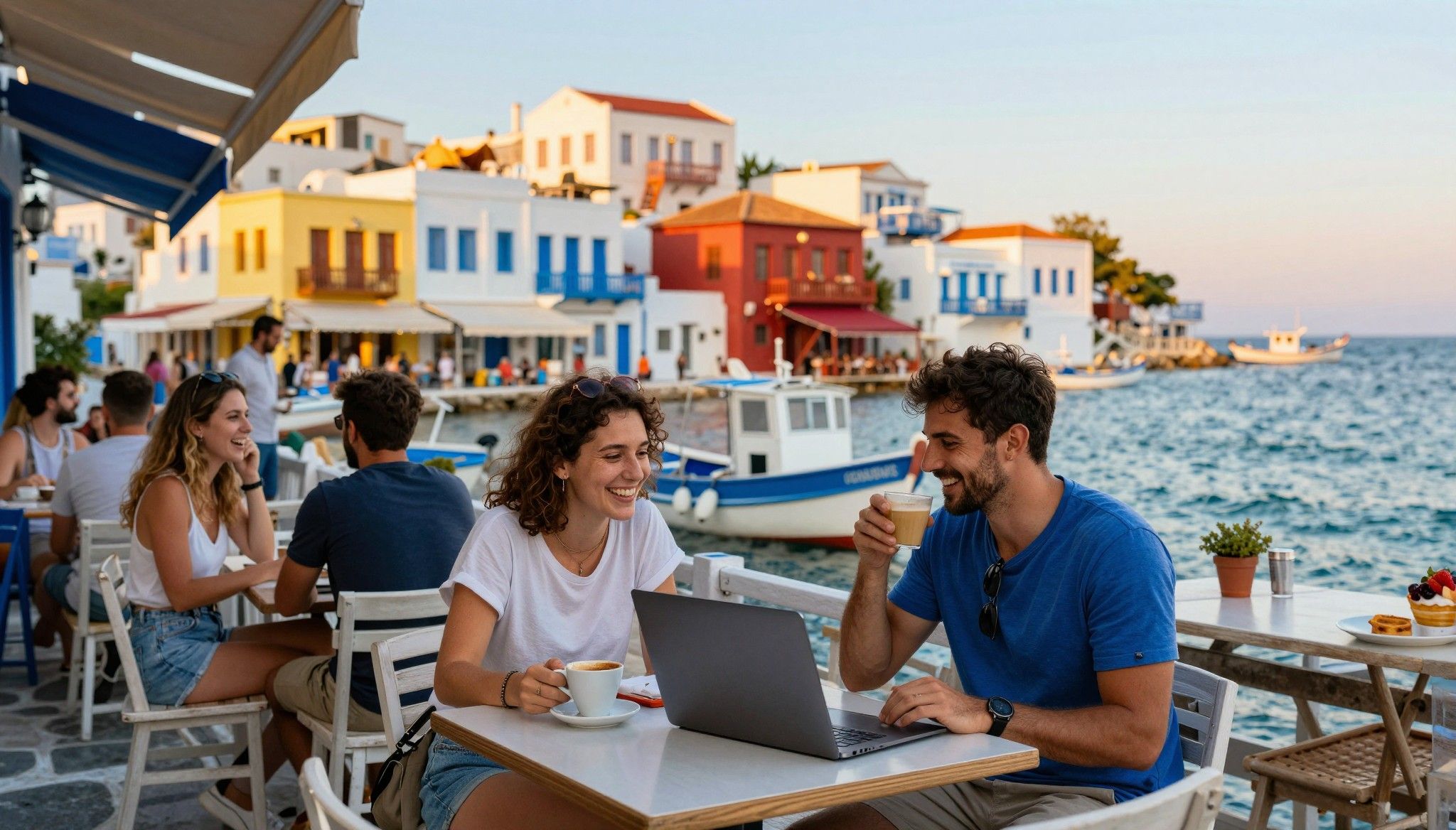
Imagine sipping a flat white at Koukaki’s Diodati café while an espresso-steaming shopkeeper greets locals by name, ferries criss-cross the bay and a rooftop terrace doubles as your afternoon office with 200 Mbps fibre. Greece isn’t one mood — it’s neighbourhoods stitched together by sea breeze, late-night tavernas and sunlit mornings. For nomads chasing a life that mixes coastal freedom, strong coffee culture and decent coworking, the trick is picking the right corner of Greece — not buying the island postcard.
Living the Greece life: daily rhythms and real neighbourhood vibes
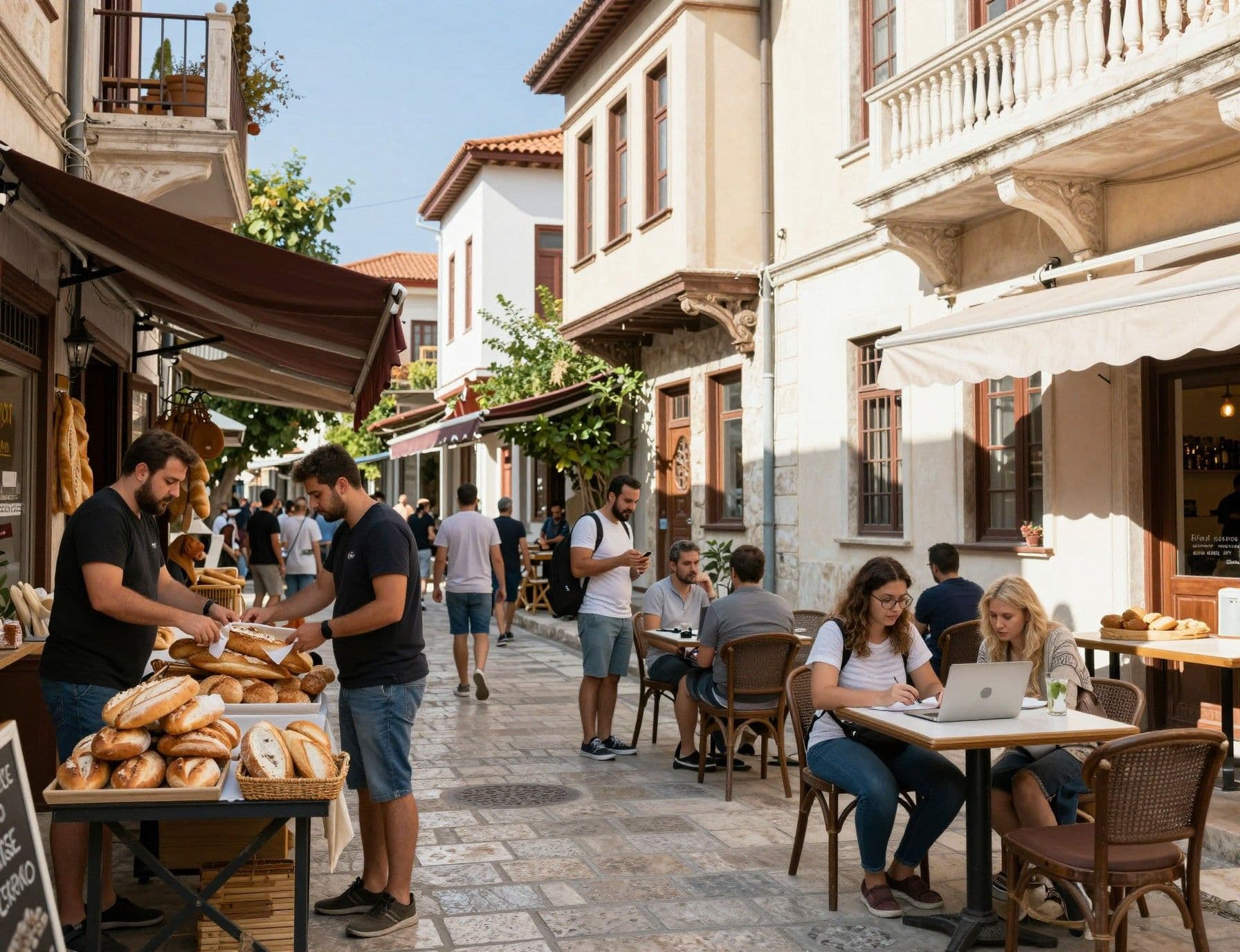
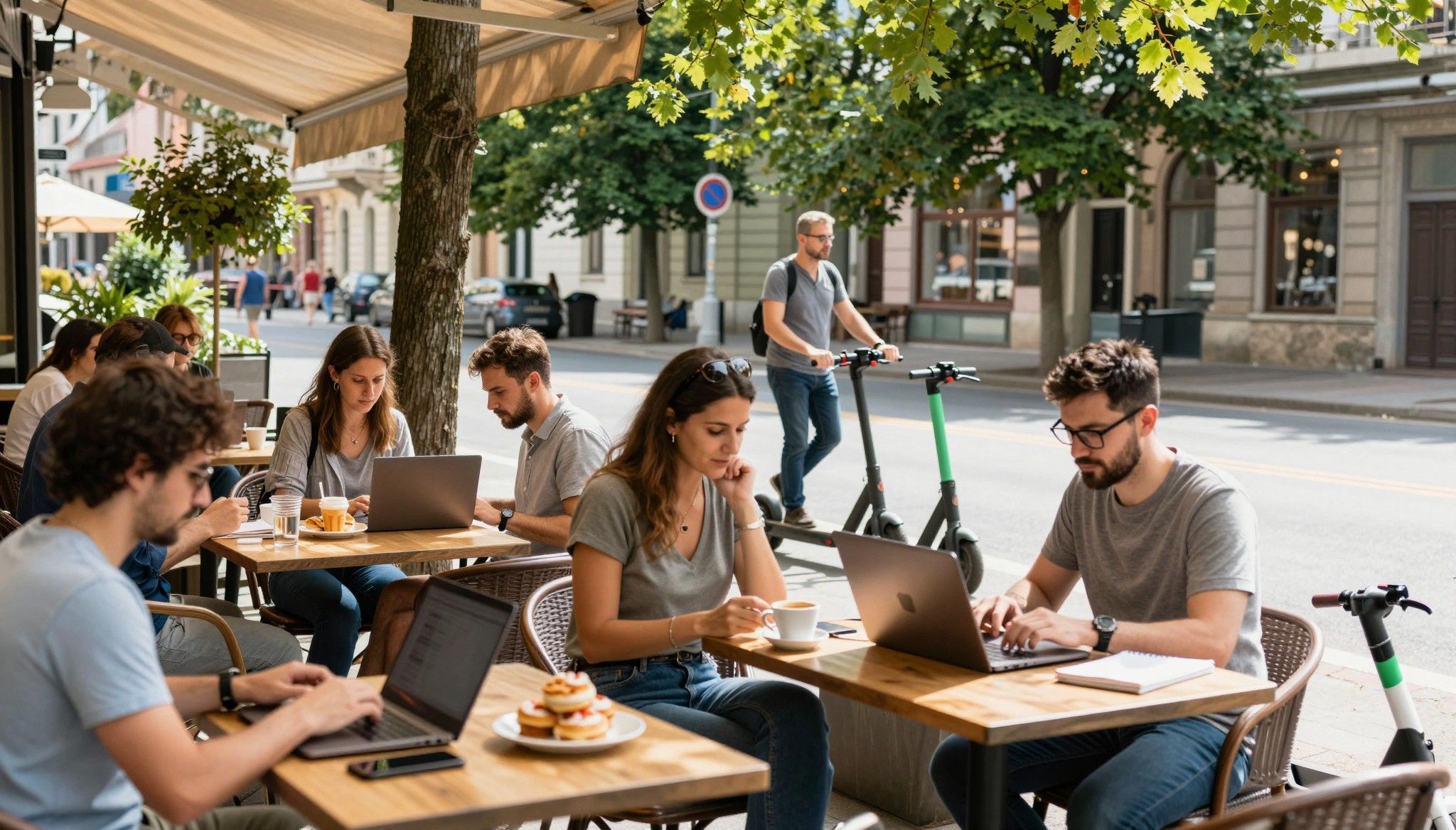
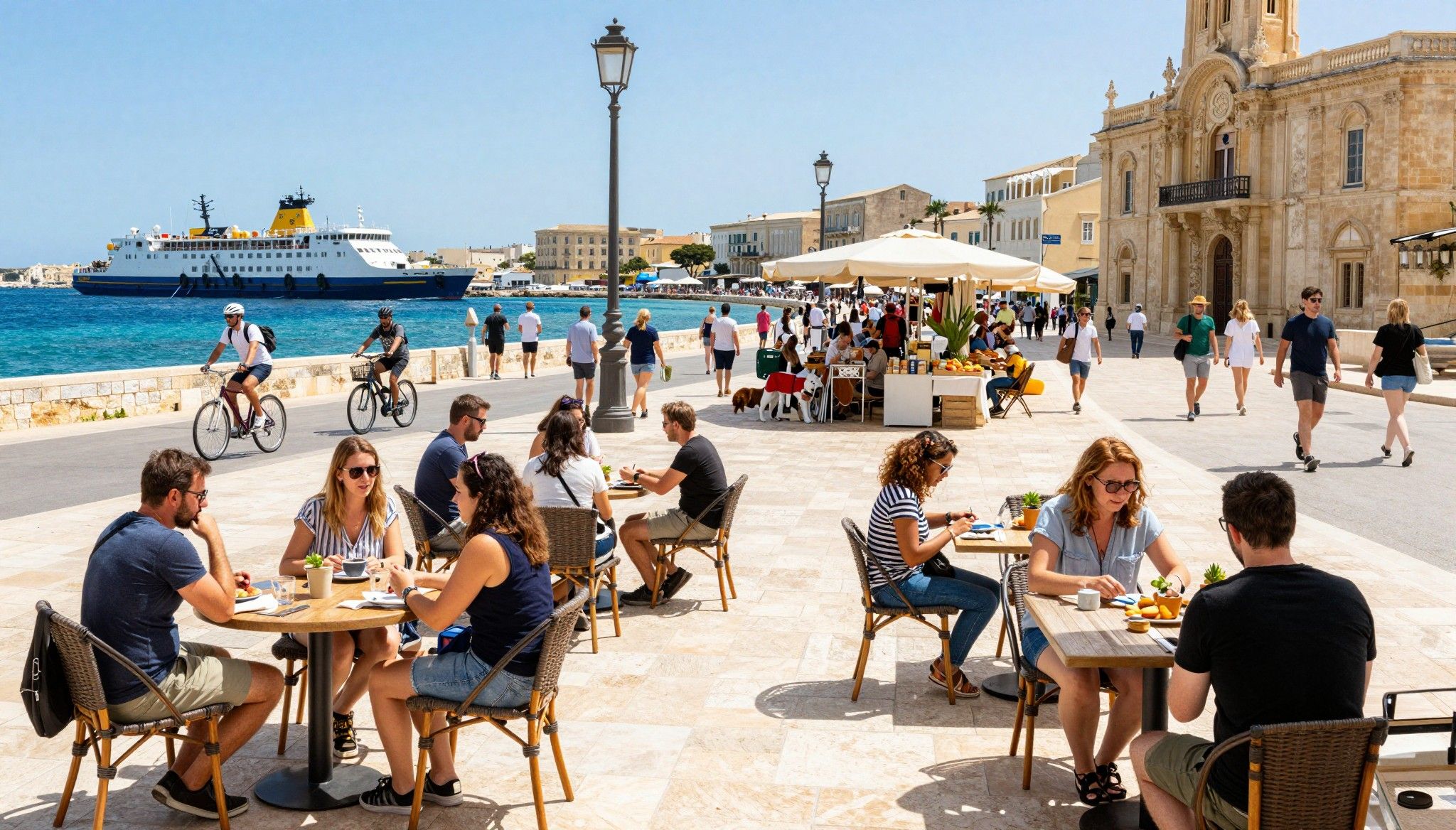
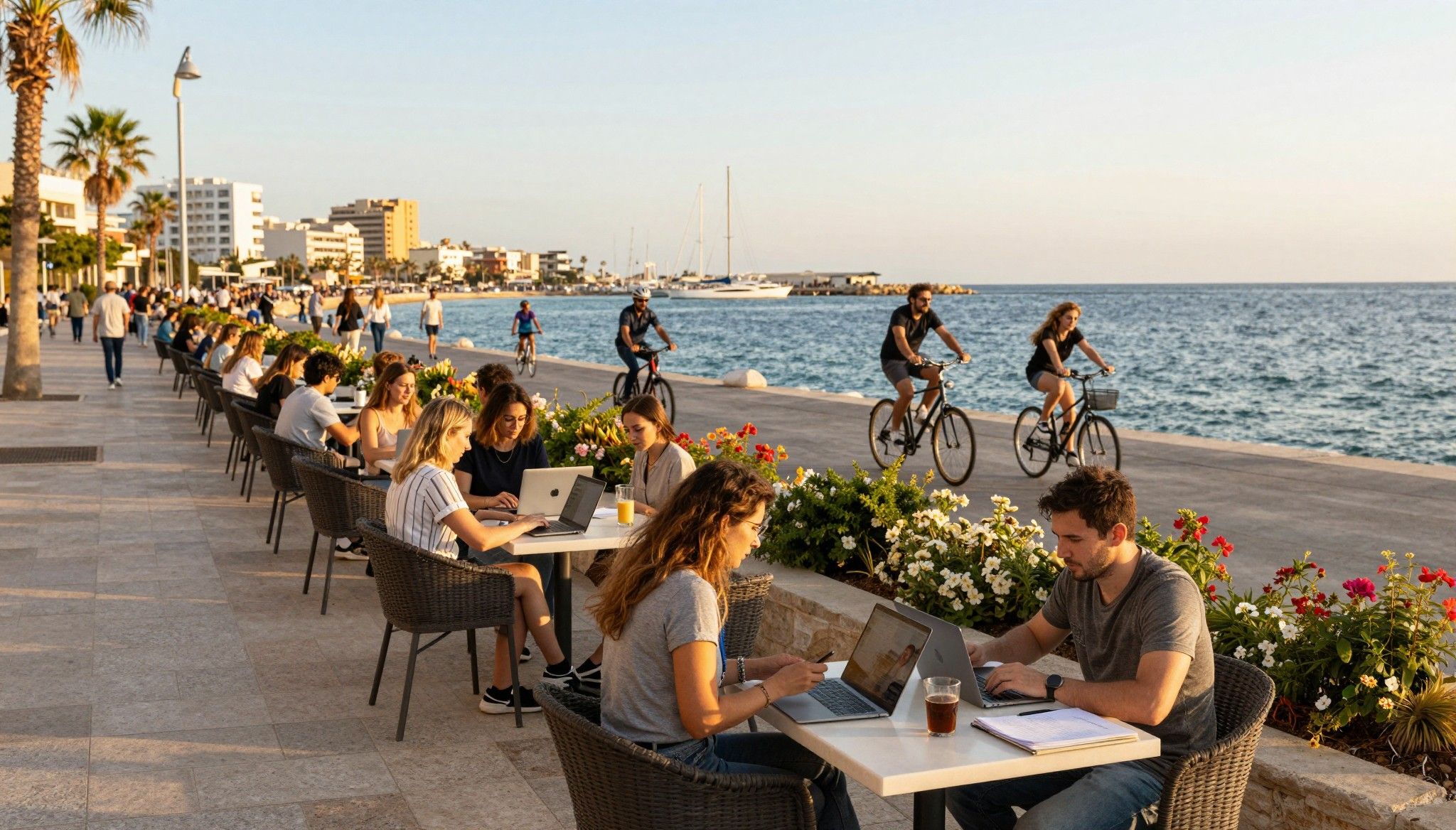
Daylight here feels longer. Streets wake late and the best midday hours are for markets, siestas and slow work in shaded cafés. In Athens you’ll hop from a neighbourhood bakery in Exarchia to a rooftop coworking spot near Monastiraki; on Naxos mornings mean fishermen’s markets and remote afternoons on a wind-kissed terrace. The point: lifestyle varies wildly block-to-block, and the neighborhood you choose will shape whether Greece fuels your work rhythm or frustrates it.
Athens: history, coffee, and surprising pockets of value
Walk the streets of Koukaki, Pangrati or Metaxourgeio and you’ll see modern cafés rubbing shoulders with neoclassical facades. These areas offer fast fibre, plentiful short‑term rentals and active expat meetups — yet pockets within walking distance of the Acropolis still hide apartments priced below headline central listings. For nomads, proximity to coworking (Spaces, ViOS) and reliable internet matter more than being on the tourist promenade.
Islands vs mainland: tradeoffs few people name
Yes, islands sell the fantasy — Santorini sunsets, Mykonos nightlife — but days off-season are quiet and some islands suffer patchy connectivity and steep utility bills. Islands like Naxos or Paros balance authenticity with infrastructure; smaller Cycladic villages can be charming but demand planning (boat schedules, generator backups) if you need consistent work hours.
- Lifestyle highlights to scout before buying: Koukaki coffee culture; Pangrati weekend markets; Plaka evening strolls; Naxos local produce markets; Thessaloniki’s food halls; coastal running routes in Glyfada.
Making the move: practical realities that preserve the lifestyle
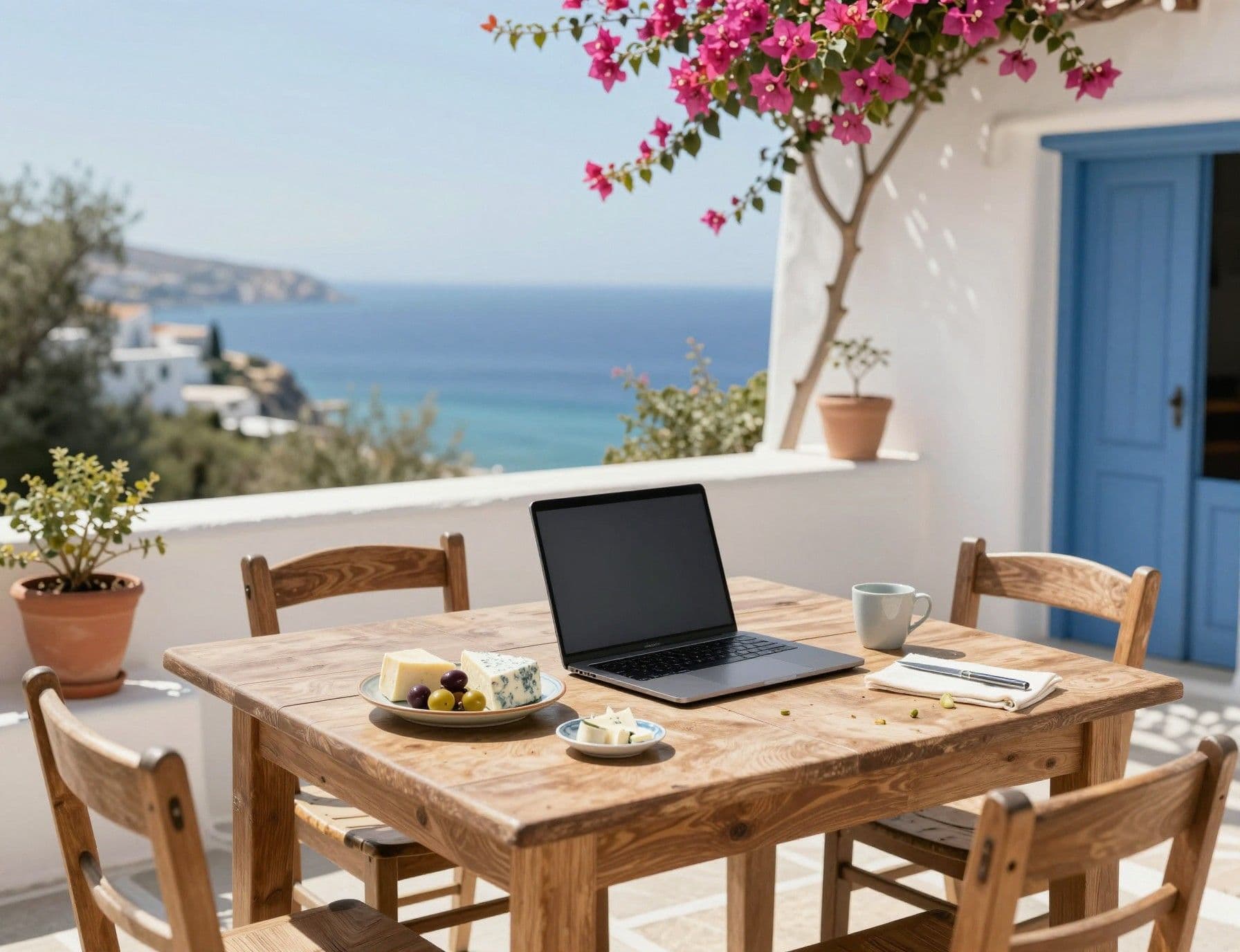
Love the mornings, but don’t ignore the numbers. Residential prices in Greece have been on an upward trend — Bank of Greece data shows steady increases in recent quarters — so the neighbourhood you pick today can change in value quickly. That means balancing romance with research: find areas with lifestyle fit and growing infrastructure rather than buying only for a view.
Property styles: what suits a nomad life
Old stone houses on islands are dreamy but often need renovation and wiring upgrades. City apartments near the centre usually have fibre and easy access to meetups. If you work live‑online, prioritise: a) a quiet corner for calls, b) fast internet and ethernet access, c) storage for gear and a small outdoor space. Those tradeoffs change daily life far more than marble countertops.
Work with local experts who know both the market and the lifestyle
A good local agency translates neighbourhood vibe into usable search filters: fibre availability, elevator (Greece’s older buildings often lack one), winter insulation, and proximity to ferry ports or airports. They also flag residency options — Greece’s residence rules and recent immigration updates make it possible for remote workers to secure permits — and point to tax/regulatory nuances that affect long-term stays.
- Practical steps to align lifestyle and purchase: 1) Test the rhythm: rent a month in your chosen neighbourhood before buying; assess internet during work hours. 2) Check the bank/price data: use Bank of Greece indices and local ask-vs-sold prices. 3) Inspect heating/fibre: confirm central heating or AC capacity and provider speed. 4) Plan logistics: ferry/flight cadence, local healthcare access, and property management for absences. 5) Negotiate for fixtures: ask sellers to include fibre termination, shutters or simple upgrades that matter for daily life.
Insider knowledge: what expats wish someone told them
Expats quickly learn that social life is local: a neighbourhood kafeneio or bakery can be the difference between feeling at home and feeling like a tourist. Language helps, but consistent small interactions — learning a few names, shopping the same market stall — open doors faster than any guidebook. Also — expect bureaucracy to be slow; patience and a local fixer (agency or lawyer) pay off.
Cultural integration and daily social life
Greek social life revolves around food and rhythm: long lunches, late dinners, and community festivals. Join local cooking classes, tavernas on quieter nights, or beach clean-ups to meet locals beyond other expats. Over time you’ll trade guidebook hotspots for the neighbourhood fishmonger and a particular corner table where everyone recognizes you.
Long-term lifestyle considerations
Think beyond year one. Will the area support reliable high-speed internet if you scale work? Can you find local healthcare clinics and international schools if family arrives? Will the seasonal tourist cycle affect rental income or neighbourhood tranquillity? Buying with a five-year lifestyle map beats buying on holiday impulse.
- Red flags to notice on viewings: intermittent internet tests, damp or poor insulation, no documented building permits for renovations, access difficulties in winter, and a seller unwilling to provide utility cost history.
Buying in Greece can be both deeply romantic and technically complex. Start with lifestyle-first scouting — rent, test your work setup, meet locals — then layer in market data and good local advisors. An agency that understands where fibre meets a sunrise terrace, and how to balance seasonality with daily work needs, will turn a dreamy island shot into a sustainable life. Ready to fall in love — and make it last?
Norwegian who has helped 200+ families relocate from Oslo to Spain; expert in relocation services and community integration.