French Title Tricks: Due‑Diligence That Saves You Thousands
Practical, lifestyle‑first due diligence for buying in France: title checks, notaire roles, and on‑the‑ground tricks that protect your dream and budget.
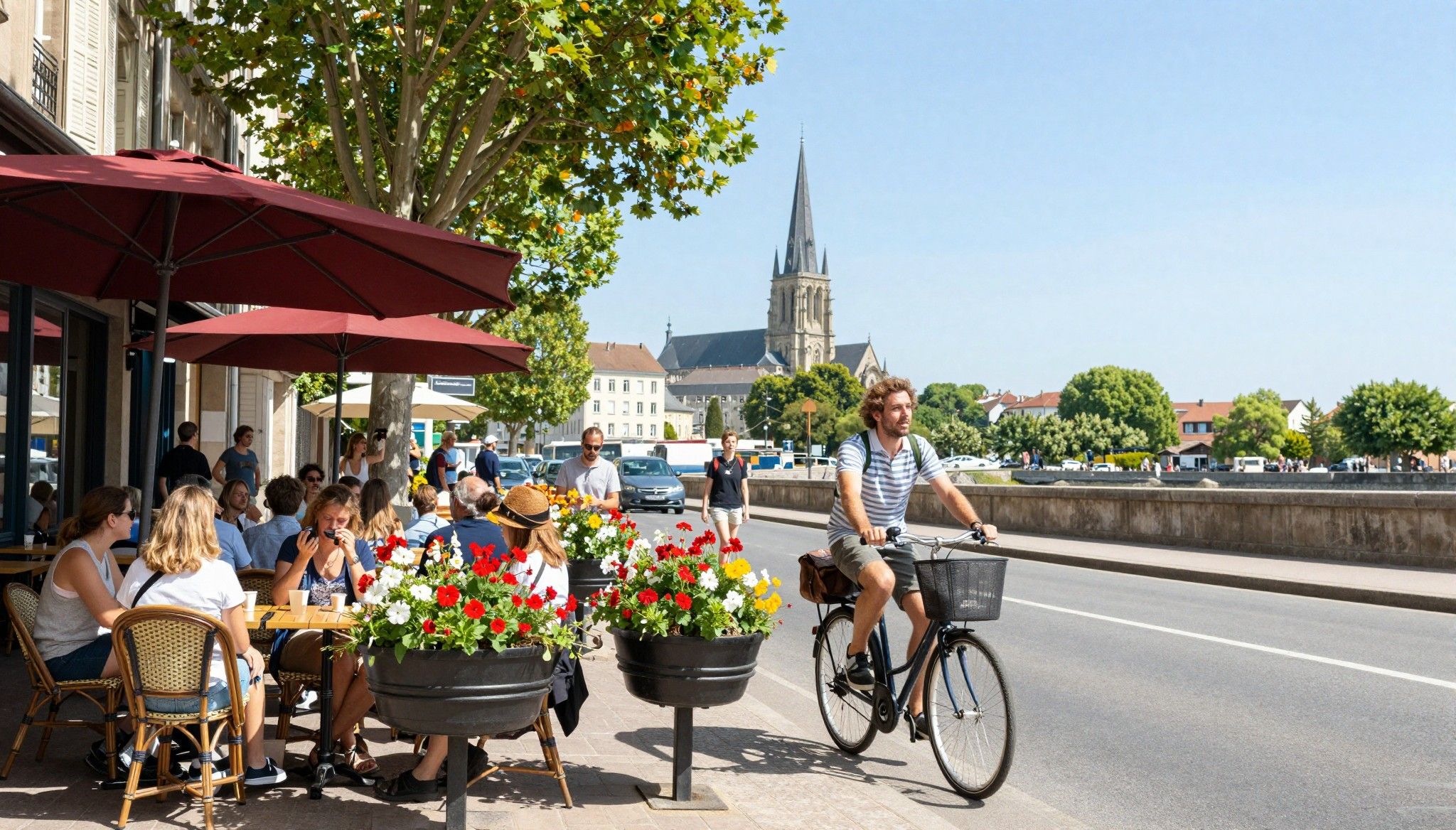
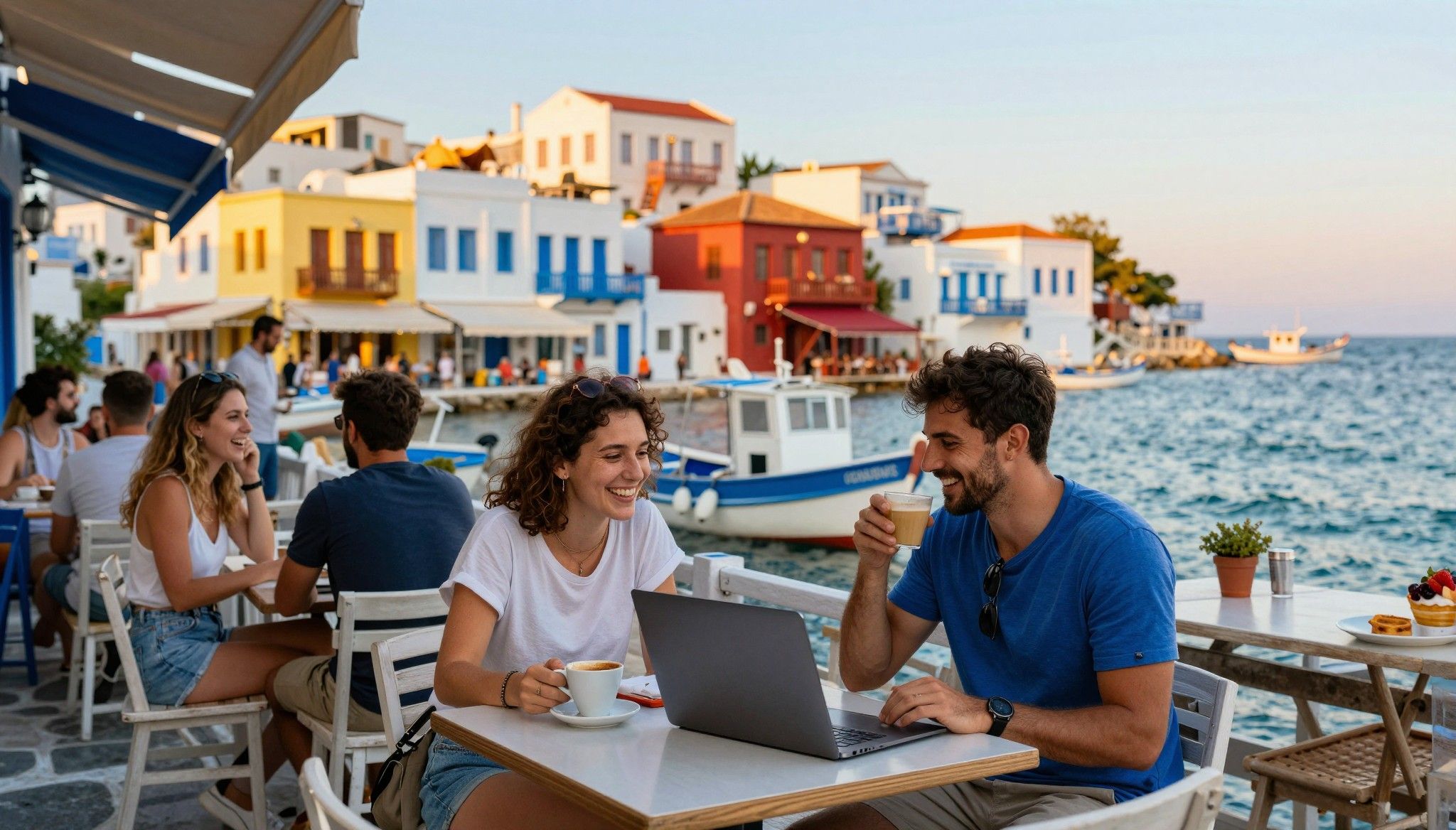
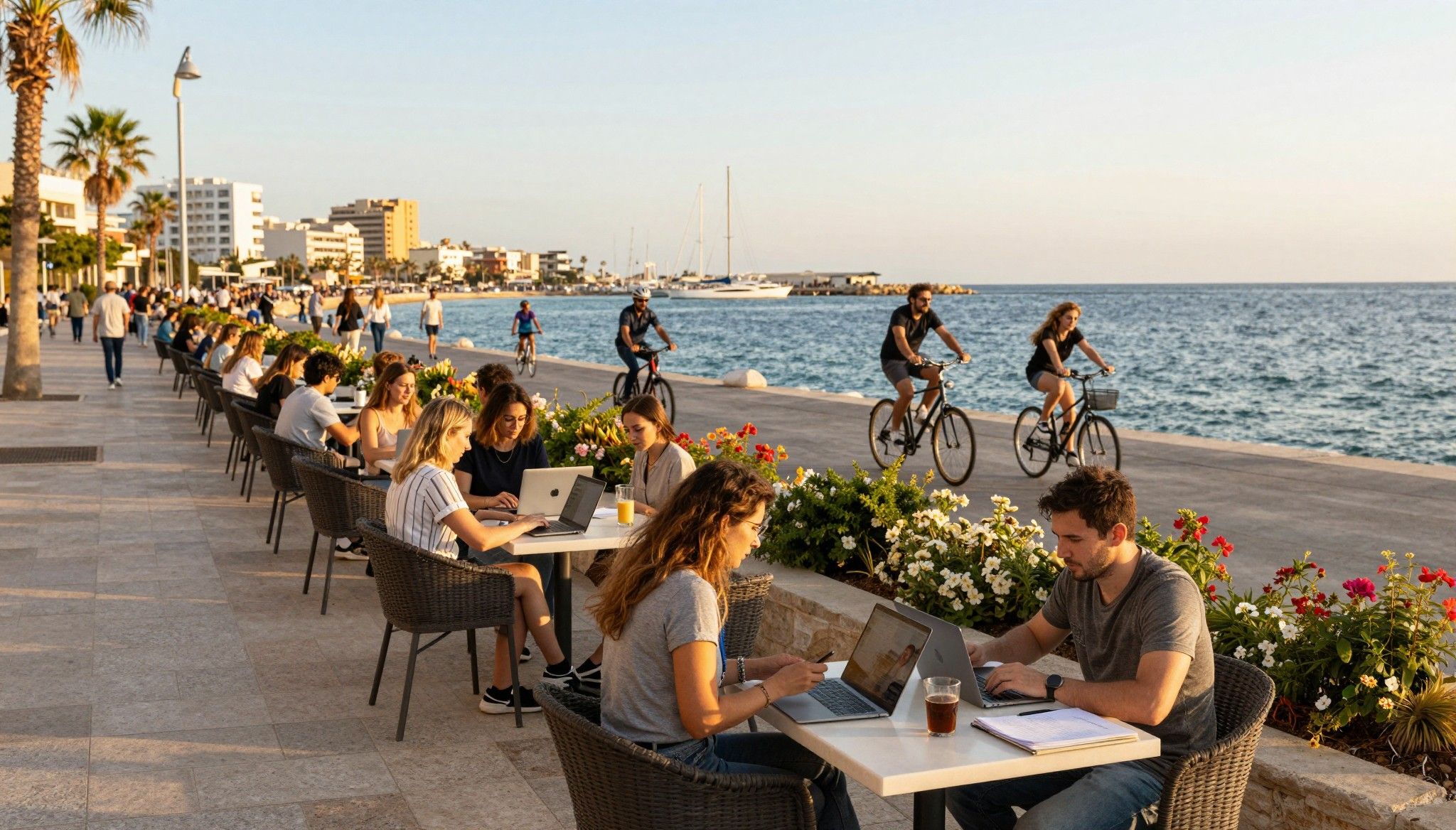
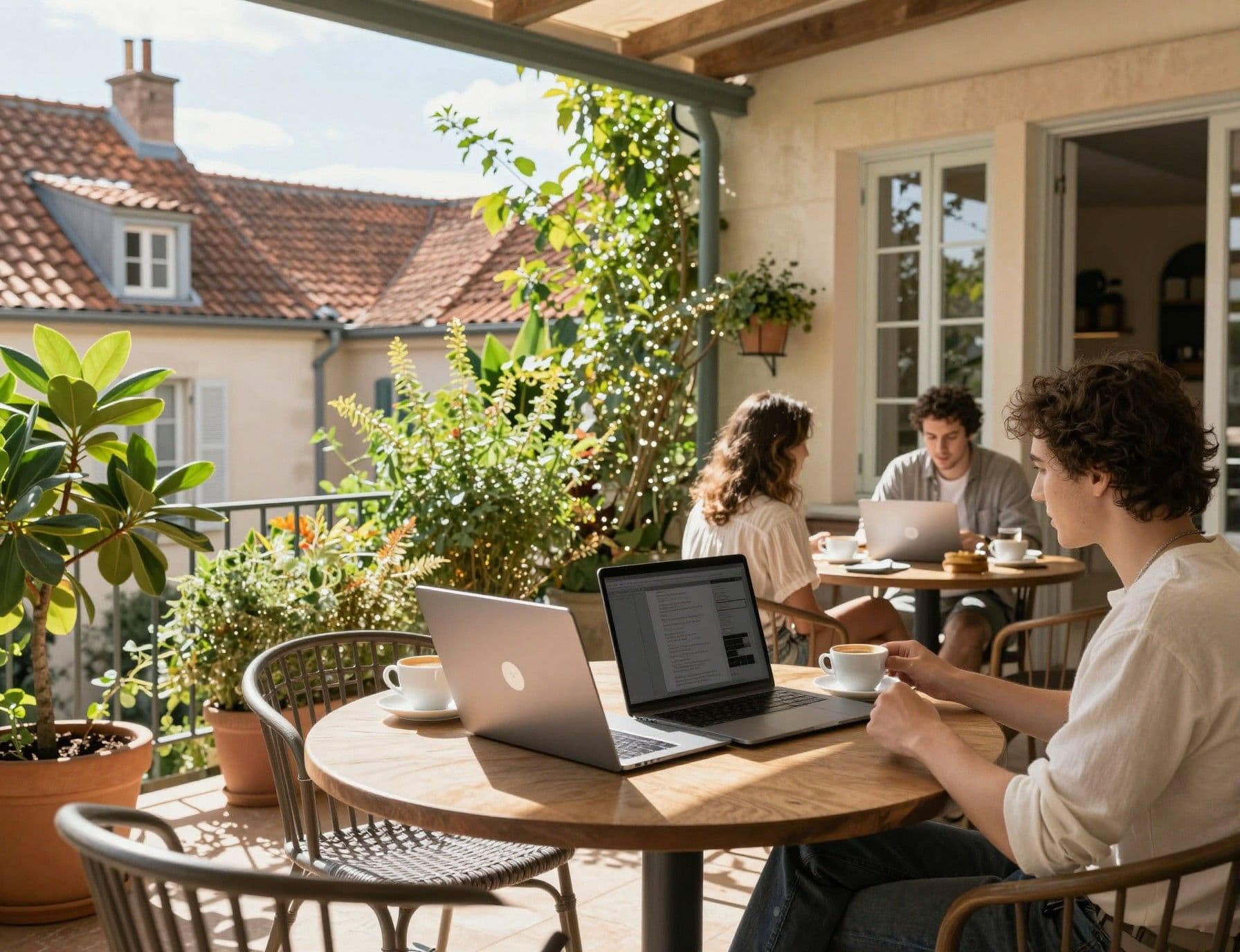
Imagine stepping out of a morning marché in Aix‑en‑Provence with a baguette tucked under your arm, then taking a quick call from a sunlit terrace while sipping café. France is that blend of slow ritual and efficient bureaucracy: seductive squares, neighbourhood boulangeries, and crisp legal paperwork behind every charming facade. For international buyers the romance is real — and the paperwork is precise. This guide mixes the joy of French daily life with bite‑size, research‑backed due‑diligence steps that protect your dream and your wallet.
Living the France Life: more than a postcard
France feels like neighborhoods with personalities: sun‑bright village squares on the Côte d’Azur, Haussmann boulevards in Paris, lavender fields in Provence, and stone farmhouses tucked into Dordogne lanes. Days are built around food, street life, and seasons — markets on Saturday mornings, aperitifs as the light softens, and fêtes that fill town halls and cafés. For a nomad or remote worker these rhythms shape where you’ll want to live: near good cafés with stable Wi‑Fi, accessible train lines, and green spots for weekend escapes. Property choices need to match that life, not the Instagram version of it.
Neighborhood spotlights: where to feel French every day
Pick a place and you pick a daily tempo. In Lyon’s Croix‑Rousse, morning markets and steep streets create a café culture tailored to walkers and cyclists. In Bordeaux’s Chartrons you’ll find wine bars and small ateliers — perfect for slow afternoons and strong espresso. On the Île de Ré, mornings smell of salt and bakeries; properties there trade on beach access and local markets rather than square footage. Knowing the micro‑vibe of a street will change your property checklist from ‘big window’ to ‘walkable morning routine.’
Food, markets and rhythms that shape property value
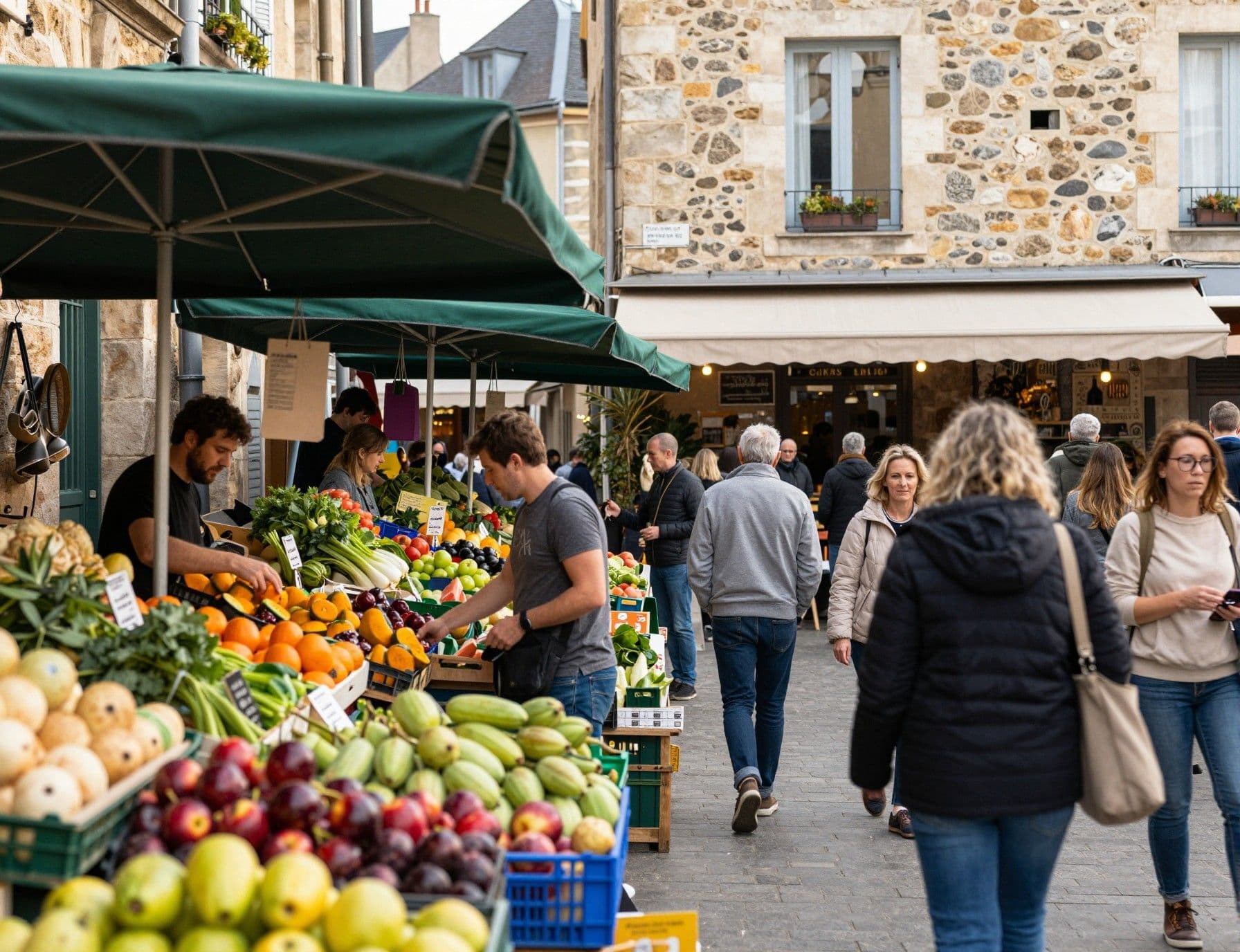
Markets are not just charming — they’re a signal. A stable weekly market often means active local life, quicker rental demand, and a neighborhood that resists decline. Seasonal festivals and harvest weeks drive short‑term letting demand in wine regions, while university towns have predictable year‑round tenancy. When you picture life in France, map cafés, markets and train stations — they’re as important as square metres when assessing future resale or rental potential.
- Lifestyle highlights to scout during a visit: • Saturday market in Place du Palais, Avignon • Coworking cafés in Le Marais, Paris • Morning swim at Plage de Pampelonne, Saint‑Tropez • Evening aperitif on Quai des Chartrons, Bordeaux • Village fête and marché in Saint‑Rémy‑de‑Provence
Making the move: practical checks that match the dream
Dreams meet documents at the compromis de vente and the notaire’s office. In France the notaire plays a central, neutral role: they collect title documents, verify servitudes and preemption rights, and make sure the sale transfers cleanly. International buyers should treat that step as the safety net it is — but not as a replacement for active due diligence. Use the notaire to verify what the seller declares, and hire an expert when something smells off.
Property title & public registers — what to check first
Ask your notaire to pull extracts from the registre de la publicité foncière (land registry) and the cadastre. These show legal owners, mortgages or hypothèques, easements, and whether the property is subject to preemption by the commune. Don’t accept verbal assurances — get the official folio. That search is the simplest way to avoid legacy debts or undisclosed restrictions that can derail a purchase.
Physical condition, urban rules, and renovation red flags
A charming stone house may hide huge renovation requirements. For older or rural properties, always check: insulation, electrical conformity, septic system certification (assainissement), and any planning constraints. If you plan a renovation, confirm whether the commune has an architectes des Bâtiments de France (ABF) review or local restrictions that affect windows, roofs or facades. These limits can turn a renovation budget into a five‑figure surprise.
- Due‑diligence step‑by‑step for international buyers: 1. Ask the seller for cadastral plan, title, and latest property tax (taxe foncière) receipts. 2. Order the land registry extract through your notaire to check mortgages and servitudes. 3. Commission a home inspection (diagnostics techniques) and septic/termite reports where needed. 4. Confirm planning limits with the local mairie and check any preemption (DIA) risk. 5. Review the compromis with clause suspensive for financing and clear deadlines.
Insider knowledge: what expats wish they'd known
Expat buyers often underestimate recurring local costs and tax rules. Capital gains tax, residency rules, and furniture vs. unfurnished rental status matter if you plan to rent the property. For instance, exemptions and tax treatments differ if the property becomes your primary residence or if you sell within a few years. Check impots.gouv for up‑to‑date rules and speak to a tax adviser who understands cross‑border residency issues.
Language, community and the social small print
You’ll hear: 'The French bureaucracy is slow.' That’s partly true — and partly changeable. Learn a few French phrases for maire, syndic, and diagnostics to speed interactions and build trust. Join local Facebook groups, neighbourhood WhatsApp lists, and English‑speaking meetups for practical tips. Integration makes everyday life smoother: your neighbours will flag a leaking roof quicker than any report, and local goodwill can be invaluable when navigating renovations or permits.
How agencies and notaires fit into your lifestyle plan
- How local experts add lifestyle value: • Agents who live and work locally can pre‑screen properties for Wi‑Fi, coworking proximity, and café workspace. • Bilingual notaires and estate lawyers translate legal phrases into lifestyle implications. • Local architects help estimate realistic renovation timetables tied to seasons and permits. • Property managers give real costs for short‑term letting vs long‑term rental in your neighbourhood.
Before you sign anything, walk the neighbourhood at different times: a Friday evening, a market morning, and a wet weekday. Imagine your remote‑work day, your weekend escape, and your social life there. Then pair that vision with a strict due‑diligence checklist and reliable local partners — not to squash the romance, but to preserve it. When done right, buying in France gives you the lived‑in, vibrant lifestyle you came for, plus the legal certainty to enjoy it without surprises.
Next steps: book a 48‑hour discovery window. Spend two days in your target neighbourhood, meet a notaire for a pre‑purchase consult, and have an agent walk three homes while you test cafés for Wi‑Fi. That short, focused trip reveals far more than months of browsing overseas listings — and it’s the key move every seasoned nomad buyer swears by.
Danish investor and relocation advisor focusing on Portugal and the Algarve; loves coworking culture and expat networks.