Croatia: Budget the Life, Not Just the Price
Fall in love first, budget second: how Croatia’s seasons, neighbourhood quirks and real costs reshape realistic buying budgets for nomads.
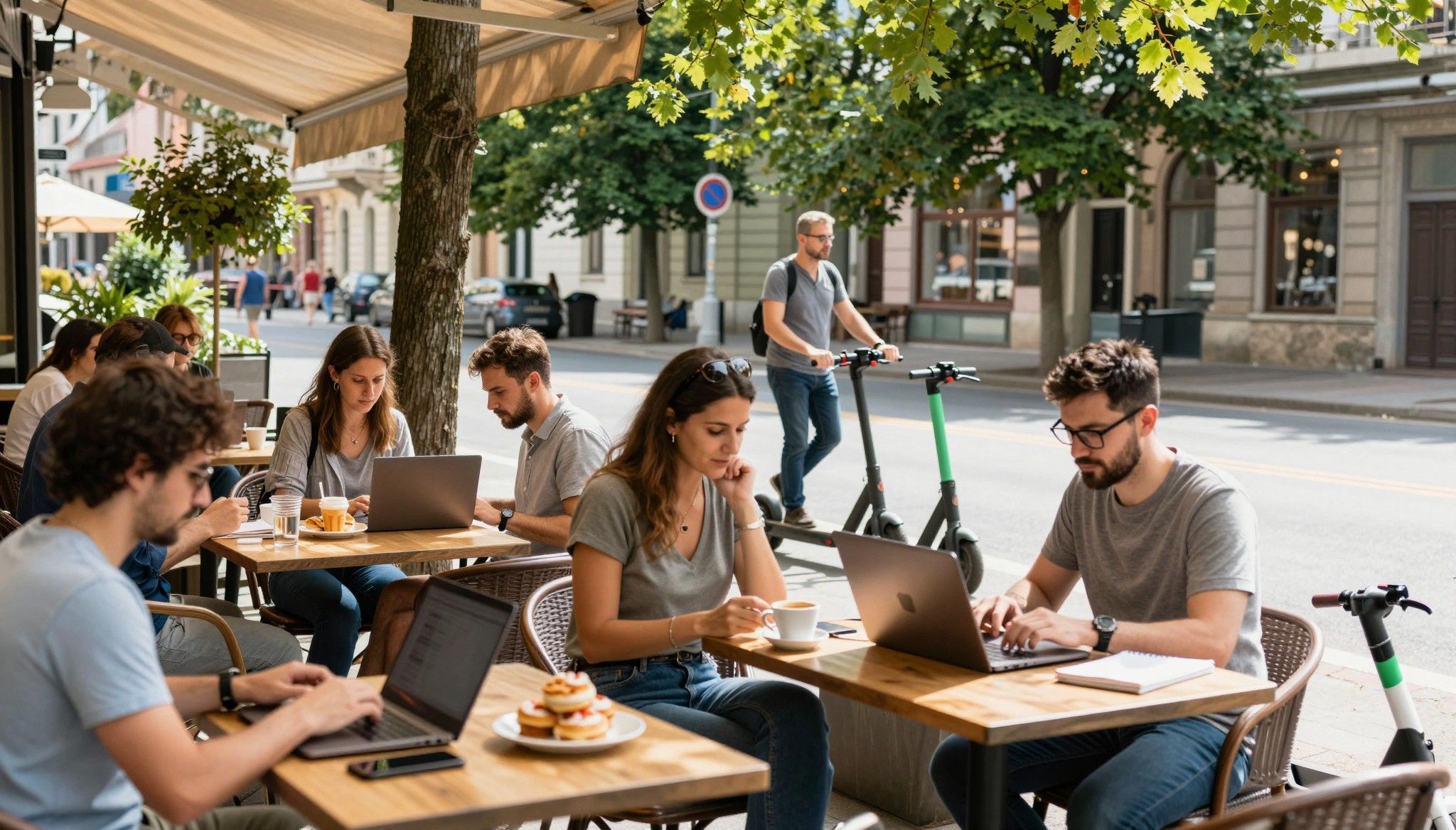
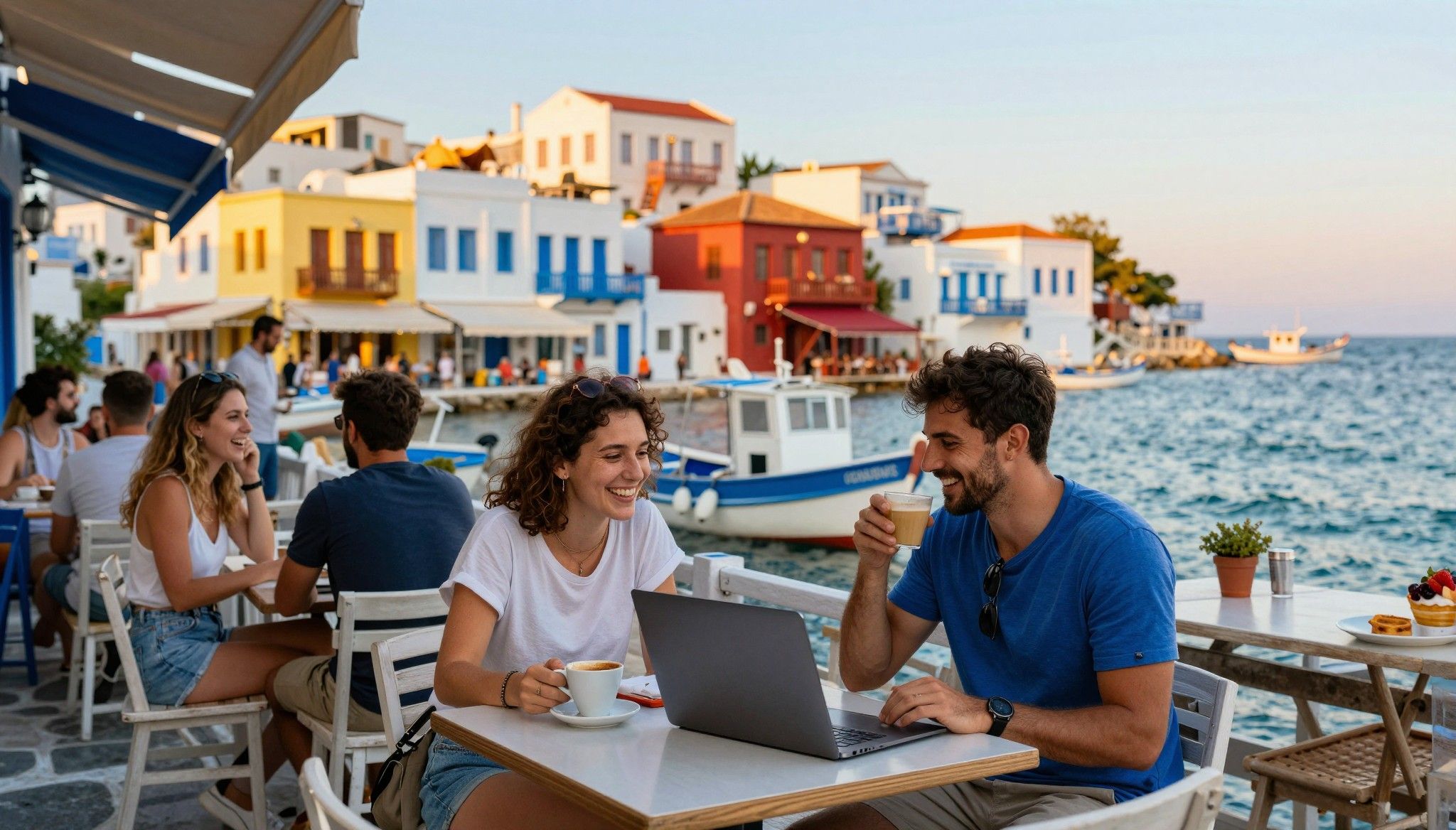
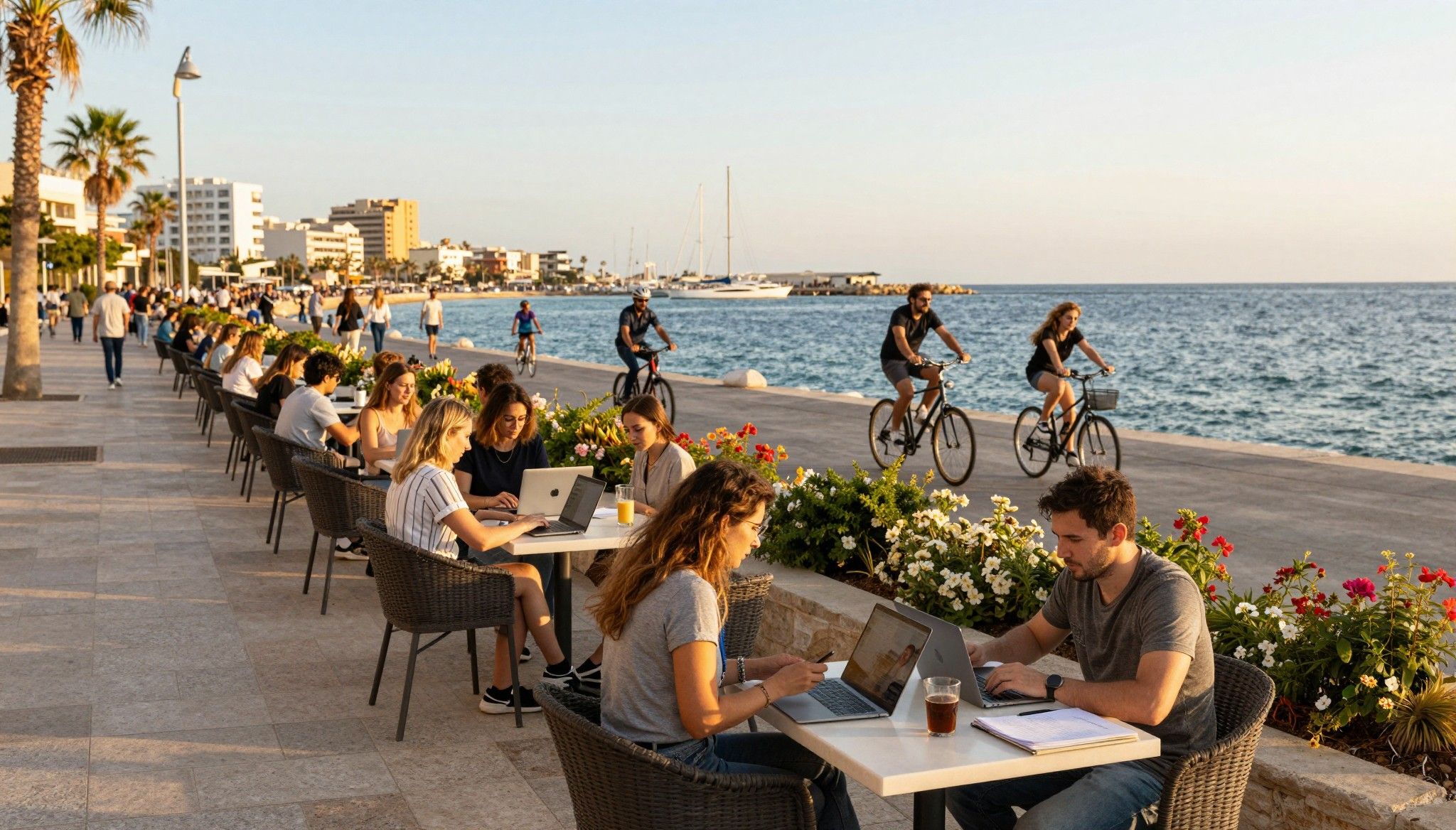
Imagine sipping an espresso on Split’s Riva as a trawler slides by and, instead of feeling like a tourist, you’re thinking: could this be home? Croatia moves at a warm, maritime pace. Mornings mean markets and strong coffee; late afternoons pull people outdoors to beaches, promenades and sea‑side tavernas. For nomads and remote workers, that relaxed rhythm pairs with surprisingly modern essentials — fast cafés, growing coworking scenes and digital services that make living here effortless. But the budget story isn’t just sticker shock or sea‑view Instagram posts; there are seasonal quirks, hidden fees and financing choices that reshape what your dream costs.
Living Croatian Life: the sensory pull that sells
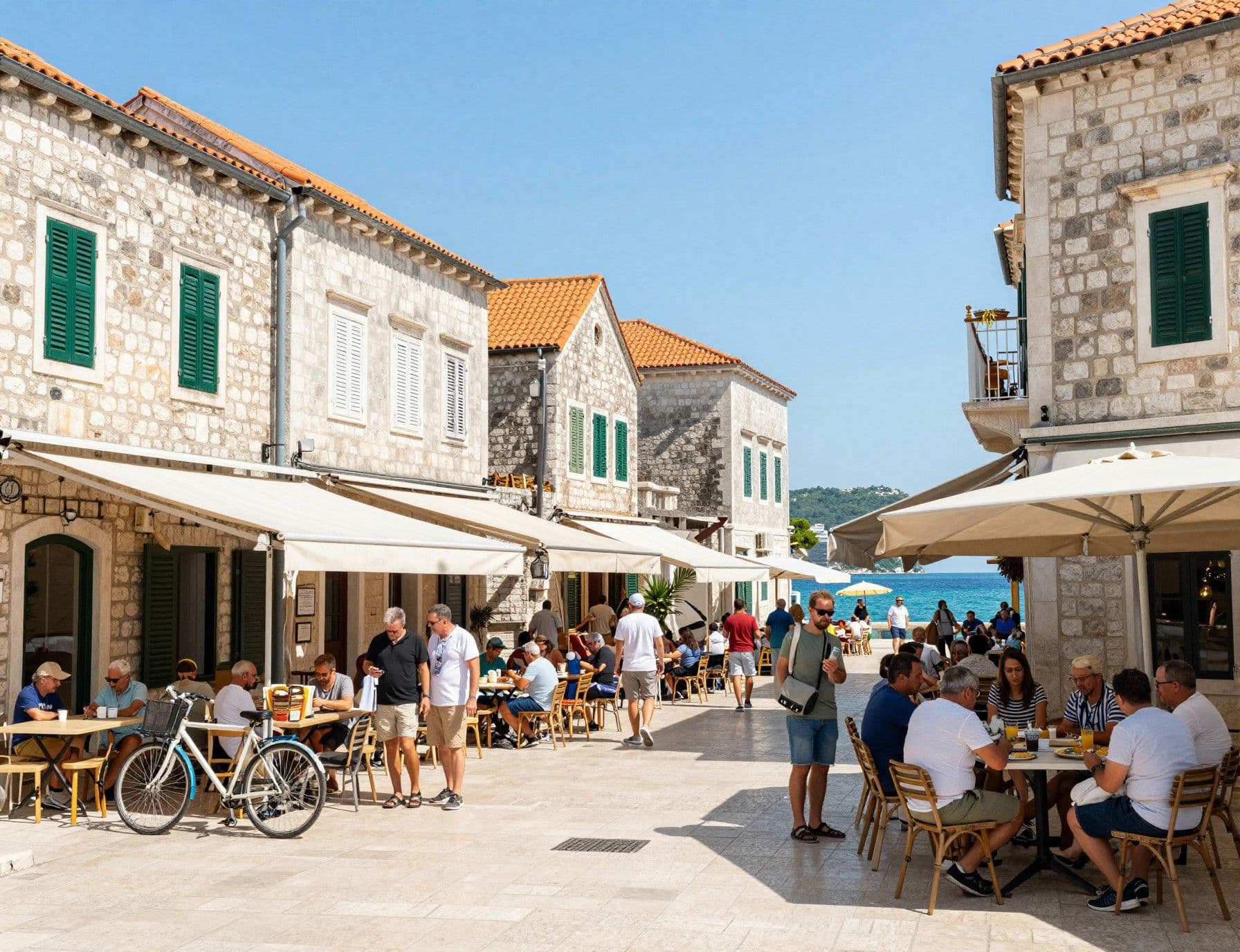
Waking up in Croatia is a collage: stone alleys steaming after rain, bakers sliding out fragrant pašticada and markets groaning with figs, cheese and a sea breeze. Coastal towns — Dubrovnik’s old‑town drama, Hvar’s yacht energy, Zadar’s sunsets — have a cinematic pull. Inland, Zagreb blends café culture with green parks and a compact, walkable center where neighbourhoods feel lived‑in rather than polished for tourists. These textures matter when you budget: a central Dubrovnik studio has a different price elasticity and running cost profile than a renovated farmhouse in Istria.
Neighborhood notes: where locals actually shop, work and meet
If you want a neighbourhood that hums year‑round, look beyond the tourist loop. In Split, Varos and Veli Varoš have small bakeries and a sense of community; in Zagreb, streets like Tkalčićeva pulse with cafés but quieter pockets (e.g., Maksimir‑adjacent streets) offer green space and family life. On islands, local shops close out of season — perfect if you want a sleepy winter but a costly tourist summer. Knowing which streets have municipal services, reliable deliveries and year‑round neighbours changes both the budget and the lifestyle you get.
Food, markets and social life: practical delights that shape budgets
Weekends become culinary recon missions: Dolac market in Zagreb, Pazar in Split, fish stalls on Korčula. Eating seasonally saves money and connects you to community. But lifestyle costs add up in obvious ways — dining out during high season, tourist‑priced utilities in peak months, and heating for stone homes in winter. Factor markets and meals into monthly budgets as reliably as mortgage interest: they’re part of how you’ll live, not an afterthought.
Making the move: budget rules that match the lifestyle
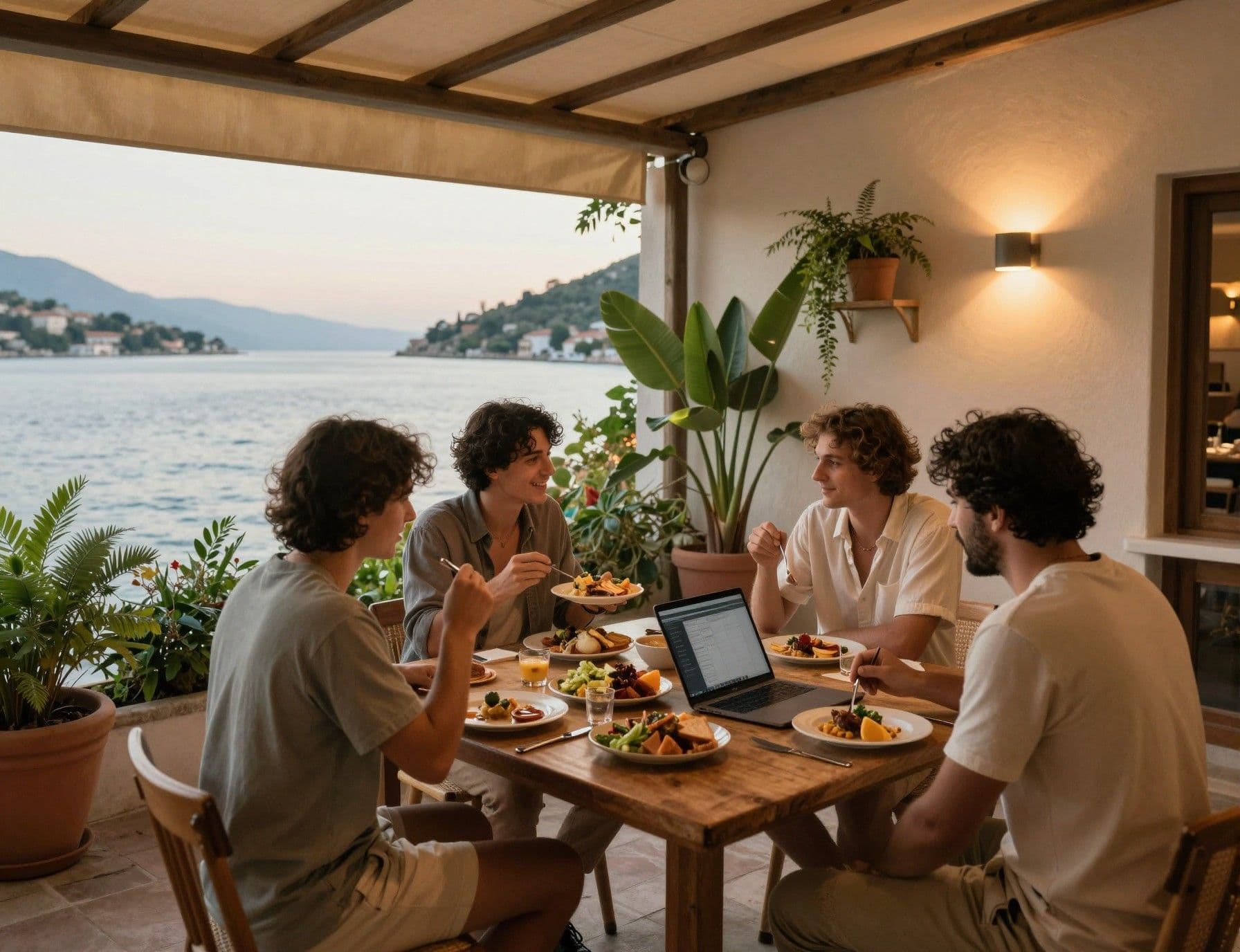
Dreams meet spreadsheets here. Croatia’s prices have climbed faster than many expect — national averages jumped in recent years — but growth is regionally uneven. The coast and islands still command premiums while inland towns remain comparatively affordable. Start with a lifestyle target (beach mornings? city coworking?) and map that to realistic price bands per square metre. Use national indexes to set your expectations, then local listings to refine them for each neighborhood.
Property types and what they cost you daily
A seaside apartment saves on commute time and gives that postcard life — but expect higher utilities, tourist wear and seasonal rental management needs. Stone townhouses require restoration budgets (moisture, insulation), while new builds bring higher VAT exposure on certain transfers. Translate property style into running costs: terraces and pools need upkeep; thick stone walls cut AC costs but may need insulation investment for winter comfort.
How to set a realistic budget in 6 steps
1) Pick your lifestyle priority (coworking + city, slow island life, or wine‑country living) and target two towns that satisfy it. 2) Check average asking prices per m² for those towns (use local portals and DZS indices). 3) Add transaction costs: 3% transfer tax is typical for private sales plus notary, land‑registry and agency fees. 4) Add renovation/resilience buffer (10–25% depending on age and exposure). 5) Factor running costs by season: utilities, insurance, short‑term rental management if you plan to let. 6) Confirm financing: local mortgage rules, deposit requirements and currency exposure.
Insider knowledge: the things expats wish they’d known
Here’s the real talk: some seaside towns swell in July and empty in November. That seasonality affects not only mood, but tax exposure and potential rental yield. Recent policy moves target empty or short‑term‑let properties — something to watch if you plan to rent. Also, internet is widely available and improving: major operators and broadband reports show solid fixed speeds in urban areas, which matters if you work during peak hours.
Community, language and small‑town customs
Croatians are warm but local networks matter: your butcher, café owner and post office clerk make practical life smooth. Learn a few phrases, show up at the market and you’ll be invited into community rituals. For nomads, coworking hubs and meetups in Zagreb, Split and Dubrovnik compress isolation. But in smaller villages, integration may require patience — budget time (and a small cultural contingency) for that transition.
Quick red flags and due‑diligence checks
• Unclear title chains — request land‑registry extracts and recent cadastral maps. • Short‑term rental limits or new vacancy taxes — check municipal rules. • Structural damp in stone houses — budget for insulation and moisture work. • Missing utility connections or informal annexes — confirm meters and permits. • Overoptimistic rental income assumptions — stress‑test yields in low season.
Working with local experts: fewer surprises, faster closings
A bilingual notary and a real estate lawyer who knows Croatian cadastral law will save you time and heartache. Local agents who live the lifestyle can point to quieter streets that still offer cafés and stable year‑round neighbours. Ask agencies for recent comparable sales, a utilities history, and introductions to local contractors. Use an accountant familiar with cross‑border tax to model dual‑residency effects and rental income tax.
Ready to make a move? Start with two short actions: map three neighbourhoods that match your daily life (work hub, grocery run, favourite café) and pull average asking prices from local portals. Then book a 48‑hour scouting trip timed outside peak summer — you’ll see the year‑round rhythm and accurately price maintenance, utilities and community life. Agencies are not just deal‑makers; they’re your local curators. Let them show you how the life you want fits the realistic budget you’ll need.
Dutch investment strategist guiding buyers to Greece and Spain; practical financing, tax, and portfolio diversification.