Turn Cyprus’s Euro Status into a Financing Edge
Use Cyprus’s euro stability and local banking quirks to secure lower financing risk—practical checks, FX moves and lender tips that make the lifestyle affordable.

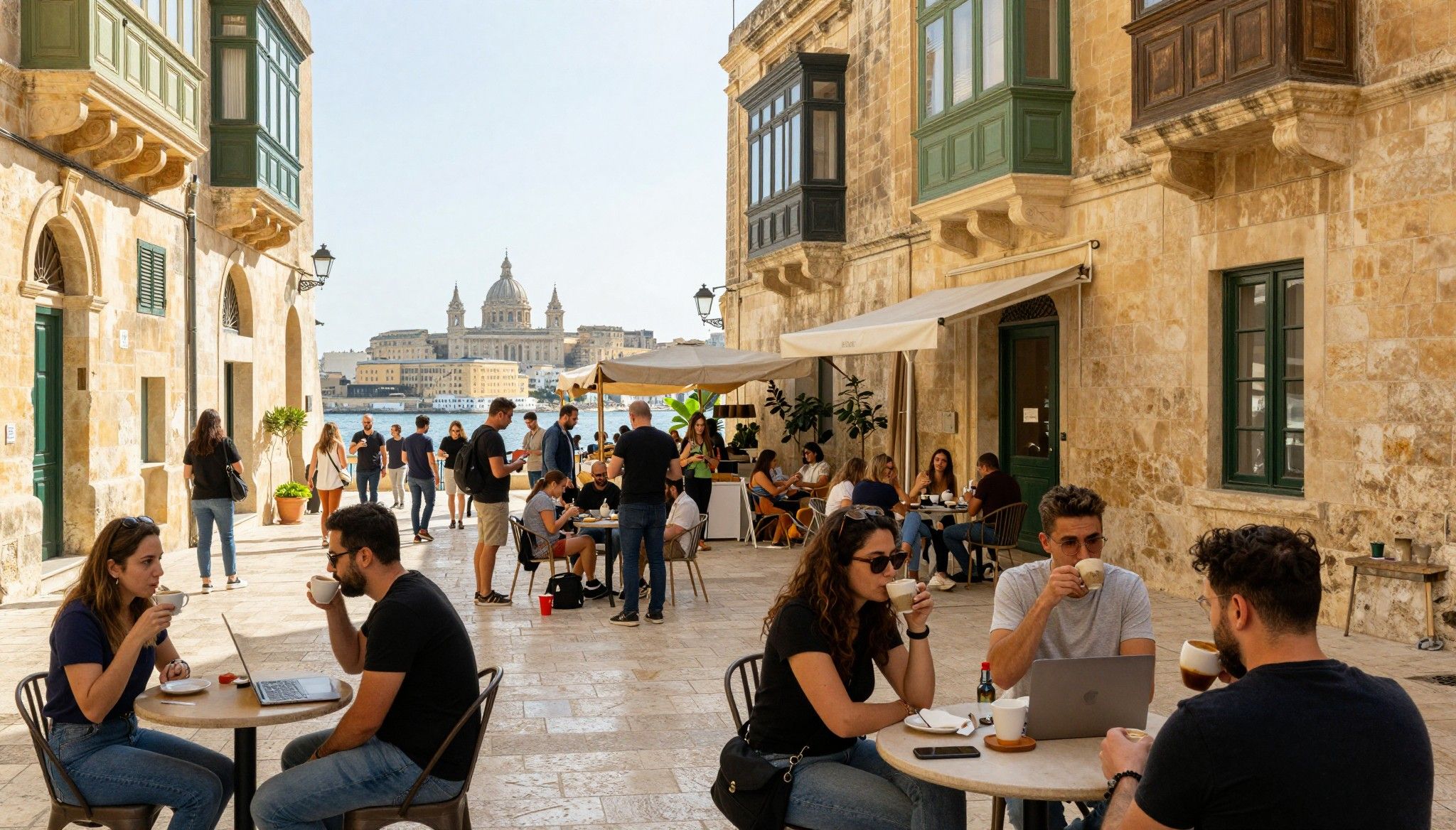
Imagine sipping a strong crema espresso at a sunlit cafe on Anexartisias Street in Limassol, laptop open, breeze carrying salt from the marina and the hum of multi-lingual conversation. That easy Mediterranean rhythm is the reason many of us picture Cyprus as the dream: beaches, villages, and a lifestyle that folds work into play. Yet the practical side—mortgages, currency risk, bank relationships—decides whether that dream becomes home or a costly lesson. This guide flips the usual sales script: we start with the life you want, then show how Cyprus's finance and banking realities can protect it.
Living the Cyprus life: sun, neighbourhoods, rhythms

Cyprus feels like a set of small towns stitched along a glittering coast and rugged interior. In Nicosia you get narrow streets, late-night meze and the rhythm of a city still finding its modern groove; Paphos offers ancient mosaics, quiet residential lanes and a growing café culture; Limassol hums with marinas, coworking spaces and international cafes where English is often the lingua franca. For nomads, it’s the easy mix: reliable cafés with decent Wi‑Fi, compact neighborhoods you can walk, and weekend rituals—farmers’ markets at Potamos, swims at Fig Tree Bay, and rooftop sundowners in Germasogeia.
Limassol & Germasogeia — coast, coworking, community
Picture mornings at WorkHub or IMH Coworking, afternoons at Lady’s Mile beach, and evenings wandering Kolonakiou’s tapas-style spots. Limassol blends marina glamour with neighbourhood practicality: small supermarkets, English-speaking clinics, and short drives to international schools. That mix matters when you price a mortgage and daily living: proximity to coworking shortens commute time, which for remote workers often translates into higher productivity and a willingness to trade a slightly higher mortgage for lifestyle gains.
Paphos & Polis — slow lanes, stone houses, seaside simplicity
If your day is beach runs and tavernas, Paphos or Polis may steal your heart. Here traditional village homes, terraces and seaside promenades define neighborhood value more than modern finishes. That affects financing: banks value clear titles and established utilities, so older stone homes might require extra checks, renovation budgets and flexible lending plans if you’re not buying brand-new.
Make the move: how Cyprus banking and financing actually work

Reality check: buying in Cyprus typically takes 3–6 months and add-on fees commonly range in the high single digits of the purchase price, depending on VAT and transfer fees. Mortgage markets are serviceable for non-residents—local banks publish competitive fixed and variable products—and headline rates have been moving with eurozone trends, giving buyers a clearer view of long-term costs. Understanding how banks in Cyprus assess non-resident applicants, the deposit requirements and the documentation needed is the fastest way to avoid surprises.
Why the euro matters — a stability advantage
Cyprus uses the euro, which removes a major layer of currency risk for buyers from the eurozone and simplifies mortgage repayment if you already earn in euros. That single fact reworks currency strategy: instead of locking complex cross‑currency hedges, many buyers can plan around straightforward euro mortgages and euro-based savings. For nomads paid in other currencies, the euro’s stability reduces volatility—but cross‑border salary timing and transfer fees still matter when moving large deposits.
What to expect from banks: deposits, LTV and rates
Local banks generally ask for 20–35% deposit from non-residents (lower for EU citizens), and loan-to-value depends on income documentation and property type. Recent published rate snapshots show banks offering a range of fixed and variable products; shopping across lenders and using a local mortgage broker often trims 0.3–0.7% off your effective rate. Bring proof of remote work income, recent contracts, and clear bank statements—Cyprus banks lean conservative after past sector stress, and documentation speeds approvals.
Insider knowledge: banking hacks, currency moves and red flags
Two things expats wish they'd known: (1) small legal or title issues kill bank approvals faster than missing money, and (2) timing transfers to bank working days and FX windows can save thousands. Cyprus has updated transfer fee and stamp duty rules recently, so confirm the current treatment for your contract date—these rules change and can affect net cost at closing. Finally, if a property requires renovation, get a local contractor’s estimate before agreeing financing; lenders will often lend against finished value, not the post-renovation dream.
Nomad-friendly banking & currency tips
- Open a local bank account early to prove a Euro banking relationship and reduce wire friction; many banks allow basic accounts for non-residents with passport and proof of address. Consider splitting your deposit: keep enough in your home currency to ride FX swings, move the rest into euros when rates are favourable to avoid last-minute transfers. Use a regulated FX service (not a high‑fee bank transfer) for large deposits—this can save 0.5–1.5% on sums that often exceed €50,000. Ask for conditional mortgage approval before making a formal offer—this helps you bid confidently and shortens closing.
Step-by-step: a nomad's financing checklist for Cyprus
- Gather 6–12 months of bank statements and two years of contracts (or tax returns) to prove income. Open a local euro account and register it with your lawyer for deposit transfers. Get a pre‑approval or indicative mortgage offer from two lenders or via a local broker. Hire a local lawyer to check title, unresolved planning permissions and utility connections before signing. Schedule FX transfers in stages to minimize risk and lock rates when favourable. Confirm final transfer fees, VAT status and Land Registry costs with your lawyer a week before completion.
Cyprus sells a lifestyle easily: late breakfasts, seaside workdays and a close‑knit community. But it’s the small financial moves—how and when you move your deposit, which bank you choose, whether your lawyer spots a title caveat—that determine whether you wake up in that sunny kitchen or wrestle with hidden costs. Start with the life you want, then use the banking checklist to protect it: euro stability, clear title, staged FX transfers and pre-approval are simple, high-leverage moves.
Ready next steps: talk to a mortgage broker, open a euro account, and book a 48‑hour due diligence sprint with a local lawyer. If you’re serious, ask your preferred agency to connect you with a broker who regularly closes non-resident loans. With a few practical finance moves you can turn Cyprus’s Mediterranean lifestyle from a postcard dream into a stable, affordable home.
Danish investor and relocation advisor focusing on Portugal and the Algarve; loves coworking culture and expat networks.