Summer House‑Hunting in France? Think Again
Why a summer house‑hunt in France can mislead: tourists, inflated prices, closed services. Visit in spring/autumn, secure financing, and budget for notaire fees and energy upgrades.
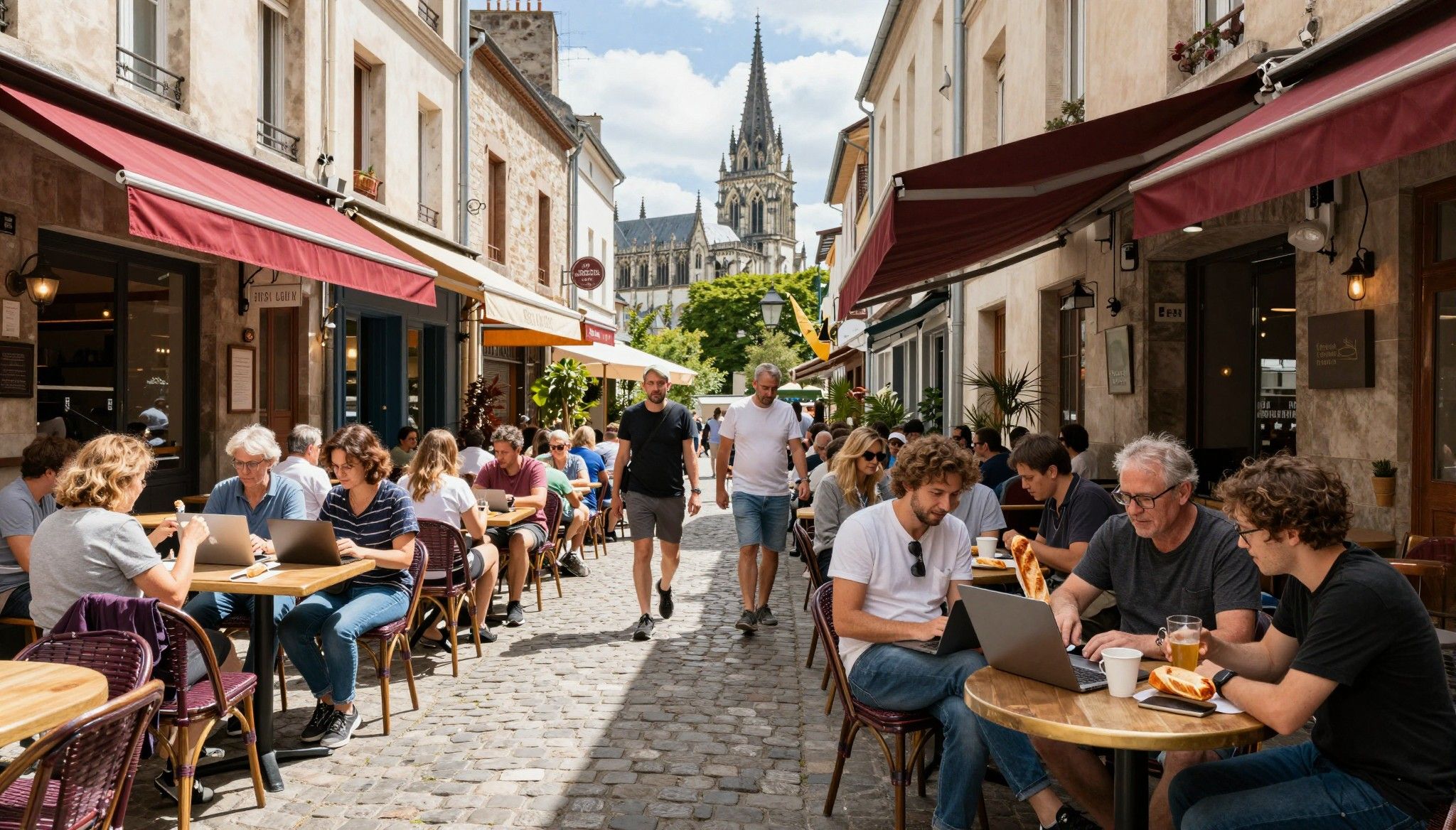
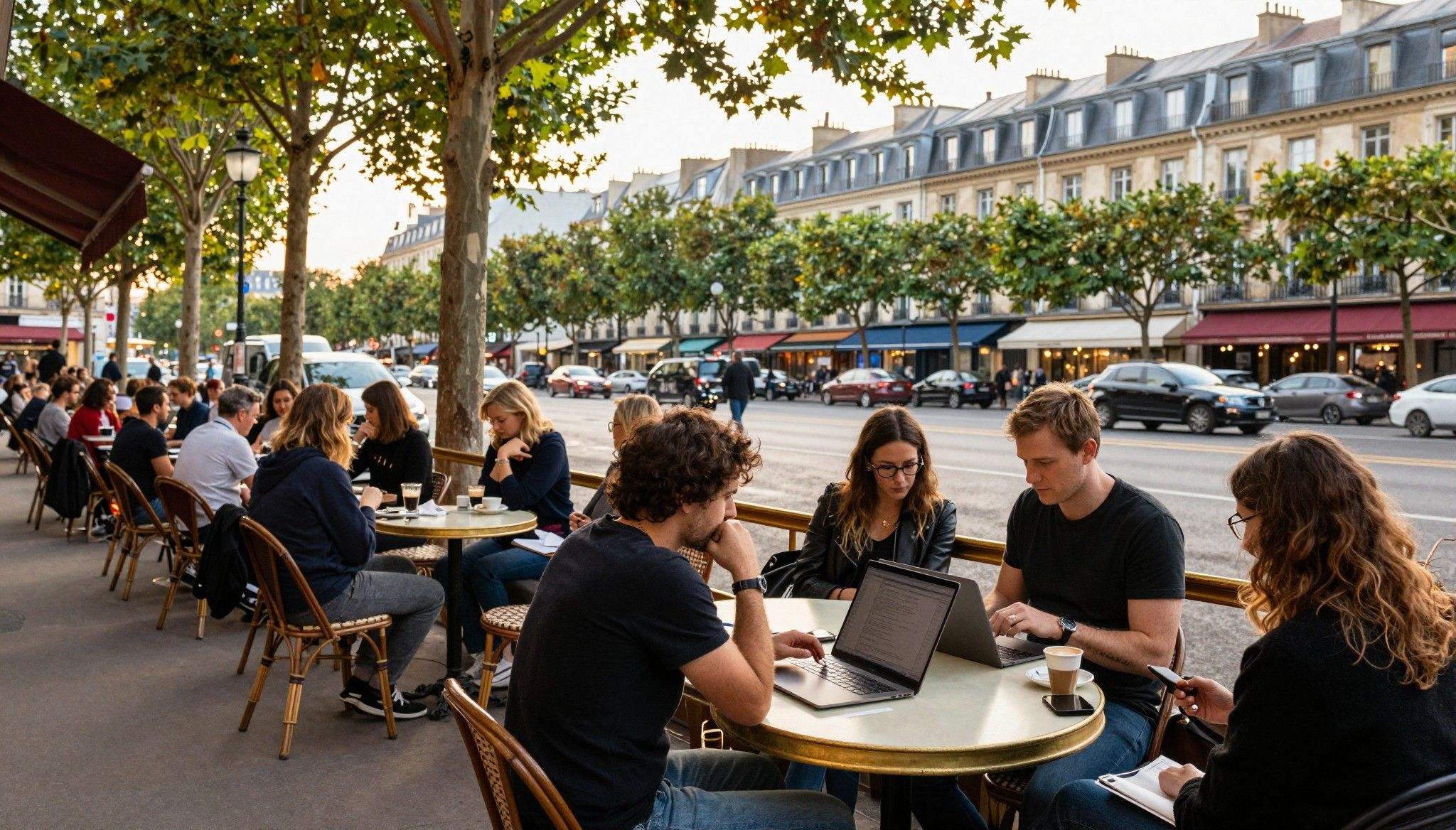
Imagine an early summer morning on Rue des Martyrs in Paris: a baker slides a tray of warm croissants onto the counter, a neighbour cycles past with fresh flowers, and the café terrace hums with remote workers on laptops. It’s intoxicating, and it’s exactly why most buyers arrive in July, hearts set on finding ‘the one’ while the city feels alive. But here’s the contrarian truth: summer might be the worst time to house-hunt in France if you want value, choice, and a realistic sense of life after moving.
Living the French life — the reasons we fall in love
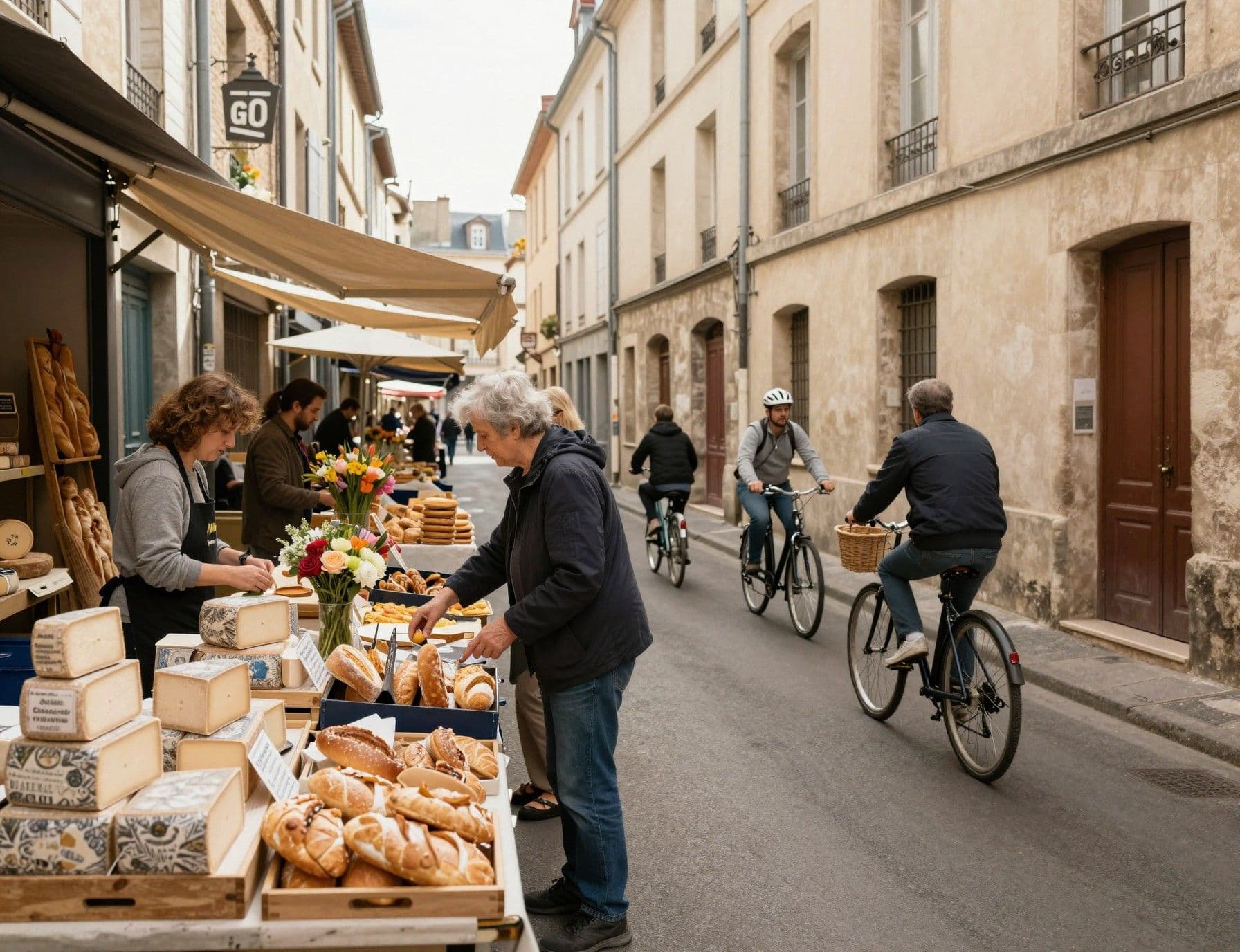
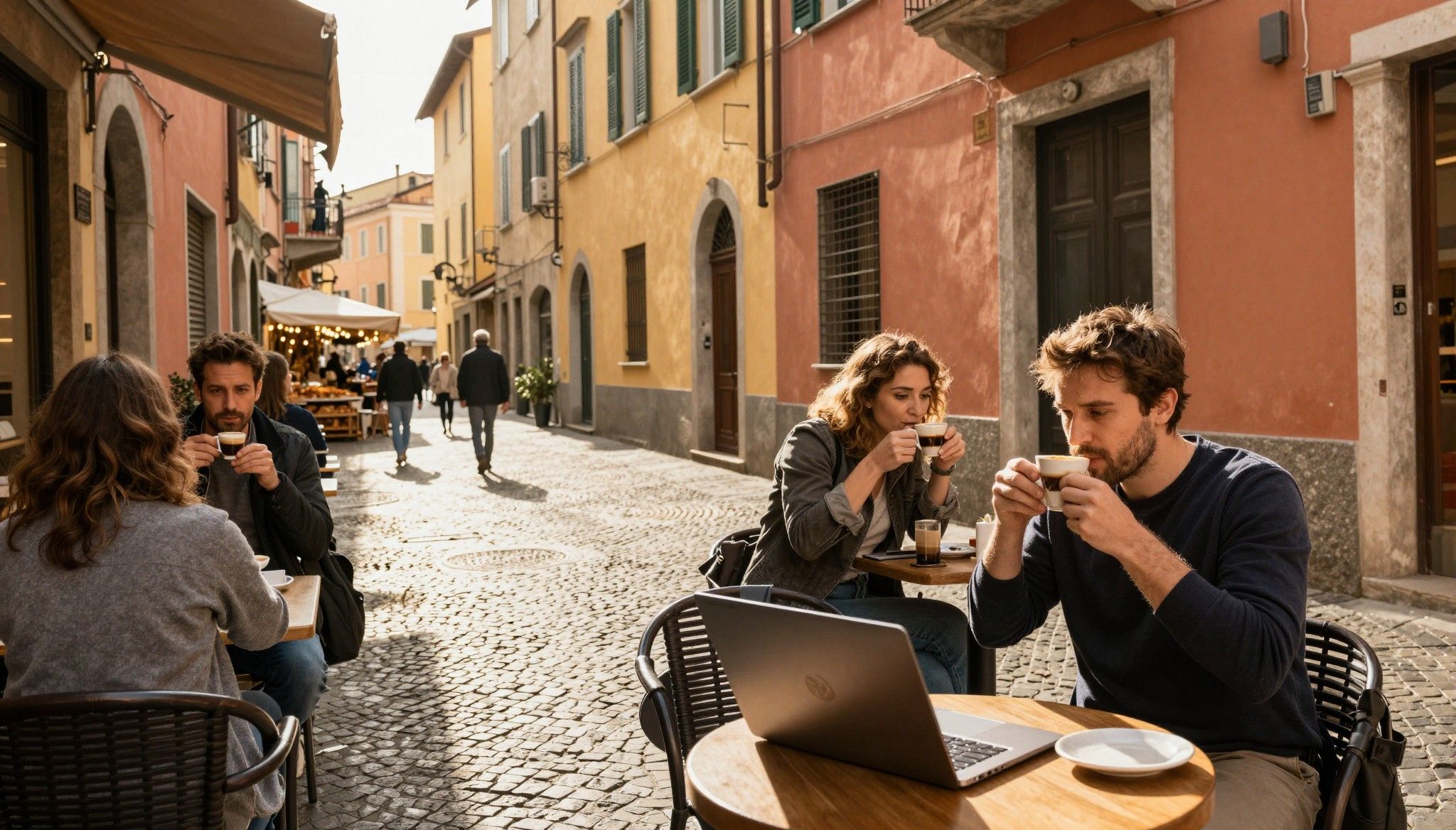
France sells itself with small moments: marché mornings, aperitif evenings, and slow Sundays in neighbourhood bistros. From Marseille’s Vieux-Port to Lyon’s Croix-Rousse and Biarritz’s surf breaks, daily life is sensory and social. For nomads, the pull is clear — cobbled streets that double as outdoor offices, cafés with reliable Wi‑Fi, and regions where markets dictate your week.
Paris: Streets, cafés, and micro-neighbourhoods
Walk the 9th and 10th arrondissements and you’ll see why locals choose them: bakeries open at dawn, coworking spots on side streets, and micro-communities that trade favours. But central Paris also hides small flats with high price-per-metre ratios and seasonal listing patterns — real choices depend on understanding when sellers test the market.
Coastal towns and wine country: life that slows down (in a good way)
From the quiet beaches of Île de Ré to the hilltop villages of Provence, the appeal is outdoor living: brunch on terraces, evening pétanque, and markets overflowing with local produce. Yet these same places flip into tourist mode in July–August, giving visitors a false sense of normal life and skewing prices and availability.
- Lifestyle highlights you’ll actually use: Rue Cler market (Paris), Vieux Port (Marseille) strolls, Le Panier cafés in Aix, Cap Ferret oysters, Marché Forville in Cannes.
Making the move: how market timing, prices and financing collide
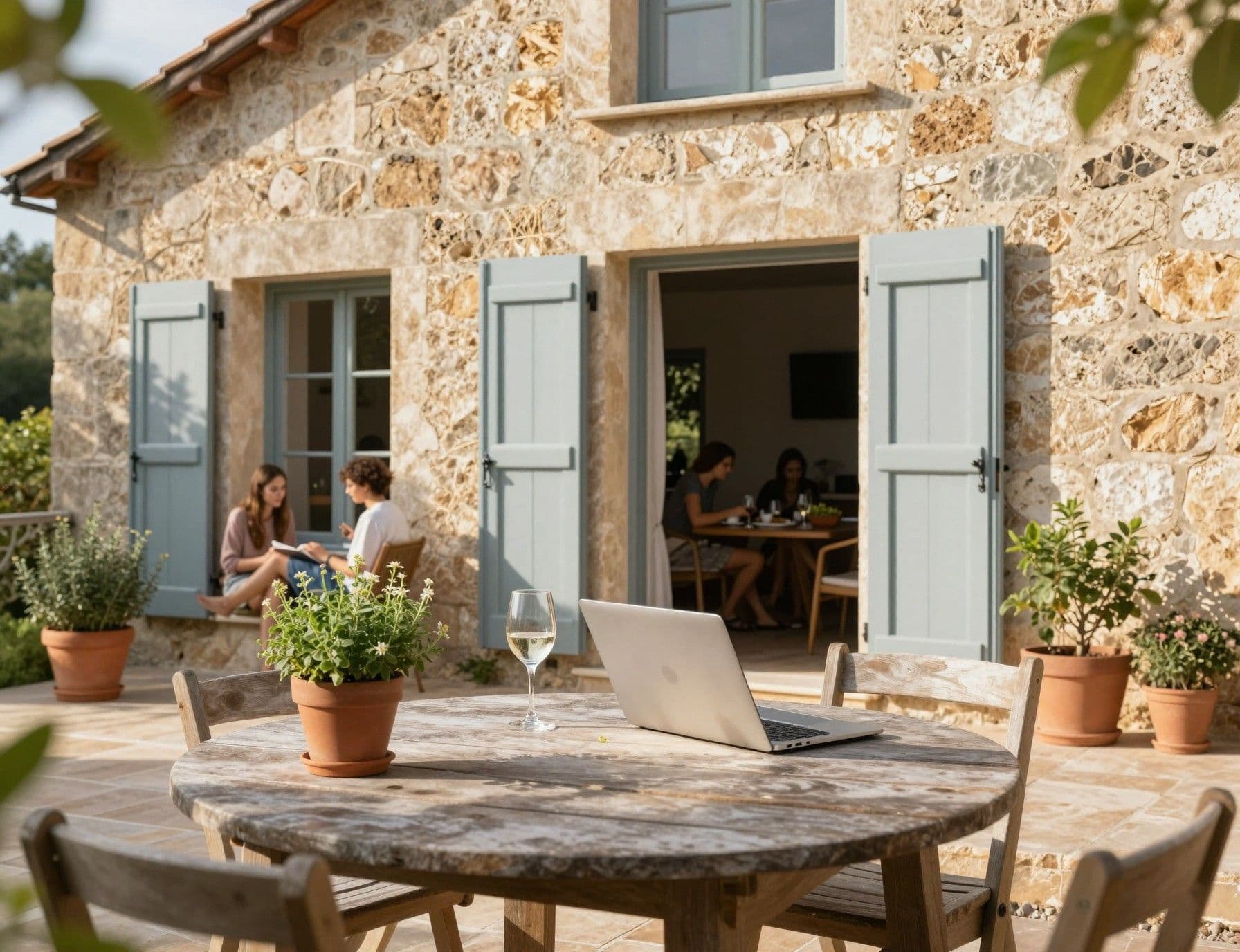
Summer feels like the perfect audition month — cities seem friendlier and coastlines glitter — but the data tell a different story. Notaires reports show market stabilisation and localized rebounds through 2025–2026, with transaction patterns that reward buyers who search in shoulder seasons rather than peak tourist months. Price movements and lender behaviour also shift throughout the year, and foreign buyers who only visit in summer can misread demand signals.
Property styles and what they mean for day‑to‑day life
France’s housing stock is varied: compact Parisian flats, stone farmhouses in Dordogne, modern villas on the Riviera. Pick by rhythm: do you want a terrace for morning calls, or a cellar for long-term storage and renovation projects? Remember closing costs differ by property type — older homes commonly attract higher transfer taxes and notaire fees (often ~7–8%) while new builds carry different VAT and lower registry charges.
Working with local experts who get both life and paperwork
The right estate agent and notaire shape the outcome. Agents provide lifestyle matching — they can suggest neighbourhoods that fit your remote‑work routine — while notaires handle legal transfer and tax compliance. For internationals, a bilingual agent and a mortgage broker experienced with non-resident files will speed approvals and flag currency issues early.
- Steps that blend lifestyle and finance: 1. Visit off-season (spring or autumn) to feel everyday life and compare true asking vs. discounted prices. 2. Get a pre-approval from a French bank or international lender familiar with non-resident mortgages. 3. Factor in notaire fees, departmental DMTO increases, and renovation budgets before making an offer. 4. Use a short-list of neighbourhoods and test-rent for 1–3 months to confirm your fit.
Insider knowledge: financing, currency and negotiation truths
Interest rates on new housing loans have been moving but by late 2025 averaged near low single digits for many borrowers. French banks lend to non-residents but often require larger down payments (typically 20–30%) and detailed proof of income. Currency risk matters: converting a single large payment in peak season can cost more than spreading exchange over time with a specialist FX plan.
Practical financing tips for internationals
- Smart money moves: - Lock in a mortgage rate after getting at least three offers from French and international banks. - Use forward contracts or staged transfers to manage EUR conversion for deposit and balance payments. - Budget 7–8% for closing on older properties and 2–3% for new builds, then add renovation and energy-upgrade costs. - Check DPE (energy performance) ratings — poor ratings can hit resale and financing options.
Why summer visits mislead — a checklist
- What summer hides: - Tourist-driven rental rates that inflate perceived neighbourhood value. - Closed municipal offices and key services (some town halls and school offices slow down), delaying checks. - Fewer long-term residents available to talk to about noise, transport, and neighbour dynamics. - Limited property viewings concentrated in short windows, which reduces bargaining power.
Real expats we spoke with say their best decisions came after a winter or spring stay when they could see weekday rhythms and talk to neighbours over a café au lait. Combine that kind of on-the-ground insight with hard data from notaires and INSEE to avoid impulse offers made under a holiday spell.
What I wish I’d known: cultural and long-term lifestyle notes
Language, community and day-to-day living
French neighbours value routine: greetings in the hallway, polite weekend calm, and participation in local marchés. Learn simple phrases, attend a market day, and you’ll be surprised how quickly doors open. For nomads, co‑working meetups and local English-speaking community groups often start online — use them to test your social fit before committing.
Long-term practicalities that shape lifestyle
- Plan for the future: - Factor in energy retrofits (DPE) for older properties — these affect comfort and resale. - Consider proximity to transport for weekend travel and to international airports for family visits. - Think about rental potential if you travel — some regions have strong short-term yields while others favour long-term lets.
Conclusion — fall for the life, plan like a buyer: visit off-season, lock sensible financing, and meet the neighbours. France offers world-class lifestyle variety; pairing that romance with timing, local expertise and financial planning will turn a holiday crush into a lasting home. When you’re ready, find an agent who treats lifestyle as seriously as spreadsheets — they’ll be your best local translator of both culture and contracts.
Danish investor and relocation advisor focusing on Portugal and the Algarve; loves coworking culture and expat networks.