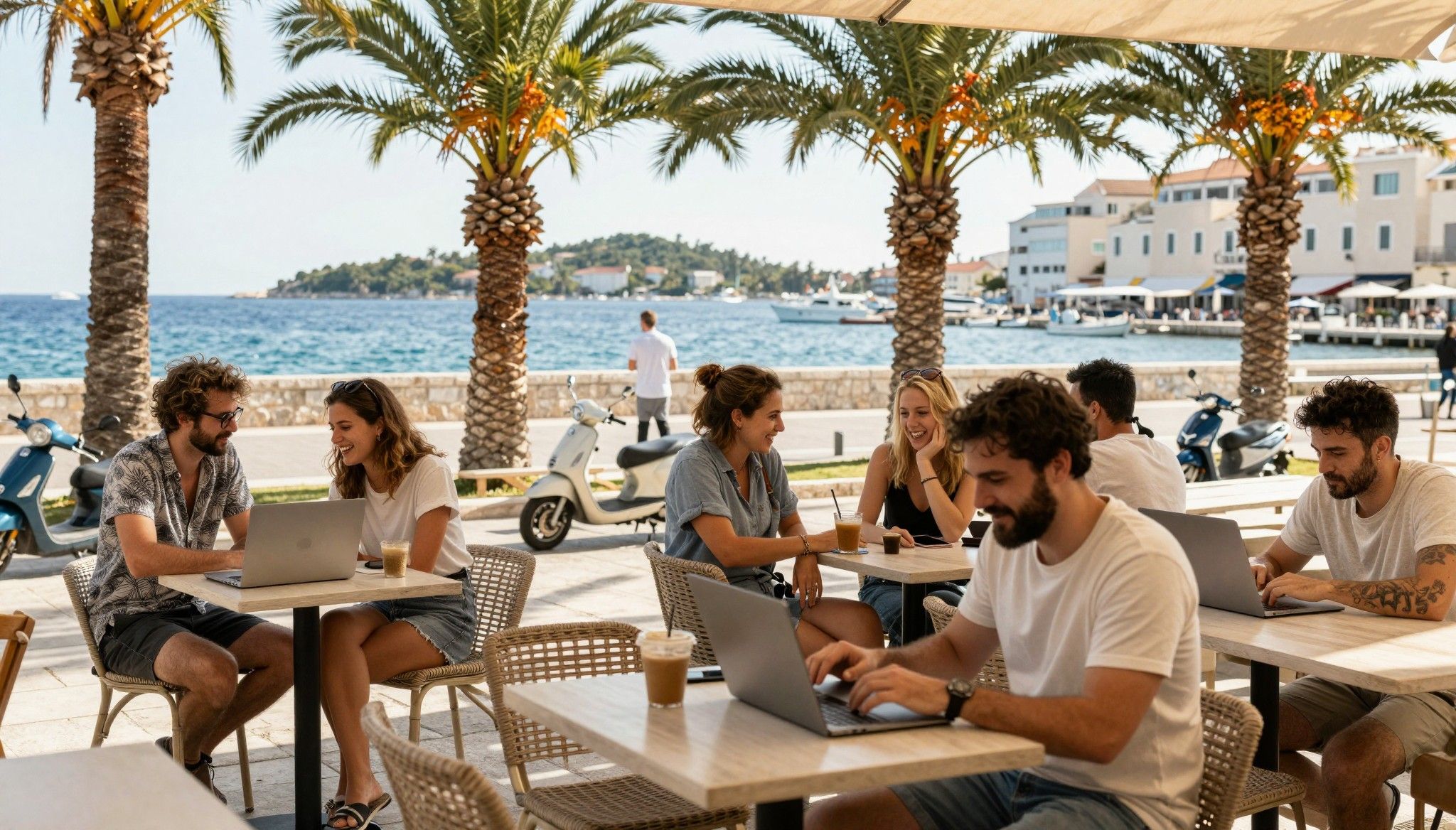
Love Malta — Then Buy Smart
Fall for Malta’s limestone streets and seaside rhythm — then buy with local data: steady price growth, tight coastal supply, and lifestyle-first priorities.
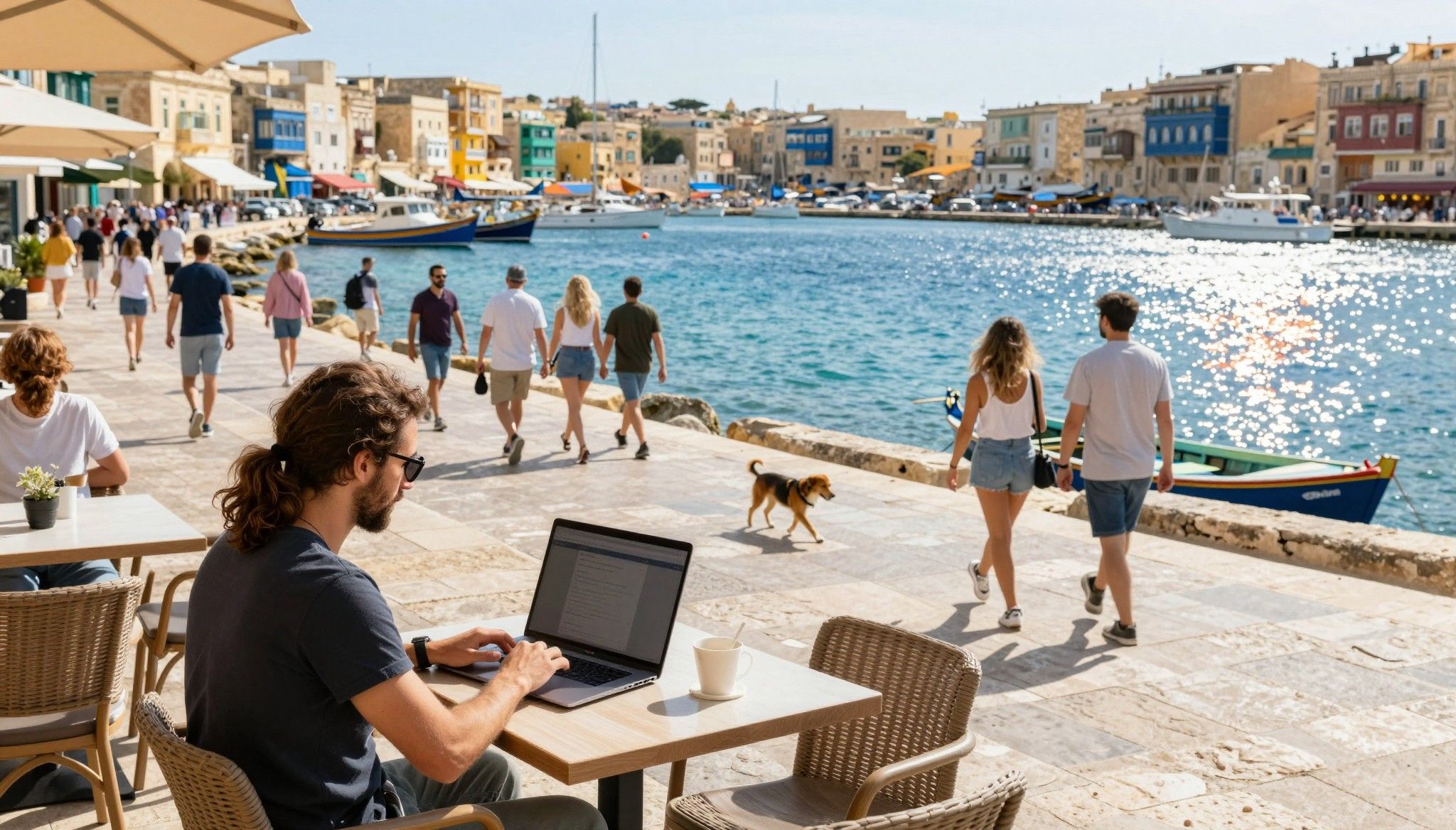
Imagine waking up to limestone streets warmed by morning sun, holding an espresso on a small balcony that looks over a cluster of baroque roofs and the glittering Mediterranean. That’s Malta: compact, loud with church bells, intimate with neighborly bakeries, and startlingly efficient for remote workers who crave both history and fast Wi‑Fi. For international buyers, Malta is seductive — but the island’s small size, seasonal rhythms and quirky market dynamics demand a strategy that pairs feeling with facts.
Living the Malta lifestyle
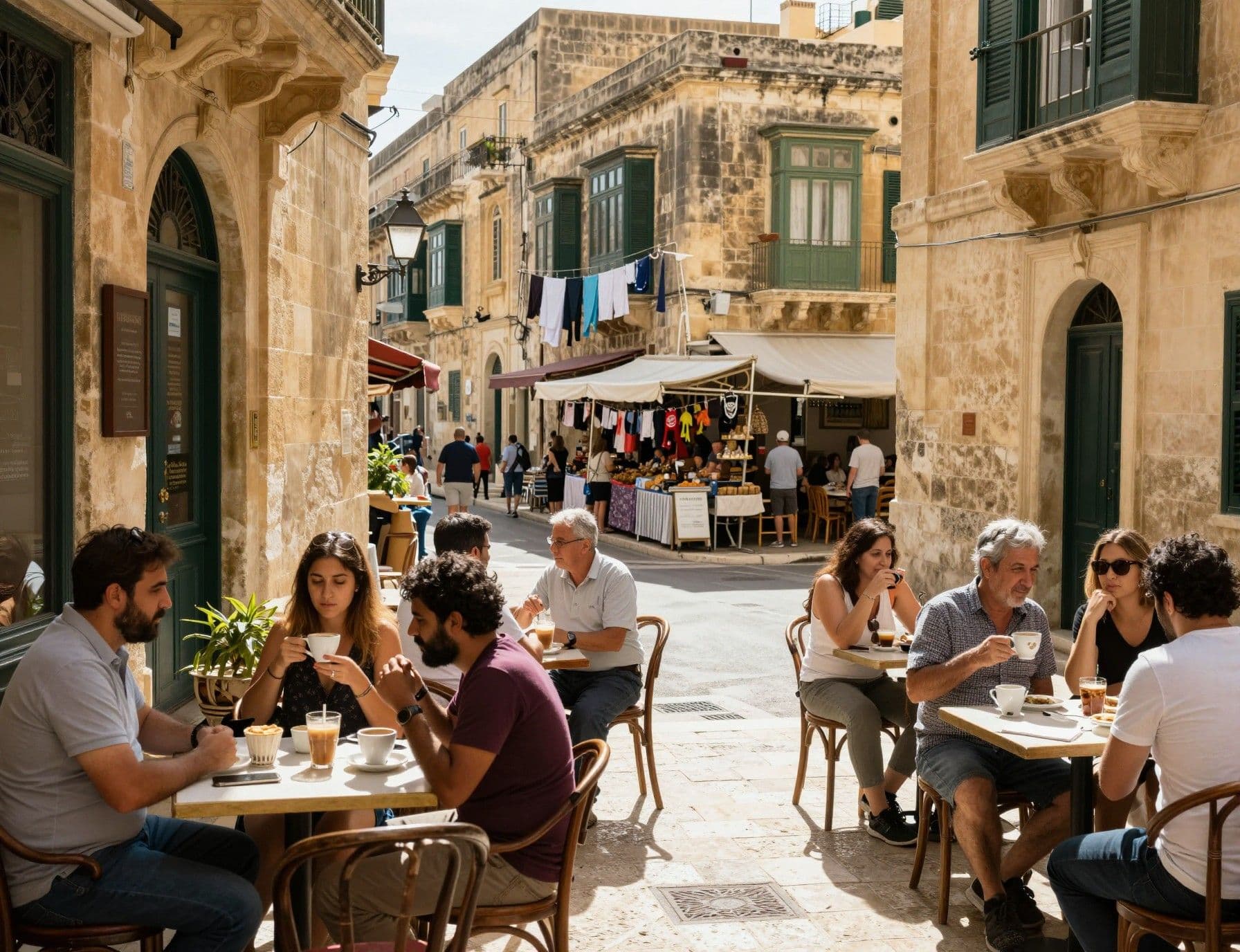
Daily life in Malta moves at Mediterranean pace: slow coffee rituals in the morning, a productive late-morning stretch for work, then friends and food in the evening. Streets in Valletta whisper history underfoot; Sliema and St. Julian’s pulse with cafes and coworking desks; narrow lanes in Mdina promise quiet, while Marsaxlokk’s fishing port offers weekend ritual. You’ll find English widely spoken, a lively expat social scene, and neighbours who still greet you by name — all inside an island that’s a 30–60 minute commute between most places.
Valletta, Sliema & St. Julian’s: city vs. sea
Valletta is theatrical: baroque facades, small rooftop terraces and apéritif culture that spills onto Republic Street. Cross the harbour to Sliema and you hit seaside promenades, boutique cafés, and an easy mix of short-term renters and long‑term residents. St. Julian’s (Paceville aside) has upmarket apartments, strong coworking options, and the biggest concentration of bars and restaurants — great if you want social life within walking distance of your desk.
Food, markets and weekend rhythms
Morning markets are where you learn Maltese rhythm: fresh tuna in Marsaxlokk, sun‑sweet tomatoes in local stalls, and bakeries handing out ftira before 9am. Evenings belong to small trattorias and family-run wine bars where the local talk is as nourishing as the food. Summers are festival-heavy — open-air concerts, festas lighting up towns — and winters are quiet, perfect for scouting properties without the tourist crowd.
- Lifestyle highlights: Valletta rooftop cafés; Marsaxlokk Sunday fish market; Tigné Point promenade for evening walks; Ta’ Xbiex marina sunsets; coworking hubs in Sliema and St. Julian’s.
Making the move: practical considerations
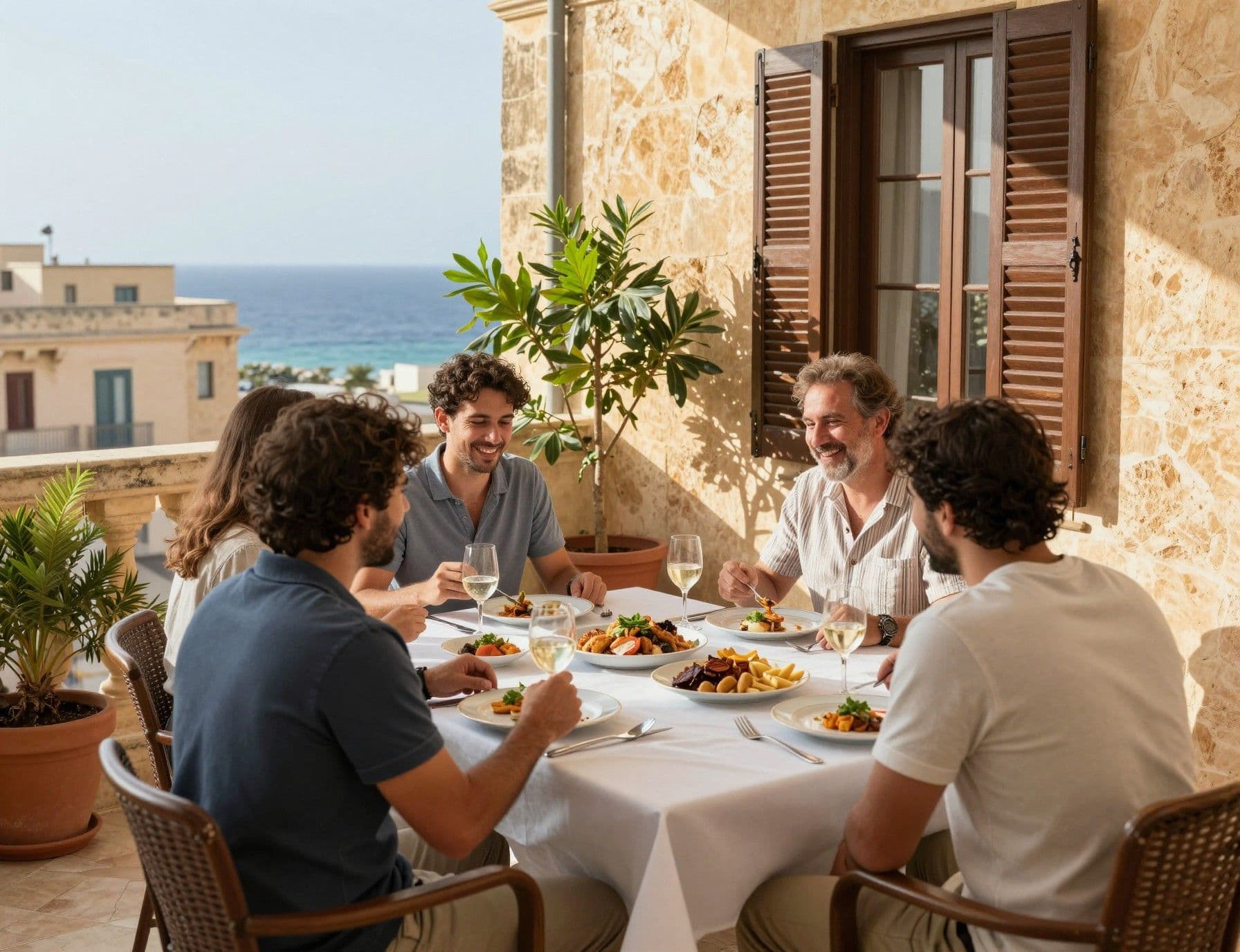
The lifestyle sells dream‑scenes, but prices and supply are tightly concentrated. Malta’s Residential Property Price Index has shown steady annual gains in recent years, and transaction volumes and rents have firmed according to local industry reports. That means: act quickly on the right property, expect two-tier market dynamics (mainstream apartments vs. high‑end palazzos), and use data to temper passion before you bid.
Property styles: maisonettes, conversions and modern apartments
Stone maisonettes with internal courtyards are quintessential Malta: characterful, cool in summer, but sometimes cramped for full‑time remote work unless reconfigured. Modern conversions and new-builds around Sliema or Tigné Point offer lift access, terraces and better insulation — useful for comfort and resale. Think how you’ll actually work: a quiet bedroom office, a terrace with shade, reliable fibre or 5G reach — these features matter more here than a marble finish.
Working with local experts who know the lifestyle
A local agent who lives the island lifestyle can point you to quieter side‑streets that still have great cafés, or to buildings with rooftop access that make summer tolerable. Look for agencies that specialise in expat relocations and flexible rentals — they'll understand short‑term rental demand, residency paperwork, and which neighborhoods fill up with remote professionals seasonally. Good agents also know off‑market listings and can advise on renovation practicality for limestone properties.
- Move-smart checklist: 1) Prioritise fibre or reliable 5G coverage before anything else. 2) Choose a neighbourhood by daily rhythm (quiet mornings vs. lively evenings). 3) Inspect roof ownership and common area rules for maisonettes. 4) Ask agents for recent rental yields if you plan to let. 5) Factor seasonal demand: July–August show highest tourist pressure.
Insider knowledge: what expats wish they'd known
Expat life in Malta is rewarding — but small-island quirks surprise newcomers. Parking scarcity, complex rooftop ownership rights, and sometimes over-optimistic asking prices are common frustrations. On the flipside, English-language services, compact commutes, and an easy social calendar make integration fast. Knowing these tradeoffs ahead of time keeps the romance intact while preventing regret after the keys are handed over.
Cultural integration & everyday social life
Make friends by joining local meetups, language cafés and coworking events — the islands host active international tech and creative groups. Participate in a festa, try volunteering at a food market, or take a Maltese cooking class to slot into local rhythms fast. Expect warm but private neighbours; hospitality is genuine, and invitations multiply once you join community activities.
Longer-term lifestyle & investment realities
If you plan to stay long-term or rent out, Malta’s market shows steady appreciation and a tight rental segment in core coastal areas. Recent reports note continued price growth and a bifurcated market where luxury assets pull averages upward. That means realistic pricing, careful due diligence and a trusted local conveyancer are non-negotiable — but so is imagining the life you want before the spreadsheets.
- Red flags local buyers flag: misleading floor plans; unclear roof/airspace ownership; communal maintenance left vague; agents valuing asking price over comparables.
Picture yourself six months after moving: a morning run along Sliema promenade, a reliable coworking desk two tram stops away, dinner with friends on a terrace that catches the sunset. Buying in Malta is as much about choosing that rhythm as it is about square metres. Start with lifestyle, test the neighbourhood at different times, then bring in data and a local team to make the dream durable.
Next steps: visit for a long weekend outside peak season, meet two local agents (ask for recent comparable sales), check fibre/5G at the exact address, and get a conveyancer to flag rooftop and common‑area clauses. If you want help connecting with vetted Malta agents who specialise in expat lifestyles, we can introduce you to specialists who balance the dream with the deed.
Swedish, relocated to Marbella in 2018 to chase sun and property freedom. Focus on legal navigation and tax for Nordic buyers.