Italy Neighbourhoods: Live the Rhythm, Buy with Data
Fall for Italy’s daily rhythms — markets, cafés and seasons — while using up-to-date market data and neighbourhood checks to turn romance into a smart purchase.
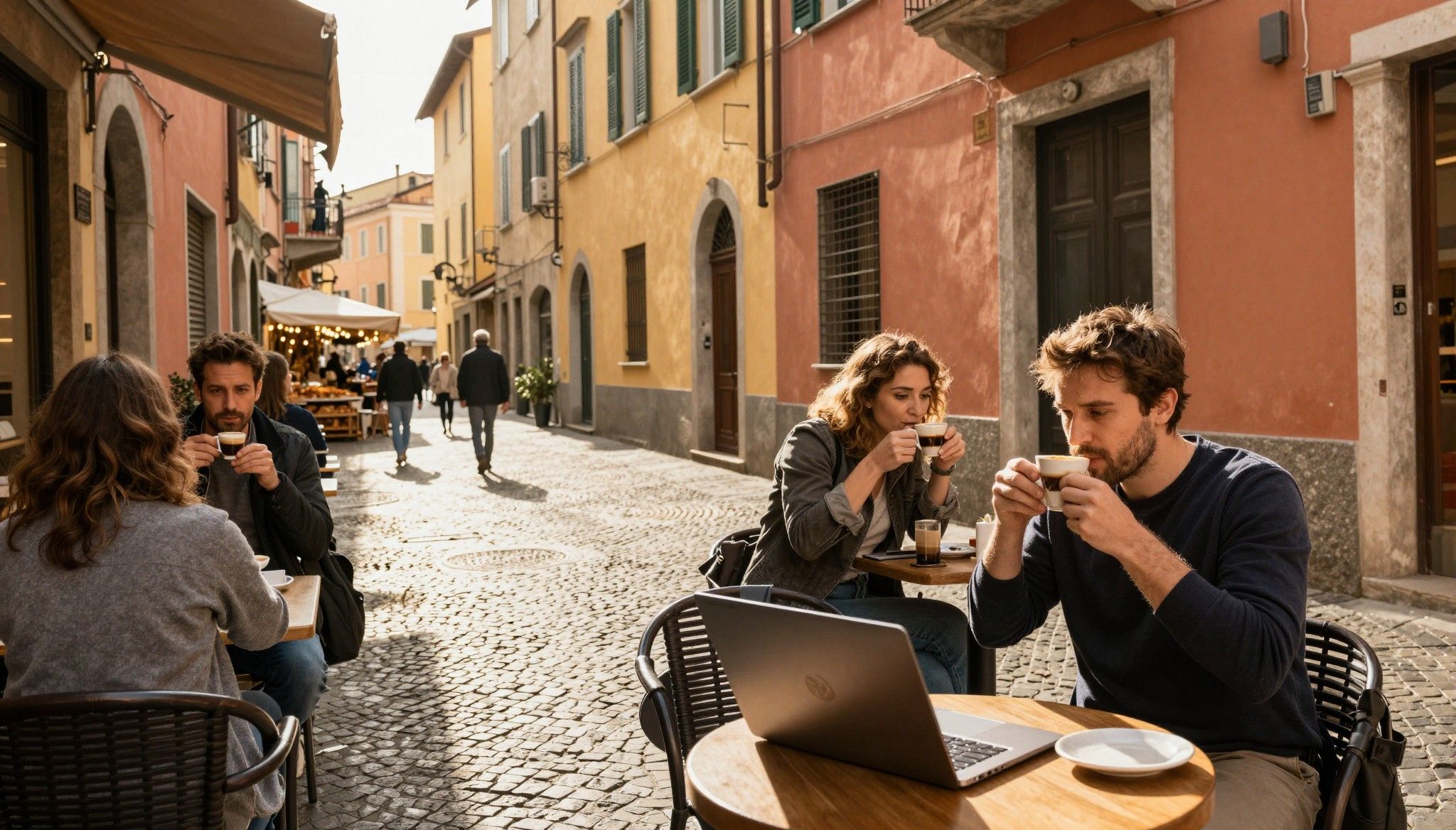
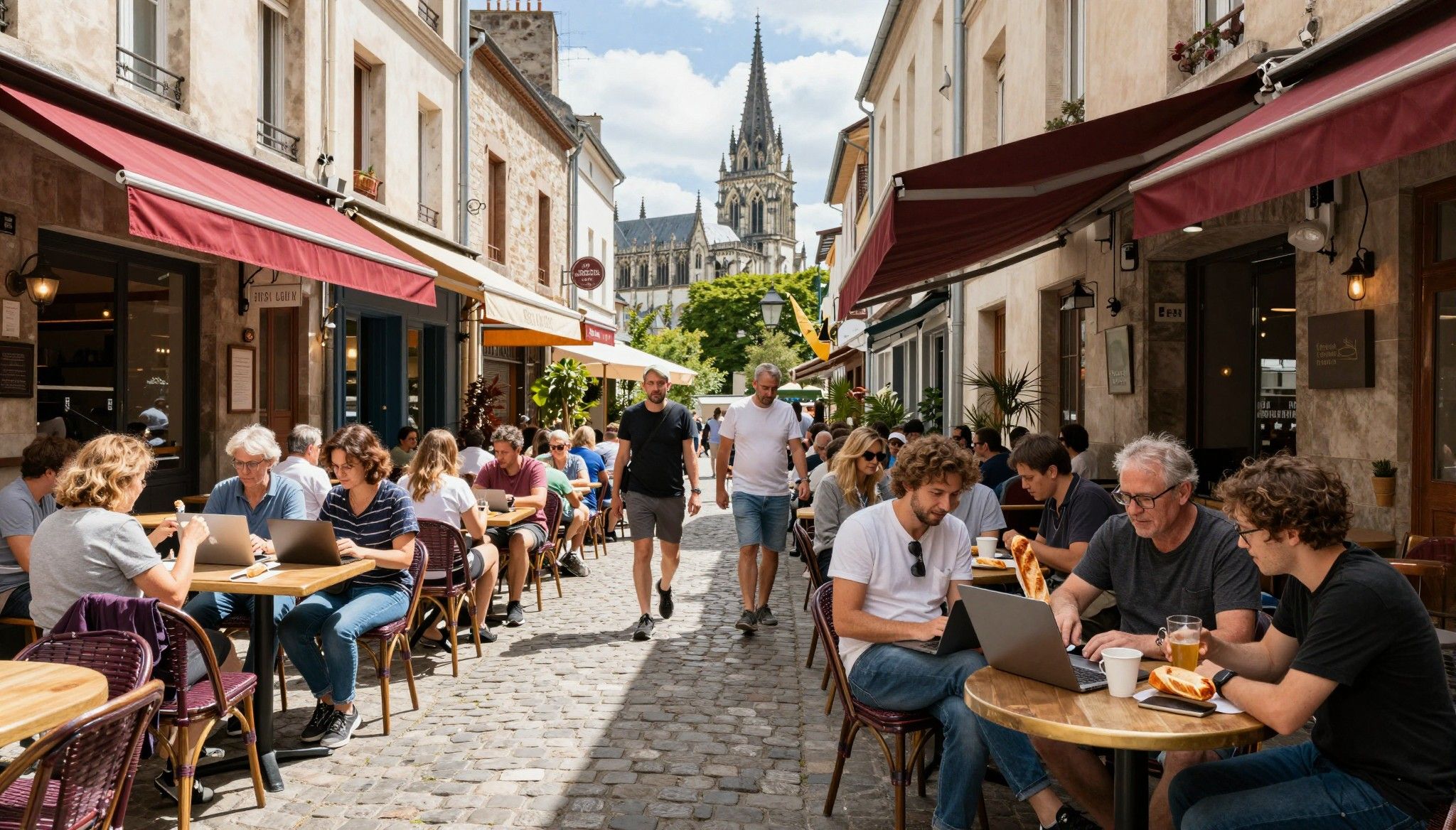
Imagine stepping out for a morning espresso on a narrow Roman side street, then opening your laptop at a sunlit café and joining a coworking session by noon. Italy still sells that cinematic life — terracotta roofs, village markets, and aperitivo hours that stretch into golden evenings. But for international buyers, the romance is only part of the decision: neighbourhood rhythms, broadband, seasonal shifts and local rules shape whether that dream is daily reality or a postcard. This piece blends neighborhood love notes with hard facts so you can fall for Italy and buy with your eyes wide open.
Living the Italy Life — Streets, Sounds, Seasons
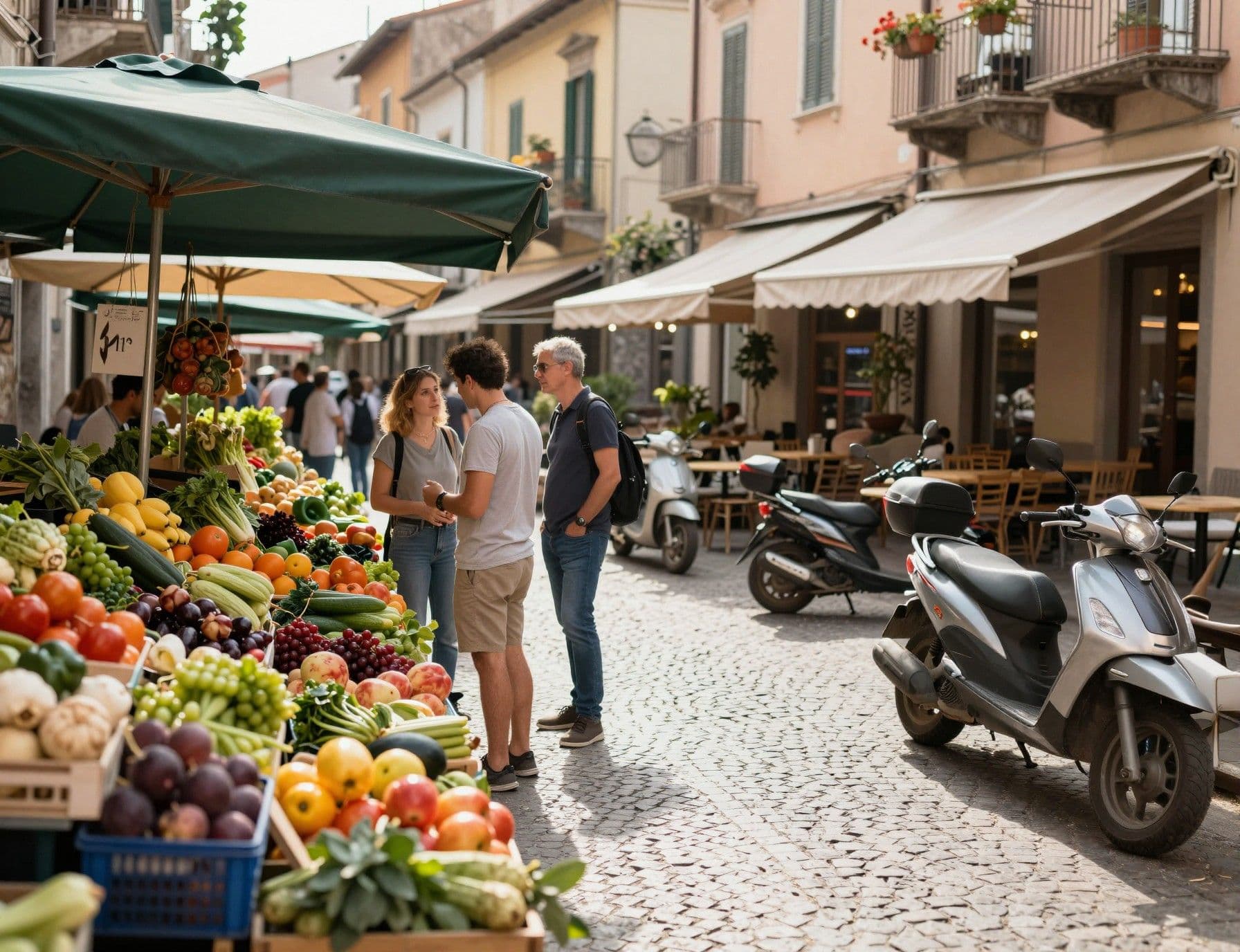
Italy’s daily rhythm varies by place: coastal towns wake to fishermen and markets, city centres hum with scooters and late-night trattorie, and hilltop villages slow to an unhurried pace. You’ll notice differences in sound (church bells vs. tram brakes), smell (basil from a market stall vs. salty sea air) and pace — and those sensory shifts affect where you’ll want to live. If you crave cafés and people, Rome’s Trastevere or Milan’s Navigli feel electric; if you prefer silence and olive groves, look to Umbria or parts of Puglia. Choosing a neighbourhood isn’t just about property type — it’s choosing a daily soundtrack.
Neighbourhood Spotlight: Rome’s Trastevere vs. Prati
Trastevere is a village-in-the-city: cobbled lanes, lively bars and an easy expat social life that helps newcomers plug in fast. Prati, just across the river, is cleaner, greener and more residential — better for daytime remote work and families but quieter at night. For nomads, Trastevere gives instant community and cafe-based working spots; Prati offers steadier internet, calmer streets and closer access to administrative offices near the Vatican. Walk both neighbourhoods before you pick sides — the vibe difference is immediate and decisive.
Food, Markets and the Weekend Ritual
Weekends in Italy are made for markets, gelato stops and long lunches. In Rome, Testaccio market is where chefs and locals collide; in Bologna, arcaded streets serve up tagliatelle and lively aperitivi. These food rhythms matter for property choices: living near a market means daily fresh produce and social rituals; living in a quieter suburb might mean weekly runs but more space and lower prices. When you imagine life here, picture the market, not just the floorplan.
- Lifestyle highlights to scout in neighbourhood visits: • Morning: local café with reliable Wi‑Fi and friendly staff • Midday: market access (fruit, fresh pasta, artisan cheese) • Afternoon: green space or terrace for outdoor work • Evening: a regular trattoria or aperitivo spot where you can meet neighbours • Weekend: easy transport to coast or countryside for day trips
Making the Move: Practical Considerations That Match the Lifestyle
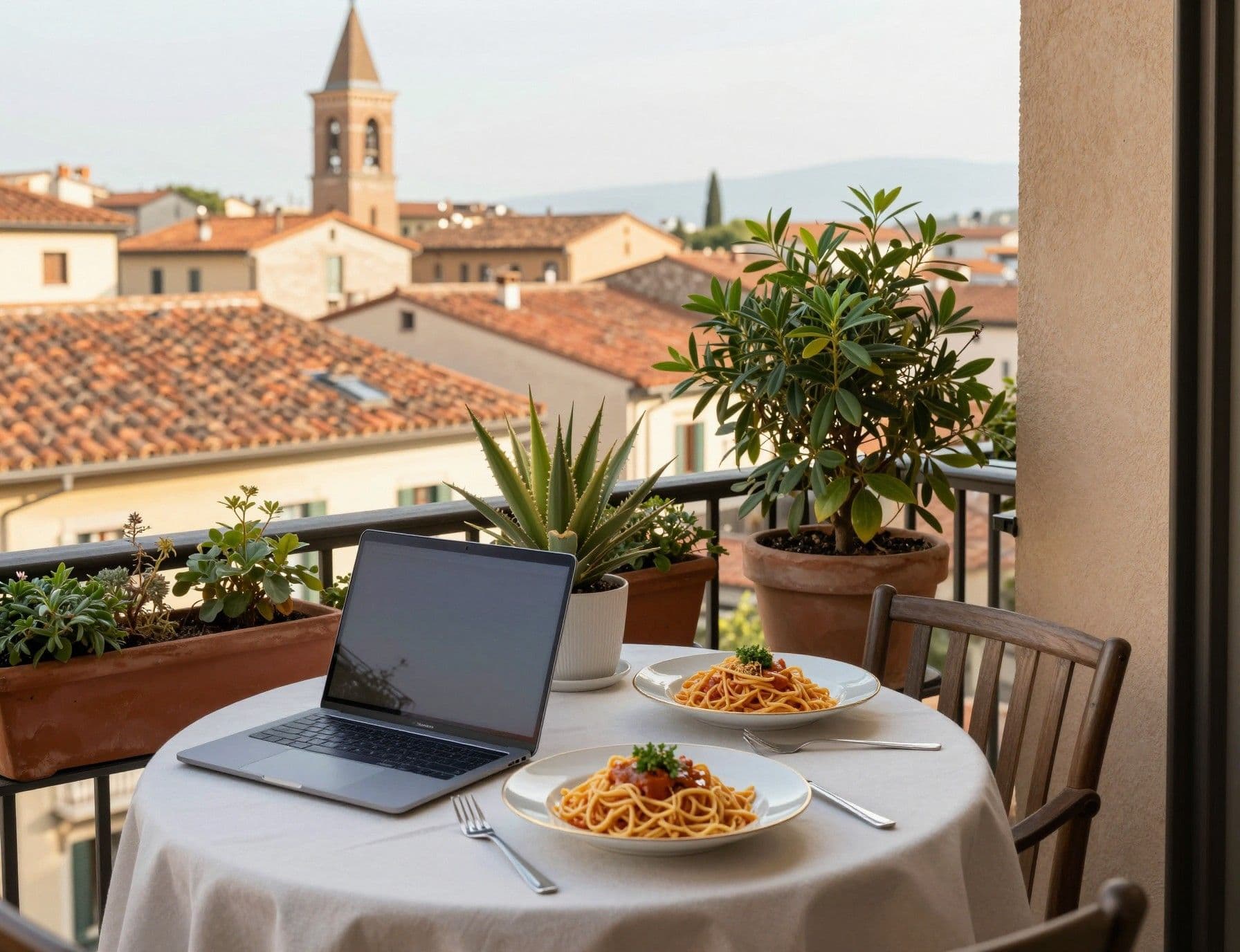
Romance meets reality when you add market numbers and logistics. Italy’s asking prices averaged €2,179/m² in March 2026, with urban pockets like Milan and central Rome notably higher. But national averages hide big regional variation: coastal Puglia or inland Umbria deliver far more space for the same budget compared with city centres. Use up‑to‑date listing portals and local market reports to map lifestyle priorities against price and availability before you fall in love with a single address.
Property styles & how they shape daily life
Historic palazzo apartments offer light, character and centrality but often come with narrow staircases and limited elevators — think romantic, not barrier‑free. Newer builds and renovated townhouses deliver modern wiring, terraces and better work-from-home layouts. If you prioritise a sunny terrace for midday calls or fiber for reliable uploads, favour modernized apartments or properties with recent renovations. Ask sellers for wiring certificates and recent renovation invoices — those details predict how workable the space will be for remote work.
Working with local experts who get your lifestyle
- Steps to pair lifestyle goals with the right local agency: 1. List your daily non-negotiables (Wi‑Fi speed, coworking within 10 minutes, terraces). 2. Ask agencies for examples of properties that matched similar client lifestyles. 3. Request proof of connectivity (ISP name, available fiber on the street). 4. Visit neighbourhoods at different times of day to test sound, light and crowd levels. 5. Get local references — expat groups, cafe owners, or coworking managers who know the area.
Insider Knowledge: What Expats Wish They’d Known Before Buying
Real buyers tell two stories: one of small, daily pleasures and another of administrative realities. Prices rose in 2024–2025 and listings show steady demand in city hubs, so act with data, not panic. Many expats underestimate seasonal noise (tourist summers can make central streets feel very different) and overestimate the speed of renovations. Check local market trends and consult recent national stats when timing an offer, especially since regional dynamics diverge sharply from national averages.
Cultural integration, language & community
You’ll make faster friends if you learn basic Italian and join local rhythms: the morning café, the weekend market, the neighbourhood soccer pitch. Certain quartieri host stronger English-speaking communities — Trastevere, Testaccio and parts of Prati do this well — while other areas reward language effort with deeper local ties. For parents, check proximity to international schools; for remote workers, check coworking meetups and digital nomad Facebook groups for local introductions.
Long-term lifestyle: seasons, renovations and resale
Think long-term: coastal properties shine in summer but can be quieter (and pricier to maintain) off-season; central apartments stay lively year-round but can be noisier. Fixer-uppers offer character and value but expect longer timelines — Italian renovation permits and heritage rules slow projects. Prioritise properties with documented recent upgrades for easier resale, and verify broadband options now rather than after purchase — good connectivity is non-negotiable for nomads.
- Red flags to spot on viewing trips: • No evidence of fiber or unreliable Wi‑Fi tests • Overly staged listings that hide structural quirks • Missing paperwork for renovations or unclear condo rules • Properties in purely tourist blocks that empty out off-season • Sellers who resist straight answers about energy or maintenance costs
If Italy feels like a love affair, treat the purchase like a partnership. Fall for the markets, the cafes and the light — but bring a local realtor who knows registration quirks, a technician to verify connectivity, and a lawyer to check the paper trail. Start by visiting neighbourhoods at different times, mapping daily routines, and asking agencies for proven matches to your lifestyle wish list. Then, when you sign, you’ll be choosing more than a home: you’ll be choosing the life you want to wake up to.
Ready to explore neighbourhoods that match your tempo? Use listing data, national house price reports and on-the-ground visits to make choices rooted in both heart and facts. When in doubt, test rent in a favoured quartiere for three months — living somewhere beats imagining it. Then reach out to a local agency that specialises in expat lifestyles and digital-nomad needs; they’ll help translate your day-to-day wish list into a practical property plan.
British expat who moved from Manchester to Mallorca in 2017. Specializes in market analysis and helping fellow Brit navigate local regulations.