Budgeting Croatia: VAT, Transfer Tax & Season Costs
Practical, lifestyle-first budgeting for buying in Croatia: calculate VAT vs transfer tax, seasonality costs, and realistic closing percentages (6–10%) to protect your dream.
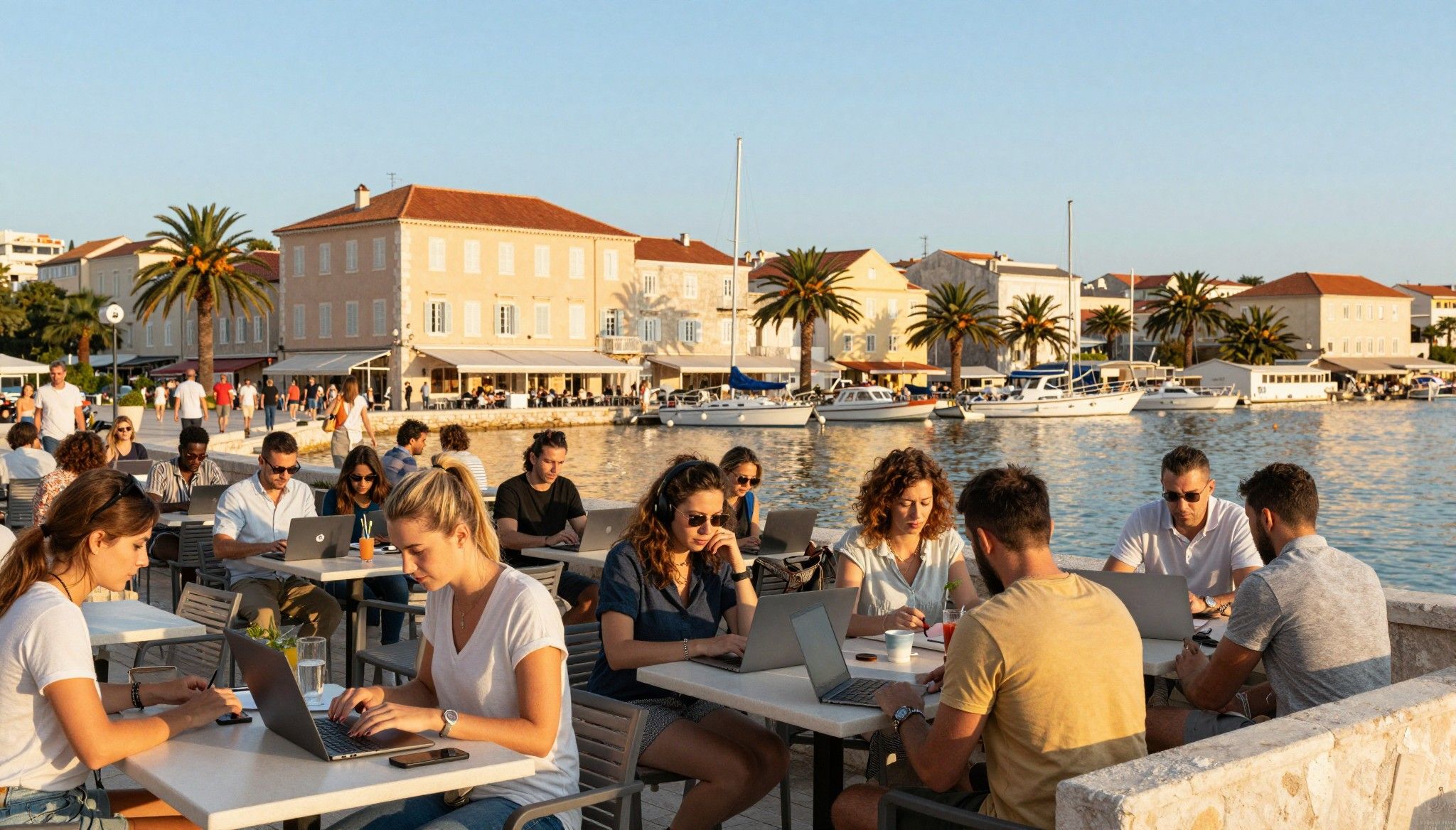
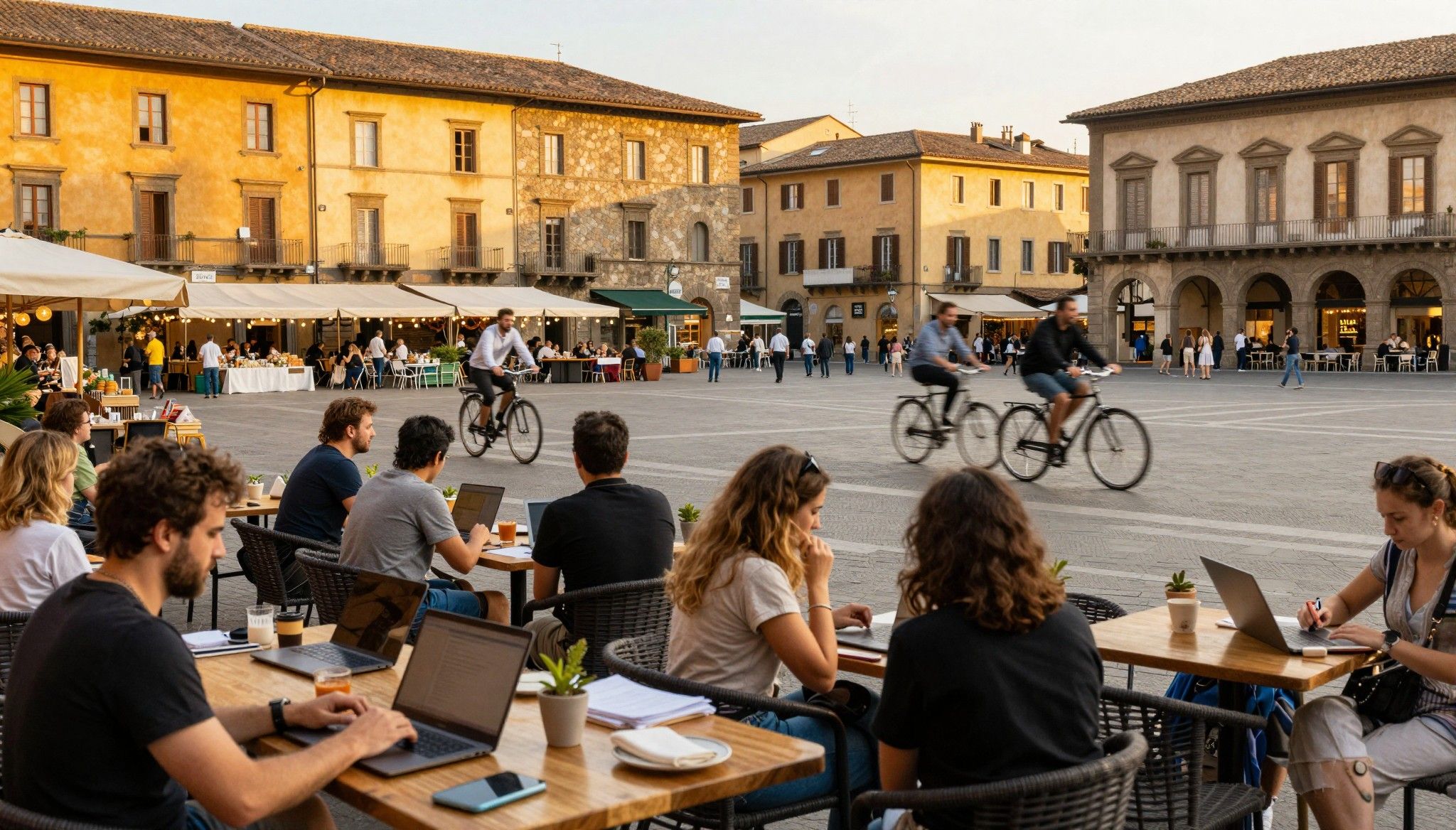
Imagine sipping espresso on Split’s Riva at 8 a.m., then clocking into a coworking space with fibre-fast internet by 9:30. Croatia hands you sunlit, seaside routines and medieval streets in the same week — and that lifestyle should shape your budget before square metres do.
Living Croatia: daily rhythms that shape budgets
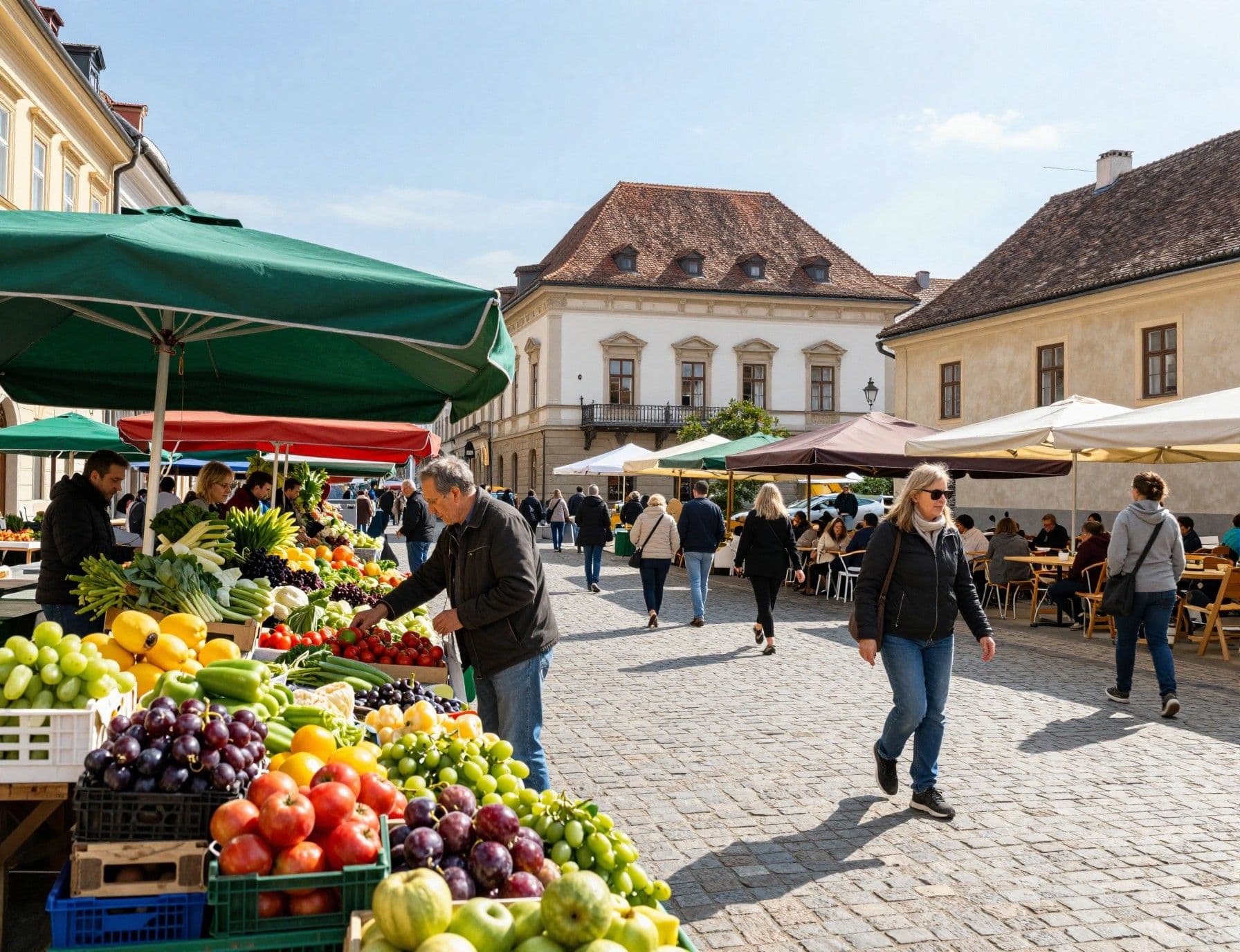
Croatia isn’t one mood — it’s Adriatic coastlines, baroque towns, and continental hill-country blended with EU stability. Day-to-day life means market mornings (think Dolac market in Zagreb), coffee culture that stretches into long conversations, and summers that rewire neighbourhood life toward terraces and seafood. Those rhythms change costs: a coastal apartment needs AC, parking, and tourist-season maintenance; an inland villa trades seaside premium for heating and insulation.
Coastal pulse: Split, Dubrovnik and island life
On islands and in coastal towns the seasonality is severe. Streets hum from May to September and hush for the rest of the year. That means higher rental income potential — and higher upkeep. Think: sewage inspections, summer utilities, tourist permits and occasional concierge services. If you plan to rent, factor in management fees and a maintenance buffer of 1–2% of property value annually.
Urban life: Zagreb, Rijeka, Osijek — culture and stability
Cities give more predictable living costs: year-round demand, coworking scenes, cafés and reliable public services. Condos near Zagreb’s Vlaška or Split’s Varoš offer coworking proximity and better year-round occupancy if you rent. Expect slightly lower season-driven maintenance but factor in municipal charges, parking permits and occasionally higher property taxes for certain districts.
- Lifestyle highlights that affect budgeting: • Morning markets: Dolac (Zagreb), Pazar (Split) — fresh food budgets shrink; eating out budgets flex in tourist season. • Beaches: Bačvice (Split), Zlatni Rat (Brač) — proximity adds premium to price per m². • Cafés & coworking: Nova coworking hubs in Split and Zagreb mean higher demand for apartments with dedicated workspace. • Festivals: Ultra, Outlook, local feast days — short-term rental peaks but also local noise and extra cleaning costs. • Island logistics: ferry schedules and winter closures can add transport costs and influence occupancy.
Making the move: the money steps most nomads miss

Dreams meet bureaucracy. Before you fall for a stone façade, know the legal money steps: confirm whether you need Ministry consent (non‑EU nationals sometimes do), check if VAT applies (new builds often include VAT and avoid the 3% transfer tax), and budget for notary, translation, registration and agency fees. Official channels carry the rules — but practical costs live in market practice.
Key purchase costs to budget (real examples)
- Step-by-step cost checklist: 1. Purchase price — market rates vary; national stats show house price index growth (~4.5% YoY in early 2025). 2. Real estate transfer tax — generally 3% when VAT not charged; new builds with VAT may be exempt. 3. Agency commission — commonly 2–3% plus 25% VAT (who pays can be negotiable). 4. Notary & registration fees — modest but fixed; expect a few hundred to a couple thousand euros depending on transaction. 5. Legal fees & translations — budget a clear quote; lawyer review is essential for expat buyers. 6. Contingency — add 2–3% for surprises like municipal certificates or utility reinspections.
Why VAT vs transfer tax matters to your bottom line
If a developer’s price includes VAT, you typically skip the 3% transfer tax — but the headline price might already reflect VAT. That means a new-build can look expensive on paper but be cheaper after taxes than an older flat with transfer tax. Always ask sellers to show the tax status and check invoices before committing.
Insider knowledge: expat lessons that save thousands
I’ve seen buyers fall for a pretty rooftop view and forget the ferry timetables, or skip a lawyer because the seller “speaks good English.” Expats who thrive do three things differently: they budget for seasonality and maintenance, ask for complete municipal and building documentation, and lock in local experts early — an agent who knows island logistics, a lawyer fluent in Croatian property law, and an accountant familiar with cross-border tax implications.
Cultural and practical red flags to watch
- Red flags and how to handle them: • Missing land-registry extract — demand it. • Unclear VAT status — confirm with seller’s invoice. • No written quotation for agency/management fees — get it in the contract. • Overpromised rental income during peak season — model conservative yearly occupancy. • Seller pressuring for quick signature — pause and ask for a lawyer review.
Working with local experts who protect the lifestyle
- How to assemble your on-the-ground team: 1. Lawyer: verify land register, encumbrances, and prepare a Croatian contract. 2. Local agent: not just listings — they understand neighbourhood seasonality and hidden maintenance costs. 3. Accountant/tax advisor: run projected rental income vs. tax scenarios (VAT, income tax, local surtaxes). 4. Property manager: for island or short-term rental properties, get quotes for summer-only management vs. year-round care. 5. Surveyor/engineer: insist on a technical inspection for older stone houses (roof, foundations, damp).
Practical budgeting template (example figures)
Example: buying a €200,000 coastal apartment from a private seller: €200,000 purchase price; €6,000 transfer tax (3%); €6,000 agent commission (3% + VAT sometimes); €1,500 legal & notary costs; €2,000 initial maintenance/renovation buffer. Total closing and immediate costs ≈ €15,500–€20,000 (7–10%). Always add 2–3% contingency for admin surprises.
Longer-term life: how budgets evolve after you close
After closing, expect annual costs that matter to nomads: utilities (summer AC, winter heating), homeowner association fees for condos, and periodic repairs for older stone homes. If you plan to rent, decline overly optimistic gross yield numbers; model net yields after taxes, platform fees and vacancy. Croatia’s house price indices have shown steady growth in recent quarters — but growth is regionally uneven, so micro-location matters more than national headlines.
- Ongoing budget checklist: • Annual property tax and municipal charges — check local rates. • Insurance — include evacuation and rental coverage if hosting guests. • Maintenance fund — for roofs, terraces, and island-specific wear. • Booking management fees — if renting short-term, budget 20–30% of revenue. • Renovation/resilience upgrades — seismic checks in older buildings and insulation for energy savings.
Croatia can be affordable, magical and surprisingly practical — if you budget like you live here, not like a tourist. Start with lifestyle priorities (which neighbourhood, what season), layer in legal and tax reality, and hire local specialists early. That combo protects your dream and the euros behind it.
Ready to take the next step? Collect: a written fee estimate from your lawyer, a clear VAT statement from the seller, and at least two local quotes for property management. With those in hand you’ll know whether your coastal espresso habit fits your budget — or whether a quieter continental town gives you more life for the same money.
Swedish, relocated to Marbella in 2018 to chase sun and property freedom. Focus on legal navigation and tax for Nordic buyers.