Croatia Budgeted: Lifestyle Costs, Taxes & Seasonal Tradeoffs
Plan for Croatia’s lifestyle first—then the numbers. Expect 4–9% extra costs, reciprocity checks for non‑EU buyers, and seasonal value swings that reshape budgets.
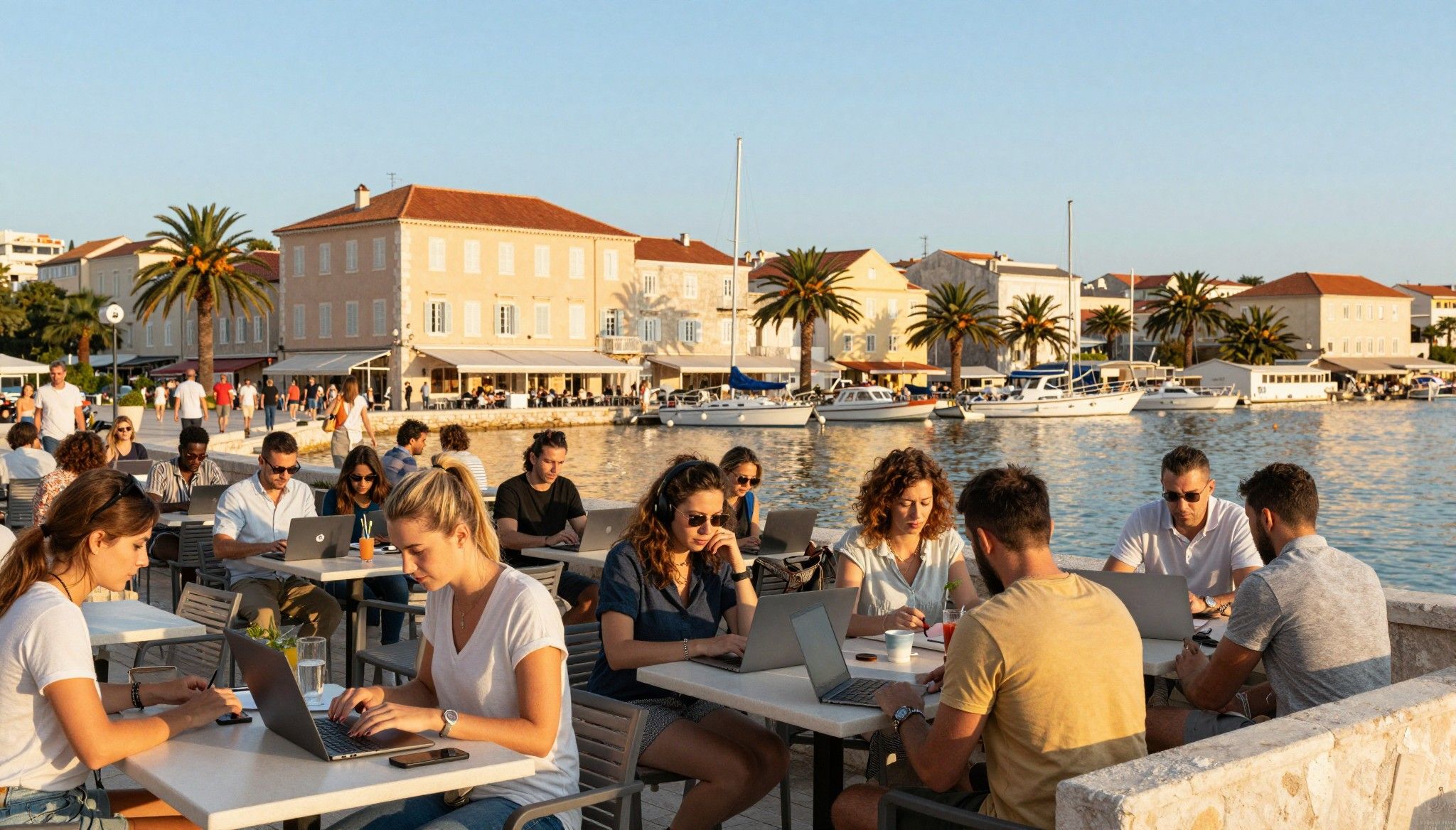
Imagine finishing a day with an espresso on Split’s Riva, laptop closed, the Adriatic lighting up as fishermen haul their catch. Croatia feels like a Mediterranean postcard—stone streets, pine-scented coastlines, buzzing summer markets—but if you’re budgeting for that life, romance alone won’t get you to closing day. This piece mixes the day-to-day pleasures of living in Croatia with exact costs, surprising trade-offs, and the real numbers international buyers should plan for.
Living the Croatia life: what you’ll wake up to
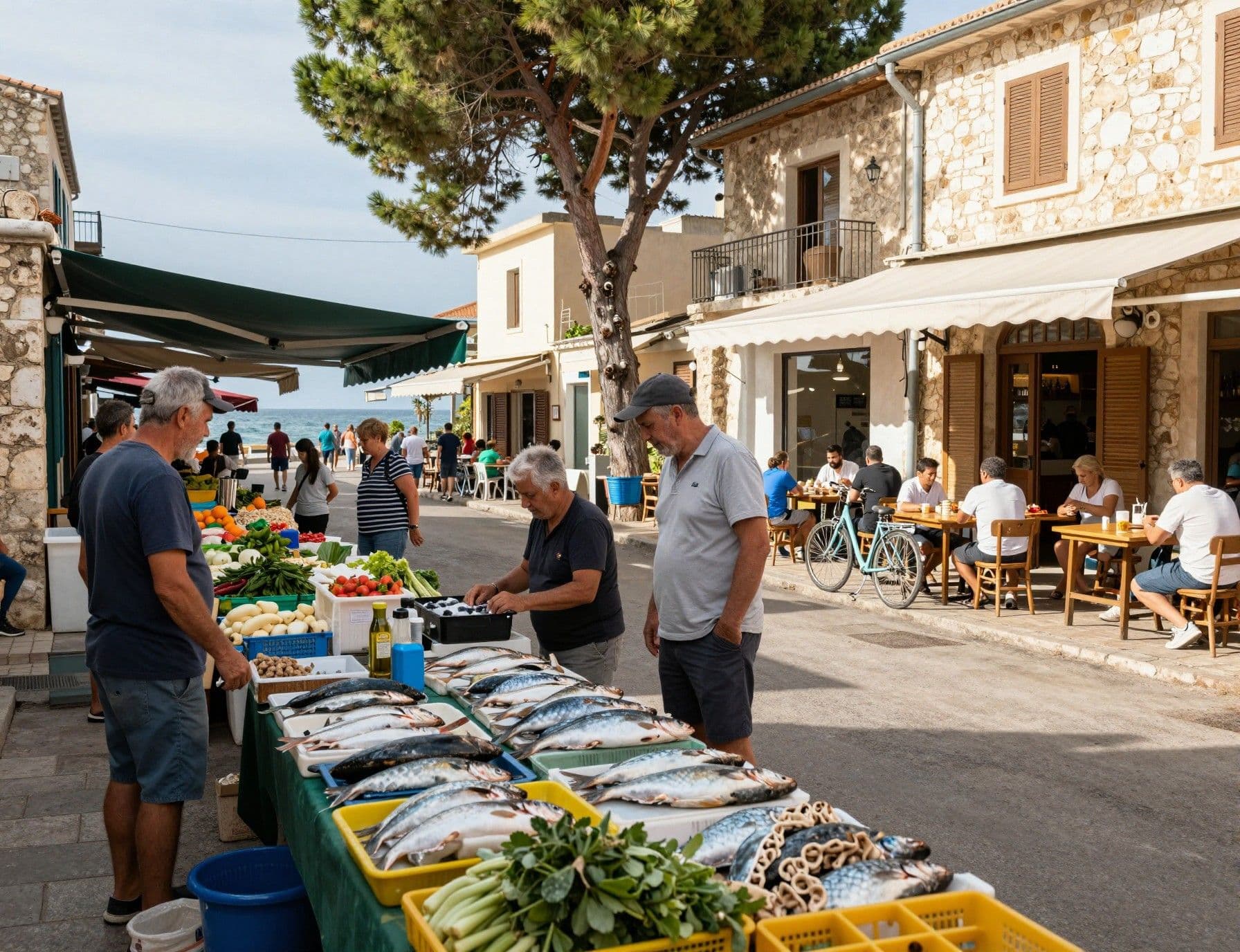
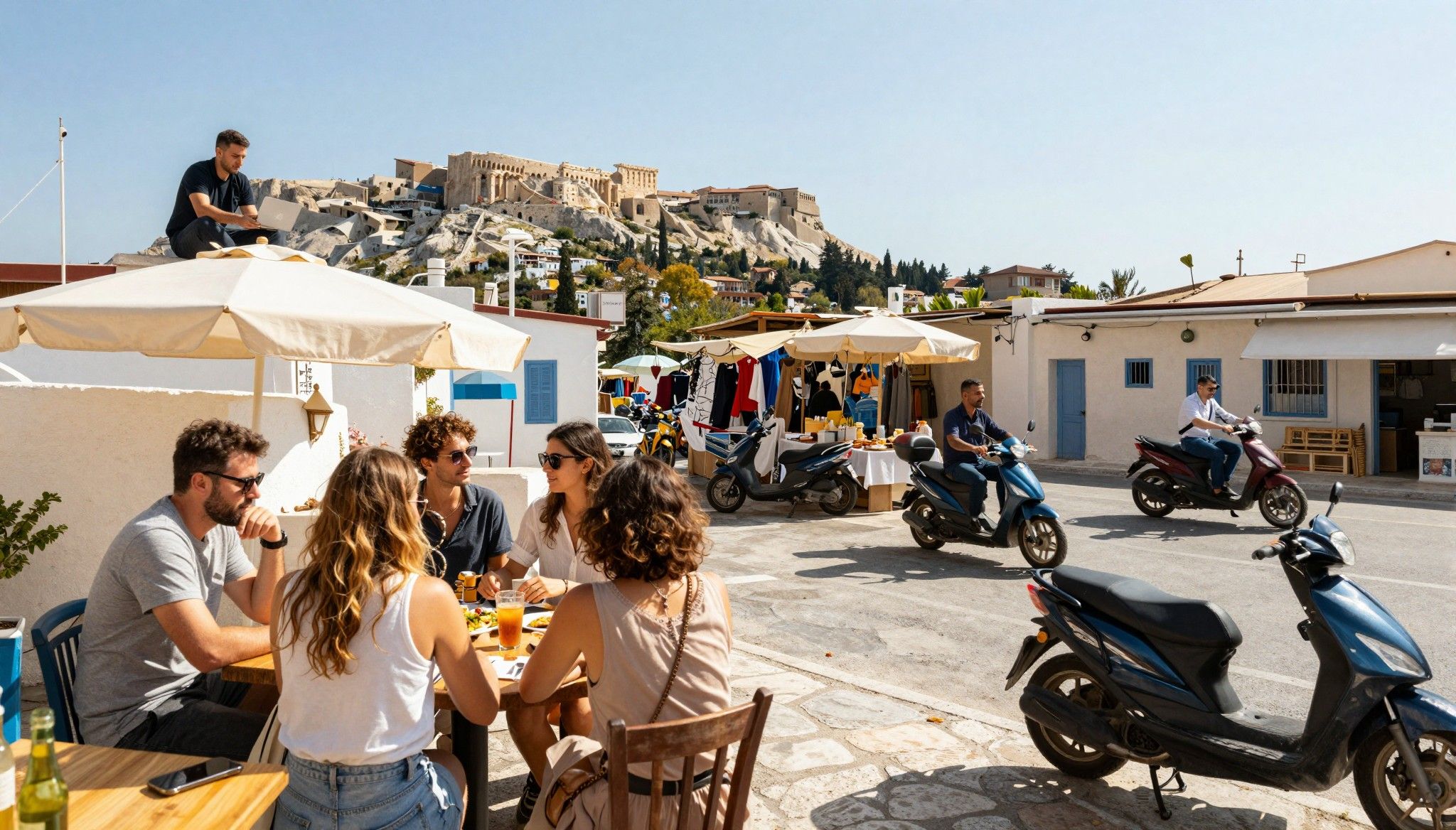
Croatia lures you with rhythm: morning markets, late lunches, and coastal evenings that stretch into talk-and-wine nights. Cities like Dubrovnik and Split pulse with tourists in summer, while Zagreb hums year-round with café culture and coworking spaces. For buyers, that rhythm matters—neighborhoods change character by season, and the lifestyle you expect in July won’t match January’s quieter streets.
Coast vs. Capital: Split, Dubrovnik and Zagreb vibes
Pick a seaside town and your life becomes alfresco: mornings at fish markets (Komina in Split), afternoons on pebble beaches (Banje, Zlatni Rat), and evenings in konobas. Choose Zagreb and you get year-round cafés, design boutiques, leafy parks like Maksimir, and easier access to international services. Each choice has cost implications: coastal demand spikes summer prices and short-term rental potential, while Zagreb offers steadier year-round rents and a larger professional community.
Food, markets and daily pleasures
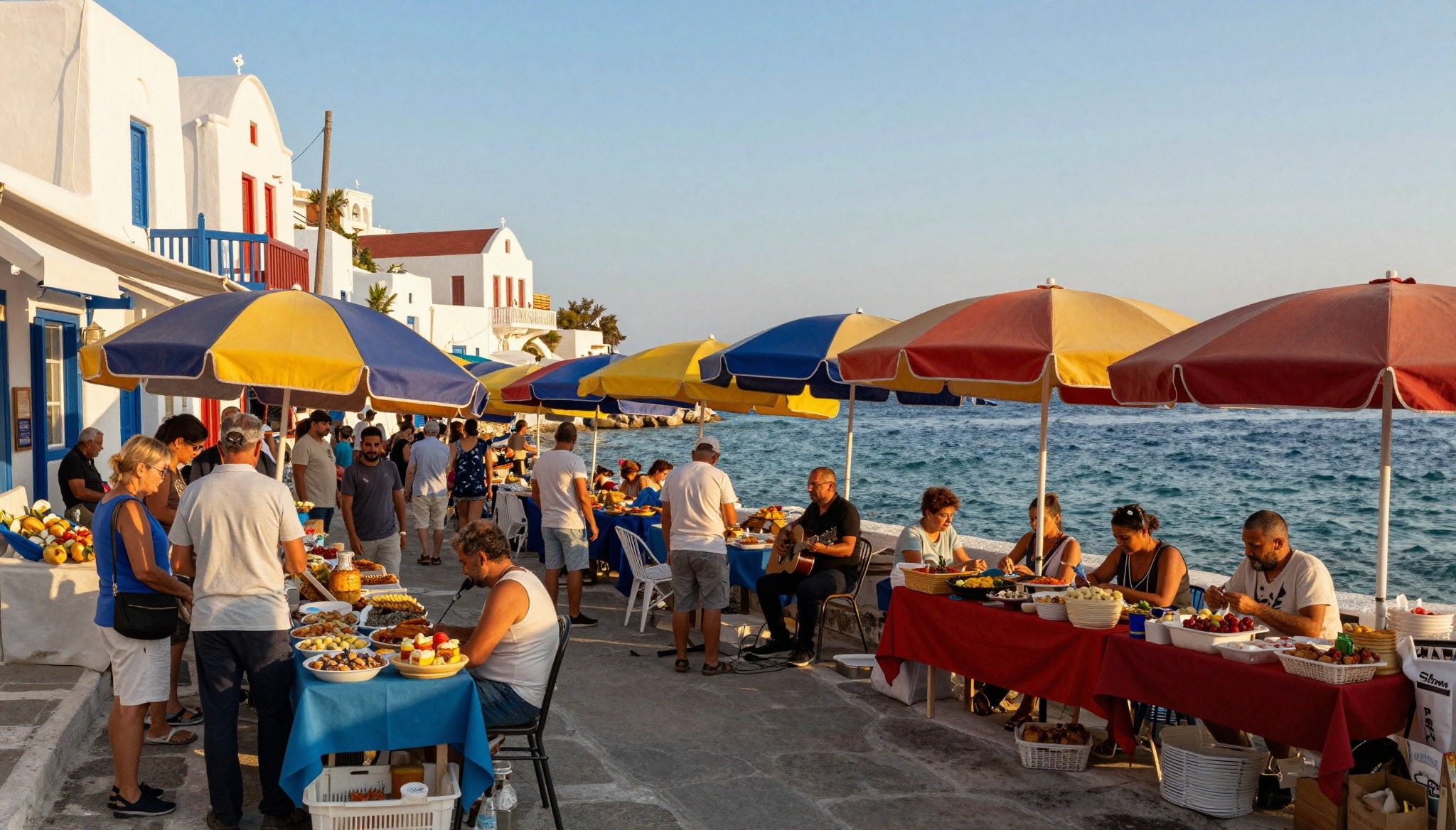
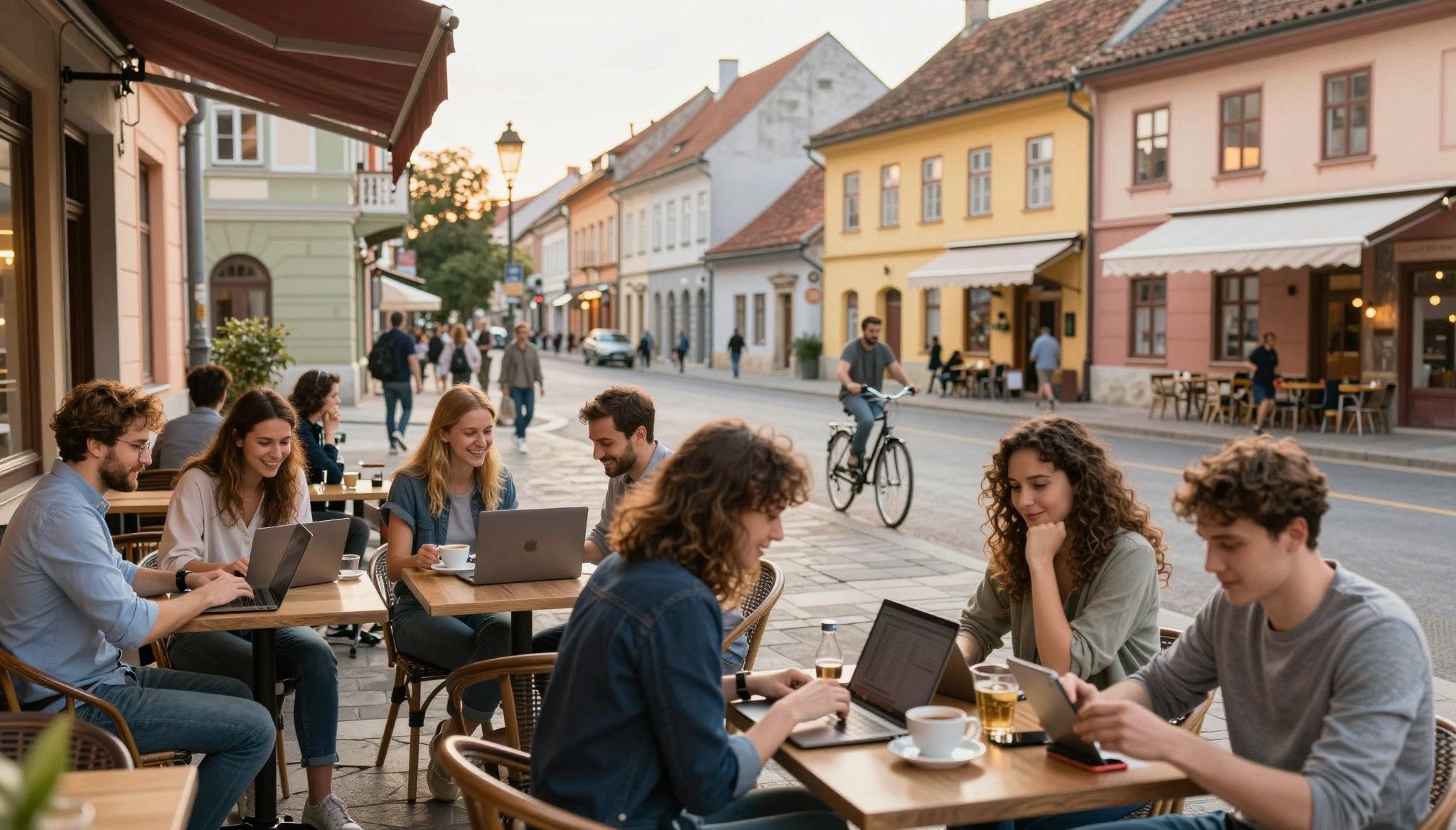
Days in Croatia are organized around food: weekend markets (Dolac in Zagreb, Pazar in Split), white wine tastings in Istria, and late-night pastries from local pekara. These rituals shape where you want to live—proximity to markets, a walkable street of cafés, or a balcony for aperitivo will add real value to a property. For nomads, being near a reliable café with good Wi‑Fi can be as important as a sea view.
- Lifestyle highlights
- Morning market runs at Dolac (Zagreb) or Split’s Green Market
- Beach office days on beaches like Banje or Lovrečina
- Istrian weekend wine trips and truffle markets
- Zagreb coworking hubs and year-round cultural calendar
Making the move: practical budgeting that matches the life
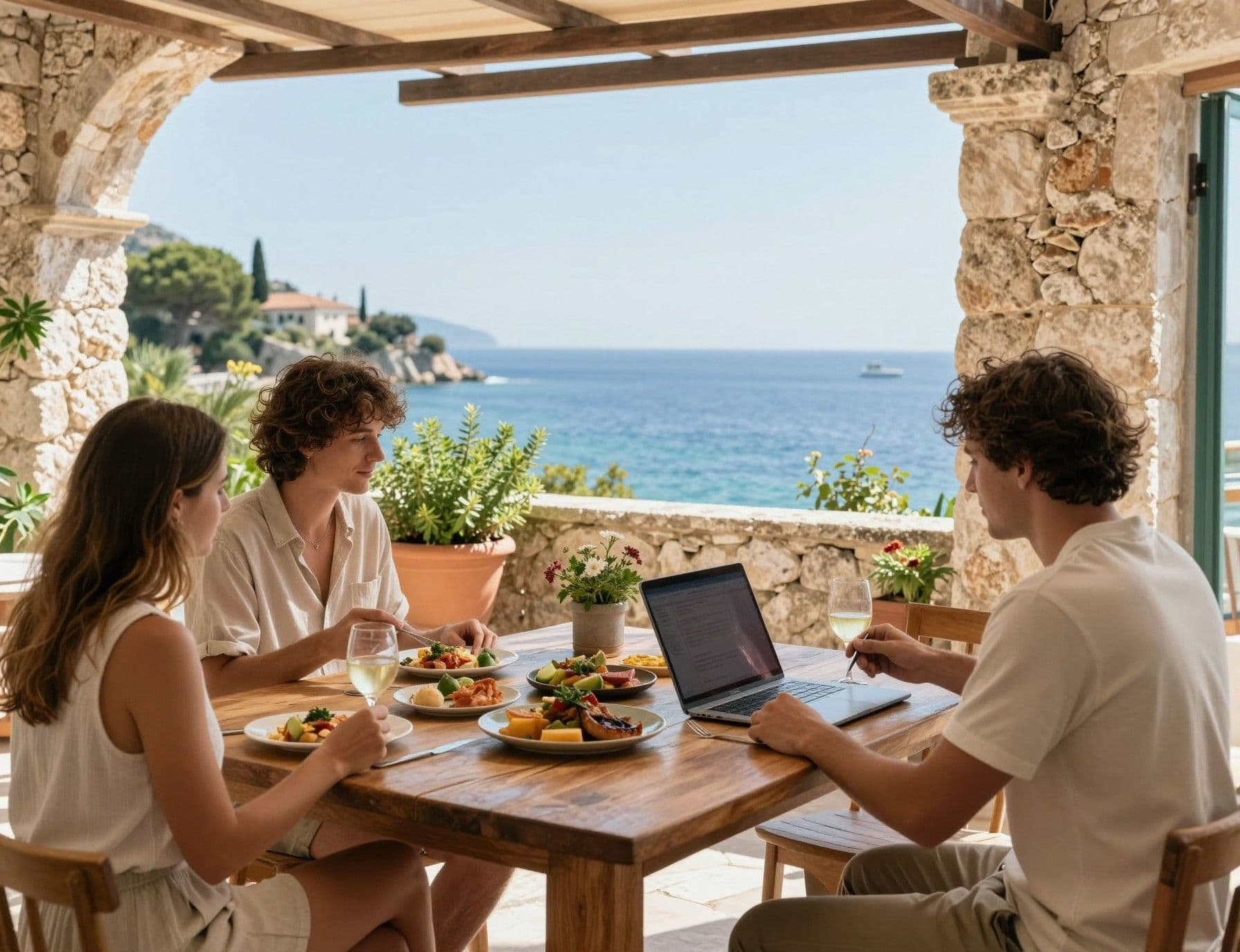
Romance meets receipts here. Expect ancillary costs—tax, notary, lawyer, registration—that typically add 4–9% on top of the price, depending on whether you buy new or resale. Knowing the breakdown turns surprises into line items you can plan for, and gives you leverage when comparing offers and negotiating timelines. Below are the concrete pieces you must budget for based on local practice and recent market guides.
What you’ll actually pay (real numbers & rules)
Key figures to pencil in: a 3% real estate transfer tax on most resale purchases (new-builds sold under VAT rules often avoid this), notary and registration fees (small fixed amounts or sliding scales), legal fees (commonly 1–1.5% for thorough conveyancing), and agent commissions which are often paid by sellers but can be ~2–3% plus VAT. Because Croatia uses the euro, currency risk is reduced for euro-based buyers, but always check current local VAT application and whether transfer tax applies to your deal.
- Budgeting steps (playbook for smart offers)
- Estimate total purchase cost: add 4–9% to the asking price for taxes, notary, legal and registration fees.
- Confirm whether the property is new (VAT applies) or resale (3% transfer tax likely) with the seller and your lawyer.
- Get a lawyer to check title, zoning, and coastline restrictions—foreign buyers sometimes need official consent for certain land types.
- Plan for renovation/maintenance (stone houses and coastal properties often need extra waterproofing or insulation).
Insider knowledge: what expats wish they’d known
Here’s the real talk: Croatia is wonderfully accessible for EU citizens, while non‑EU buyers may face reciprocity rules and administrative consent for some land types. That means you can fall in love with a plot in Istria, but foreign-acquisition paperwork can add weeks and legal steps. Local agents and lawyers don’t just speed things up—they translate how lifestyle goals map to legal reality.
Cultural and seasonal realities that affect value
Summer demand can double the perceived value of a place; islands and Dalmatian hotspots heat up with short-term rentals but cool off in winter. Locals prize stone houses with shaded courtyards and sea breezes—features that reduce cooling bills but can mean higher restoration costs. Think beyond price per square meter: wonder about liveability in January, heating needs, and access to medical services off-season.
Practical local tips from buyers who stayed
- Hire a local lawyer early—titles, coastline rules and reciprocity checks slow deals if left late.
- Visit both high season and off-season to feel how neighborhoods change—what’s lively in July might feel empty in November.
- Budget for renovation surprises in old stone homes: moisture, insulation and wiring are common hidden costs.
What local agencies bring to the table
A local agency is your scout, negotiator, and translator. They know which streets in Split keep value year-round, which Dubrovnik blocks flood with tourists, and where a cafe with reliable Wi‑Fi sits around the corner. Use an agency to verify market comps—Croatian Bureau of Statistics data shows modest national house price growth in recent quarters—and to model rental vs. lived-in scenarios for your exact street.
Conclusion: budget like you live there, not like you’re visiting. Start with a lifestyle map—which neighborhoods fit your work-life rhythm—and then layer precise costs: +3% transfer tax for resale (or VAT for new builds), lawyer and notary fees, and a renovation buffer. Get a local lawyer and a trusted agent, visit off-season, and build a 6–9% cushion into your budget. That way you’ll buy not just a property, but the Croatian life you pictured on day one.
Danish investor and relocation advisor focusing on Portugal and the Algarve; loves coworking culture and expat networks.