Why Greece Feels Like Home — and How to Buy It
Fall for Greece’s rhythms—city cafes, island terraces—and buy with smart market checks: recent data shows rising demand and residency-driven purchases; pair lifestyle mapping with technical surveys.
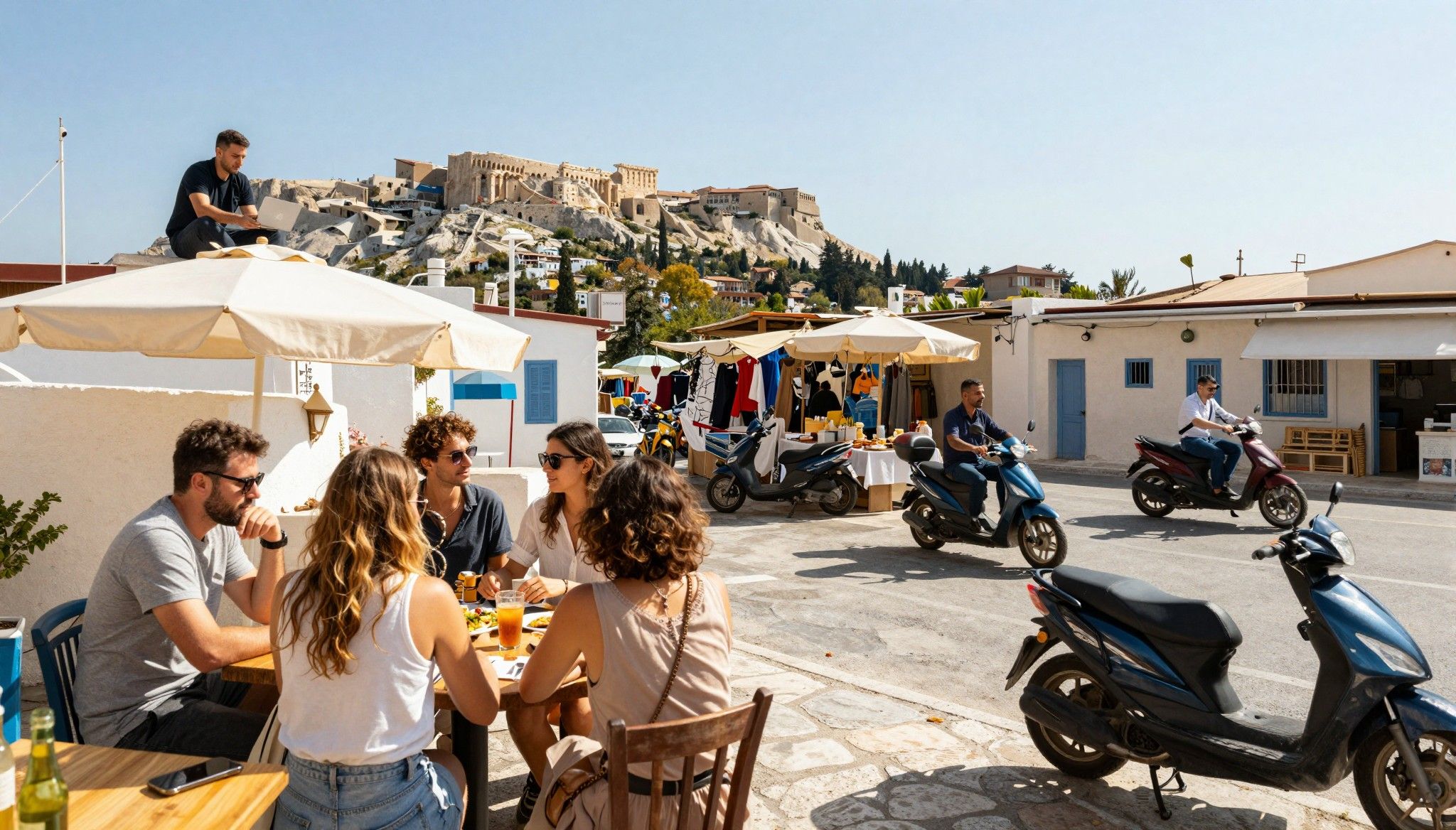
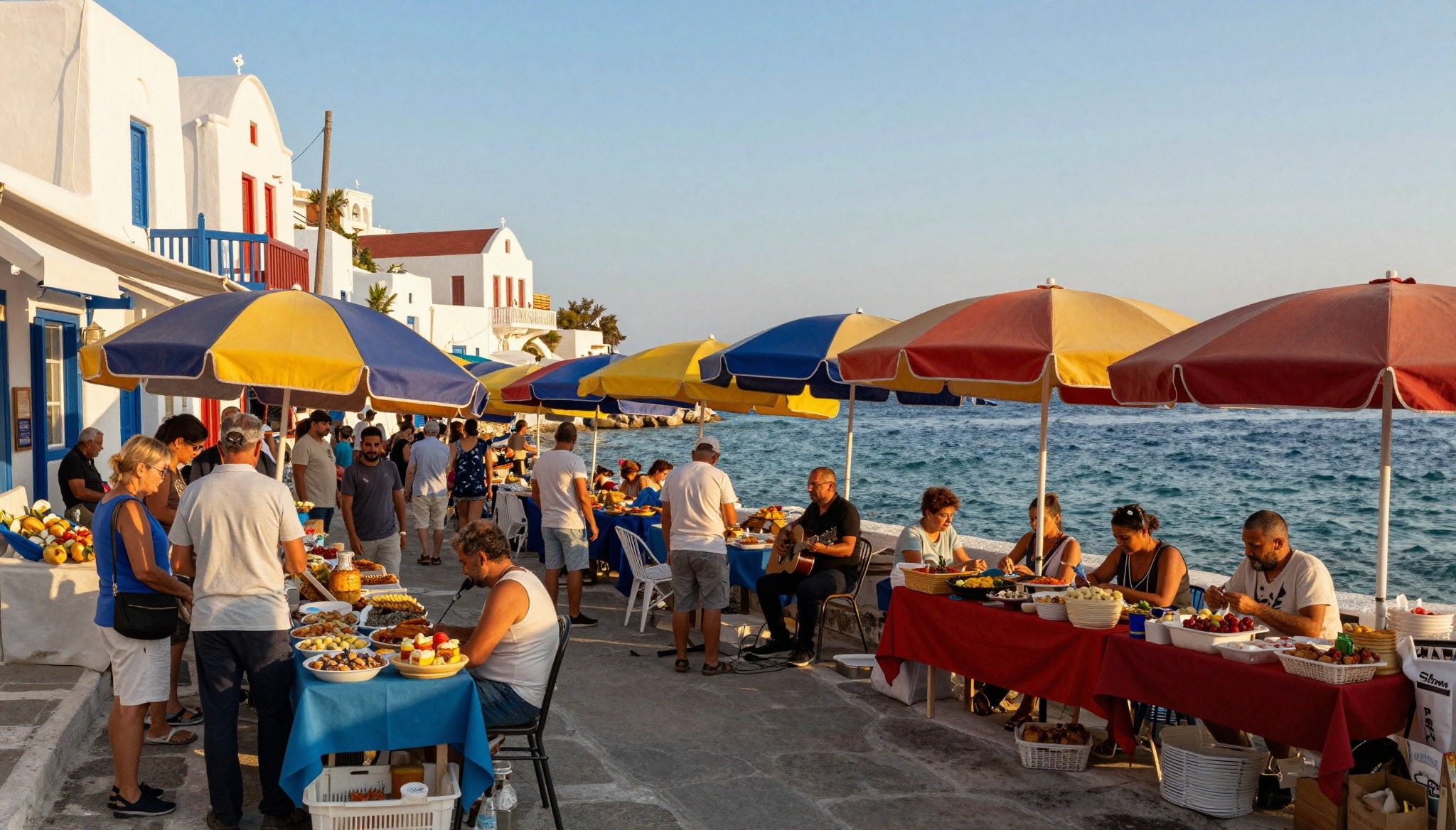
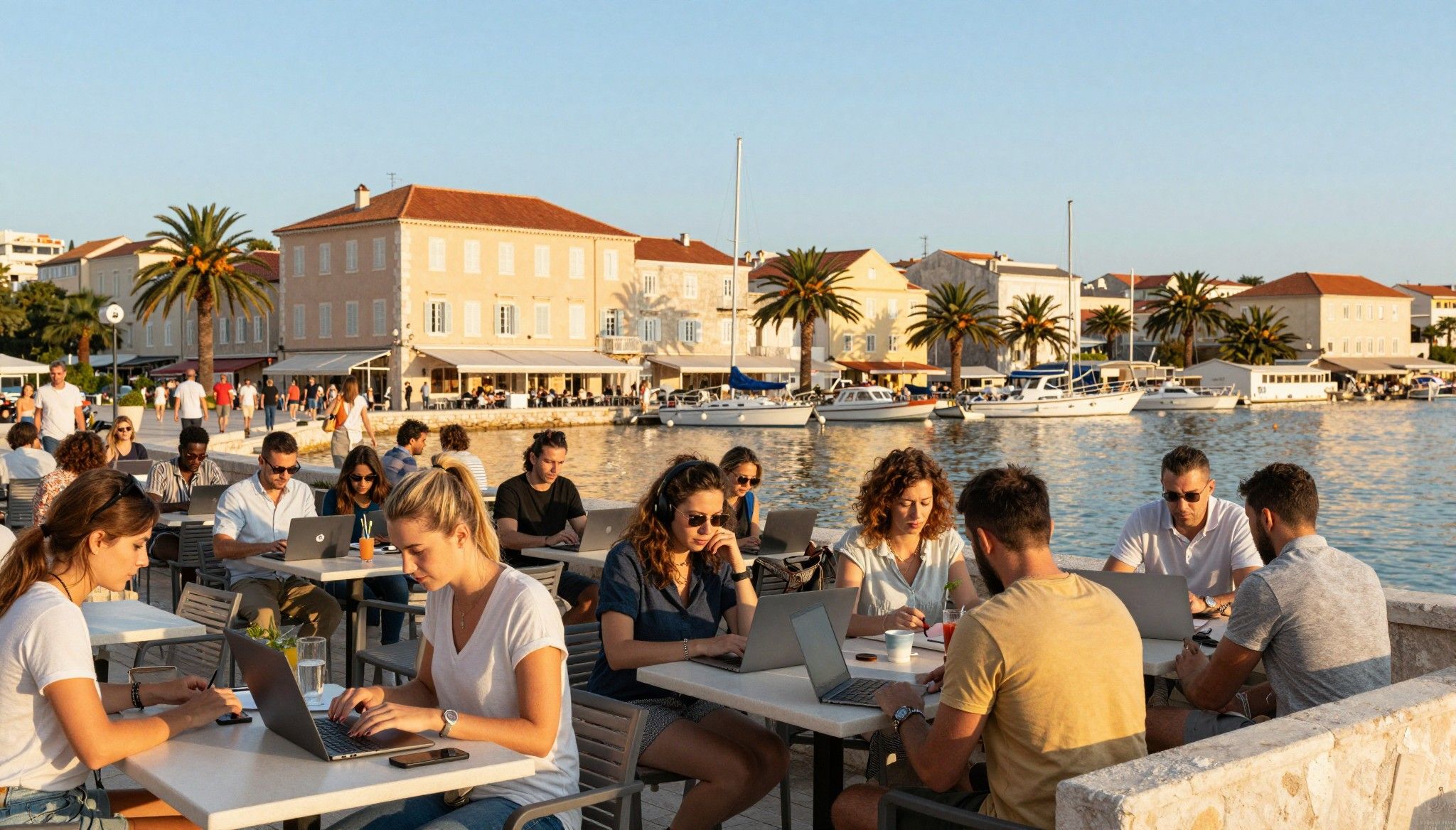
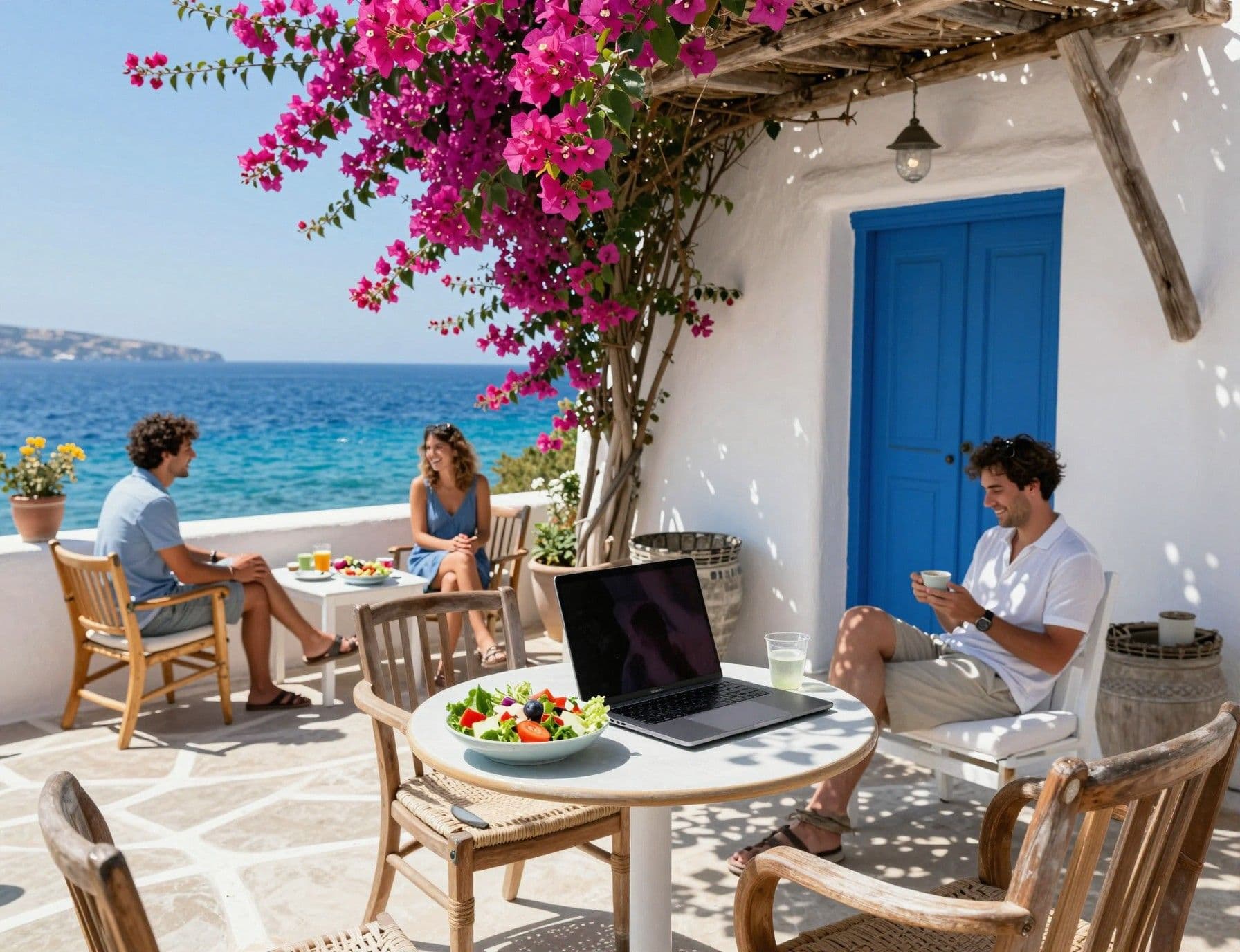
Imagine stepping out at dawn in Athens’ Plaka, espresso in hand, the scent of bougainvillea and sea salt mixing as scooters weave past. Or picture afternoons on a Cycladic terrace, laptop open, a breeze softening the glare while neighbours bring over mandoúria and conversation. Greece feels slow where it matters—sunlit, tactile, full of music and market noise—and fast where you work: surprisingly well-connected fibre in cities, lively coworking scenes, cafés that double as offices. This piece marries that dreamy life to the real-world moves you’ll need to make when buying here.
Living the Greece life: daily rhythms and real places
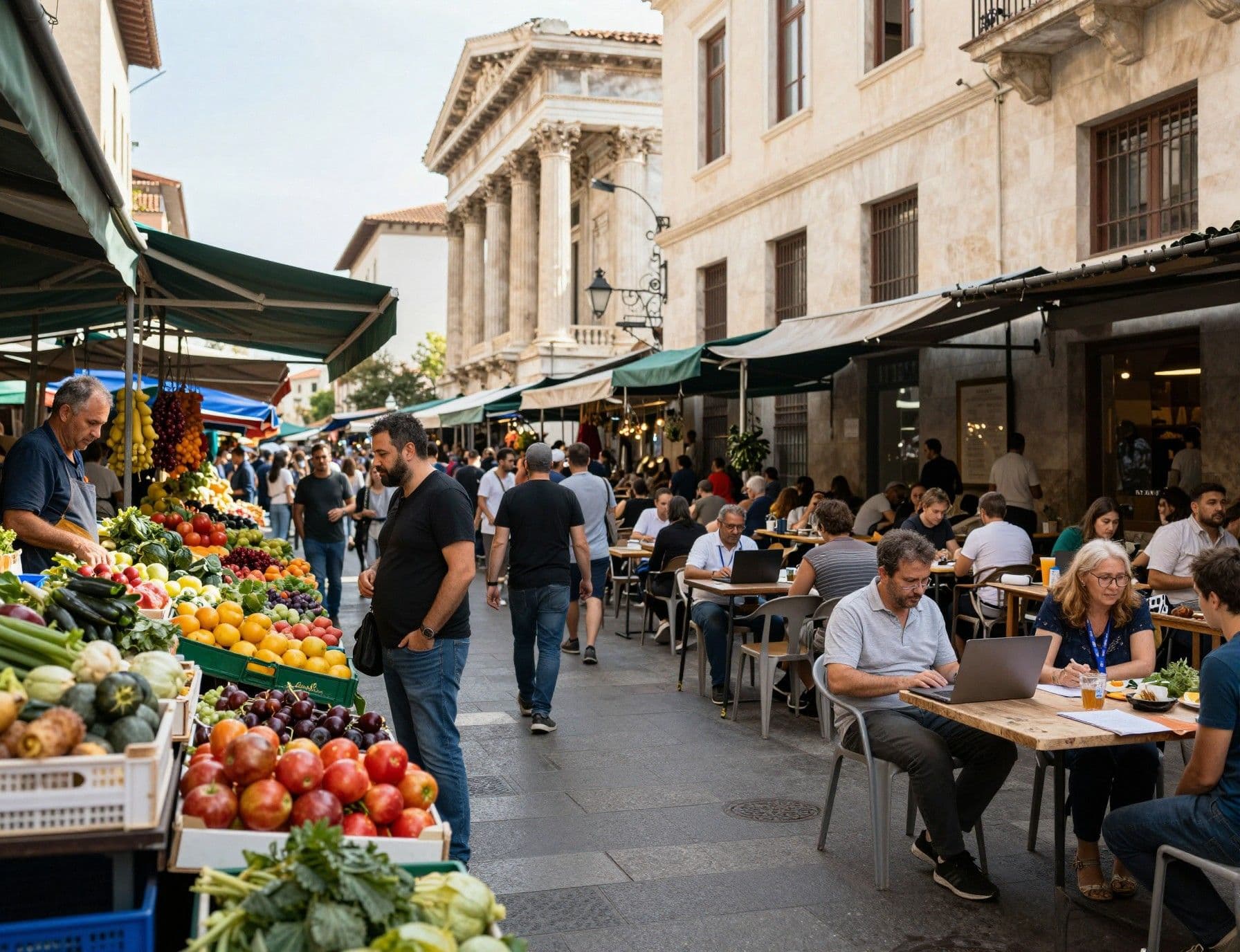
Greece’s day-to-day is a sensory loop—markets at dawn, siesta-like slow afternoons in smaller towns, and long, social nights in tavernas. In Athens, neighbourhoods like Koukaki and Pangrati pulse with cafe culture and designers turning old buildings into airy flats. On the islands, places such as Naxos and Paros offer a seasonal rhythm: lively summers and quiet, restorative winters. House-price data shows rising demand across city and island markets, which helps explain why locals and expats choose lifestyle over speculation unless they know the micro-markets. (See official indices for recent trends.)
Athens: ancient streets, modern workflows
Stroll from Syntagma to the narrow roads around Thissio and you’ll find remote workers in sunny cafés, rooftop bars with Acropolis views, and coworking hubs tucked into neoclassical buildings. Apartments here suit nomads who want walkability and social energy; expect compact floorplans, high ceilings, and the occasional long stair climb. The Bank of Greece’s recent analysis highlights steady residential price growth—an important signal if you’re timing a buy with lifestyle priorities.
Islands & coast: summer buzz, winter truth
Islands sell a dream: blue roofs, tavernas on the water and beaches just out the door. But many islands are highly seasonal—what’s packed and profitable in July can feel emptied out in November. Recent Golden Visa-driven purchases boosted island sales in 2024, especially in larger islands and the Athenian Riviera, changing both rental dynamics and local services. If you crave year-round community, target islands with ferry links and winter populations (Naxos, Crete) or coastal towns on the Peloponnese and Attica coast.
- Lifestyle highlights to love now
- Morning espresso under Plaka’s jacarandas; afternoon swims on a near-empty Mykonos cove in October; evening meze and raki in a Pyrgos taverna; weekend farmers’ markets in Thessaloniki; rooftop coworking with Acropolis views; neighbourhood fêtes during local saint days.
Making the move: lifestyle meets the market
Falling in love with Greece is easy. Buying here is where choices start to matter. Prices rose through 2024, fuelled partly by foreign buyers and residency demand, which means location selection now combines lifestyle fit with careful market timing. Start from how you want to live—islands for sea, Athens for culture and connectivity—then layer in data: recent indices and local sales trends will tell you where competition and price pressure are highest.
Property types: how the keys change your days
From restored neoclassical flats in Kolonaki to new-build seafront villas, each property type shapes daily life. Older Athens apartments favor high ceilings and street-life but need renovation for soundproofing and heating. New builds on the islands prioritize terraces and outdoor living but may be pricier per square metre. Consider internet/fibre availability, balcony orientation for shade, and whether you need indoor workspace or a sunlit terrace for calls—those features matter more than a generic sea view.
Work with guides who speak lifestyle
Local agents and technical consultants do more than show properties—they translate neighborhood culture into practical checks: elevator access for laptops and groceries, contractor networks, reliable ISPs, and short‑term rental rules if you plan to rent. If a residency route matters, specialized lawyers can explain recent Golden Visa changes and property size thresholds. Treat agents as lifestyle brokers—not just negotiators.
- Steps to marry lifestyle with a safe purchase
- 1) Map daily life: pick three must-haves (fast internet, beach access, year-round services). 2) Cross-check market data for your target zones (price trends, foreign-buy shares). 3) Order a technical survey before offer—especially on island plots and older Athens buildings. 4) Secure a local lawyer and check municipal permits for renovations. 5) Plan for seasonal cashflow if you’ll rely on short-term rentals; factor in winter vacancy.
Insider knowledge: expat truths and unexpected tradeoffs
Real talk: Greeks prize community and slow hospitality—expect neighbours who knock to borrow sugar and festivals that reroute your weekend. Infrastructure is excellent in cities but patchy in smaller islands; that’s a feature, not a bug, if you want simpler living. Recently, flows of foreign capital surged and then cooled—meaning some markets heated quickly. Use that cooling as leverage if you prefer deals to headline frenzy.
Cultural integration and daily practicalities
Learning basic Greek opens doors—shopkeepers remember you and neighbours trust you more. Join local kafenia, weekend olive‑press events, or expat meetups in coworking spaces to build a support network. For remote work, confirm mobile coverage and ask current residents about winter ferry schedules or municipal water restrictions—these small checks keep the lifestyle smooth.
Long-term view: how life (and value) evolves
Think beyond resale. If you plan to age in Greece, check healthcare access, local pharmacy hours, and neighbourhood mobility. For investors, expect tourist-driven returns on prime islands and stable long-term growth in Athens suburbs as infrastructure improves. Policies and visa rules can shift; keep a local advisor on retainer to track regulatory changes that affect residency and rental rules.
- Red flags to watch for (quick checklist)
- Unpermitted additions on island properties; missing technical surveys; overreliance on summer rental income; properties far from reliable ferries/winter services; sellers who resist formal inspections.
Greece gives you palpable rituals—market mornings, seaside lunches, loud family dinners—and the chance to make them ordinary. If you pair that longing with up-to-date market checks (official indices, Golden Visa trends) and slow, neighbourhood-led house hunting, you’ll land a place that feels lived-in from day one. Next step: pick three lifestyles (city buzz, island calm, coastal suburb), ask an agent to map 6–8 properties that match those rhythms, and order a technical survey before you fall in love. We’ll help you find the local guide who gets both the dream and the due diligence.
Danish investor and relocation advisor focusing on Portugal and the Algarve; loves coworking culture and expat networks.