Offer & Close in France: Seasonal Tactics That Save €
Fall for France’s markets, then make offers that match neighbourhood life. Use season, local customs and notaire checks to win better deals backed by INSEE and notaires data.

Imagine stepping out of a sunny boulangerie in Aix-en-Provence with a laptop under your arm, then wandering through a Monday market to buy cheese for lunch. France moves at a pace that’s equal parts ritual and spontaneity — cafés that turn into classrooms, parks where kids play until dusk, and neighbourhoods that smell of roasted chestnuts in autumn. That sensory life is what attracts us as nomads and remote workers, but it’s the subtle rhythms of seasons, sale timing and local negotiation customs that win you the right property at the right price. This guide links that lived-in romance to concrete offer and closing tactics you can actually use when buying in France.
Living the France life: neighbourhood textures and daily rhythms
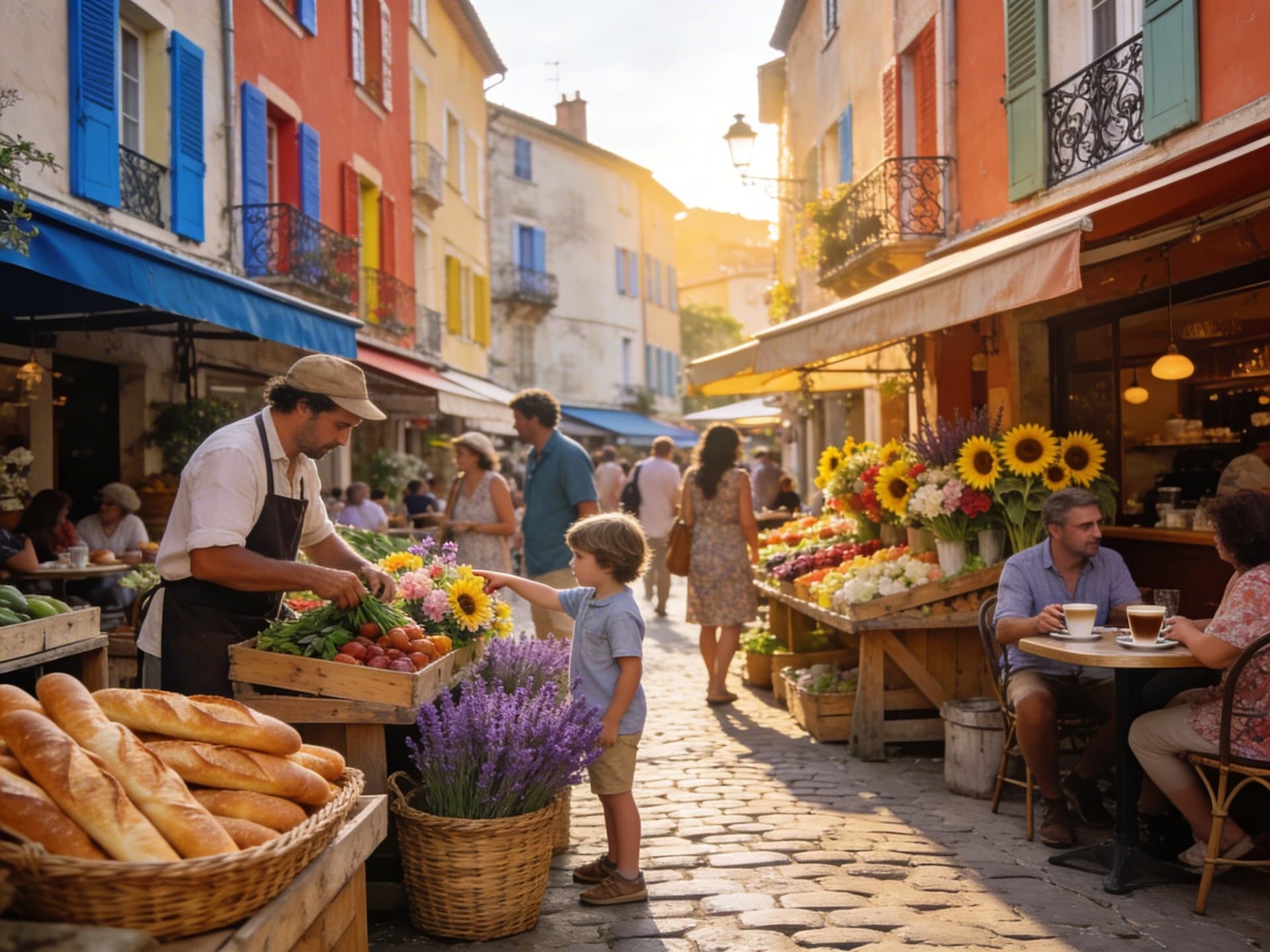
France is stitched from micro-neighbourhoods. From the narrow lanes of Paris’s 11th and the Marché d’Aligre bustle to the maritime terraces of Marseille’s Cours Julien and the slow, vine-draped mornings in Bordeaux’s Chartrons, daily life changes block by block. Your weekend ritual — morning market, twilight apéritif, evening concert at a local salle — should shape what you bid for, because lifestyle amenities (walkability, markets, coworking cafés) impact resale demand and rental appeal. Local market data already shows price rebounds and city-level divergence, so match your dream routine to the neighbourhood data before you pick a property.
Spotlight: Paris arrondissements vs provincial towns
Paris is theatrical and compact; a €300k budget buys less space but places you steps from cafés, métro lines and cultural life. By contrast, towns like Rennes, Dijon or coastal Toulon deliver more square metres and outdoor life for the same money. Recent professional reports highlight this divergence — some provincial cities even outpaced Paris in year-on-year gains — so think in lifestyle tradeoffs: are you paying for intimacy and a short commute, or for sun, terraces and a bigger kitchen?
Food, markets and living like a local
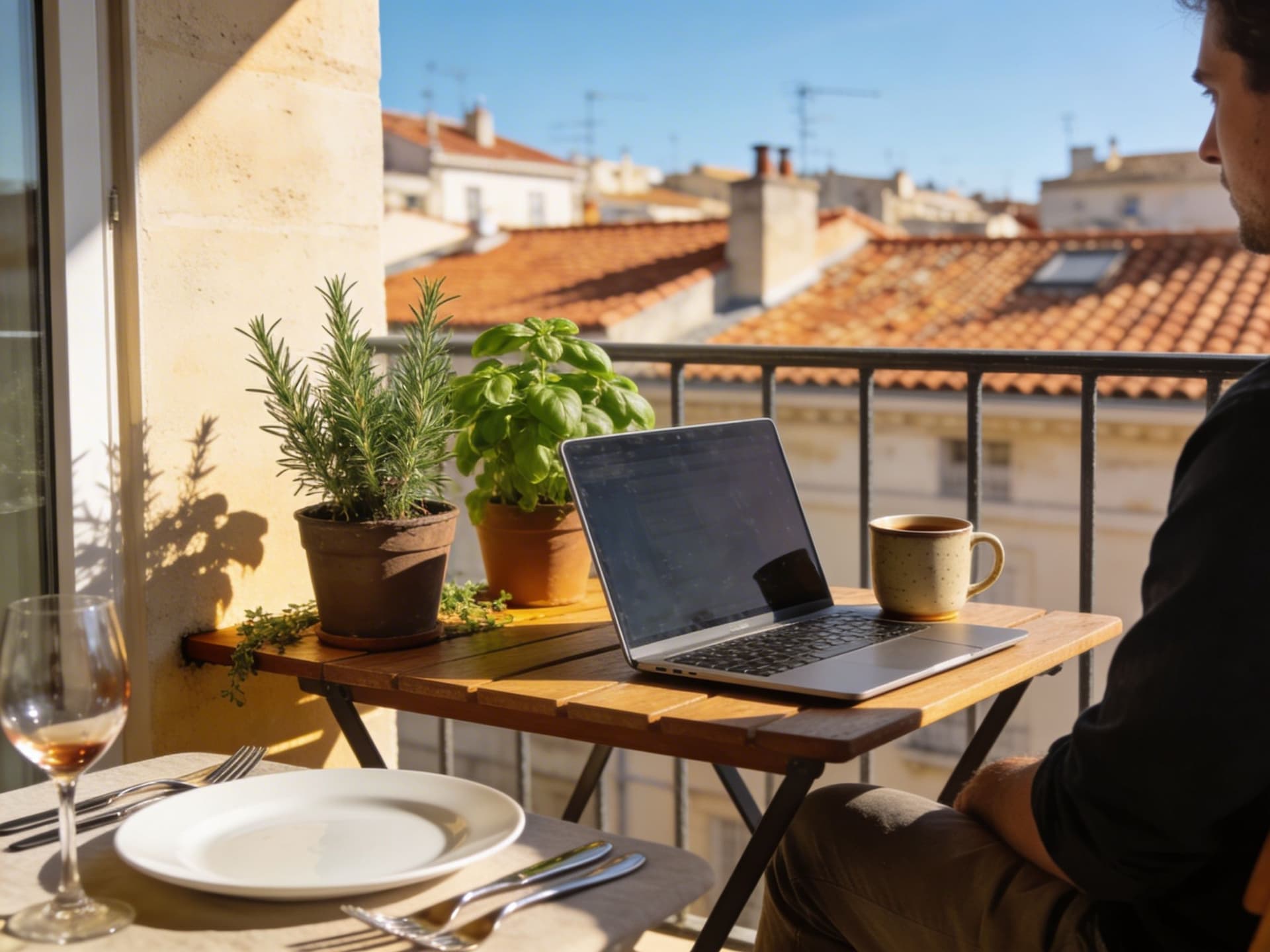
If your day starts with a café crème at Le Progrès in Lyon or a boulangerie on Rue de la République in Nice, you’ll want a flat that makes that routine effortless. Outdoor space — a balcony for morning light or a small courtyard for evening meals — converts to hours of joy and stronger rental appeal. Look beyond façade charm: proximity to marchés, quality of local boulangeries, and evening footfall matter for lifestyle and long-term value. Use lifestyle checks as part of due diligence: visit at different times and on a market day to see the real rhythm.
Making the move: practical offer and closing tactics that keep the life you love
Dreaming is free; offers cost strategy. France’s transaction style blends formal legal steps with local negotiation norms — offers are usually written and may be followed by a Compromis de Vente (preliminary contract) and a 5–10% deposit. National statistics show prices stabilising in 2025, so timing can reduce premium pressure but your offer tone still matters: be clear about conditions (survey, mortgage clause, completion timeline) and align them with local expectations to avoid losing the property to a quick, clean bidder.
Property styles and what they mean for everyday life
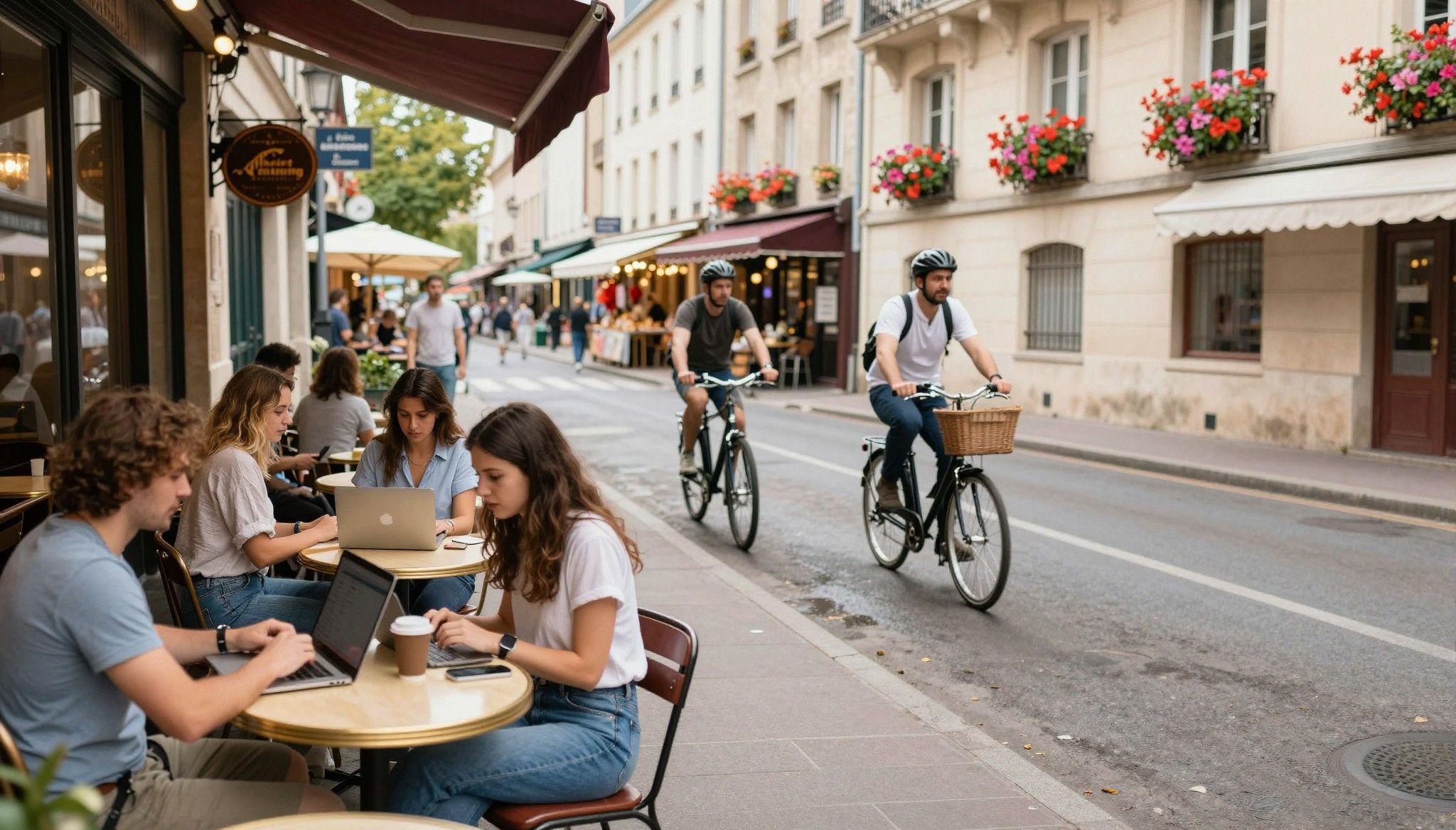
A Haussmann apartment in Paris gives you high ceilings and light but usually higher syndic fees and less outdoor space. A Provençal house gives garden life but can carry renovation surprises and rural service gaps. Match property type to your work-life setup: if you’re a remote worker, prioritise quiet rooms for calls, fast fibre or 5G coverage, and a café or coworking within a 10–15 minute walk. Ask sellers for recent internet speed tests and building copropriété meeting minutes — they tell you about hidden costs and neighbour dynamics.
Working with local experts who sell lifestyle, not just square metres
A good local agent is a translator: of language, neighbourhood nuance and negotiation culture. Hire someone who knows where nomads hang out — cafés with sockets, coworking spaces like Wojo or local independents, and where short-term rentals perform. Ask agents for comparable local rentals, recent sale prices, and the typical length of time properties stay on market. If they talk only about price per m² and not about life patterns or utility bills, find another agent.
Insider knowledge: red flags, seasonal tricks and cultural dos and don’ts
Here’s the real talk: seasons change not just the light but your leverage. In summer, coastal listings look dreamy and draw crowds, which pushes asking prices up. In winter you’ll meet the locals, see the building’s heating in action, and often find motivated sellers. Local customs also matter: French sellers value clarity and formality in offers — polite, well-documented proposals often beat lowball casual messages. Learn a few phrases, and always send your offer in writing.
Cultural integration: how to become a neighbour, not an outsider
Being a good neighbour in France opens doors. Say hello in the local language, attend a mairie meeting if invited, and respect quiet hours — particularly in apartment buildings where syndic rules are enforced. Expats who join local markets, volunteer or take a language class report faster integration and smoother interactions with service providers, which helps when you need local references or want speedy fixes for maintenance issues.
Step-by-step offer & close checklist
Follow these steps to keep lifestyle and deal aligned. Each step blends practical due diligence with a lifestyle lens so the property supports how you want to live in France.
1. Visit at different times (market day, weekday morning, weekend evening) to sense real life. 2. Ask the notaire for land registry extracts and servitudes to avoid surprise use restrictions. 3. Include a realistic mortgage clause (condition suspensive) if not fully funded in cash. 4. Request recent copropriété minutes and utility bills to budget service charges. 5. Consider a local renovation quote if the property needs a refresh — add it into your offer math. 6. Keep your offer clean: clear price, deposit, and realistic timeline often beat a confusing low bid.
Conclusion: fall in love with France, then close with confidence
Buy the life first and the property second. Let neighbourhood rituals guide your wishlist, then use data and local experts to shape offers that stand out: clear, culturally tuned, and seasonally smart. Use the sources above to check market dynamics and always have a notaire or bilingual lawyer review the Compromis and Acte de Vente. When you pair that French daily rhythm — markets, cafés, aperitifs — with sober due diligence, you end up with more than a house: you get a lived-in life.
Dutch investment strategist guiding buyers to Greece and Spain; practical financing, tax, and portfolio diversification.