Greece: Live the Life, Then Lock the Neighbourhood
Think beyond postcards: match Greece’s cafe-and-sea lifestyle to property traits, use local data and agents, and avoid short-term‑let traps reshaping neighbourhoods.

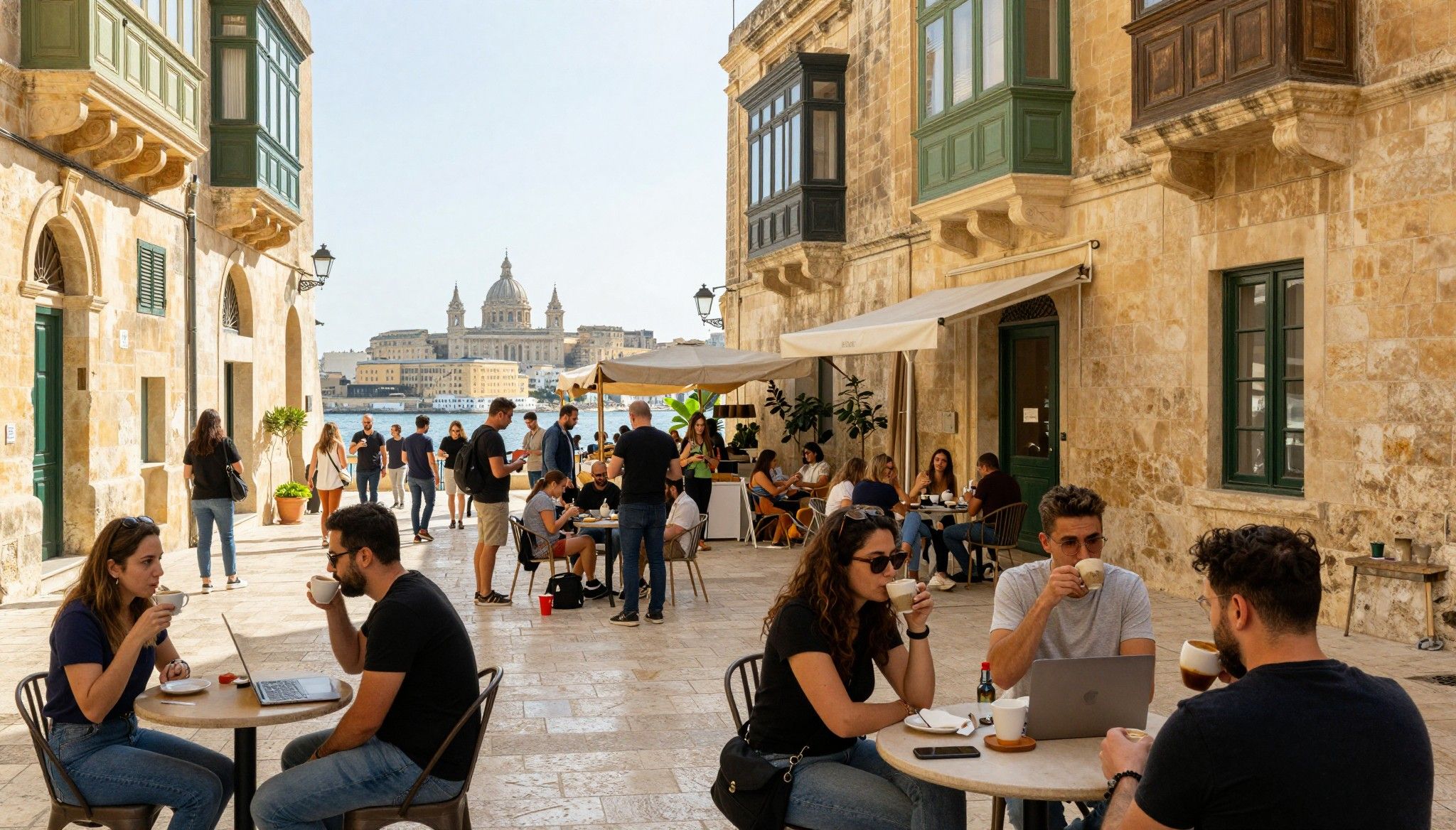
Imagine sipping a flat white at a sunlit cafe on Koukaki’s tree-lined Drakou Street, then walking five minutes to a rooftop with Acropolis views where a freelancer opens their laptop. Greece smells of olive oil and espresso, moves at a generous pace and still offers surprising value if you look beyond Mykonos postcards.
Living the Greece lifestyle
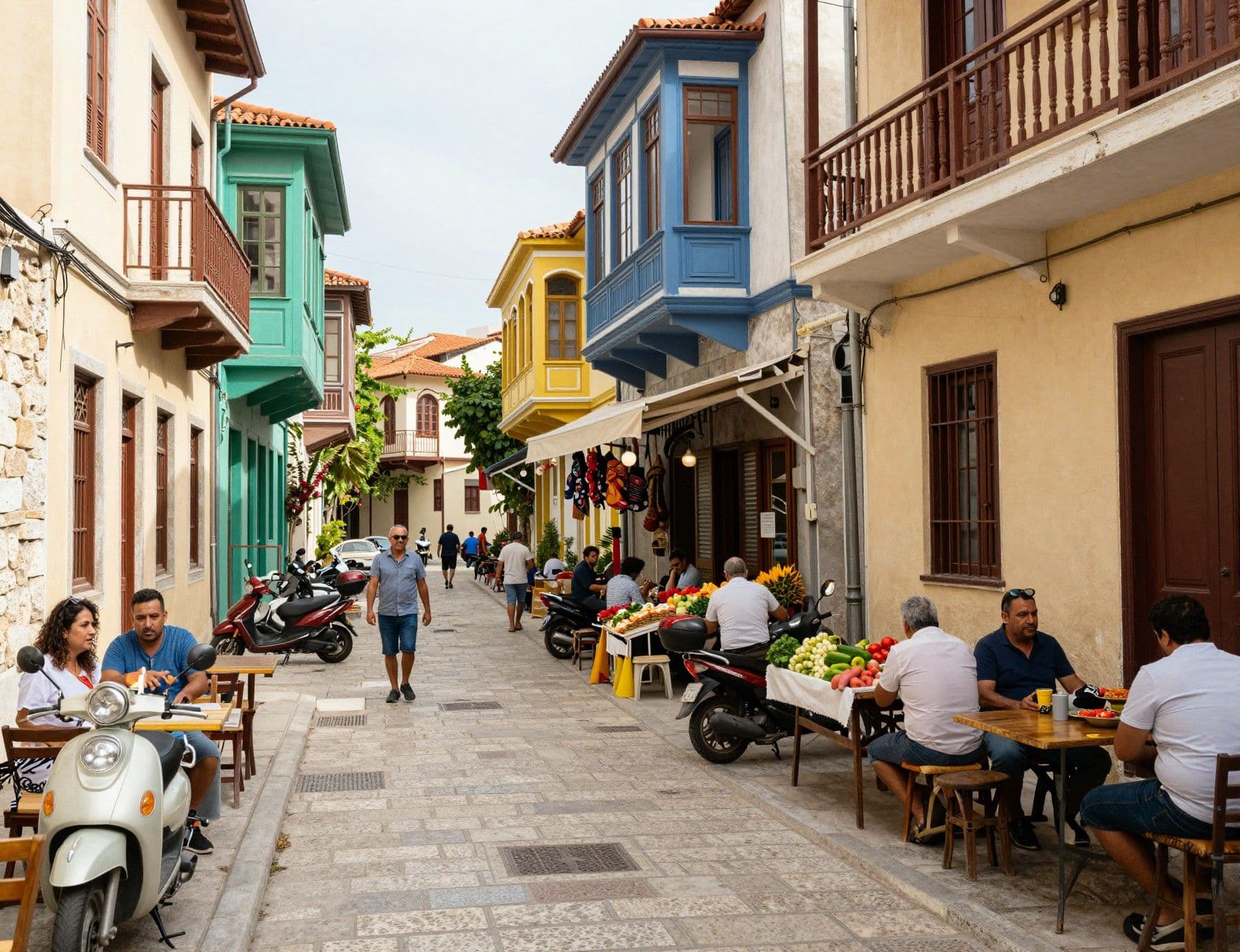
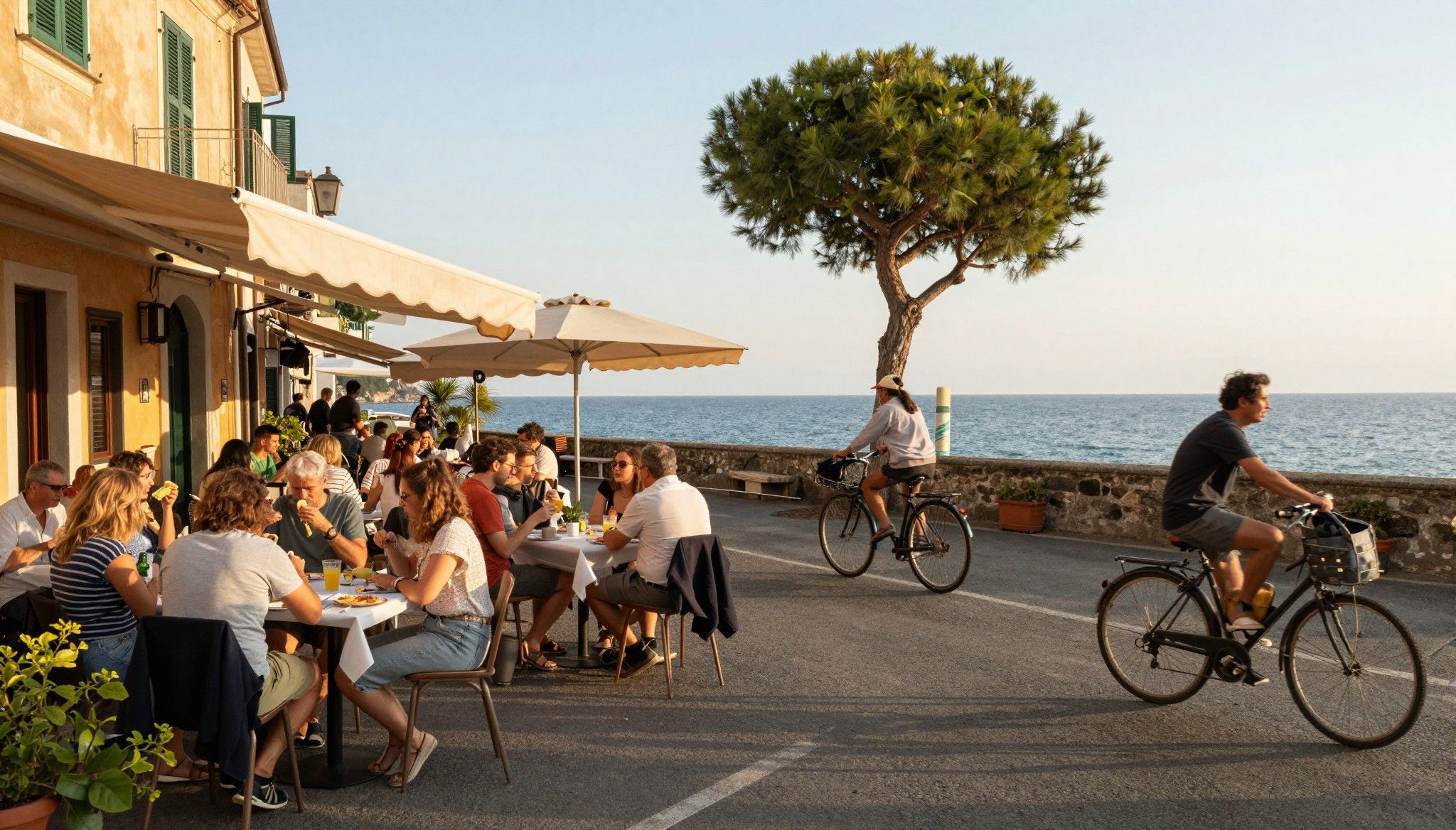
What people picture when they say “Greece” and what living here actually feels like are cousins, not twins. Days are outdoors: morning markets, afternoon siestas in the shade, evening plates shared slowly. Cities pulse with cafes and coworking spots; islands trade bustle for blue-sky calm. Recent market signals show steady demand—Athens prices rose in early 2025, but many coastal and inland pockets still hide bargains if lifestyle fit matters more than a headline zip code.
Athens neighborhoods: From Psirri to Kifisia
Walk through Psirri at dusk and you’ll find live rebetiko, tiny tavernas and apartments with original balconies. Koukaki feels lived-in and neighbourhoody, full of students and creatives; Kifisia to the north is leafy, polished and quiet — great if you want space and international schools near by. Each quarter has a rhythm: boutique grocery runs in Petralona, a weekend farmers’ market in Pangrati, coworking meetups in Metaxourgeio.
Islands vs mainland: tradeoffs that change daily life
Island life delivers sea mornings, fishermen’s markets, and a slower calendar — but expect seasonal flux: shops closed in winter, transport schedules that shape your social life. Mainland towns like Thessaloniki and Nafplio give year-round services and stronger local communities. New national rules on rentals (discussed in 2025) are starting to reshape how locals and investors use short-term lets — which matters for neighborhood character and rental investors.
- Daily-life highlights worth mapping to your property search
- Morning espresso and a bougatsa at Katrin in Koukaki; evening meze on Agias Irinis Square.
- Weekend farmers’ market in Keramikos for produce and ceramics.
- Sunset swims at Alimos or Voula if coastal proximity is non-negotiable.
Making the move: practical considerations that keep the lifestyle

Don’t let romance blind you. The best buys are where the day-to-day life you crave aligns with realistic property traits: reliable internet, easy access to groceries and healthcare, and a landlord/agency that understands seasonal rentals if you plan to offset costs. National data show prices rising but unevenly — value often sits in suburbs, smaller port towns and up-and-coming island villages rather than headline hotspots.
Property styles and how they fit a nomad life
Modern flats in Athens offer compact, bright work nooks and fast fibre in many districts; neoclassical apartments give charm but expect higher renovation needs and trickier heating. Island villas provide outdoor living but check winter accessibility and insulation. If you’re a remote worker, prioritise a quiet room for calls, stable power, and verified internet speeds — not just sea views.
Working with local experts who protect the lifestyle
A great local agent is your cultural translator. They’ll flag seasonal supply issues, neighbourhood noise patterns, and building quirks. Use agencies that show recent internet speed tests, utility records, and permit histories. Ask for neighbourhood walk-through videos and referrals from other nomads. Agencies that bridge lifestyle fit and paperwork save you time — and protect the life you imagine.
- Steps to match lifestyle to property (practical + emotional)
- List the life you want (work, cafes, sea, schools).
- Visit target neighbourhoods at different times (weekday morning, evening, weekend).
- Ask agents for documented utilities, internet proof and past rental performance if relevant.
Insider knowledge: expat lessons and red flags
Expats often say the same things after six months here: learning a few Greek phrases opens doors, seasonality rewrites social calendars, and small local shops beat supermarkets for both taste and connection. Red flags? Missing building permits, windowless basement flats marketed as ‘cozy’, and agents who dodge questions about municipal residency or past rental data — recent national moves to curb unsuitable short-term lets show this matters.
Cultural integration, language and community
Start at the neighbourhood bakery and the weekly market. Simple Greek phrases—‘kalimera’, ‘efcharisto’, ‘pos ise?’—earn smiles. Join local meetup groups or bilingual coworking hubs in Athens and Thessaloniki; they’re where long-term friendships and project collaborations form. Expect hospitality and directness: neighbors will offer advice, and community acceptance often hinges on small daily courtesies.
Long-term lifestyle & investment realities
If you plan to stay, think beyond resale: maintenance of older buildings, seasonal rental rules, and local property taxes shape returns. National data show price growth but also policy shifts that aim to protect housing stock from overtourism. That’s good for long-term community quality — but it means investors must be more deliberate about how they rent and operate properties.
- Red flags to walk away from
- No proven internet or patchy mobile signal in the listing.
- Ambiguous ownership documents or missing building permits.
- Agent resists sharing recent neighbourhood sales or rental history.
Conclusion: Greece as a lived choice, not a postcard
Greece rewards people who choose neighborhoods for the life they want, not the glossy photo. Start with lifestyle priorities, bring a local agent who validates facts, and treat seasonal realities as features, not bugs. If you do, you can trade a higher purchase price in a headline district for daily delight in a quieter quarter — and wake up to the Acropolis, a beach, or a market that feels like home.
Norwegian who has helped 200+ families relocate from Oslo to Spain; expert in relocation services and community integration.