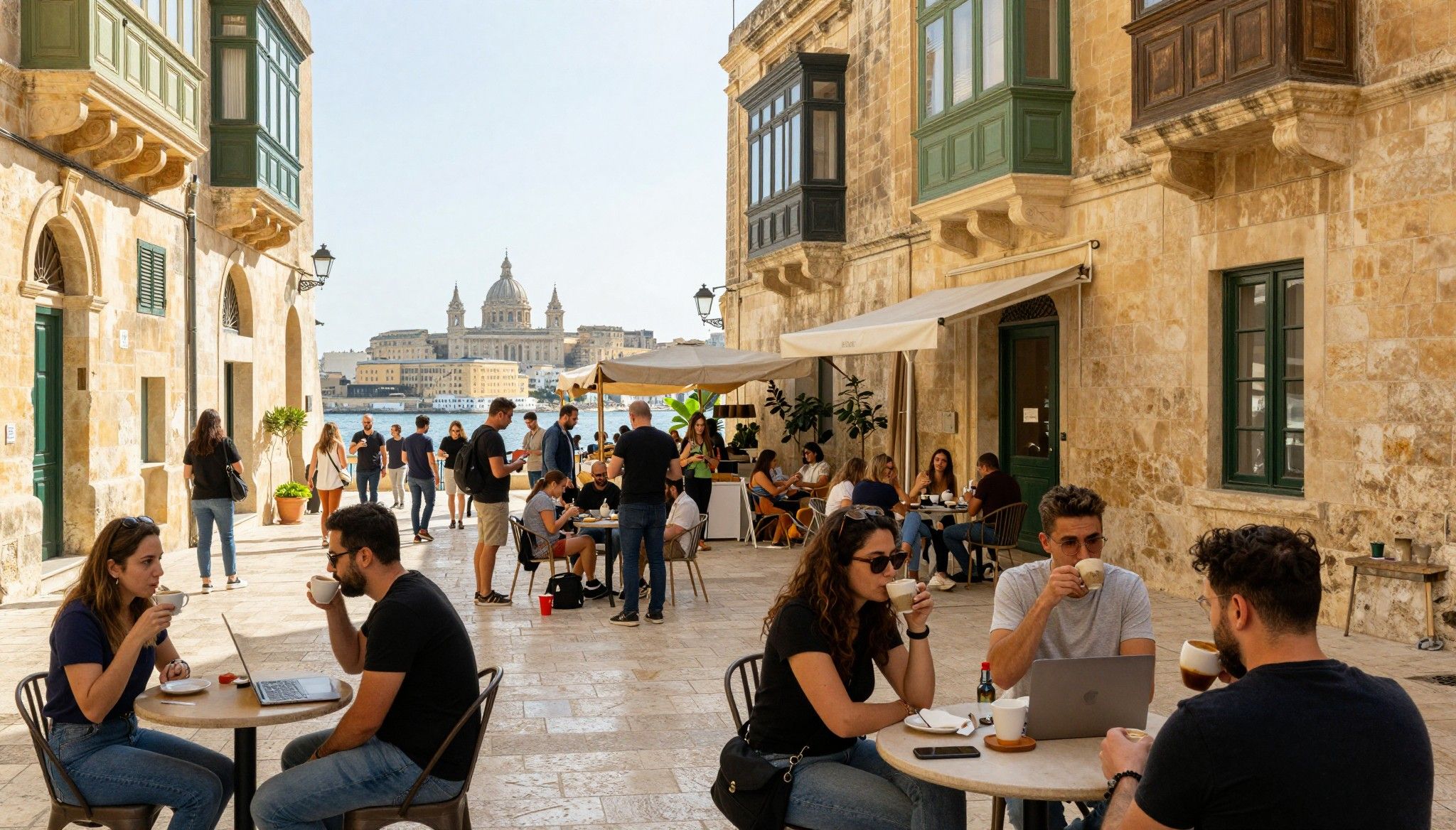
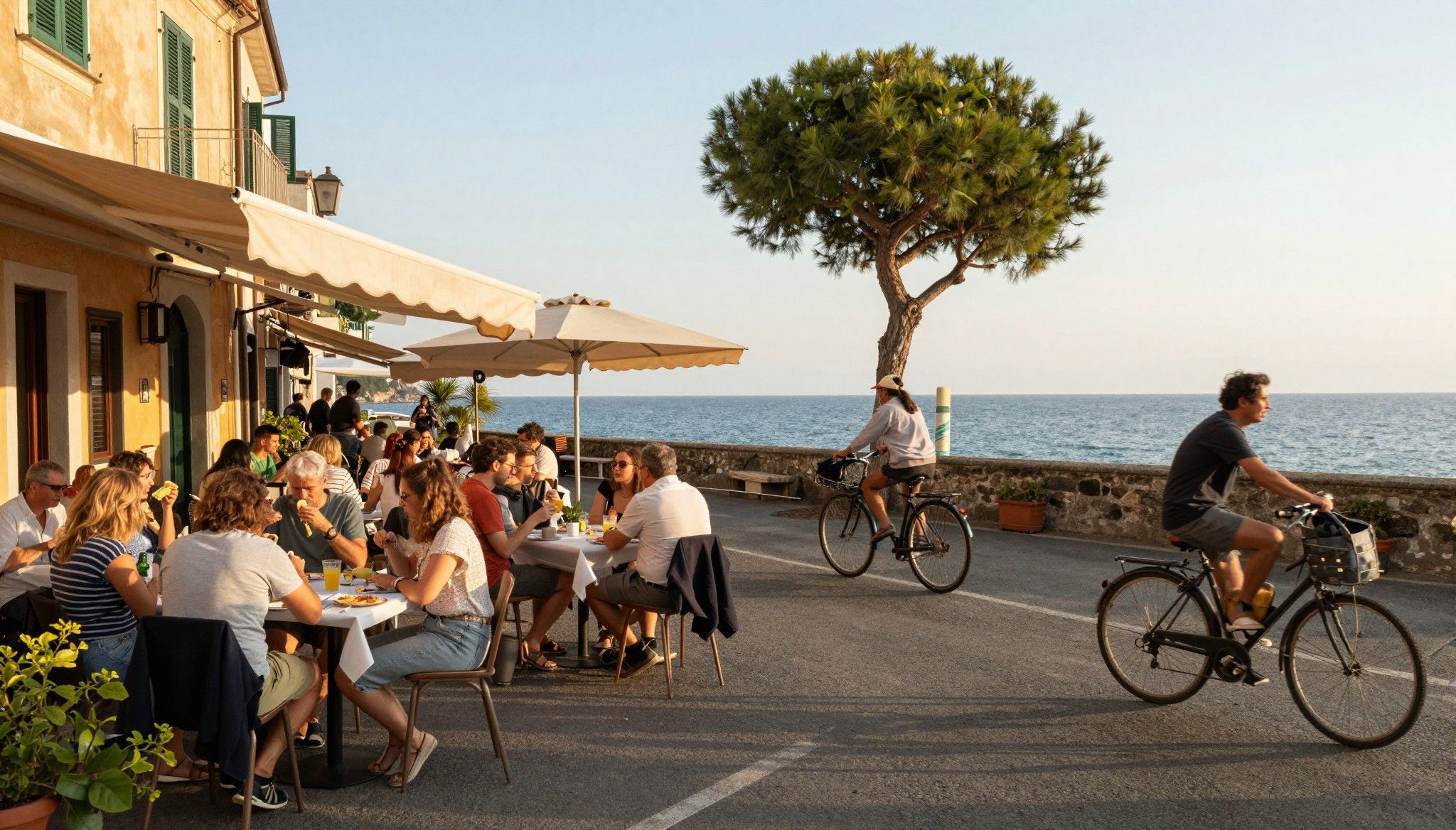
Malta Neighbourhood Vibes: Fall for Life, Buy Smart
Fall in love with Malta’s limestone streets and cafe-workflow culture while using NSO, connectivity and yield data to pick the right neighbourhood, property type, and local agent.
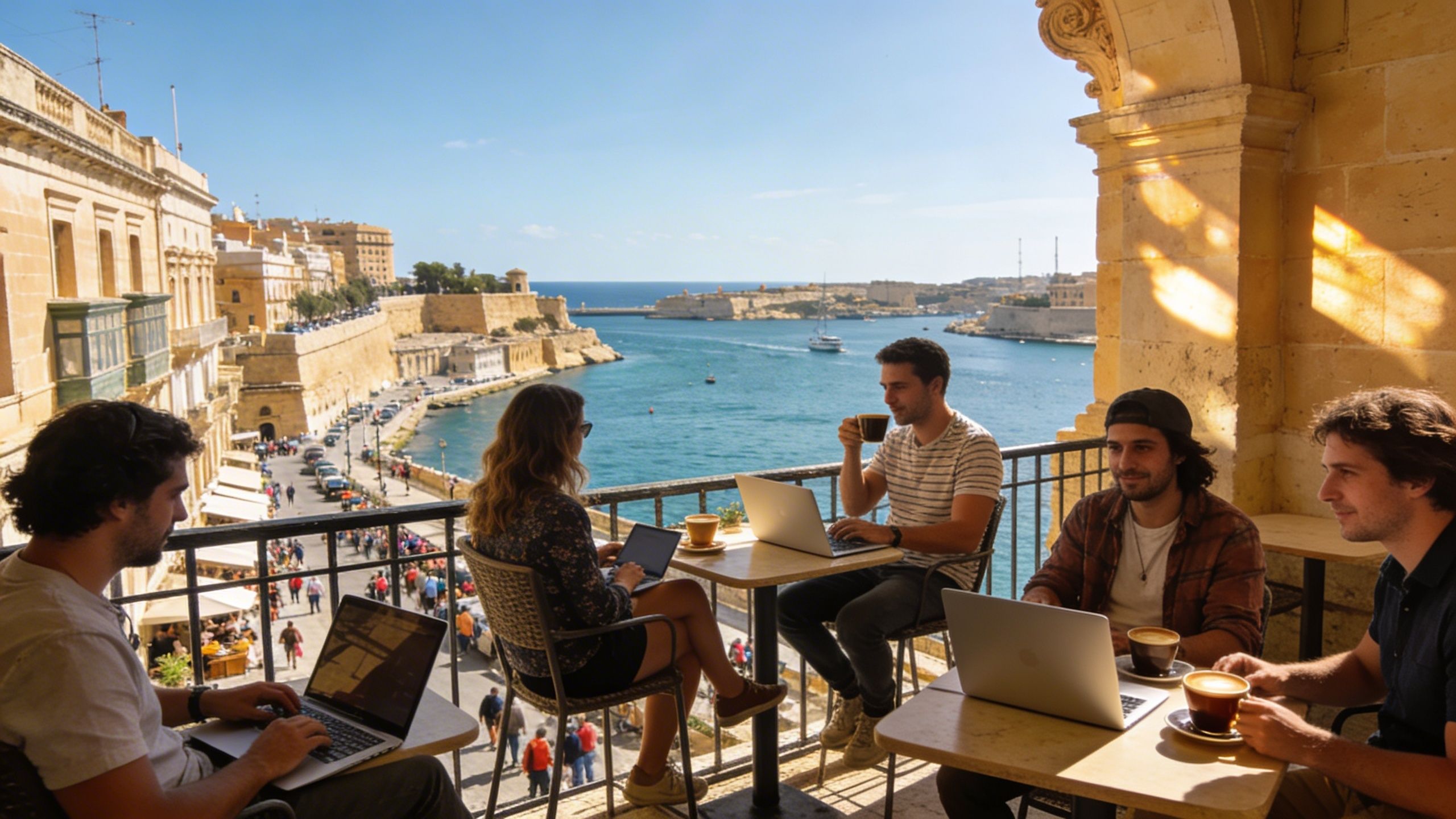
Imagine sipping an espresso on a limestone balcony in Valletta, your laptop open, the harbour glinting below and a neighbor calling out to borrow sugar. That scene—sunlight, sea breeze, walkable streets—is Malta’s daily rhythm for many expats and nomads. But behind the postcard is a compact market, shifting prices and rules that can change a dream into a scramble unless you know where to look. This guide blends the lived-in magic of Maltese neighborhoods with concrete, research-backed buying moves so you fall in love—and buy smart.
Living the Malta Life: Neighborhoods that Make You Stay
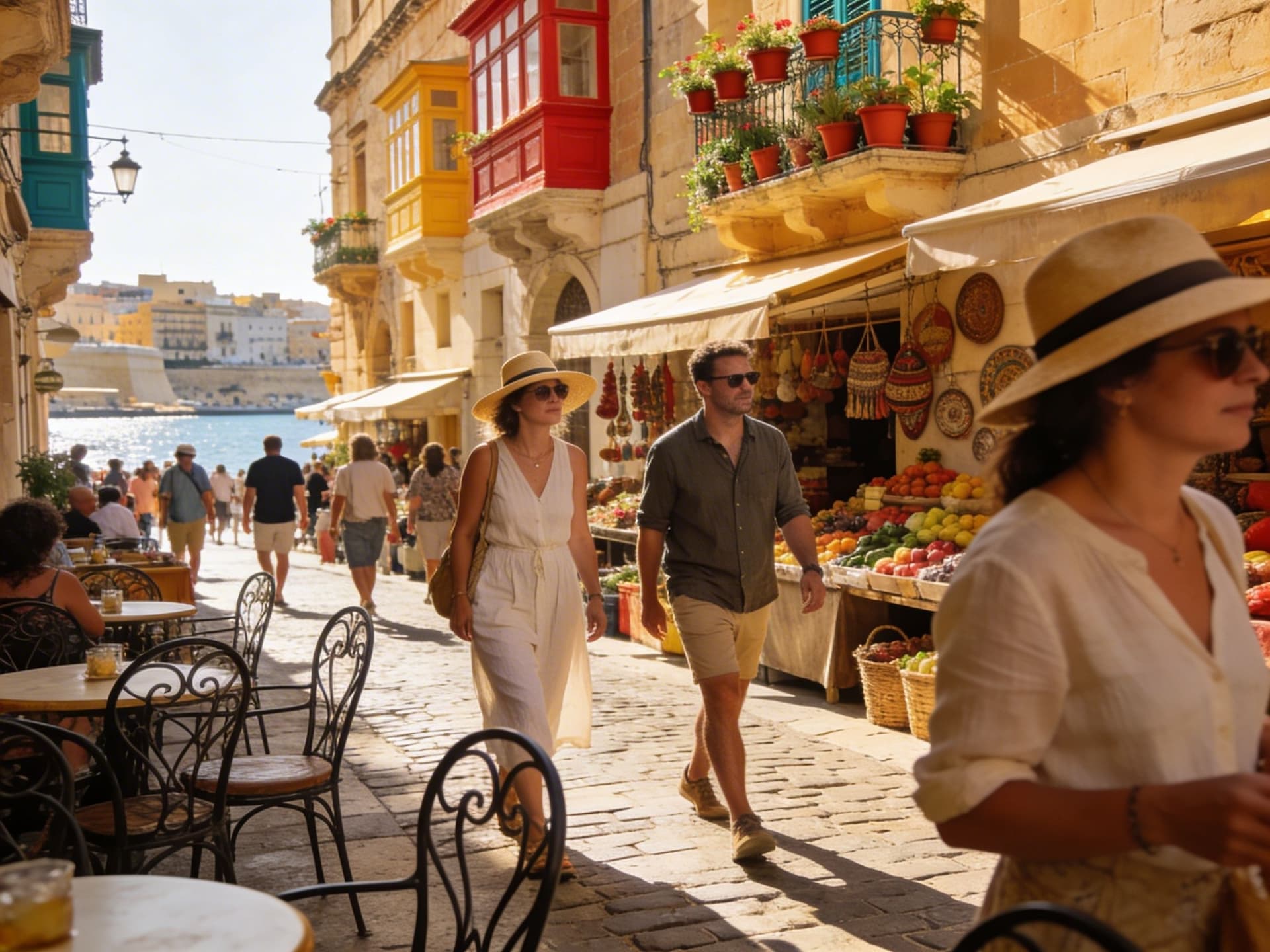
Malta is compact, which means a tiny commute and very different vibes within a 20-minute drive. Valletta is ceremonial and intimate—stone alleys, museums, boutique cafes—while Sliema and St Julian’s hum with seaside promenade life, international restaurants and late-night energy. If you need fast internet and coworking after your caffeine hit, Malta delivers: median fixed broadband speeds were reported above 100 Mbps in recent data, a winsome fact for remote workers who need stability and speed.
Valletta & The Three Cities: History as a Neighbour
Strolling Valletta feels like living inside a historical film set—church bells, narrow lanes, rooftop terraces that face the sea. Properties are characterful: small converted townhouses, boutique flats with thick limestone walls and high ceilings; heating isn't a focus, but good shutters and shade matter for summer. For nomads, the charm comes with tradeoffs: smaller interiors and premium price-per-square-meter, but unbeatable walkability and cultural density.
Sliema–St Julian’s–Gzira: Coastline Coworking & Social Life
If you want easy cafe offices, evening promenades and a steady expat crowd, Sliema and St Julian’s are the obvious picks. Expect busy cafes, coworking spots, and international grocery options; these areas host most short-term rentals and tourist-facing amenities. The practical angle: high demand here keeps rental markets tight and prices elevated, so weigh lifestyle convenience against yield if you plan to rent the place out.
- Lifestyle highlights (real places and moments): Valletta’s Strait Street for live music; the Sliema promenade for morning runs and ferries; St George’s Bay in St Julian’s for weekend swims; Marsaxlokk fish market on Sunday for fresh catches; hidden terraces in Mdina for quiet evenings; Gozo’s Ramla Bay hikes and slow pace.
Making the Move: Practical Considerations That Preserve the Lifestyle
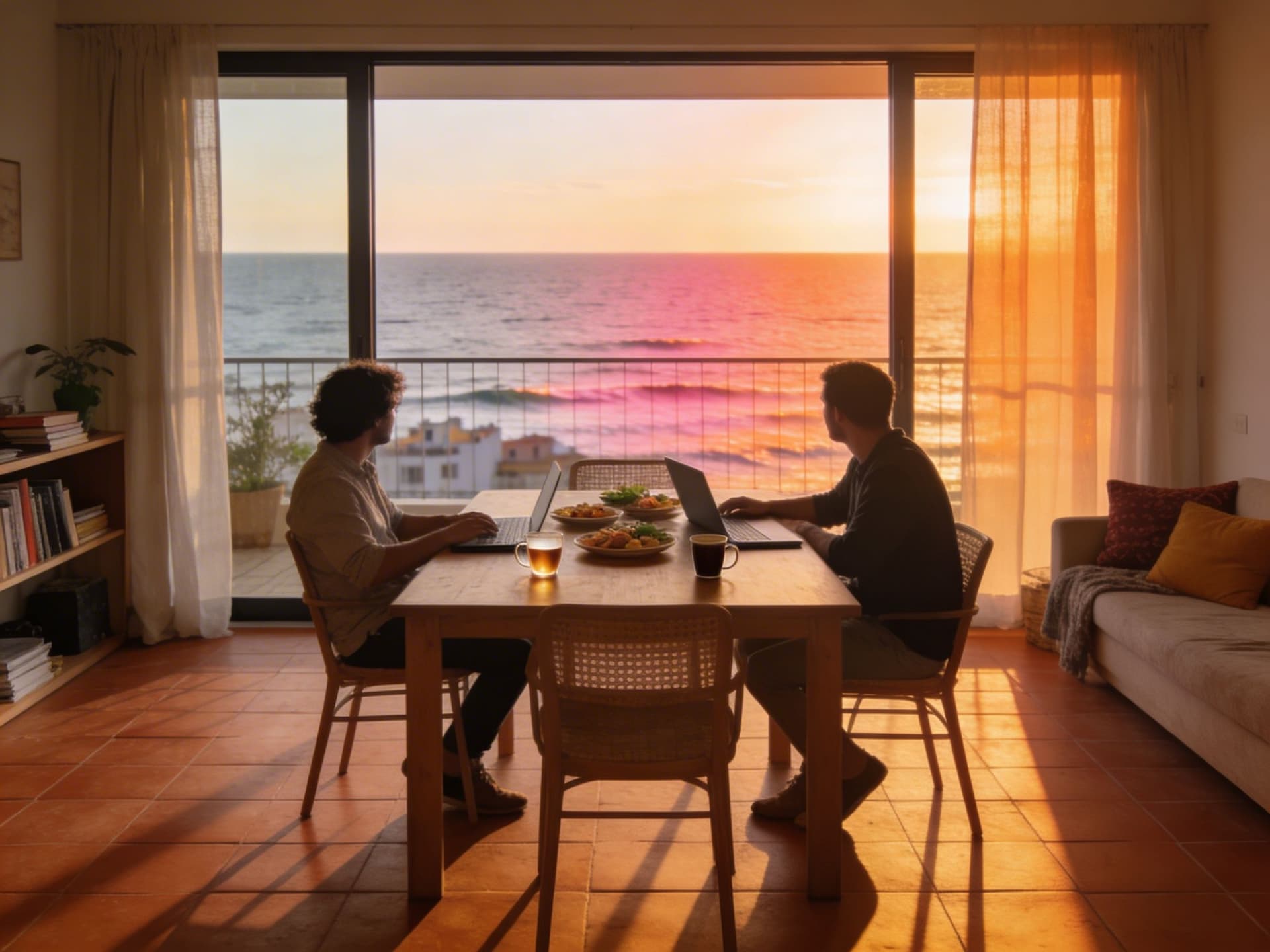
Dreams meet paperwork. Malta’s market is compact and active—nationwide indices show continued price increases—so timing and neighbourhood choice affect both lifestyle and returns. Think beyond sticker price: broadband, sunlight on terraces, and usable outdoor space matter more here than square meters alone. Below are the practical property patterns I’ve seen with nomads and expats: what to chase, and what to skip.
Property styles: Limestone character vs. new-build convenience
Traditional Maltese homes—high ceilings, internal courtyards and limestone facades—offer instant atmosphere and cooler summers, but they sometimes need wiring upgrades and insulation work. New builds give modern insulation, balconies and lifts, and often better fibre connections, but miss that instant local patina. Ask: will you renovate? If you work from home, prioritise a quiet room that can take a desk and noise control; if you entertain, terraces with evening sun are priceless.
Working with local experts who get nomad needs
Use agents who know where fast fibre is installed, where short-term rentals are legally viable, and which neighborhoods are prone to noise or parking headaches. National statistics show steady regional price shifts, so local insight helps convert macro trends into the right street-level decision. A good agent will scout fibre availability, check promise-of-sale patterns, and introduce you to reliable contractors for any quick upgrades you’ll want before moving in.
- Step-by-step decision checklist for nomads (fast): 1) Pick lifestyle radius—do you want promenade life or village calm? 2) Verify fixed broadband and mobile coverage at the exact address. 3) Ask agents for recent comparable PoSA and deed timelines in that neighbourhood. 4) Budget for immediate small renovations (wiring, shutters, blackout blinds) and register a local bank account. 5) Meet neighbours or online expat groups before signing to sense community fit.
Insider Knowledge: Expat Lessons, Red Flags, and Seasonality
Here’s the honest talk: Malta’s past citizenship-by-investment route influenced demand and prices, and legal changes have rippled through buyer behaviour. The program’s closure (ruled incompatible with EU law) means fewer fast-track citizenship buyers, shifting demand toward long-stay residents and remote workers. That changes neighbourhood dynamics—less flash buying, more people wanting to integrate—and can open up value in areas previously overheated by investment buyers.
Culture, language and community: How to feel at home fast
English is an official language, which makes settling easier; daily small talk at cafes or the fruit market will help you connect quickly. Join local meetups in coworking spaces or expat Facebook groups to find weekend hiking buddies, board-game nights, and language exchanges. Be mindful of Maltese pace—appointments can run late and bureaucracy rewards patience—so a friendly smile and a flexible calendar go a long way.
Long-term lifestyle thinking means balancing cost with sustainability: Gozo offers quieter life and comparatively higher yields, central Malta gives the best mix of amenities, and east-coast towns give rental liquidity but lower yields. Recent industry reporting highlights yield pressure in prime hotspots, so if rental return matters, don’t follow every buyer flocking to the promenade—look for under-the-radar streets near transit and good fibre. Over time, community, schools and walkability matter more for day-to-day happiness than being on the most photographed strip.
- Red flags to watch on street-level viewings: inconsistent fibre availability in old buildings; damp or poor ventilation in ground-floor limestone flats; unclear common-area maintenance for maisonettes; properties listed as “vacant” that hide unresolved PoSA or deed delays; overly optimistic rental-yield claims without recent comparable contracts.
Move-in image: picture weekday walks to a café with stable Wi‑Fi, lunch on a sunlit terrace, and evenings exploring festas or harbour restaurants. Now map that to realities: local agents who check fibre, a solicitor who tracks deed timelines, and a small renovation budget. Those three practical moves protect the lifestyle you came for.
Ready to make it real? Start by shortlisting three neighbourhoods that match your daily rhythm—Valletta for culture, Sliema/St Julian’s for social energy, and a quieter village (like Marsaxlokk or Zabbar) for outdoor space. Ask your agent specifically about recent deed turnaround times, local fibre availability, and neighbours’ noise at 8pm on a Saturday. That’s how you keep the romance and avoid last-minute buyers’ remorse.
Sources: Malta’s Residential Property Price Index (NSO) and industry reports show ongoing price movement; digital connectivity reports confirm Malta’s strong median fixed broadband speeds; local tax and yield analyses highlight regional differences in rental returns—use these to shape neighbourhood choice and agent selection.
Conclusion: Malta is small enough to feel like a village and layered enough to offer many lives. Fall for the cafes, the limestone sunsets, the sea-salted air—but bring a checklist: fibre checks, deed timelines, a trusted local agent and a modest renovation buffer. Do that and you’ll get the life—the terrace mornings, the neighbourly greetings, the workspace with a view—without the surprises.
British expat who moved from Manchester to Mallorca in 2017. Specializes in market analysis and helping fellow Brit navigate local regulations.