Elective Visa & Life in Italy — Lifestyle Tradeoffs
Italy pairs intoxicating day-to-day life with residency paths like the Elective Residency visa — plan proof of income, broadband at the address, and local agency support to turn dream into residence.

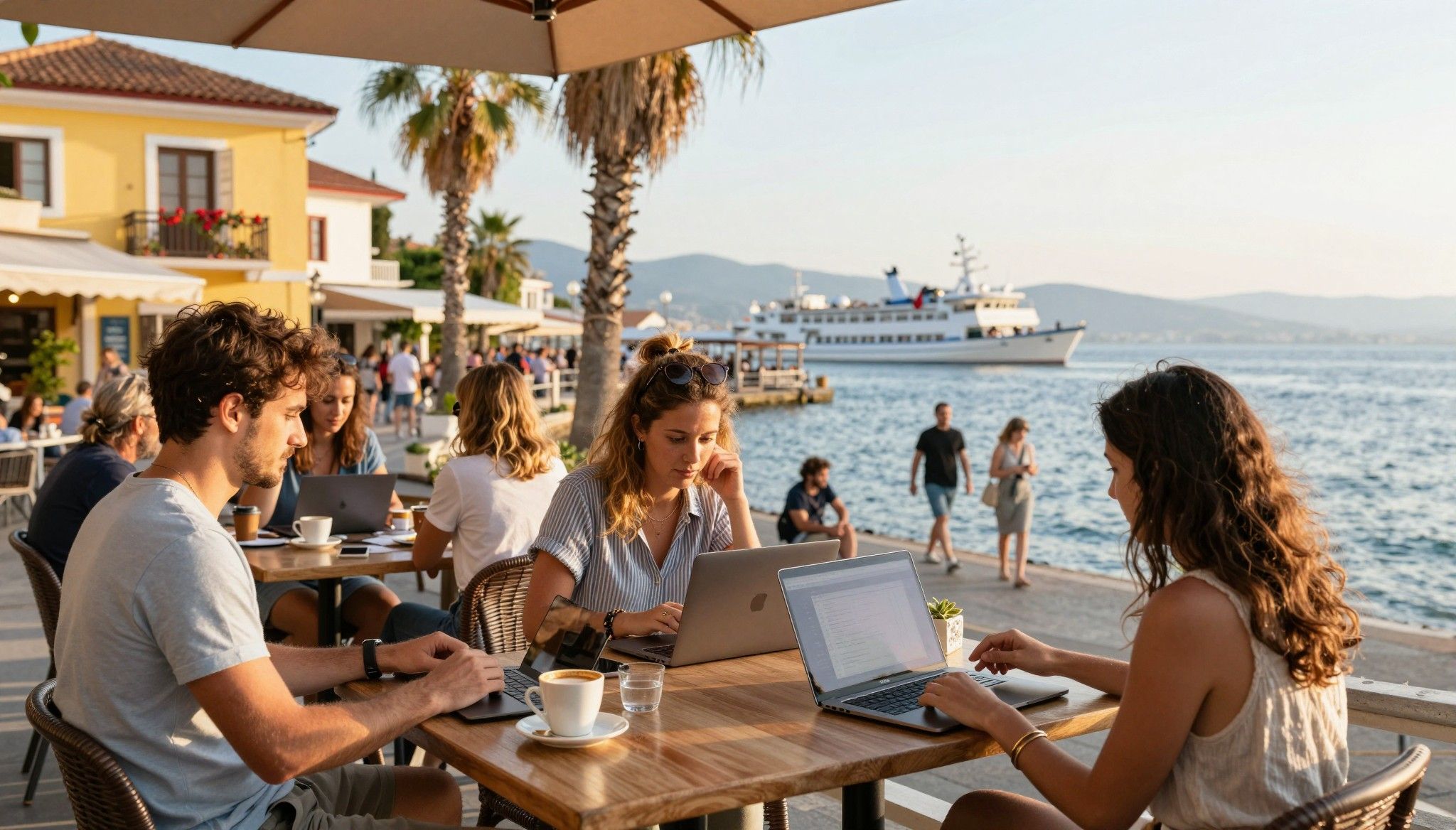
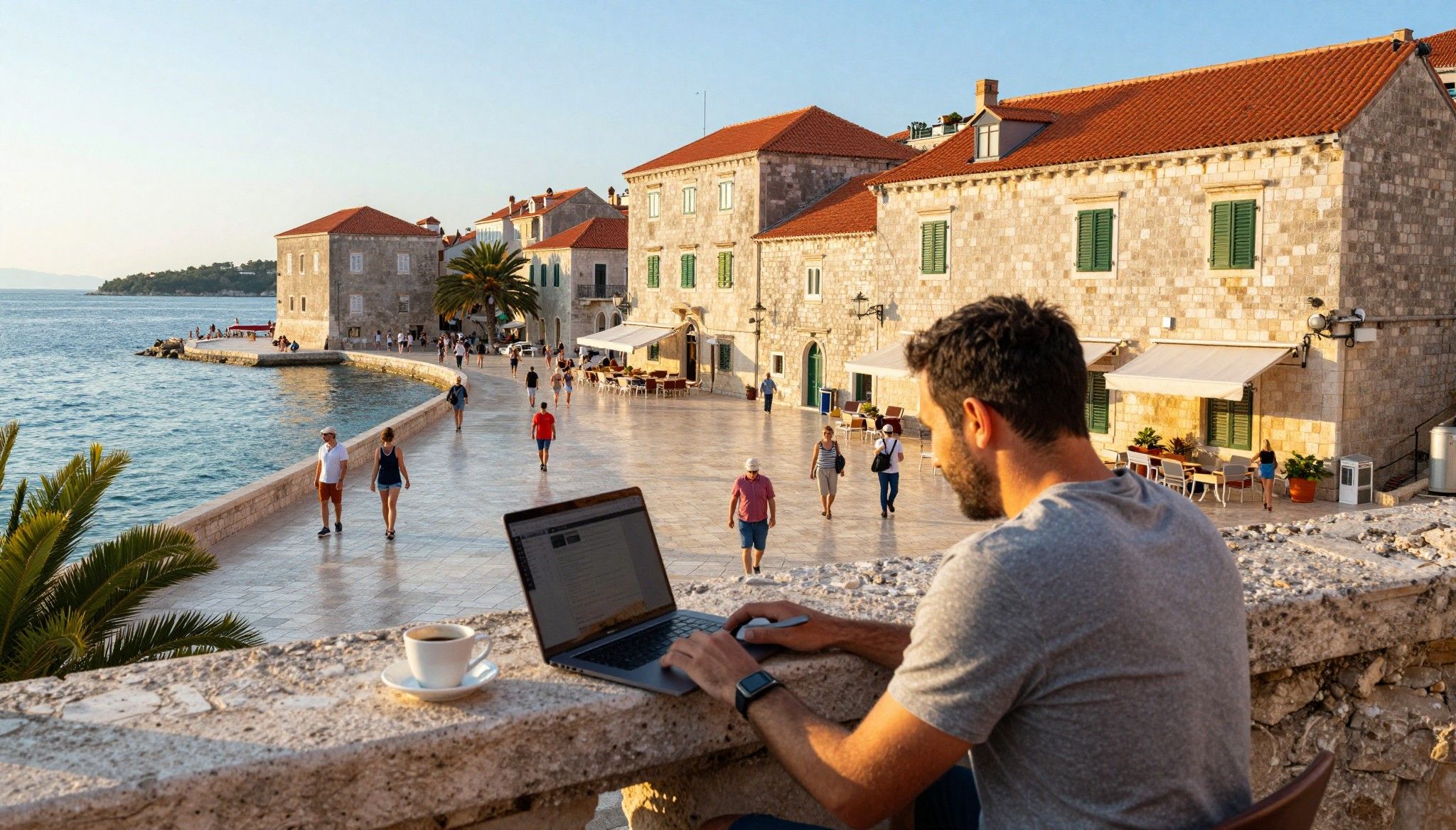
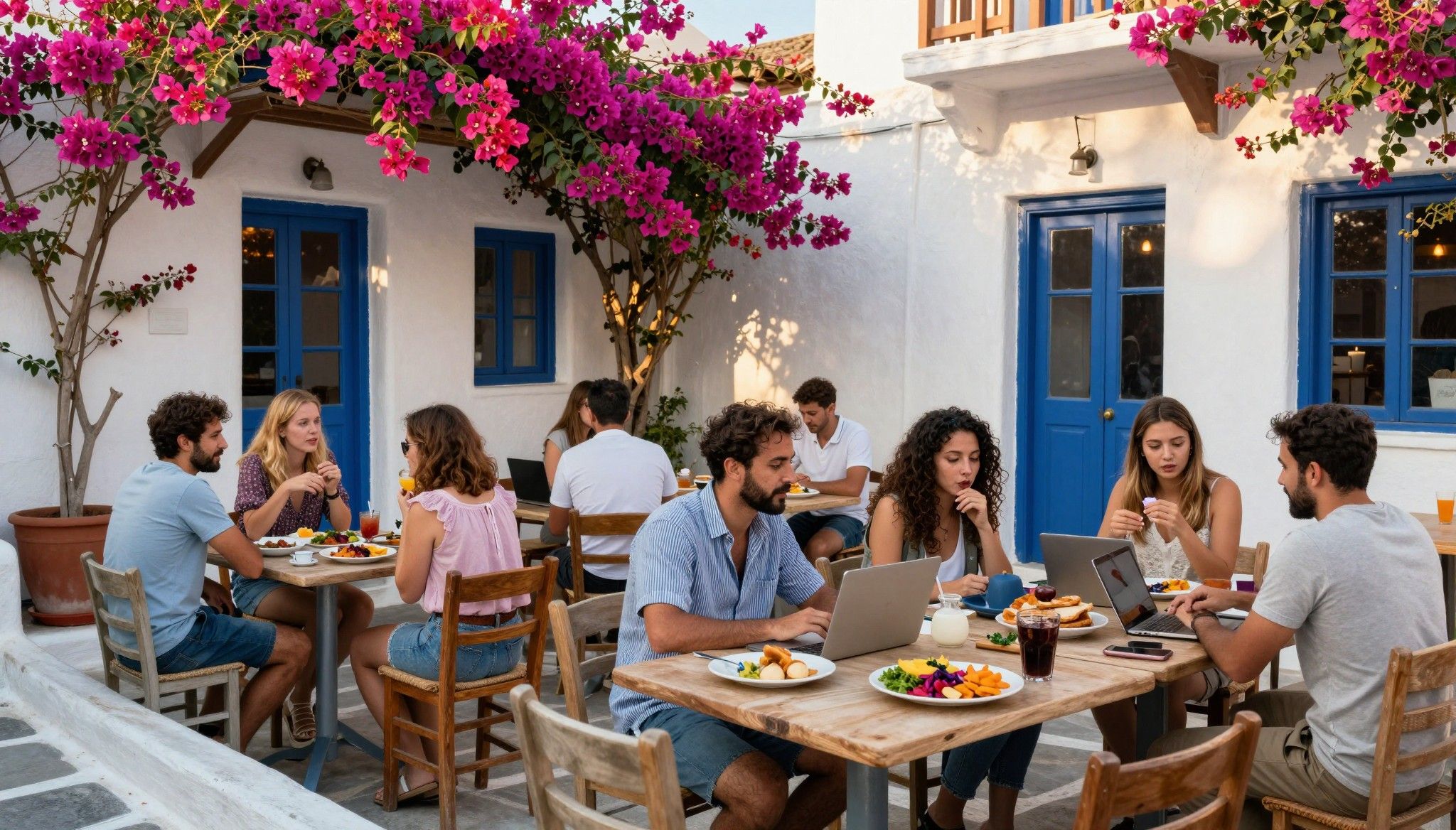
Imagine stepping out of a sun-warmed door in Trastevere with an espresso in hand, or opening wide double doors onto a walled garden in Puglia — Italy greets you with neighborhoods that smell of fresh bread, late-night laughter, and the clink of wine glasses. For nomads and remote workers, that sensory life is the siren song; for buyers it raises practical questions: which visa lets you stay, where will the internet be solid, and how do neighborhoods actually feel beyond glossy photos? This piece marries the best of both worlds: vivid, street-level life in Italy and the concrete visa‑and‑real‑estate tradeoffs you need to make the dream real.
Living the Italy Lifestyle
Italy moves at a rhythm of piazzas, markets and seasonal festivals. Mornings are café-first, afternoons may be slow or buzzing depending on the place, and evenings belong to long dinners. This variety means your daily life will depend on the micro-neighborhood: in Milan you might trade aperitivo for coworking meetups; in Sicily you'll find beachside markets and slower afternoons. Picture yourself balancing client calls with midday passeggiata and choosing a flat whose windows open onto real life, not tourist façades.
Neighborhood Spotlight: Trastevere, Navigli, Oltrarno (city charm)
Trastevere in Rome pulses with narrow lanes, late-night osterie, and a strong neighborhood identity — ideal if you want pedestrian life and cafés that know your order. In Milan, Navigli and Isola mix canals, design studios and coworking hubs: fast internet and late lunches. Florence’s Oltrarno feels like living inside an artisan workshop — cobbled streets, small botteghe, and quiet squares perfect for weekend writing sessions. Each has a different work/life tempo; pick by how you want your weekdays to feel.
Food, markets and seasonality (your week on a plate)
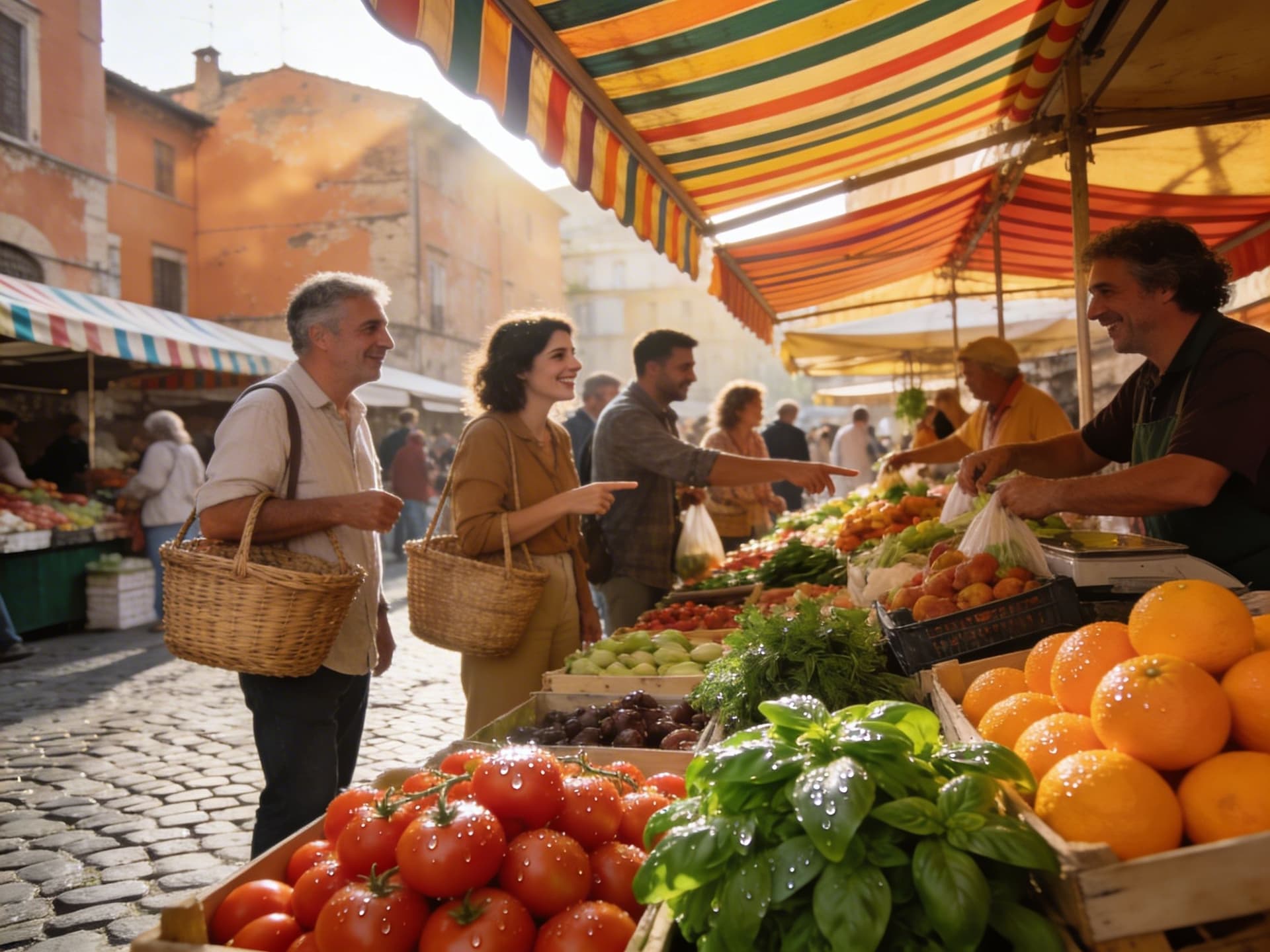
Food defines life here: morning markets (like Mercato di Testaccio or Mercato Centrale), neighborhood bakers, and seasonal festivals shape when and how communities gather. Autumn truffle and harvest seasons refill small-town calendars with fairs and temporary rents for short stays that also make house-hunting lively and social. When you rent a flat you’re also buying into a culinary timetable — a market once-a-week can make you feel local instantly.
- Lifestyle highlights to scout during a visit
- Morning espresso at a corner bar where the barista knows your name (Trastevere, Testaccio, Navigli)
- A weekday coworking day in Milan’s Isola or Rome’s EUR hubs to test internet and community
- Weekend market runs — Mercato di Ballarò in Palermo or Mercato Sant’Ambrogio in Florence — to feel supply, prices and local rhythm
Making the Move: Practical Considerations
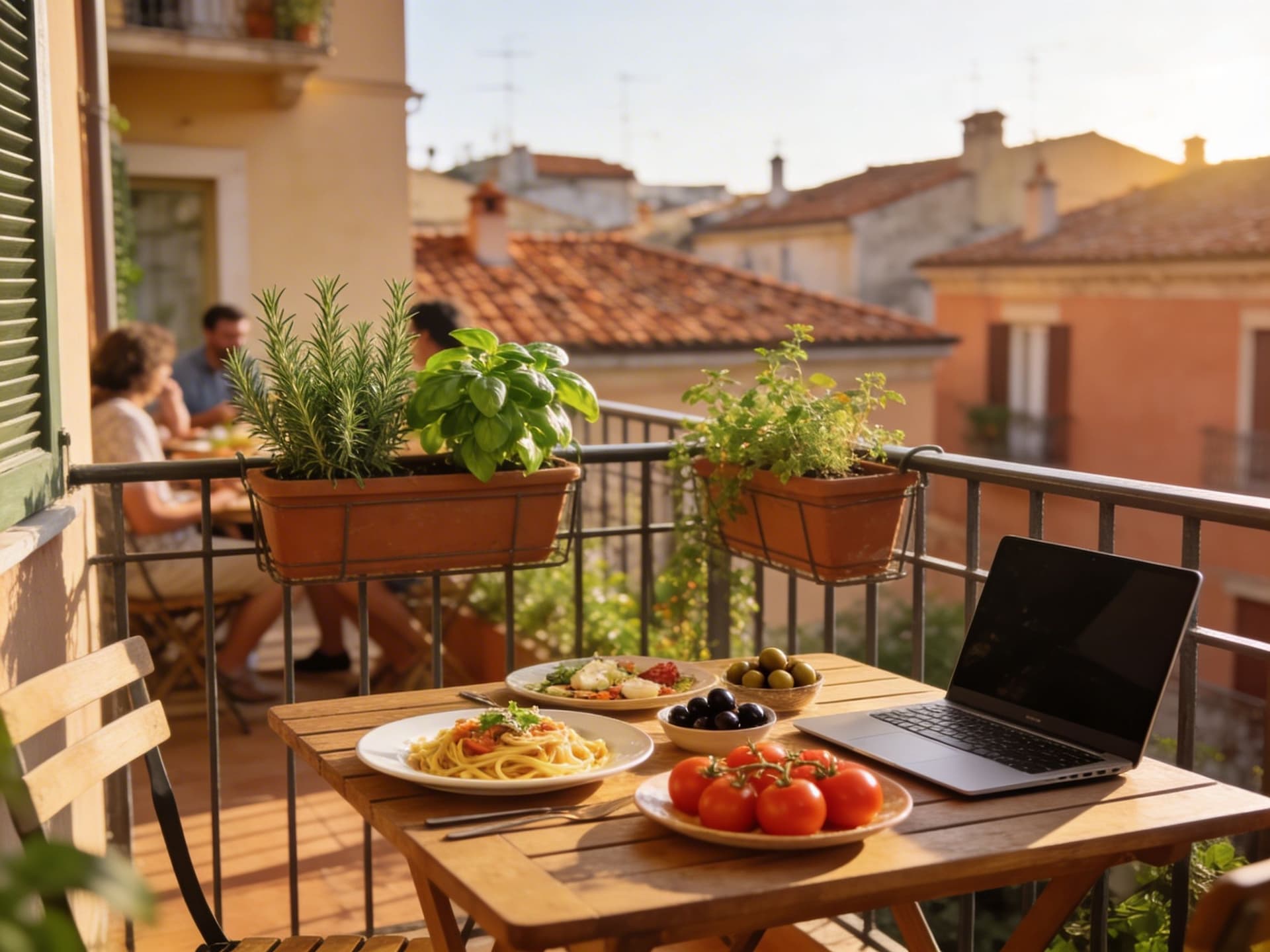
The Elective Residency visa is the lifestyle visa many nomads consider: you don’t work in Italy, you live from independent means, and you plug into local life. Consulates expect clear proof of stable, ample income and long-term housing plans, and they assess applications stringently — long months of bureaucracy are normal. If you want to convert a holiday infatuation into real life here, preparing finances, rental contracts, and a realistic plan for residence permits is essential.
Property styles that match nomad life
From compact centro storico apartments to renovated farmhouse conversions and seaside terraces, style affects how you live: thick-stone historic apartments can be cool in summer but need heating upgrades in winter; modern conversions often include reliable fibre and bigger living-work spaces. National data show modest price growth and regional divergence — cities like Milan and Florence stay pricier, while inland and southern towns offer better square‑meter value. Choose based on the life you want (sunny terrace vs walkable piazza) and the renovation tolerance you have.
Working with local experts
A local agent who understands residency-driven buys will do three things: match lifestyle needs to neighborhoods, translate contracts and local tax implications, and pull together trusted notaries and translators. Look for agents who regularly work with foreign buyers and can introduce you to local relocation services — this reduces the risk of wasted viewings and paperwork surprises. Always ask agents for recent examples of international clients they’ve helped and for references.
- Step-by-step move checklist
- 1) Visit for at least two weeklong stays in different seasons to test rhythm and connectivity.
- 2) Verify broadband availability and speeds at the exact address (ask neighbours or the provider).
- 3) Secure a registered rental or preliminary purchase contract that supports your visa narrative.
Insider Knowledge: What Expats Wish They'd Known
Consulates don’t only look at your bank balance; they look for documented, traceable income. Practical rule-of-thumb figures circulated by visa specialists suggest around €31,000 a year for a single applicant as a minimum operational benchmark, more in big cities. Plan documentation carefully: registered rental income, pensions, and dividends are commonly accepted. Treat consular practice as the real test — formatted paperwork and consistent cross-border proof matter more than forum anecdotes.
Cultural quirks that change where you buy
Italians prize neighborhood ties: a friendly baker and a concierge who knows you can make daily life smoother than a bigger apartment in a soulless block. Local building committees (condominio) have real authority over renovations and shared spaces — you’ll want someone who knows how these dynamics affect renovation timelines and costs. Learn the local rhythms: weekly market days, church bells, and summer town festivals that can make a street feel alive or impossibly noisy, depending on what you want.
Long-term lifestyle sustainability
If long-term community and resale matter, track where foreign interest is rising: Rome and Milan consistently attract international buyers, which supports rental demand and resale liquidity. But quieter regions in Emilia-Romagna, Le Marche, and Puglia are investing in connectivity and lifestyle incentives — great for buyers who want lower prices and a slower pace. Think of real estate as life design: will you build local friendships, or rely mostly on tourist-season rentals? Your answer steers neighbourhood choice.
- Red flags to watch for during viewings
- Missing or informal rental contracts — hard to use for visa support
- No evidence of fiber/broadband availability at the exact address
- Condominio disputes or unclear special assessments
Conclusion: fall in love deliberately. Italy will seduce you with market days, coastal sunsets and a life that prioritises community and food. Match that romance with hard checks: documented income for visas, confirmed broadband, and an agent who speaks both legalese and café. Start with two season-spanning visits, bring a short-list of neighborhoods that match your weekday tempo, and work with local experts who make the paperwork part of the journey — not the obstacle. When done right, the result is not just property ownership but a life you actually enjoy.
Danish investor and relocation advisor focusing on Portugal and the Algarve; loves coworking culture and expat networks.