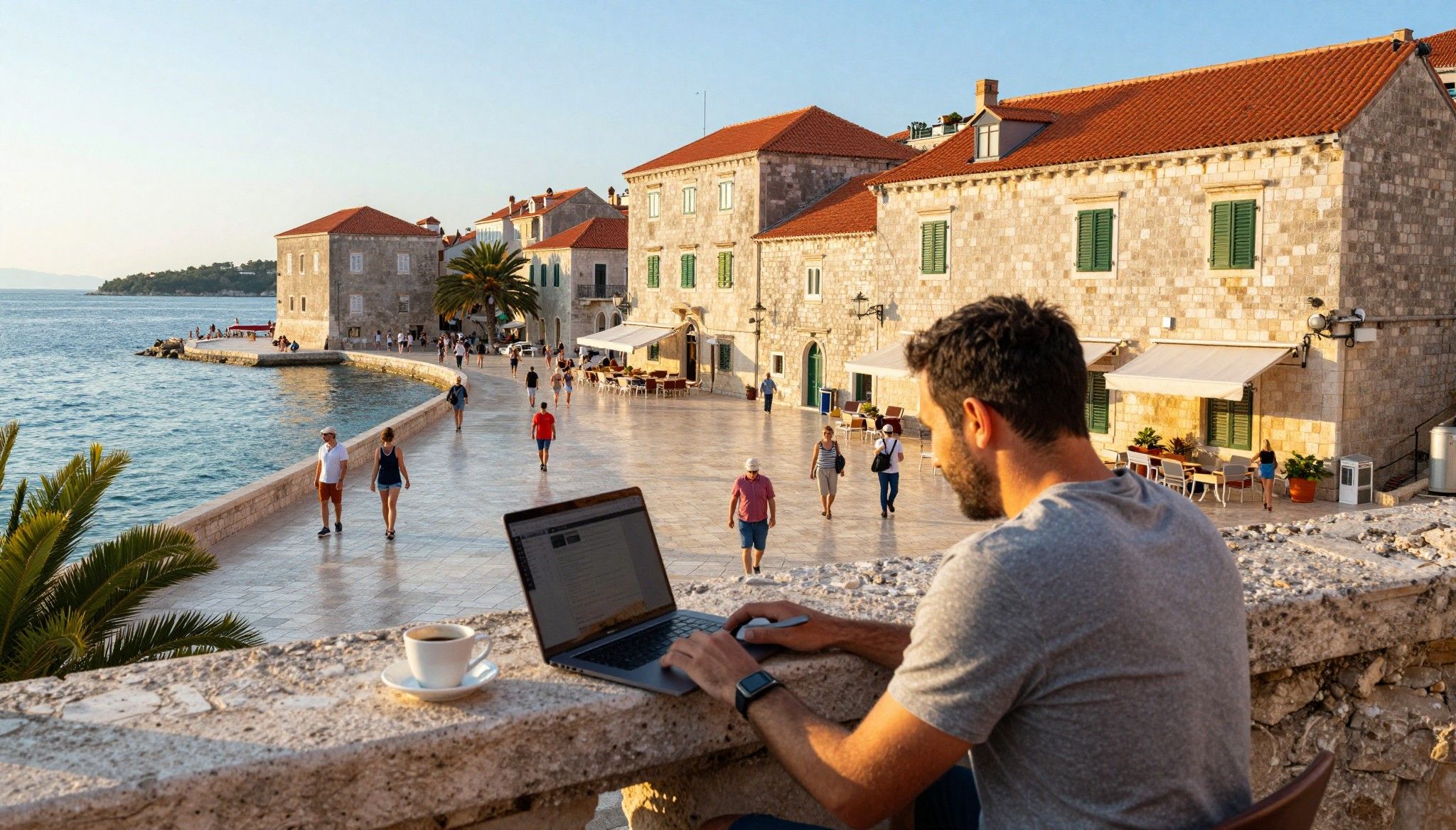
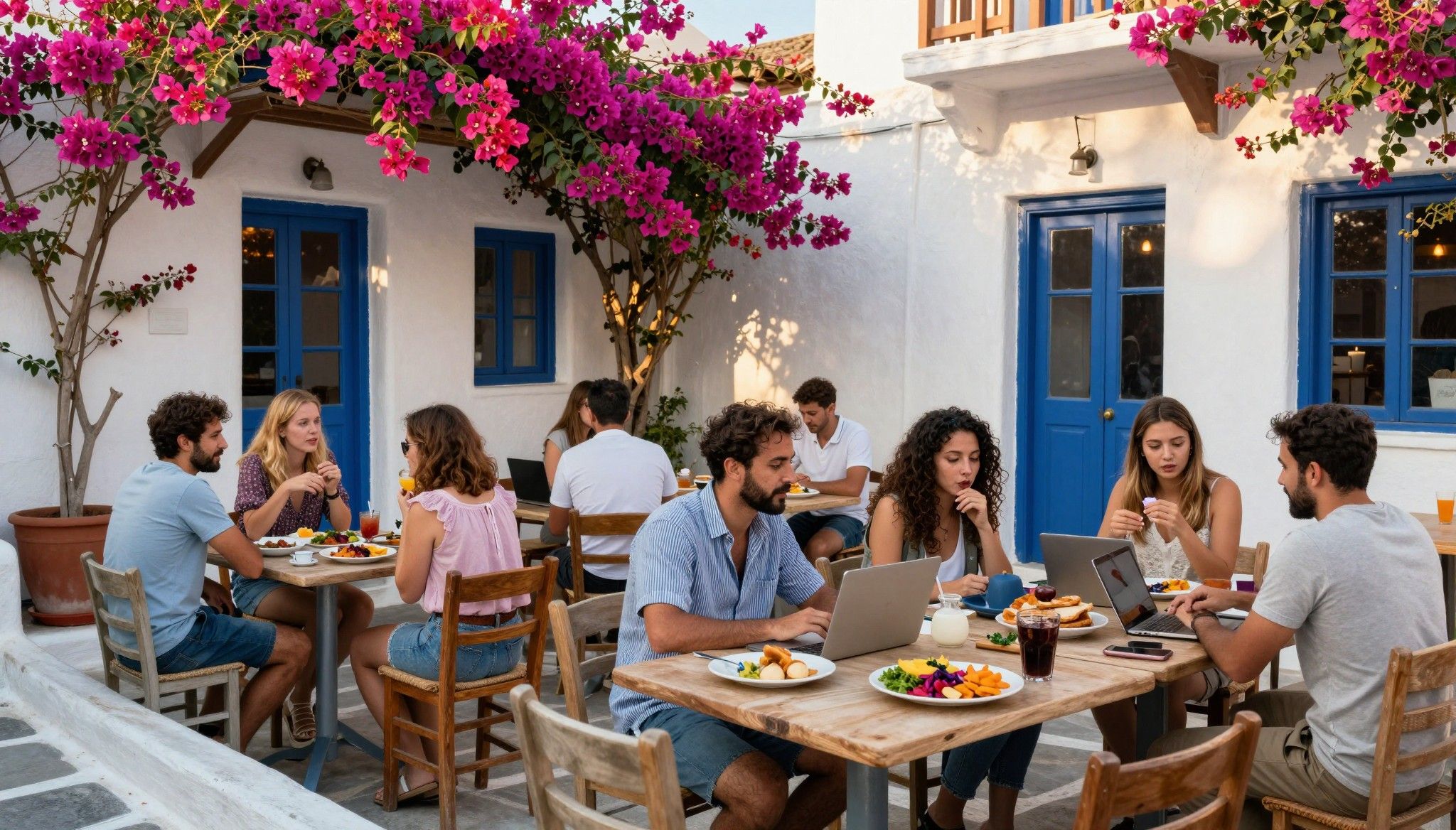
Malta’s Nomad Sweet Spot: Residency That Matches Real Life
Malta mixes Mediterranean charm with permit-driven property rules—use the Nomad Residence window to test neighbourhoods, then plan AIP steps before buying.

Imagine sipping an espresso at Fontanella in Mdina, then opening your laptop to a sea view in Sliema before an evening aperitivo under Valletta’s bastions. Malta is compact: days feel full and every neighbourhood has its own rhythm. But the island’s visa rules and property permit system quietly shape which rhythms you can join—and how fast.
Living the Malta lifestyle: limestone mornings, buzzy afternoons
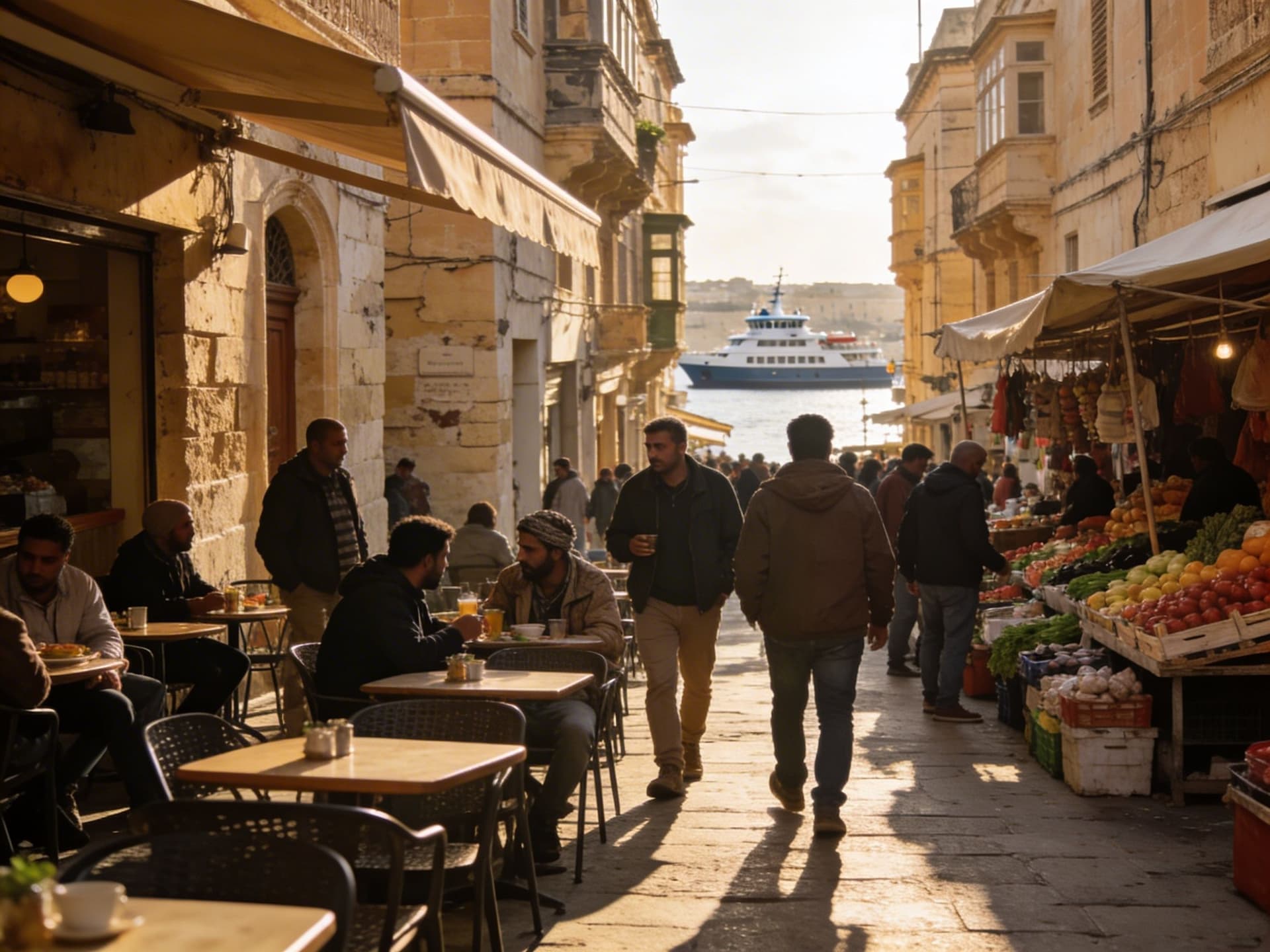
Morning light hits honey-coloured limestone. Cafés spill onto narrow streets. Ferries chat across harbours. For nomads and remote workers, life here is a loop of short commutes, outdoor work bursts, and social cafés where wifi and espresso coexist. Walkability and a strong café culture make working away from a desk effortless; sunset swims and seafood dinners reward the end of every day.
Mdina & Rabat: Slow history, serious views
If you want quiet, cobbled lanes and cathedral views, Mdina and neighbouring Rabat deliver. Expect atmospheric evenings, tourist peaks around midday, and homes with thick walls that stay cool in summer. These areas suit creatives and professionals who value calm, short walks and dramatic backdrops for weekend exploring.
Sliema & St. Julian’s: Sea-front coworking and social energy
Sliema and St. Julian’s are where nomads land for reliable cafes, fast broadband, gyms, and coworking hubs. Balconied apartments and waterfront promenades make outdoor calls pleasant; evenings pulse with bars and casual dining. These neighbourhoods are the practical choice if community, connectivity, and weekend brunch culture top your list.
- Lifestyle highlights: Mdina sunrise, Sliema promenade walks, Valletta theatre nights, Marsaxlokk fish market, Blue Grotto day trips, Għajn Tuffieħa sunsets.
Making the move: how residency rules steer the property hunt
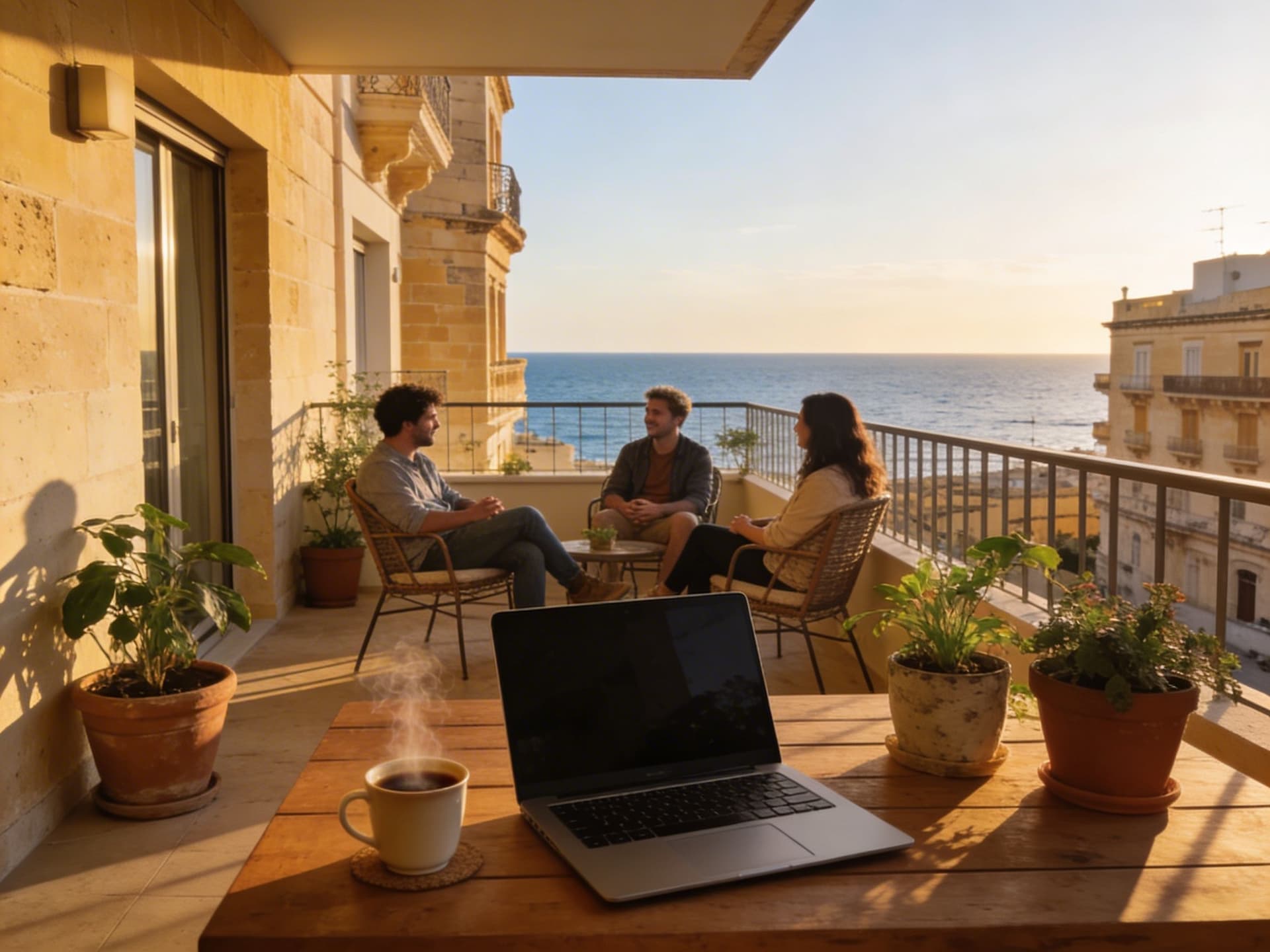
Malta’s small size means regulation matters. Non‑EU buyers typically need an Acquisition of Immovable Property (AIP) permit for most purchases, and that permit shapes price floors, rental rights and which areas you can buy in. Understanding residency options—especially the Nomad Residence Permit—lets you align lifestyle goals (beach days, coworking, community) with realistic property choices.
Property styles: modern seafront flats vs. restored townhouses
New builds in Sliema or Tigné Point offer elevators, reliable fibre and balconies made for laptop afternoons. Traditional townhouses in Valletta or Senglea have character—vaulted rooms, internal courtyards, and cooler interiors—but may need upgrades for fast, consistent internet and a comfortable work nook.
Work-visa crossover: the Nomad Residence Permit lets non‑EU remote workers live in Malta for up to a year (renewable) while working for foreign employers. Requirements include proof of remote income (standard annual threshold now €42,000), health insurance and accommodation. This permit is a neat bridge for remote workers who want to test neighbourhoods before committing to property purchases.
- Step-by-step move checklist blending lifestyle + legal: 1) Pick 2 neighbourhoods—one social (Sliema/St Julian’s), one quiet (Mdina/Gozo). 2) Apply for Nomad Residence Permit or confirm visa rules. 3) Tour properties with internet and workspace checks. 4) If non‑EU and buying, lodge AIP application with promise of sale attached. 5) Line up a local notary and solicitor familiar with AIP conditions.
Insider knowledge: expats’ real regrets and practical wins
Expat buyers repeatedly say: don’t fall for a pretty terrace alone—check permit rules, fibre availability, and sunlight hours. Many who prioritised lifestyle found greater happiness by choosing a slightly smaller place in a social neighbourhood rather than a big, isolated villa. Conversely, those who underestimated bureaucracy paid for slow AIP timelines or discovered rental restrictions after closing.
Cultural integration, language and community
English is an official language and locals are warm; that makes meeting people and handling admin easier. Join local meetups in coworking spaces like HUB or MYMLE to build friendships quickly. Weekends revolve around family meals, seaside barbecues, and festas—participating in these makes Malta feel like home faster than any guidebook.
Long-term lifestyle: when to buy, when to rent
If you’re unsure about neighbourhood fit, rent first—three to six months in Sliema or Valletta reveals commute, noise and community dynamics. Use the Nomad Permit window to test life, then pursue AIP if you decide to buy. For many nomads, the sweet spot is a long-term lease plus part-time ownership in designated areas.
- Expat tips: check fibre/4G in the exact unit; confirm AIP minimum price levels early; budget for notary and registration fees; visit during shoulder season to see real daily life; ask neighbours about noise and building management.
Conclusion: Malta gives you Mediterranean days and compact, social living—but the path to ownership is threaded with permits and residency choices. Start with the lifestyle: pick a neighbourhood that fits your work rhythm, use the Nomad Permit to test it, then call an agency and lawyer who know AIP rules to turn that love into an address.
Swedish, relocated to Marbella in 2018 to chase sun and property freedom. Focus on legal navigation and tax for Nordic buyers.