Italy Neighbourhood Vibes: Where Life and Work Line Up
Italy’s charm is many lifetimes in one—pair vivid neighbourhood scouting with data-led checks like broadband, coworking access and ISTAT price trends to buy smarter.
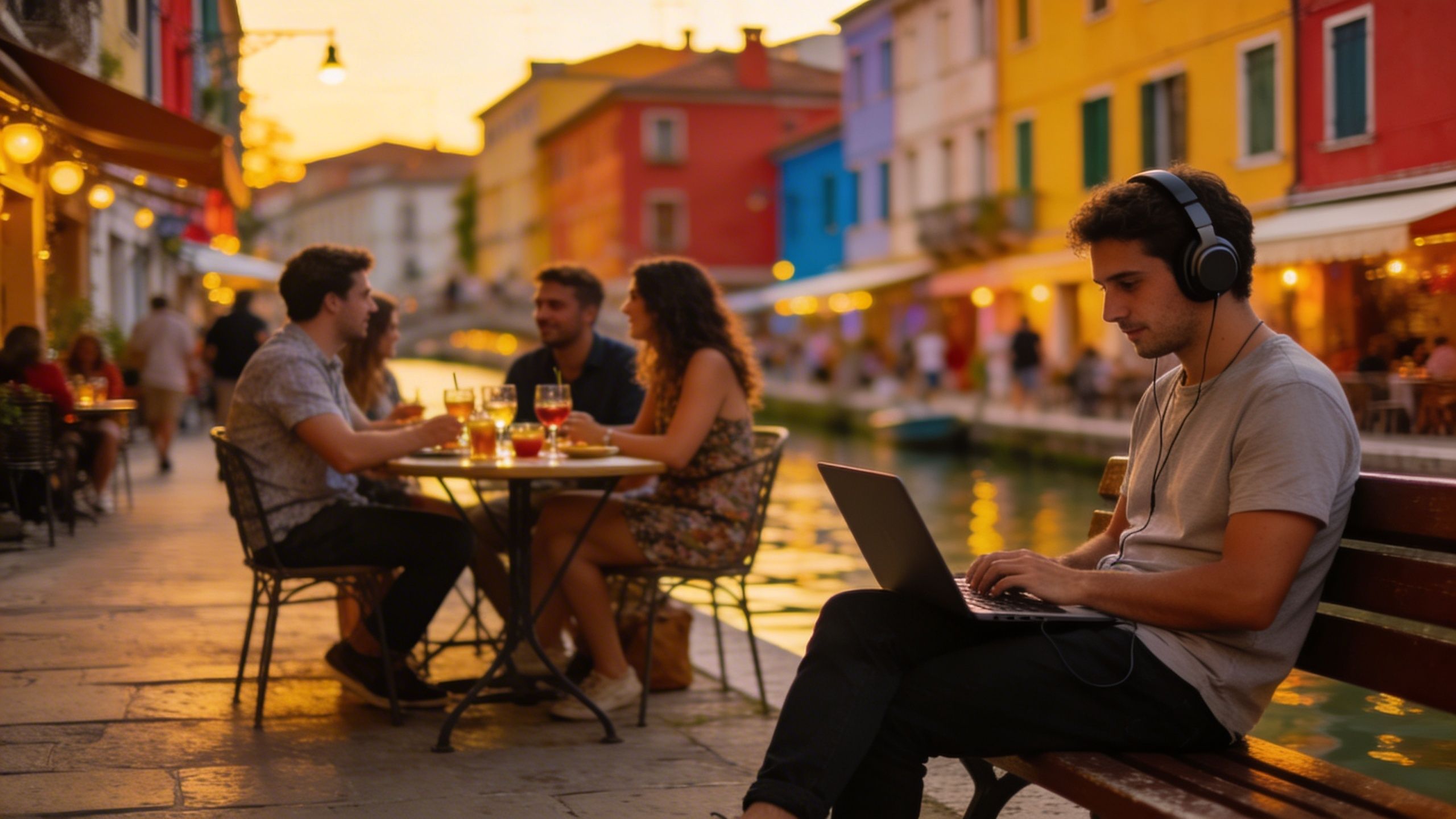
Imagine sipping an espresso at a sunlit corner table on Via del Corso, then closing your laptop and walking five minutes to a little market piled with citrus and burrata. Italy lives in rhythms—late lunches, piazza chatter, coastal light—and that everyday magic is exactly what many nomads and remote workers buy into when they hunt for a home here. But beneath the romance are real, regional trade-offs: market momentum, neighbourhood quirks, and practical must-checks that shape whether your Italian dream becomes a joyful routine or an expensive learning curve.
Living the Italy lifestyle
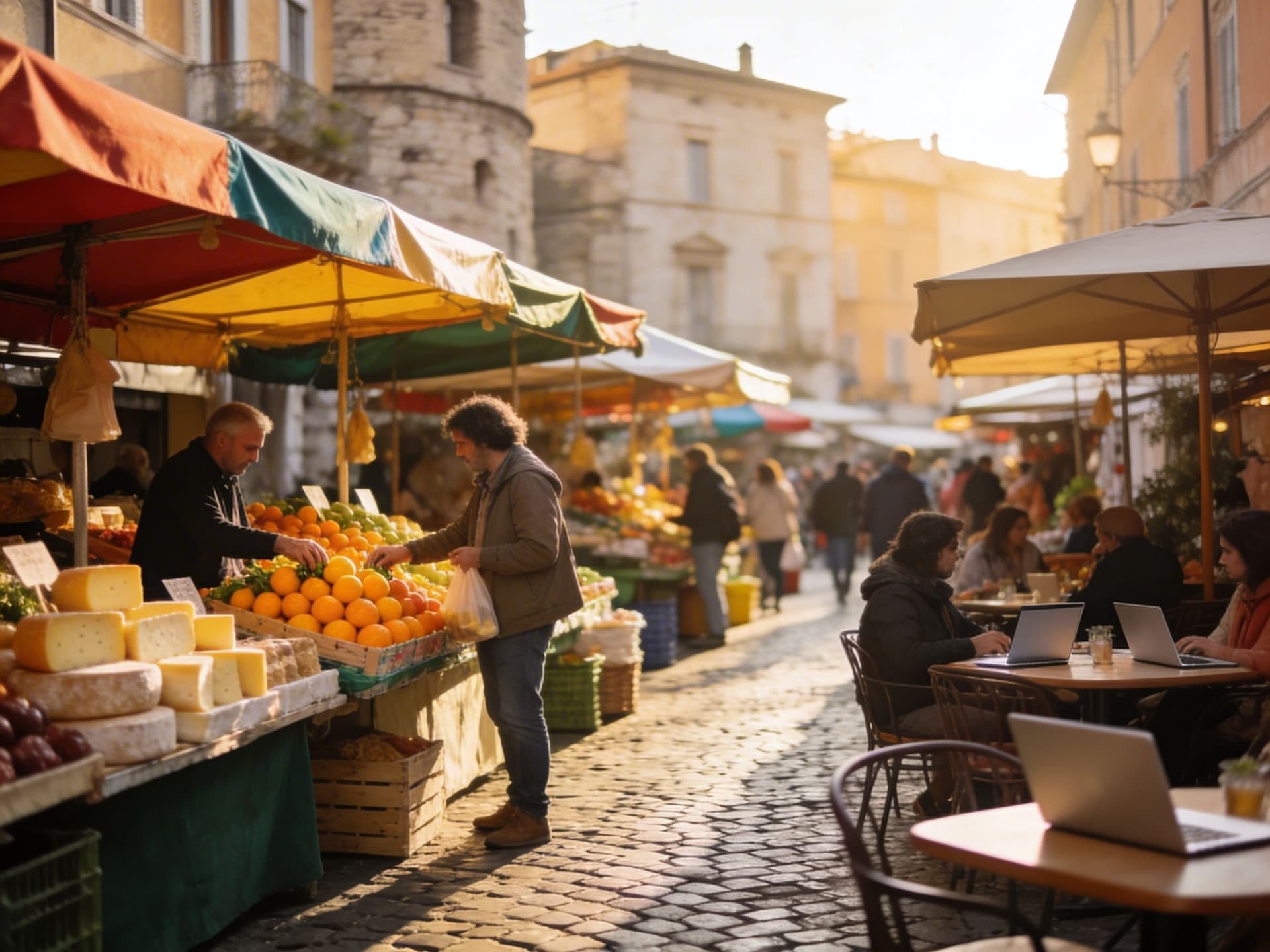
Italy is not one vibe — it’s dozens. Milan hums with espresso-fuelled meetings and private rooftop aperitivi; Bologna smells of ragu and feels like a student town that never grows up; Lecce seduces with baroque light and a slower, southern pace. Milan and Florence command premium prices and fast turnover, while inland towns and many southern coastal areas offer dramatic value for buyers who want space, terraces and a slower tempo. Recent market reports show prices rising unevenly across regions, so location choice is as much a lifestyle decision as a financial one. (See Kyero for price spreads and ISTAT for official trends.)
Neighborhood spotlight: Milan — Brera to Navigli
Brera is bougie and nostalgic — art galleries, cobbles and tiny trattorie. Walk to the Brera Botanical Garden or meet other remote workers at a café with reliable Wi‑Fi. Navigli, along its canals, is nightlife-forward and social; expect lively aperitivo scenes and higher noise after dark. If you want workspace peace, aim for boomtown-adjacent neighborhoods like Isola or Porta Romana where coworking spaces hide behind quiet residential streets.
Food, markets and daily life
Your calendar will start to orbit around market days, aperitivo hours and seasonal festivals. In Palermo and Bologna, long-term nomads have turned neighborhood bars into meetup hubs; in Amalfi or Cinque Terre, weekends mean hikes and seafood. The rising digital-nomad scene means more cafes advertise fiber and desk space—check Nomadlytics’ city notes for where remote-work-friendly cafés and meetups cluster.
- Lifestyle highlights to scout in neighbourhood visits: Farmers’ market mornings (e.g., Mercato Centrale in Florence), a café that knows your order, a walkable route to a coworking space, evening aperitivo spots, a green space for weekend runs, and a local bakery that stays open late.
Making the move: practical considerations that match the lifestyle
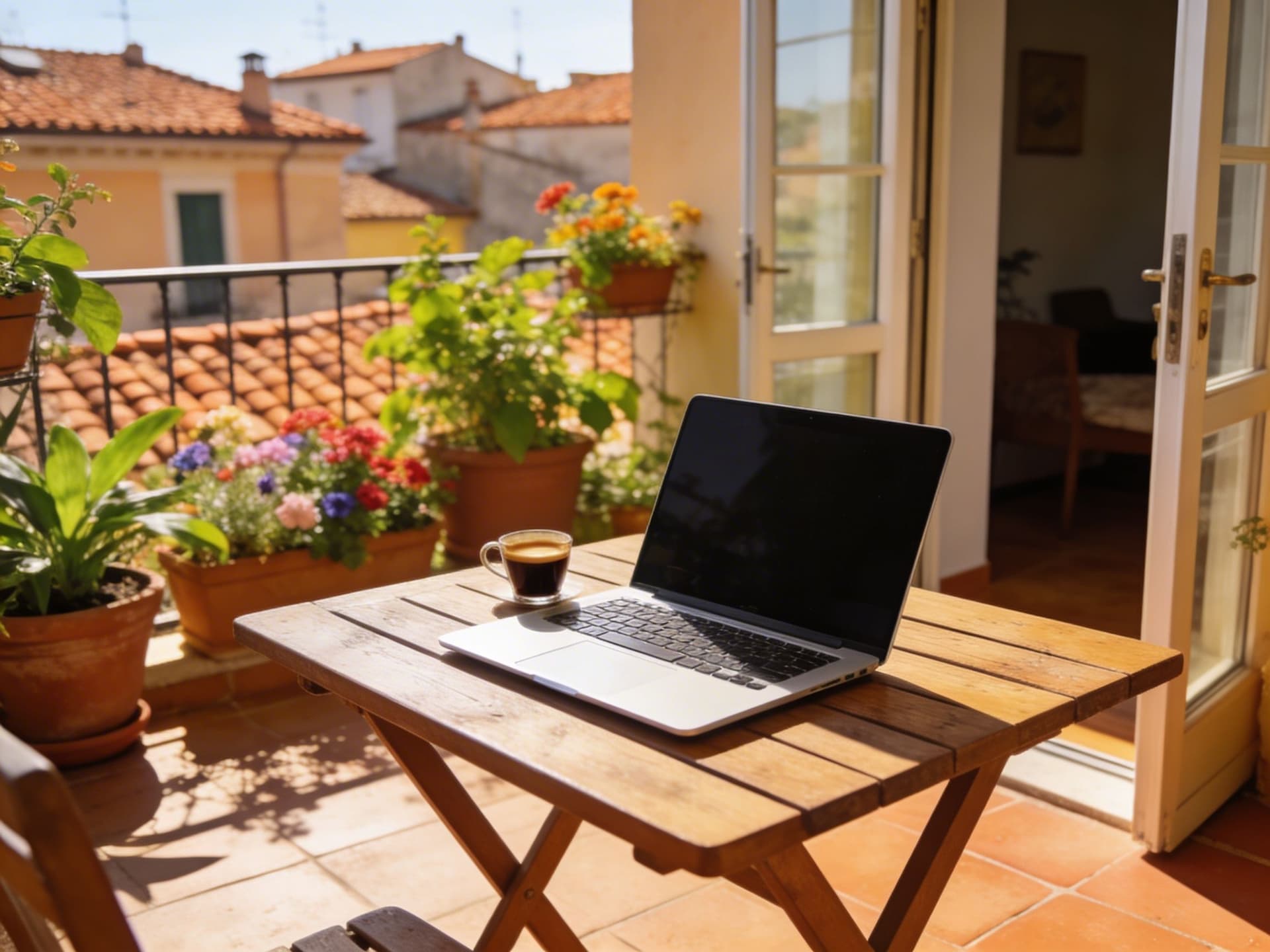
Buying where the gelato is great is seductive, but pairing that with practical checks will save time and money. National stats show year-on-year price growth concentrated in existing homes and urban centers, and transaction volumes recovering — an important signal if you care about resale or rental. For a nomad, priorities are simple: fast broadband, flexible living spaces (room for a desk), commute times that match your routine, and an agency that understands both local listings and the remote-work lifestyle.
Property styles and what they feel like
Historic apartments in city centers have character — frescoed ceilings, tiny kitchens and high heating bills come with them. Newer conversions (ex-industrial lofts in Turin or Milan’s Scalo) give open-plan layouts and integrated fiber. In the south and countryside, you’ll find renovated farmhouses and terraced homes with terraces and gardens perfect for hybrid work-life balance. Choose the style that supports your daily flow: focused workspace, reliable utilities, and outdoor areas for breaks.
Working with local experts who get remote life
- 1. Ask agencies about internet speeds and recent broadband installs, not just meters and rooms. 2. Request neighborhood walk tests at different times (weekday morning, Saturday afternoon, evening) to judge noise and vibe. 3. Get local references from nomads or expat groups—who knows which landlord fixes a leaky router fast. 4. Prioritize agents who can arrange fiscal residency or explain flat tax options if you’re planning long stays. 5. Confirm proximity to coworking spaces and international schools if family or community are priorities.
Insider knowledge: what expats wish they’d known
Expat wisdom is blunt: Italian bureaucracy can be patient‑breaking, but community networks, a good agent and a little Italian go a long way. Coworking density is highest in the north, so if daily face-to-face networking matters, place that higher on the checklist. Safety and friendliness vary neighbourhood-to-neighbourhood; coastal towns can be blissfully peaceful in off-season but much livelier (and pricier) in summer. Businesscoot and other sector trackers show coworking expansion—use that as a proxy for where remote-worker services are growing.
Cultural integration and making friends
Join language exchanges, volunteer at local festivals, and make the bakery your office substitute sometimes. Italians appreciate effort in language and time; long-term relationships often start with regular local routines—market runs, a Pilates class, a soccer pitch on Sundays. That’s where neighbours become friends and practical help (finding a plumber, understanding condo rules) arrives fast.
Long-term lifestyle and resale realities
If resale or rental income matters later, pick neighbourhoods with good transport links and growing coworking scenes; those markets age better. Southern bargains can deliver space and lifestyle now, but resale may be slower — unless you’re buying in a town seeing regeneration. Always compare region-level price data and local demand indicators before committing.
- Red flags to spot in viewings: inconsistent Wi‑Fi reports, opaque condominium minutes, signs of structural damp, a thin market (few comparable sales), and agents who refuse to share recent utility bills or building service history.
Italy delivers an unrivalled daily life: markets that feel like theatre, dinners that stretch on, and neighbourhoods that slowly become home. If you pair that with focused practical checks — broadband, coworking proximity, walkability, and an agent tuned to nomad needs — you’ll buy not just a property but a life you actually live. Next steps? Book a weekday and weekend neighbourhood visit, request fiber test results, and ask potential agents for nomad references. We’ll help you find the local guide who turns the piazza into your living room.
Swedish, relocated to Marbella in 2018 to chase sun and property freedom. Focus on legal navigation and tax for Nordic buyers.