Where Value Hides in Italy: Cities vs. Countryside Compared
Italy's price gaps hide value — choose regions by lifestyle (coworking, markets, schools) and back decisions with verified market data and local checks.
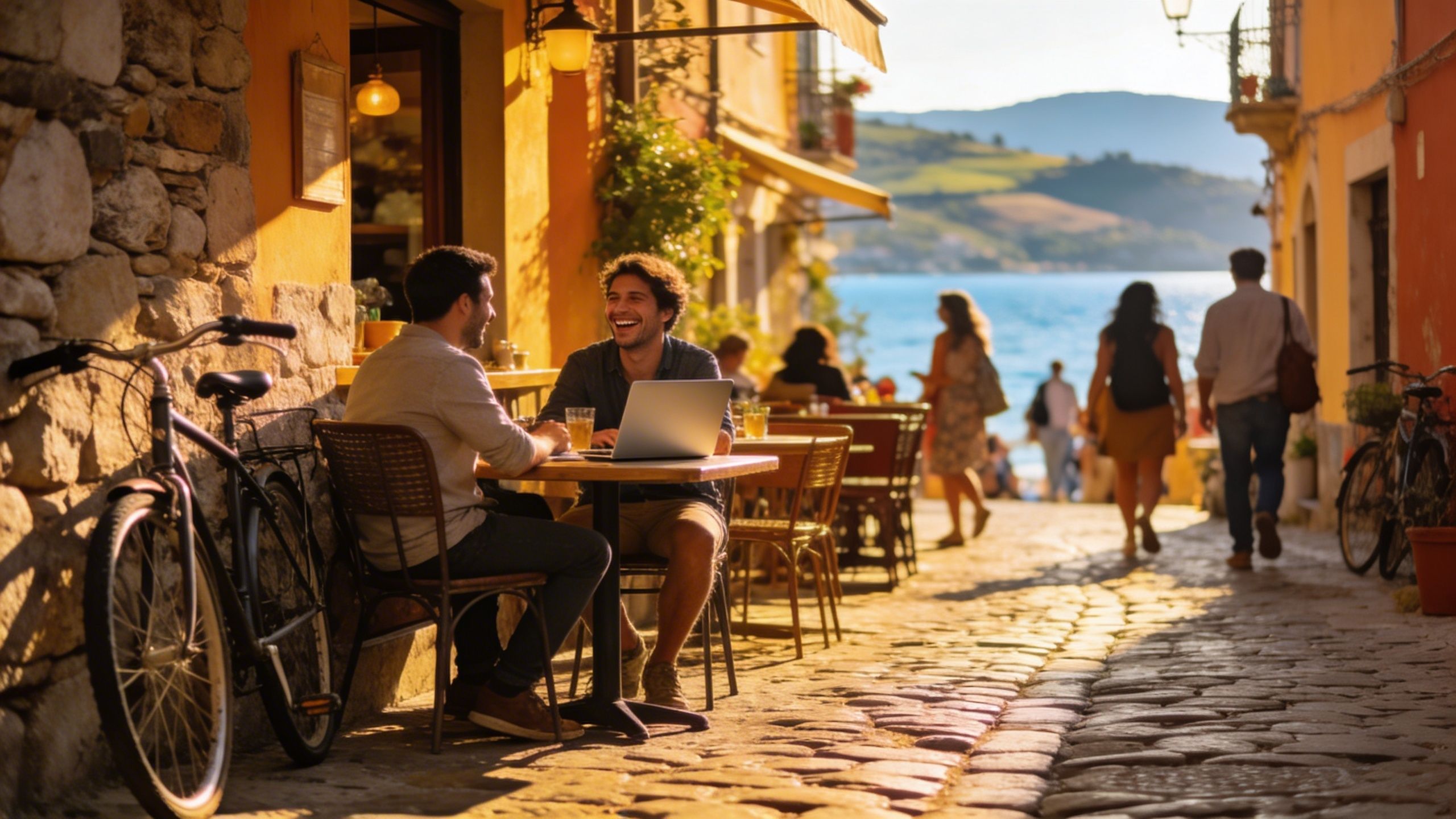
Imagine stepping out for espresso on a sun-warmed street in Lecce, then joining a coworking lunch in sleepy Puglia — all while your mortgage in Milan sits quietly in the back of your mind. Italy is a confetti-town of lifestyles: Alpine mornings, Adriatic beaches, hilltop olive groves and buzzy metropolitan neighborhoods. For international nomads the question isn't only “Can I afford Italy?” but “Which Italy fits my life?” This article compares the lived realities — vibes, safety, schools, commute — and the market facts that back them up. Start here if you want romance and realism in equal measure.
Living the Italy life — city buzz vs. slow-region charm
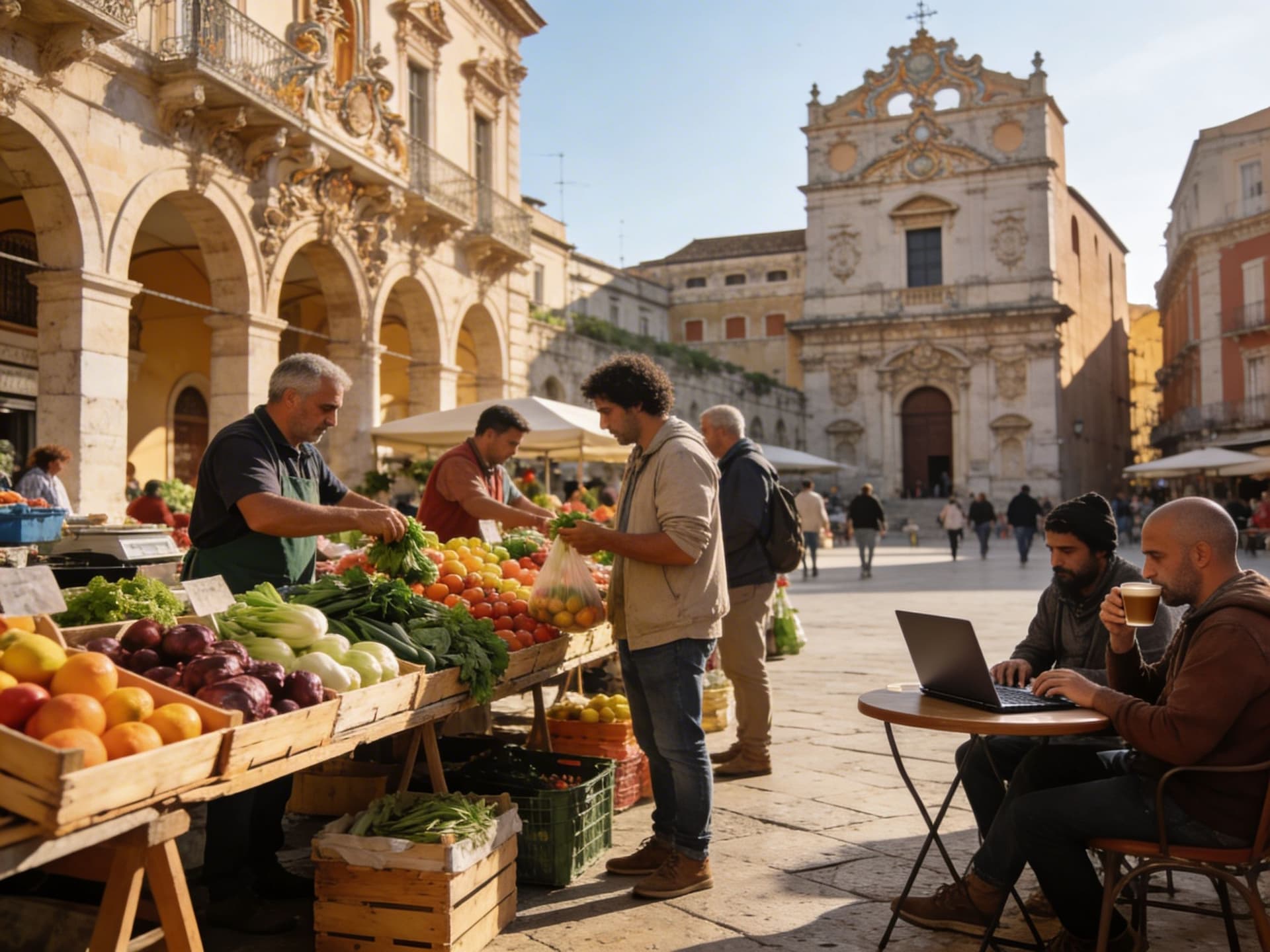
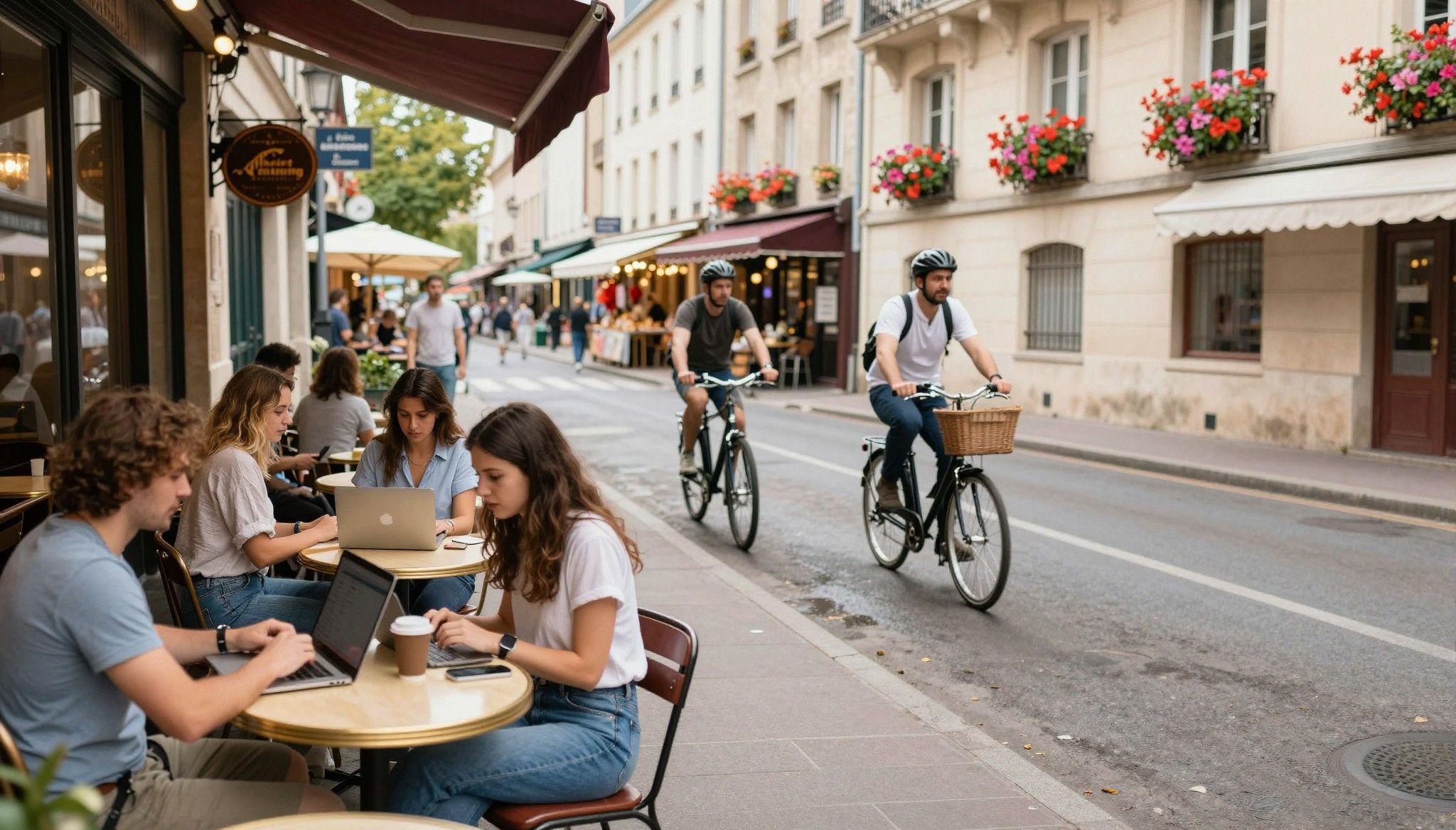
Italy feels like a living museum and a startup hub at the same time. Big cities (Milan, Rome, Florence) hum with coworking cafés, evening aperitivi and frequent cultural calendars, while regions like Puglia, Calabria and Sicily offer slower rhythms, large terraces and lower per-square-metre prices. Recent market reports show national prices rising modestly while regional spreads remain huge — meaning lifestyle choices drive value more than an across-the-board premium. Know that the everyday you want (markets, cafés, reliable fibre) changes which region is actually affordable.
Neighborhood spotlights: Milan’s Brera vs. Lecce’s historic centre
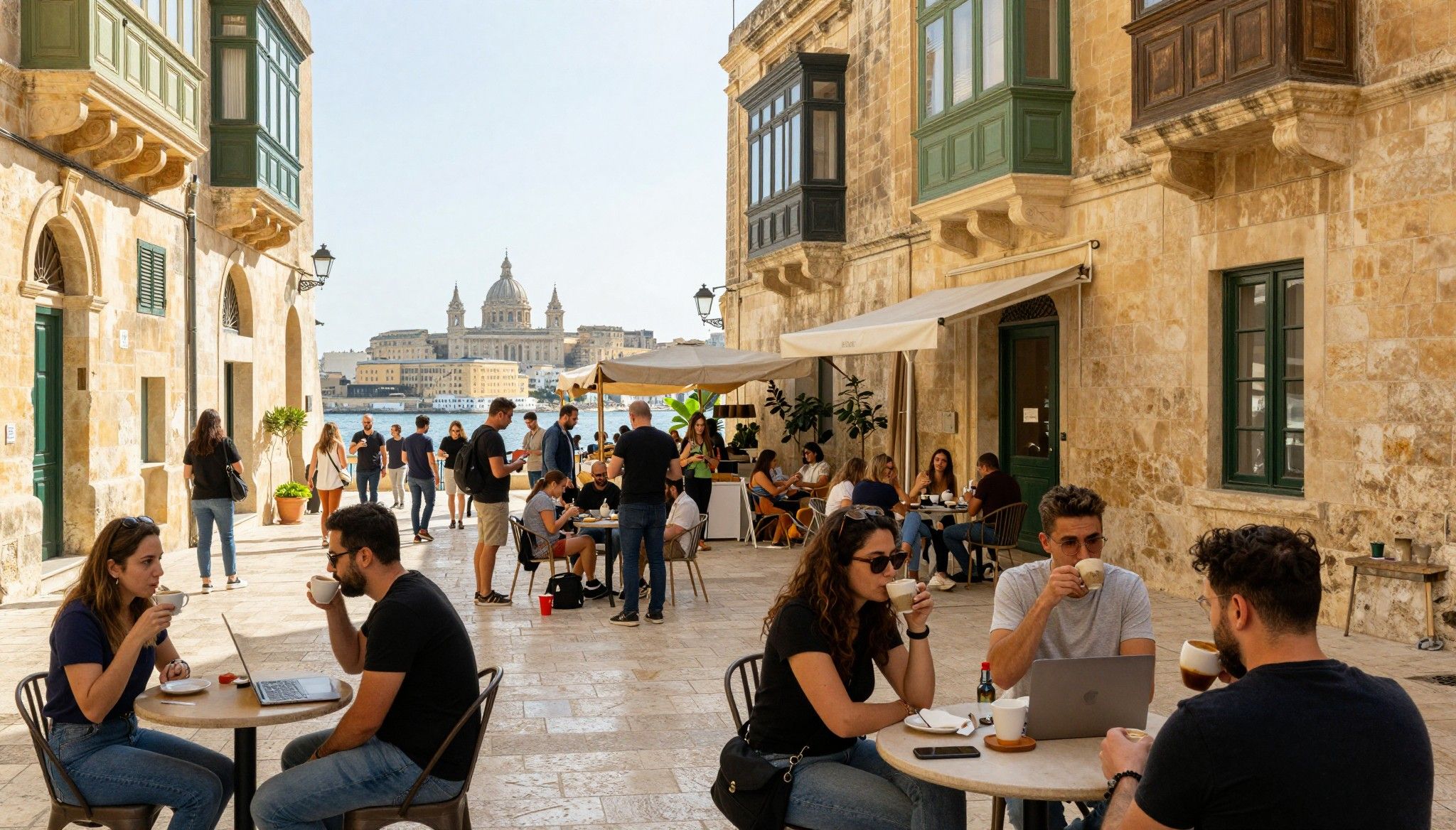
Brera in Milan is a daily cocktail of art galleries, boutique gyms and terrace lunches — perfect for nomads who want meetings by day and jazz by night. Lecce’s centro storico, however, gives you baroque streets, tiny artisan cafés and a walkable life where neighbourly relationships replace after-work networking. Both satisfy different nomad briefs: Brera for career visibility and fast internet, Lecce for space, renovation potential and a slower social scene. Your choice is a lifestyle trade-off that shows up in both rent and resale speed.
Food, markets and social life: how daily rituals shape choice
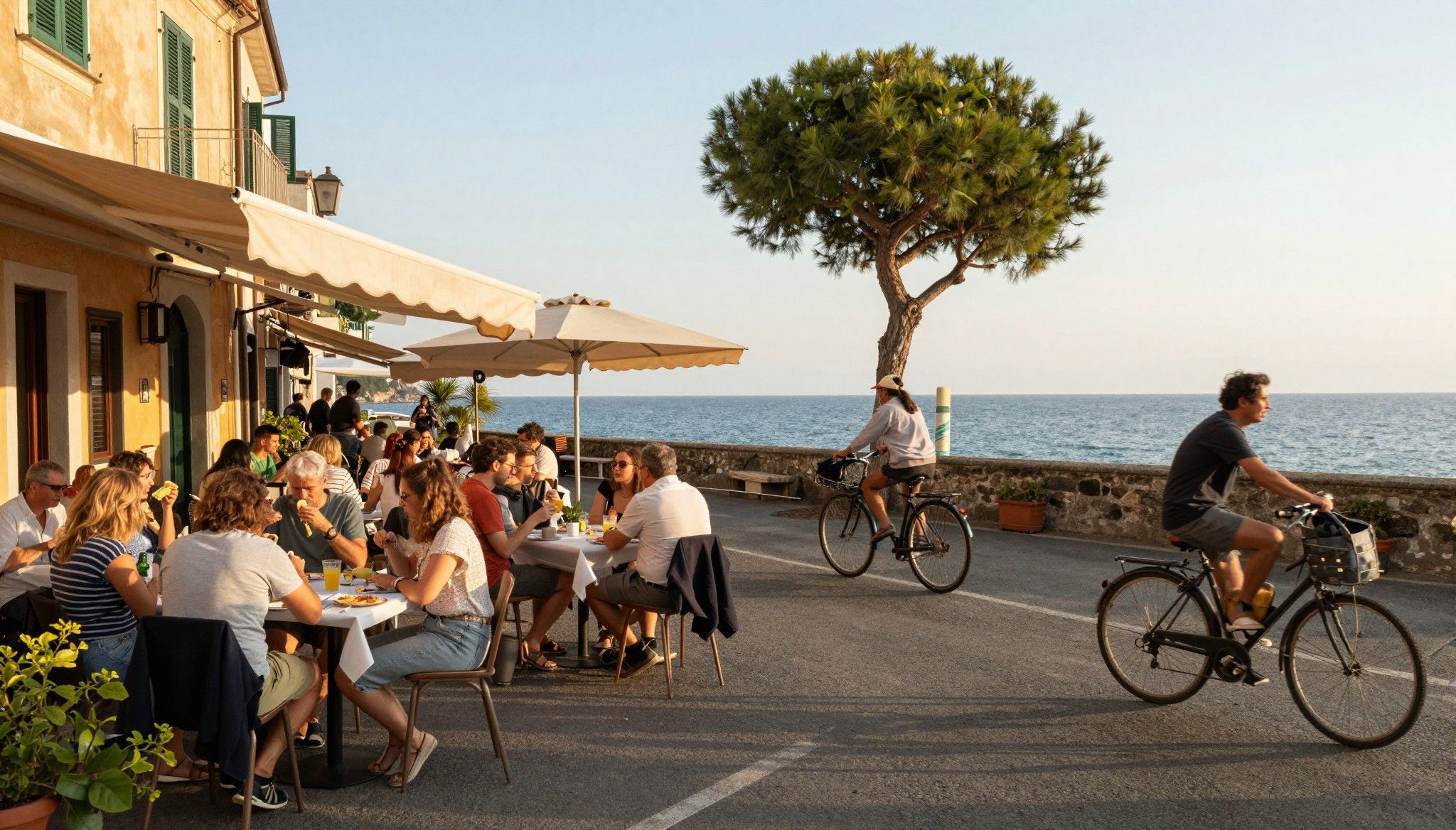
Italian daily life orbits food. Morning markets set routines, aperitivo brings neighborhoods together, and neighbourhood trattorie are community glue. In Tuscany and Puglia you’ll find weekly markets that become social anchors; in cities like Bologna and Naples gastronomic scenes drive footfall and rental demand. These rituals matter: if you crave market mornings and convivial evenings, pick a neighbourhood where those rituals exist — not just a pretty villa on a map.
- Lifestyle highlights to compare by neighbourhood: Mercato del Capo (Palermo), Navigli canals (Milan), Piazza Santo Stefano (Bologna), Porto Vecchio (Bari), Parco Sempione strolls (Milan).
Making the move: property types, process and practical tradeoffs
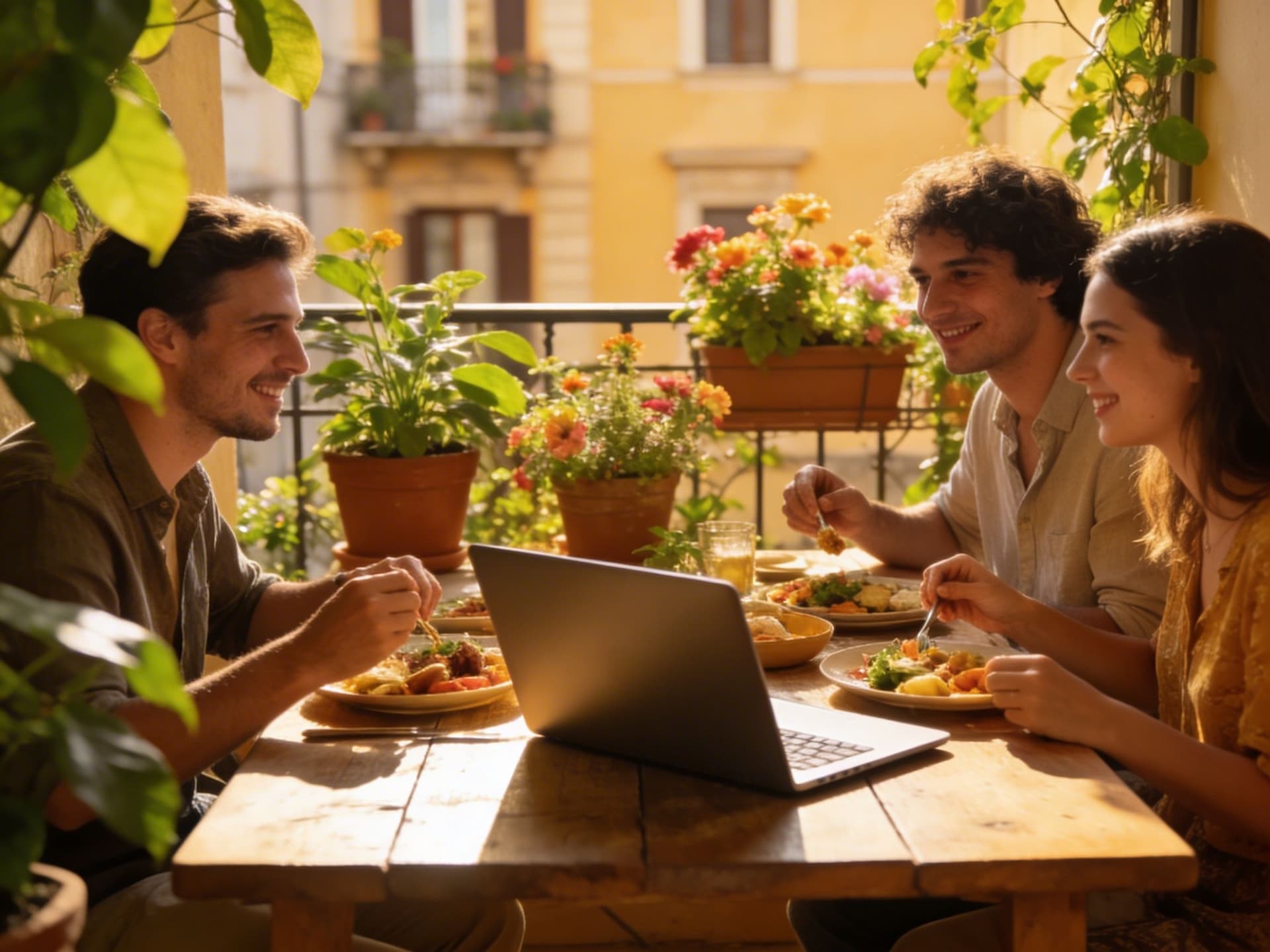
Talk dreamy lifestyle first, then get procedural. Italian purchases are famously paperwork-heavy but also formulaic: preliminary agreement (compromesso), notary‑led deed (rogito) and taxes that depend on whether you’re a resident and whether the property is new or existing. First-home rules can shrink your registration tax dramatically, while buying a second home or a tourist rental will usually cost more at closing. Good local advisors translate lifestyle needs into the right contract clauses — from fibre-ready guarantees to terrace rights.
Property styles and what they mean for living/work balance
A compact centro storico apartment gives unbeatable walkability and cultural texture but often means stairs, thin walls and small rooms — less ideal for 9–5 Zoom days unless you prioritise a quiet co‑working spot. A renovated trullo or masseria in Puglia offers outdoor space and lower price-per-metre, but plan for heating, insulation upgrades and occasional slower internet. New-builds or fully renovated urban apartments typically command a premium for insulation, fast fibre and plug-and-play workspaces.
Work with agencies that sell the life, not just the listing
- 1) Ask agents for verified internet speeds and nearest coworking options. 2) Request neighbourhood day-in-the-life walk-through videos. 3) Insist on energy class (A, B, C) and recent renovation receipts. 4) Negotiate a clause for fixing pre-existing issues discovered after move-in. 5) Check local rental licensing if you plan short-term lets.
Insider knowledge: expat realities, red flags and seasonal timing
Expats often learn the same lessons: pick neighbourhood social routines over glossy listing photos, check winter sunlight in your prospective apartment, and never assume every historic façade means high resale value. Red flags include missing energy certificates, ambiguous terrace ownership, and units that require excessive seismic or heritage approvals. Market timing matters: tourist towns spike in summer activity (and prices) while off‑season viewings reveal true community life and cheaper bargains.
Cultural integration, language and school/safety realities
Learning even basic Italian changes your life: neighbors open up, bureaucratic steps smooth out and your sense of belonging accelerates. Public schools vary by region but international schools cluster in major cities (Milan, Rome, Florence), so families often choose suburbs near international curricula. Italy is generally safe, though petty theft can be a nuisance in crowded tourist hubs; use local forums and expat groups to get hyperlocal safety checks before you commit.
Longer-term lifestyle tradeoffs to consider
If you want roots, pick a community with year-round life — markets, schools and health services — not just summer-season charm. If portability and rental income are priorities, urban apartments near universities and transit deliver steadier yields. Renovation projects offer value and character but come with timelines and neighbourhood permits. In short: match property type to the life you want in three years, not the Instagram moment you’ll get next summer.
- Quick red flags agents and buyers should watch: missing A‑class energy certificate, unclear terrace/patio ownership, no documented seismic upgrades where required, absence of recent cadastral updates, seller-occupied properties with informal tenancy.
Italy rewards the curious buyer: live on a street for a week, learn the market rhythms, taste the morning coffee at different bars, and you'll quickly know which neighbourhood feels like home. Pair that curiosity with a lawyer and a local agent who understand both your work-life needs and the local quirks. When you buy with lifestyle first and data second — verified speeds, energy classes, and realistic renovation quotes — you end up with a home that pays you back in time, connection and daily joy. Ready to turn 'maybe' into 'arrived'?
Norwegian who has helped 200+ families relocate from Oslo to Spain; expert in relocation services and community integration.