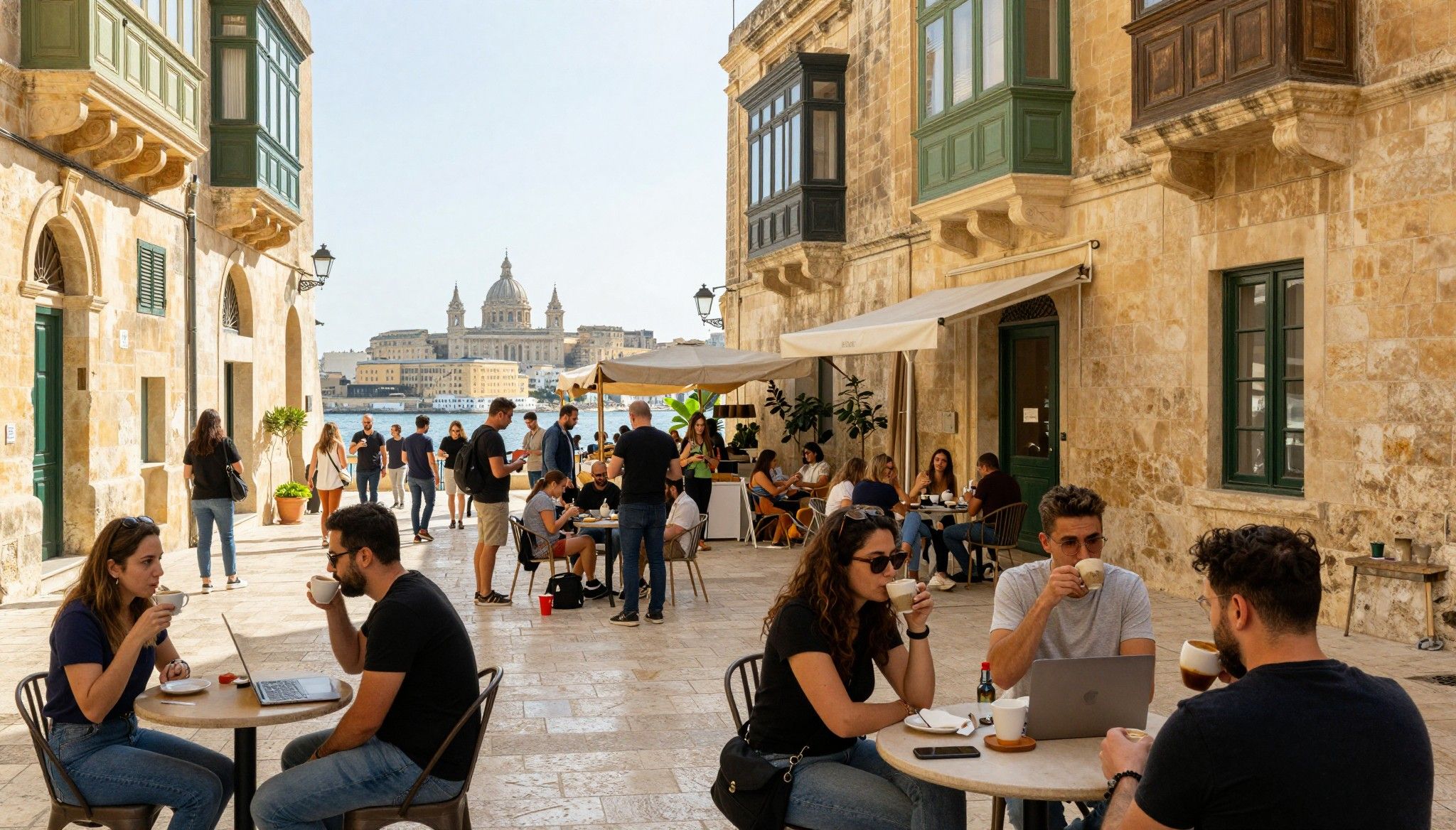
Malta Neighbourhood Vibes: Lifestyle Wins & Market Trade-offs
Malta’s charm hides practical trade-offs: choose neighbourhoods by weekly rhythm — Valletta for history, Sliema for coworking — and back decisions with local market reports.

Imagine waking to limestone streets warmed by morning sun, espresso on a narrow balcony, and a 20-minute walk that ends at a rocky swim spot. That’s Malta — compact, loud with church bells, and quietly efficient for remote work. But falling in love with the island is only half the story; buying here requires local nuance. This piece blends the sensory — cafes, festas, hidden bays — with evidence-backed notes to help nomads choose a neighbourhood they’ll actually live in.
Living the Malta life — daily rhythms and neighbourhood vibes
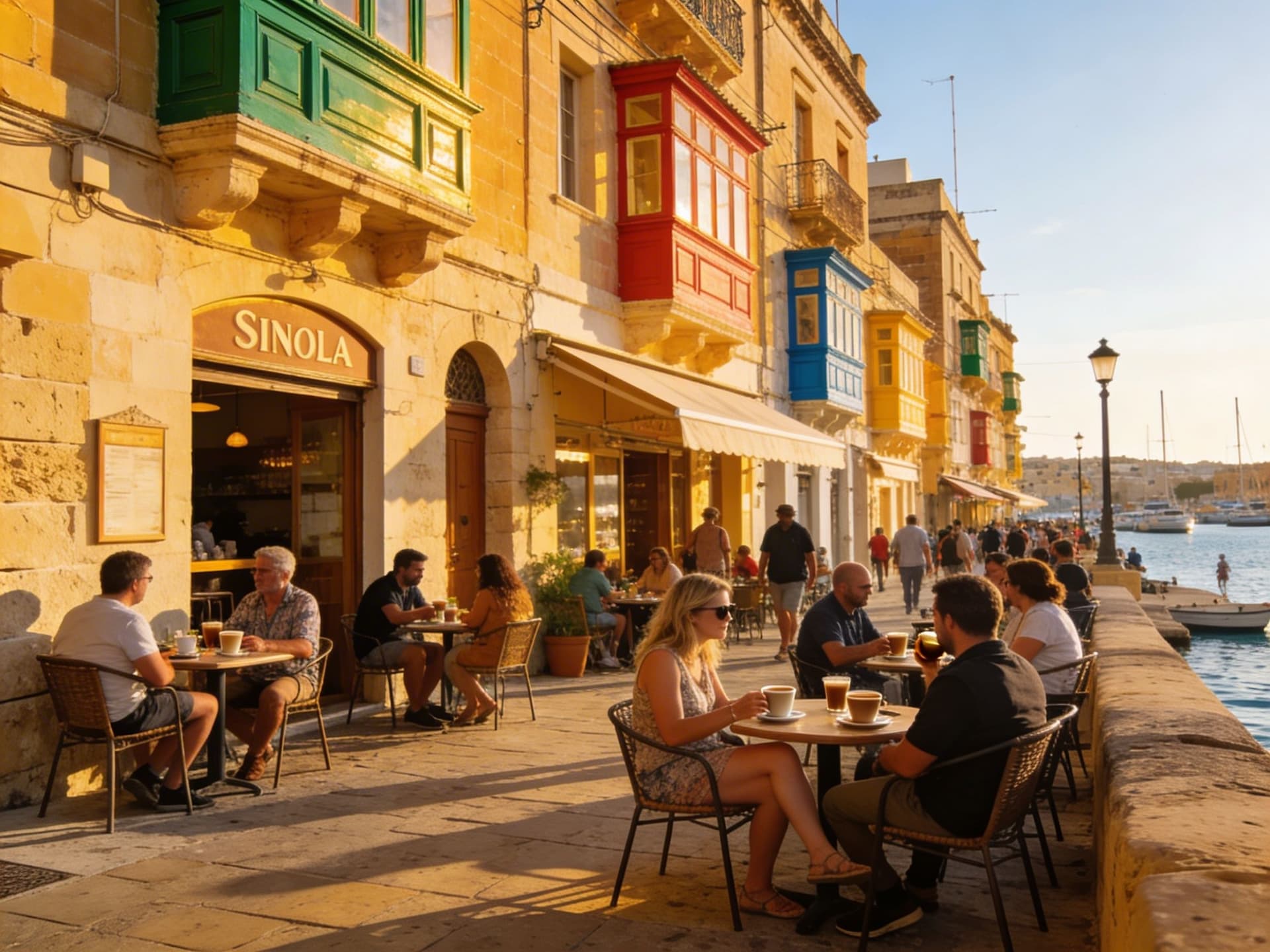
Malta is an island of contrasts: Valletta’s baroque streets and silent museums sit beside buzzy waterfront promenades in Sliema and the nightlife of St. Julian’s. Days unfold around food — pastizzi at a corner bakery, late lunches of lampuki when in season, and aperitifs as the sun slides behind limestone roofs. For a nomad, the appeal is practical too: English widely spoken, short commutes and good fibre coverage in main hubs. Recent national statistics and industry reports show steady demand in residential areas, so neighbourhood choice matters more than ever.
Valletta & the Three Cities: history as your neighbour
Valletta gives you history on every corner — ornate balconies, museums and an after-dark hush that still hums with good restaurants. Living here feels like being inside a living postcard: short walks to theatres and cafes, but apartments are often smaller and more ‘characterful’ than modern builds. If you crave museum mornings and dramatic harbour views, accept tighter interiors and higher prices. For heritage lovers, hiring an agent familiar with UCA (Urban Conservation Areas) rules is essential; restoration rules can limit what you can change inside a townhouse.
Sliema & St. Julian’s: sea promenades and coworking energy
Want cafes with plugs, fibre-fast flats, and a vibrant expat crowd? Sliema and St. Julian’s deliver. Promenades invite evening walks, coworking spaces and cafés host remote meetups, and rental demand keeps returns relatively stable. But busy streets and tourist-season crowds mean lively doesn’t always equal peaceful — if you need quiet for deep work, look one street inland or on upper-floor apartments with courtyard views.
- Lifestyle highlights to scout when you visit (actual places to try): - Coffee and cowork: Caffe Berry or Mint in Sliema for reliable Wi‑Fi and people-watching. - Swim spot: St. Peter’s Pool for a dramatic afternoon dip off limestone cliffs. - Market morning: Marsaxlokk Sunday fish market for the freshest lampuki and a slower pace. - Evening scene: Paceville and Spinola Bay for bars and seaside dining. - Quiet streets: Mdina’s silent lanes for weekend escapes and heritage walks. - Community: Expat meetups often cluster around coworking spaces in Gzira and Sliema.
Making the move: practical property choices that match how you live
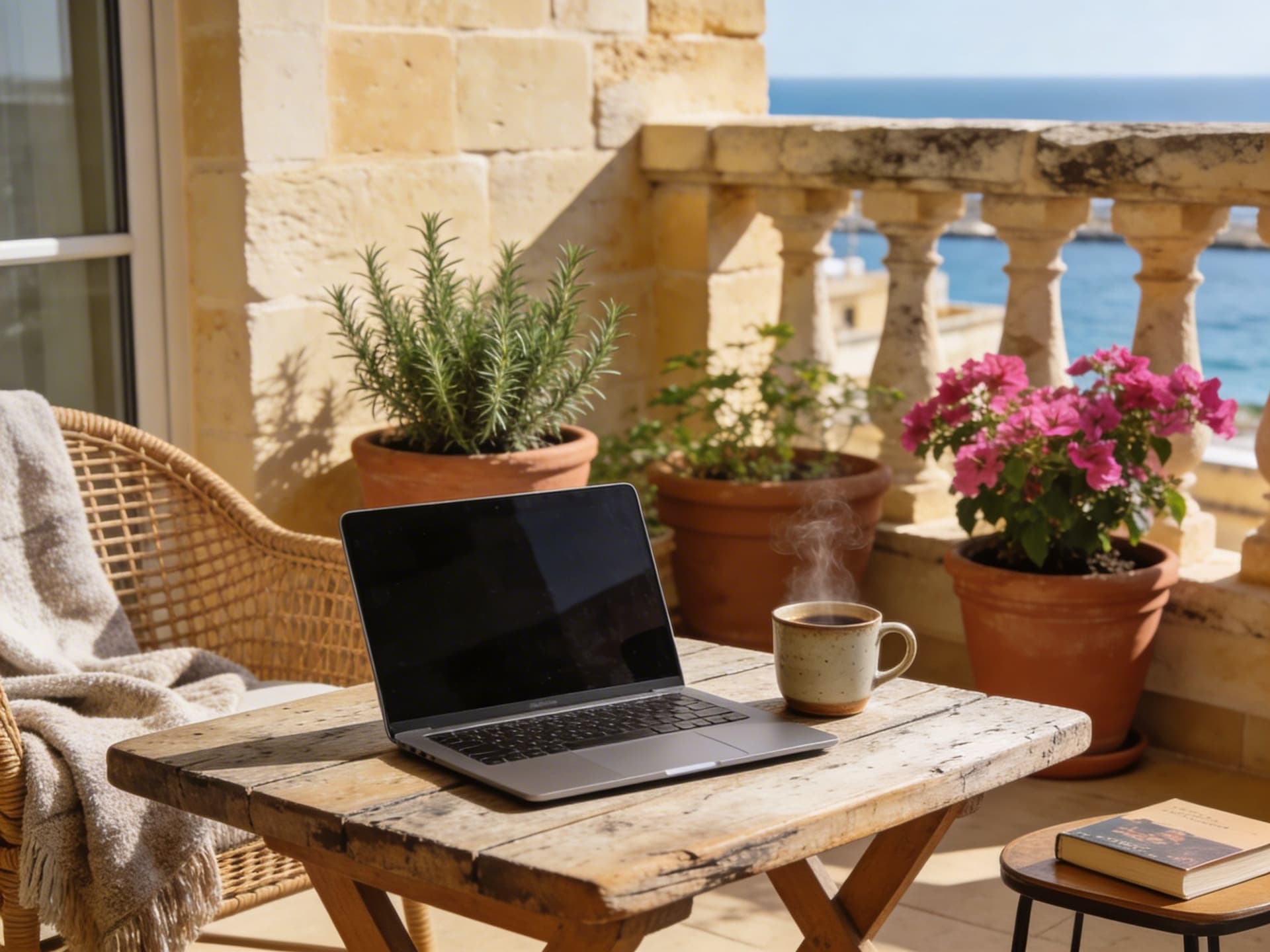
Dreams aside, Malta’s market is active and inventory is regionally varied. PwC and local brokers report steady transaction volumes and rising advertised prices in key areas, so timing and neighbourhood trade-offs affect value. Choose property based on how you’ll actually live: workspace, outdoor access, and summer comfort (air‑con and terraces matter). Use local market reports to set realistic budgets and expect demand to be stronger in waterfront and lifestyle developments.
Property types and what they mean for remote life
Modern apartments in new developments give reliable fibre, balconies and amenities like gyms — ideal if you work from home and like building services. Traditional townhouses and maisonettes offer charm and larger indoor-outdoor terraces but can need restoration and have historic-conservation constraints. On Gozo, expect quieter life, larger spaces and slower pace — perfect for focus weeks but less nightlife and fewer coworking options. Match the property type to your weekly rhythm: noise tolerance, outdoor needs, and social life.
- How local experts help (short checklist when choosing an agent): 1. Verify a broker’s track record with sales in your target neighbourhood and ask for recent comparable sales. 2. Confirm their experience with renovation permissions in UCAs and with energy-efficiency retrofits. 3. Ask how they handle short-term rental registration if you plan Airbnb income — rules change frequently. 4. Request references from past international clients and a clear breakdown of fees and timelines. 5. Insist on site visits at different times of day to assess noise, traffic and sunlight.
Insider knowledge — things expats wish they’d known before buying
Here’s the real-talk: language isn’t the barrier, bureaucracy is. Many expats underestimate permit timelines for renovations and the strictness of conservation rules. Electricity bills and summer cooling need factoring into lived costs, and advertised rental yields (often around mid‑3% to 4% in prime areas) don’t tell the whole story once management and seasonality are included. Use local sources and recent market reports to avoid surprise costs and set realistic income expectations.
Cultural integration and everyday social life
Malta’s community mixes Mediterranean warmth with a multinational expat scene. Church festas, neighbourhood bars, and community markets create quick social anchors — show up and you’ll be invited to supper before long. If you’re staying longer, check residency and tax implications: Malta’s Nomad Residence Permit offers specific rules and tax treatments that can affect where you decide to register and how you budget. Learning basic Maltese greetings helps more than you’d expect at local cafés and markets.
Long-term lifestyle and investment outlook
Market reports indicate resilient demand and moderate price growth across 2024–2025, with building permits slowing in some quarters. That makes patience a virtue: buying for lifestyle often beats trying to time small price shifts. Prioritise a neighbourhood that fits your daily life and plan any renovations with local architects who understand conservation rules. And remember — lifestyle wins (walkability, coffee, coworking) pay back in daily happiness more than marginal capital gains.
- Quick checklist before making an offer: - Visit the area at morning, midday and night to test noise and light. - Confirm fibre availability and typical download speeds with the vendor or ISP. - Ask about UCA or planning restrictions for desired renovations. - Get local comps from recent deeds, not just advertised prices. - Factor in summer cooling and energy-efficiency upgrades into your budget.
Malta is a tiny island with enormous personality. If you pick a neighbourhood that matches your weekly rhythm — social evenings, sea swims, or quiet workweeks — you’ll find the island rewards choice with ease: short trips, good English, a packed cultural calendar and communities that welcome newcomers. Start with a handful of viewings in different districts, bring a local agent who listens to lifestyle needs, and treat inspections and planning checks as part of falling in love responsibly. Ready to live in limestone and sea-salt air? Book those first viewings and test a week’s routine before you sign.
British expat who moved from Manchester to Mallorca in 2017. Specializes in market analysis and helping fellow Brit navigate local regulations.