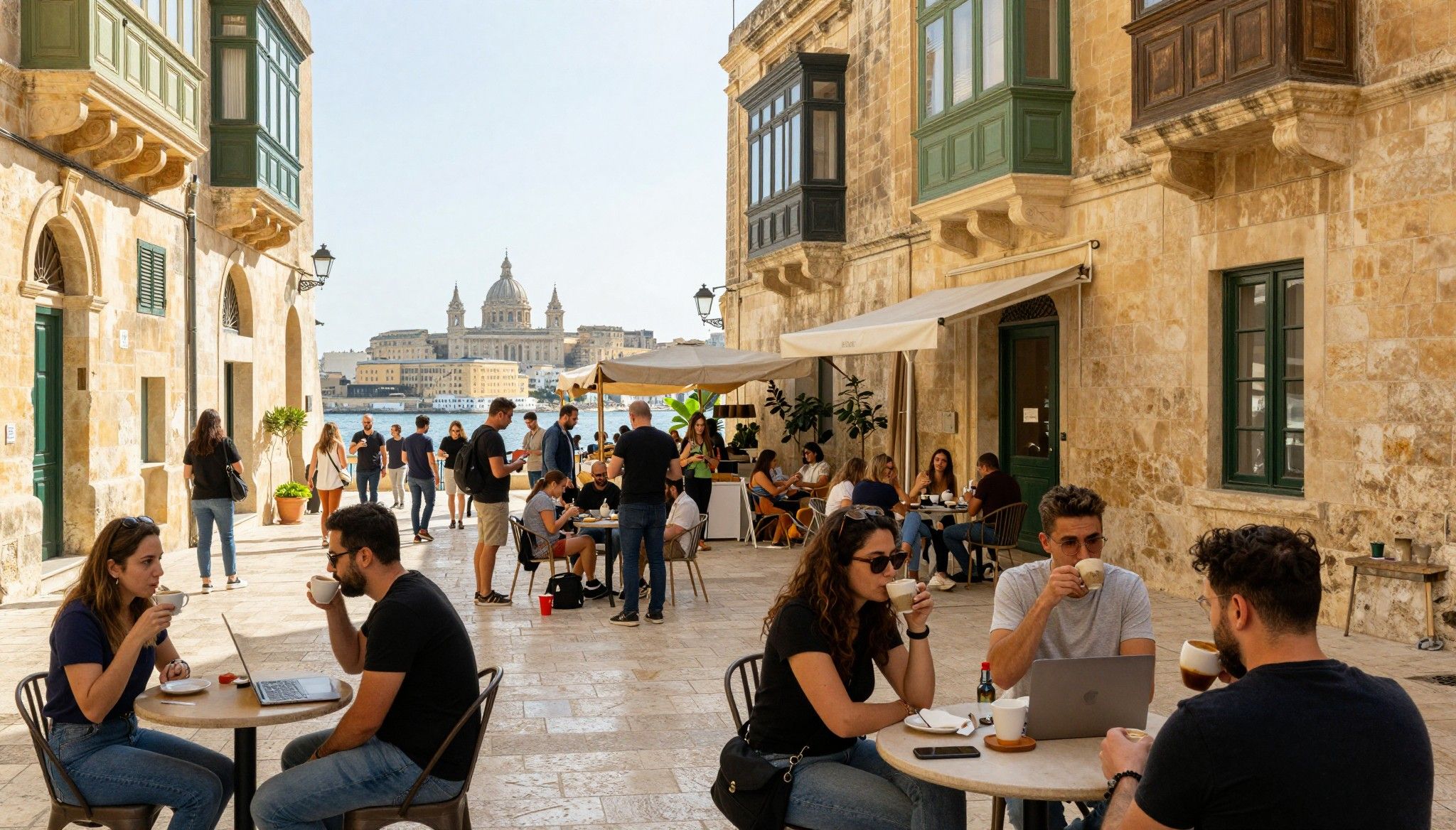
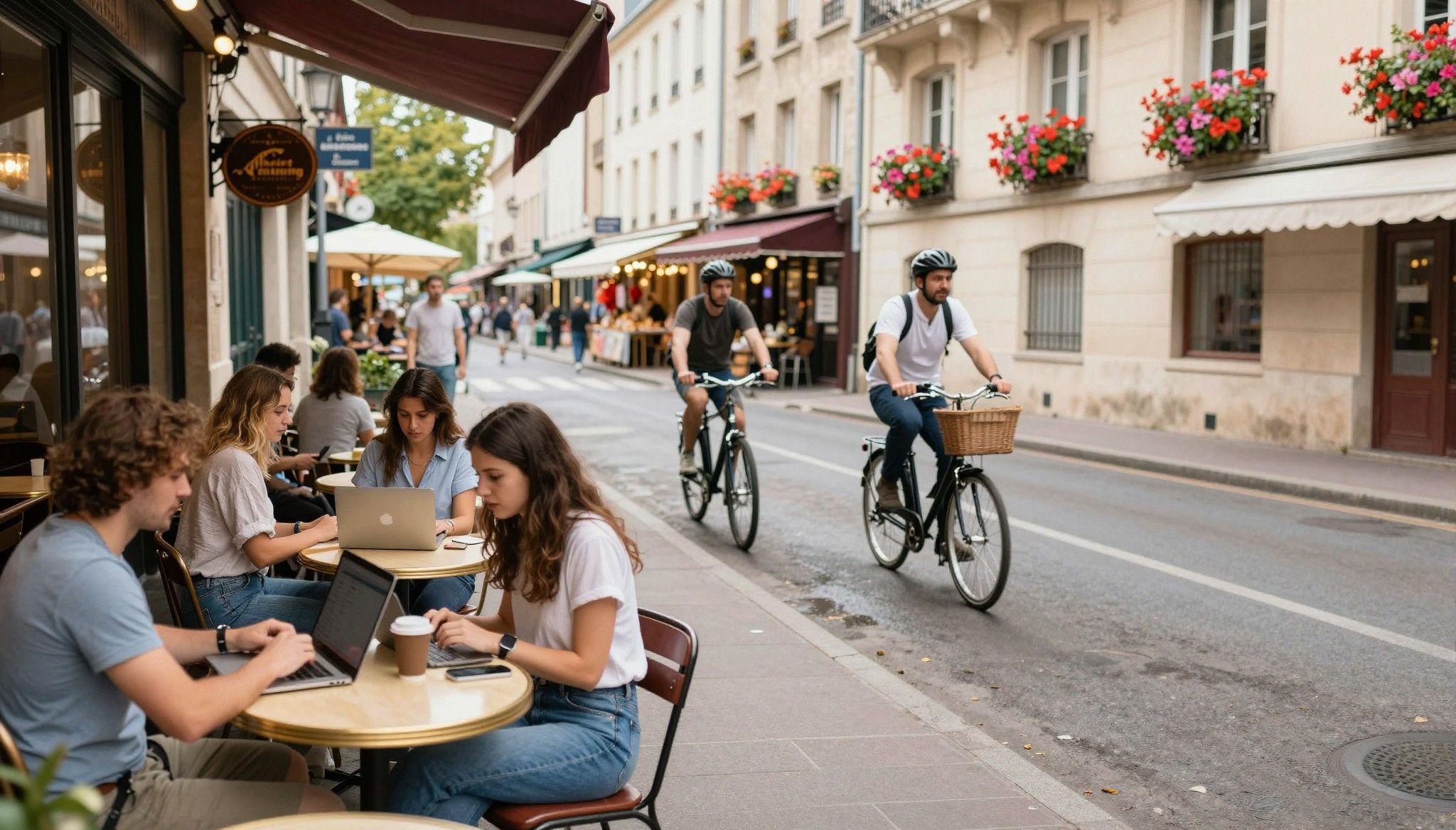
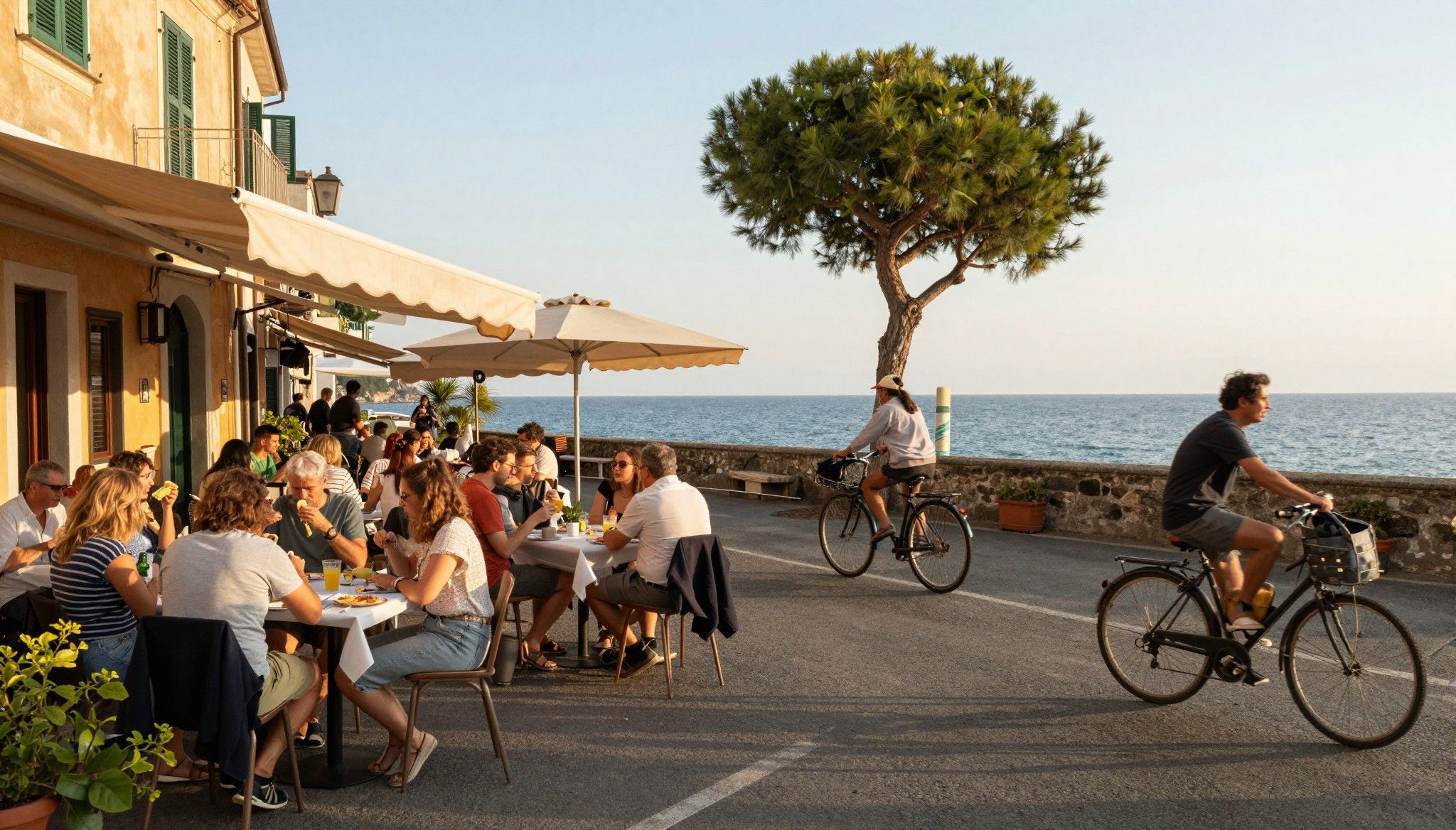
Street Life, Terraces & Real Buying Truths — Greece
Fall for Greece’s everyday life — plazas, terraces and tavernas — while using data-backed tips on neighbourhood timing, Golden Visa changes and practical red flags.
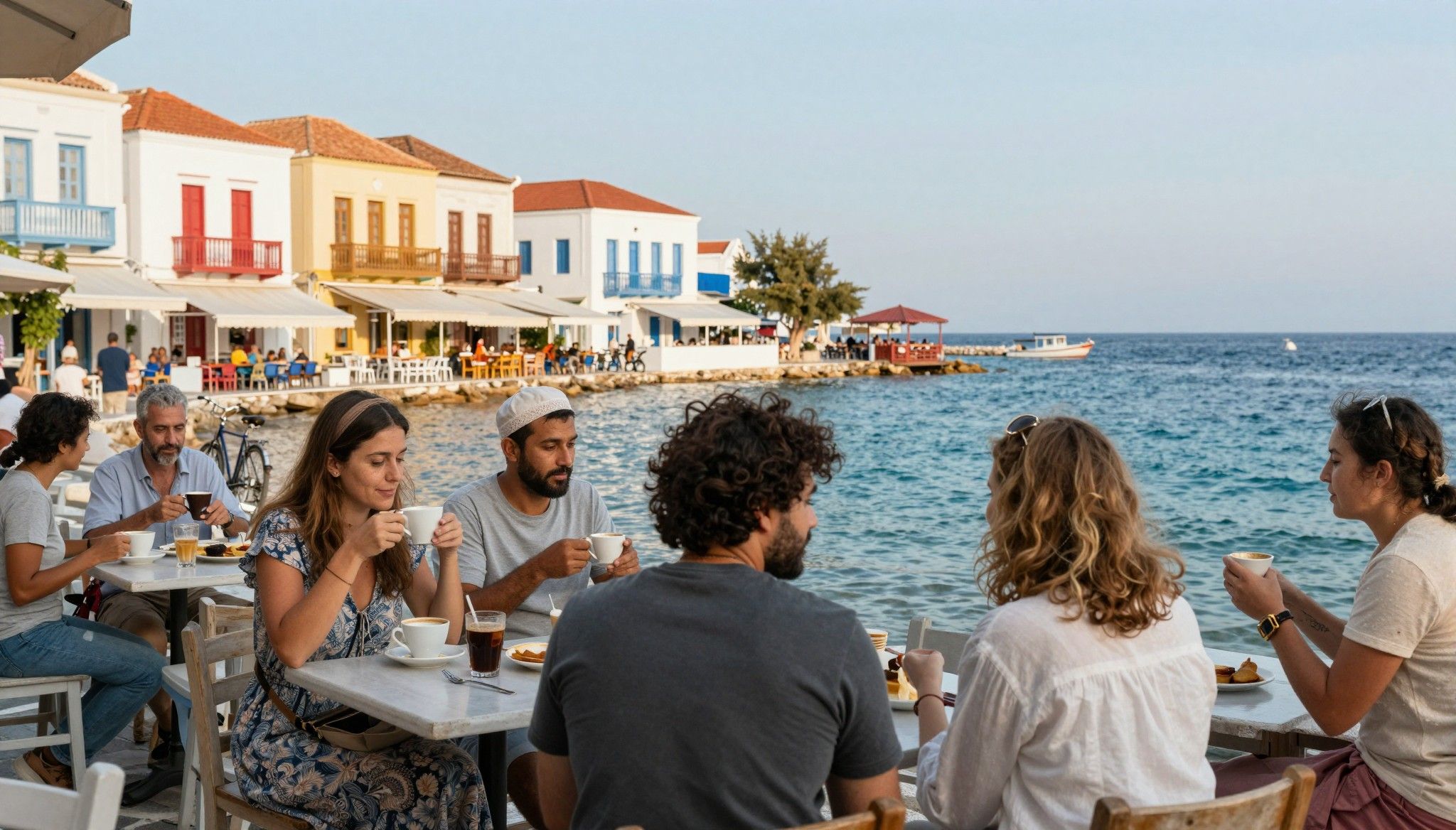
Imagine stepping out of a sun-warmed apartment on Athens’ Dionysiou Areopagitou, espresso in hand, then choosing between a quick coworking session in Psyrri and an evening walk to the Acropolis. That is Greece: mornings of market fruit and flaky tiropita, afternoons on a wind-swept terrace, and nights that hum with tavernas and live bouzouki. For international nomads and remote workers, Greece blends island calm and city energy in a way few places can. But the dreamy lifestyle has trade-offs for buyers — price pockets, shifting residency rules and region-specific realities that change how you shop for a home.
Living the Greek Life — from Plaka alleys to island terraces
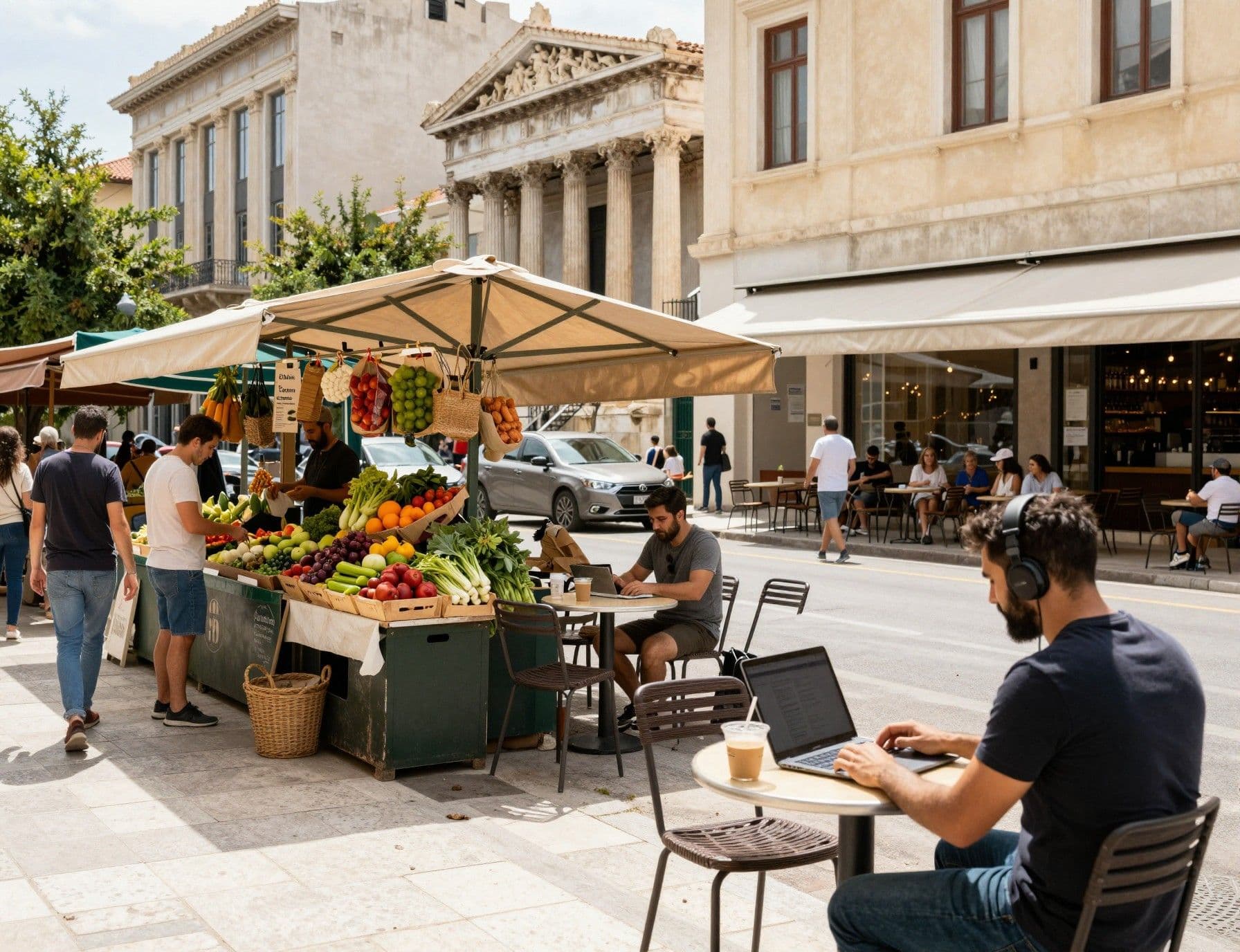
Greece moves at two paces: a slow, Mediterranean heartbeat in villages and islands, and a brisk, modern rhythm in Athens and Thessaloniki. Walkable neighborhoods, friendly shopkeepers who remember your order, and outdoor dining year-round in many regions create a life that’s easy to fall for. At the same time, city coworking spaces, decent fibre in serviceable areas and growing digital communities mean you don’t have to sacrifice productivity. If lifestyle is the lens, think neighborhood first — each pocket of Greece offers a distinct daily rhythm and a different kind of home life.
Athens: urban culture, late nights and short commutes
In Athens, neighborhoods like Koukaki, Exarchia and Pangrati combine apartment living with cafés that spill onto sidewalks. Koukaki gives you vintage bookstores and quick tram access to the Acropolis; Pangrati is where chefs open late and morning markets hum. For remote work, pockets near Syntagma and Mets offer fast internet options and short rides to coworking hubs. Expect smaller terraces, classic neoclassical facades, and a lively social scene that keeps cultural life within walking distance.
Islands & seaside towns: outdoor life, seasonal swings
From the Cyclades to Crete, island towns like Chania, Naxos Chora and Parikia offer the terrace-and-sea lifestyle most people picture. Summers are busy, golden and loud with tourists; off-season life slows to a more local, authentic rhythm. If you prize outdoor space and light, look for properties with terraces, roof access or direct beach access — but know that utilities, transport and year-round services vary widely by island. Many nomads split time between islands and cities to balance community and convenience.
- Lifestyle highlights: neighbourhood cafes, hidden beaches, and live music
- Mornings at Varvakios Market in Athens for fresh produce and coffee
- Sunset cocktails on Mykonos’ quieter west beaches, away from the busiest strips
- Weekends hiking in Mount Parnassus followed by village tavernas serving grilled fish
Making the move: how lifestyle shapes what you buy
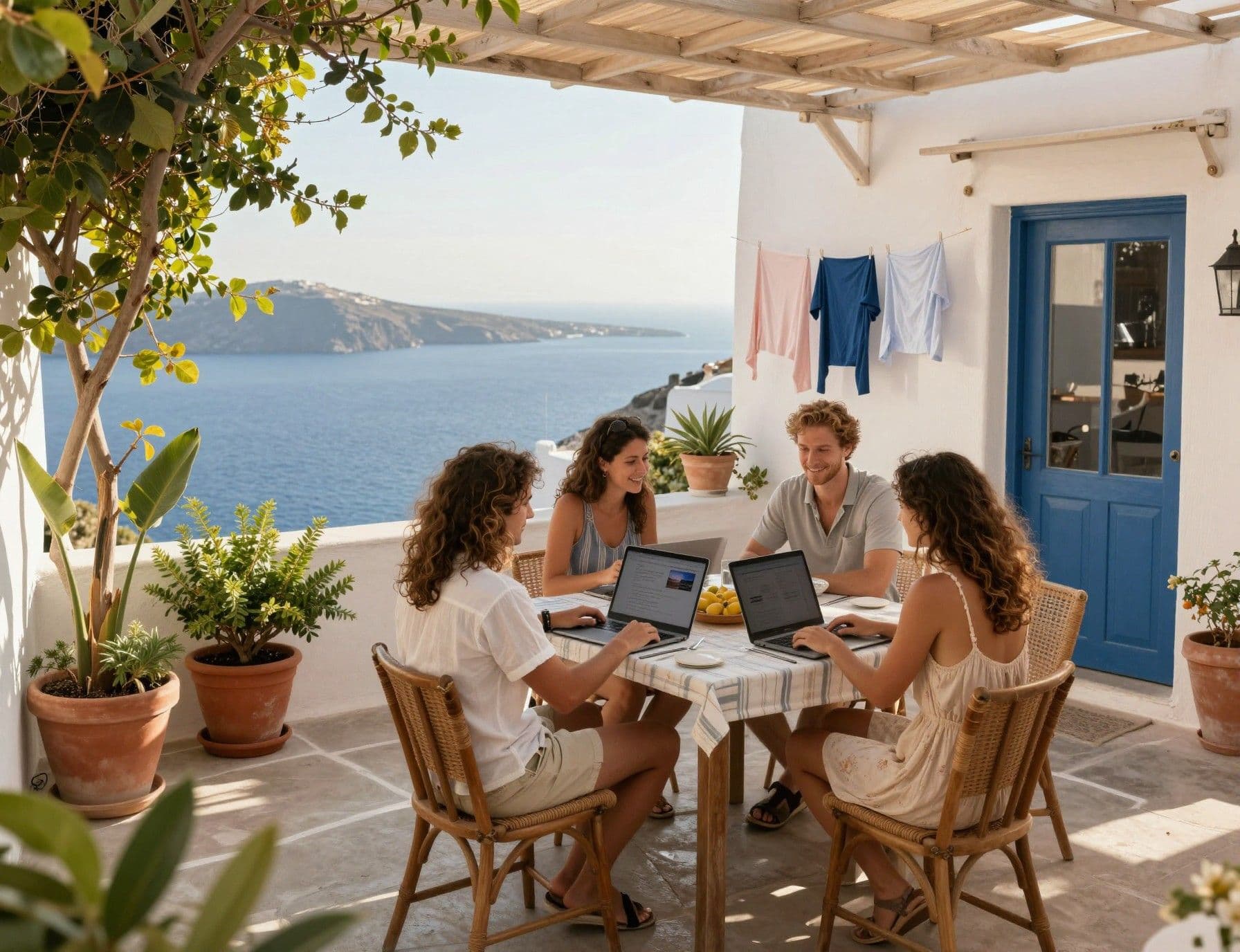
Your dream terrace matters — but so does seasonality, transport and rules about short lets. Recent official house price indices show steady increases in many urban and island hotspots, so location timing and exact neighborhood choice materially affect value. Practical checks — connectivity, heating/cooling, building condition and walkability — translate directly to the lifestyle you’ll actually have. Before you sign, test the rhythm: spend a week working from local cafés, check evening noise levels and confirm internet speeds at different times of day.
Property styles: what suits nomad life
Modern apartments in Athens often have small terraces and fast fibre; island houses prize outdoor space, light and sea views but may need upgrades for insulation and reliable internet. Restored neoclassical flats deliver charm and high ceilings — great for creatives — while new builds provide low-maintenance living and modern utilities. Think about workspace: a bright corner for video calls, a dining-table desk that doubles as an office, and quiet windows. Match the property’s physical features to your daily routines — cooking, meetings, socializing and downtime.
Work with people who get both life and law
Local agents, lawyers and architects are more than transaction partners — they’re your translators of lifestyle into legal reality. Good agencies know which neighborhoods deliver the coffee shops that stay open for remote workers and which municipal offices move fast with permits. With recent changes to residency thresholds and zoning interpretations, an adviser who understands Greece’s new Law 5100/2024 guidance can save weeks and avoid costly surprises. Think of your agency as your neighbourhood scout: they’ll point to the street where the market still feels local and the building that won’t leak in winter.
- How to prioritize lifestyle and pragmatics when making an offer
- Test-drive life: spend at least one week in your target neighborhood working regular hours to check noise, internet and daily routines.
- Ask your agent for recent utility bills, internet provider options and a list of neighbours' common issues (damp, floods, roadworks).
- Prioritise outdoor space if you value alfresco living — terrace size often beats an extra internal room for quality of life.
Insider knowledge: what expats wish they'd known
Expats commonly report three surprises: seasonality’s effect on services, regional differences in bureaucracy speed, and how austerity-era renovations hide plumbing issues. Many buyers remotely fall for a glorious sunset photo and only later discover winter winds and cold-water radiators. Another common lesson: local social life forms fast around small routines — a favourite baker or barista can anchor you in a community quicker than any expat meetup. Use those early months to collect small rituals that make the place feel like home.
Language, customs and building culture
Greek friendliness is real but follows patterns: small talk opens doors, and being patient with municipal offices gets you further than forceful emails. Learning basic Greek phrases will transform market interactions and landlord conversations. For renovations, expect older buildings to use masonry techniques and materials that differ from northern Europe; hire a local architect who knows how to marry modern comforts with traditional structures. Respecting local rhythms — shop closures on Sunday afternoons in some towns, late-night dining culture — helps you fit in quickly.
Long-term living: community, costs and sustainability
Think beyond the buy: community stability, municipal maintenance of roads and beaches, and seasonal rental pressure all shape life after you move. Prices have risen in hotspots, so areas a 30–60 minute ferry or drive away often deliver the same beauty at better value and a steadier community feel. Sustainable choices — good insulation, solar panels and water-efficient systems — pay off here because climate and energy costs shape daily comfort. Plan for medium-term upgrades that increase both liveability and resale value.
- Red flags local buyers point out:
- Complex ownership chains on older buildings; insist on a clear title and a recent notarial check.
- No reliable winter heating — test radiators and insulation during the cold months before committing.
- Promises about short‑let income — local rules and demand vary by island and municipality.
If you’re feeling the pull, here’s a simple next step: book a two-week stay, pick one city neighbourhood and one island, and work from both. Treat them as trial runs and document the small things — morning shops, commute times, signal strength at 10am and 10pm. Then call an agent who specialises in expat transactions and can show properties that match the daily life you tested. Done right, buying in Greece is less about snagging a bargain and more about buying into a rhythm you love.
Conclusion: Greece isn’t a single lifestyle — it’s a collection of neighbourhood promises. Match your daily needs to the street-level reality and work with local experts who know both the markets and the tavernas. When you marry the sensory with the practical, Greece becomes not just a destination but a home you chose intentionally.
Swedish, relocated to Marbella in 2018 to chase sun and property freedom. Focus on legal navigation and tax for Nordic buyers.