Malta: Nomad Life, Market Truths & Neighbourhood Trade‑offs
Malta’s compact charm hides practical trade‑offs: combine a Nomad Residence Permit with neighbourhood-savvy agents to secure beachside mornings, rooftop dinners and smart property buys.

Imagine walking down Republic Street at golden hour, espresso in hand, then ducking into a narrow Valletta courtyard where neighbours trade recipes and remote teams meet over slow Wi‑fi and faster conversation. That mix — history-sized architecture, Mediterranean light, and compact neighbourhood energy — is Malta: small enough to feel intimate, big enough to always discover something new. This piece pairs those lived-in moments with practical reality: how Malta’s visa options, market trends and local experts help (or complicate) the life you actually want to build here.
Living Malta: daily rhythms, neighbourhood personalities
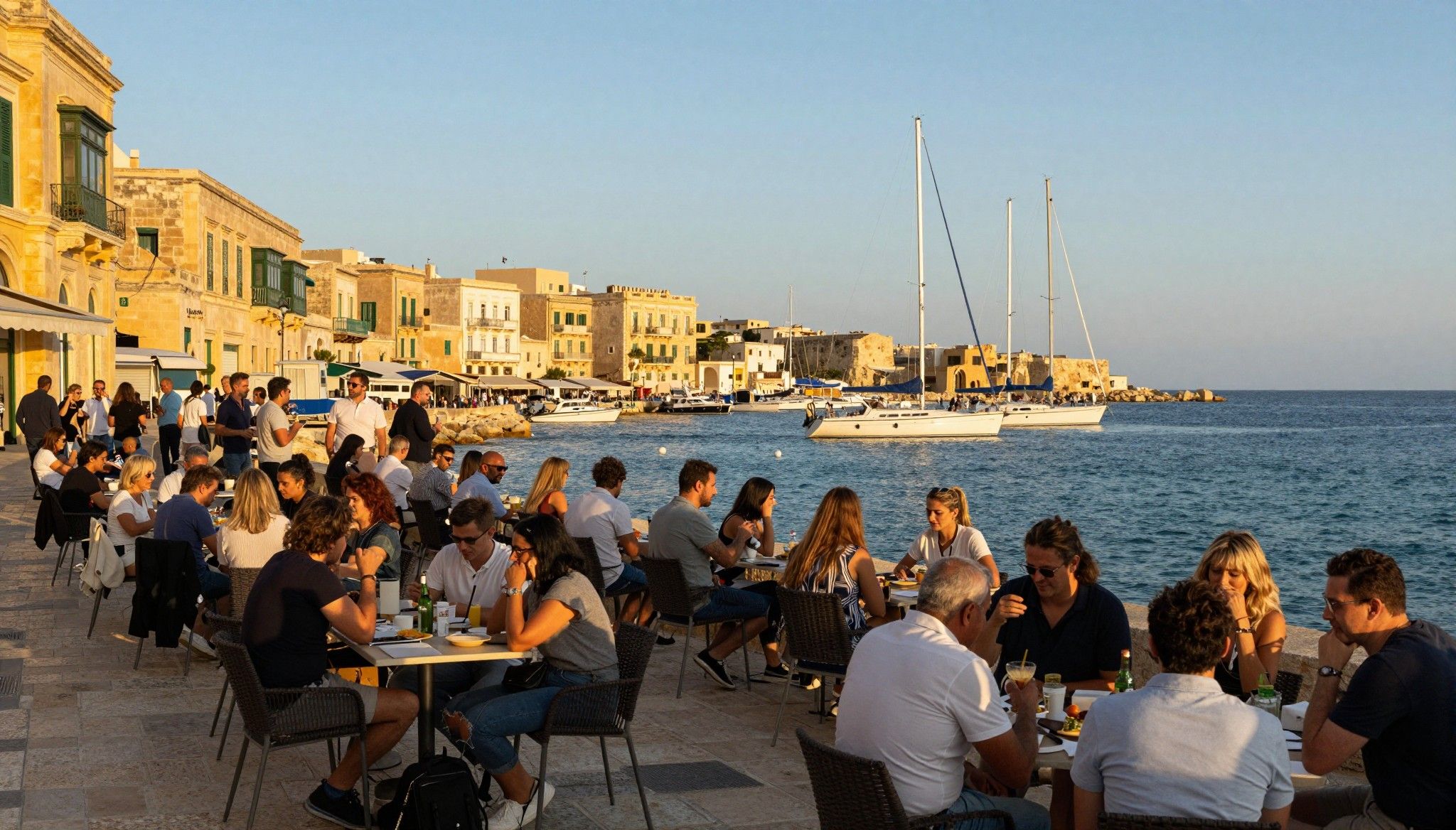
Malta moves at Mediterranean time: mornings at the market, long lunches in the shadow of baroque facades, and evenings by the sea. English is widely used in business and daily life, which makes settling easier for nomads who want community without an immediate language barrier. The island’s size means your Saturday can include a beach at Golden Bay, a co‑working session in Sliema and a sunset aperitivo in Mdina — all within an hour. That compactness affects property choices: everything is walkable but means trade-offs between sea views, historic charm, and modern living spaces.
Valletta, Sliema & St Julian’s: different flavours of island life
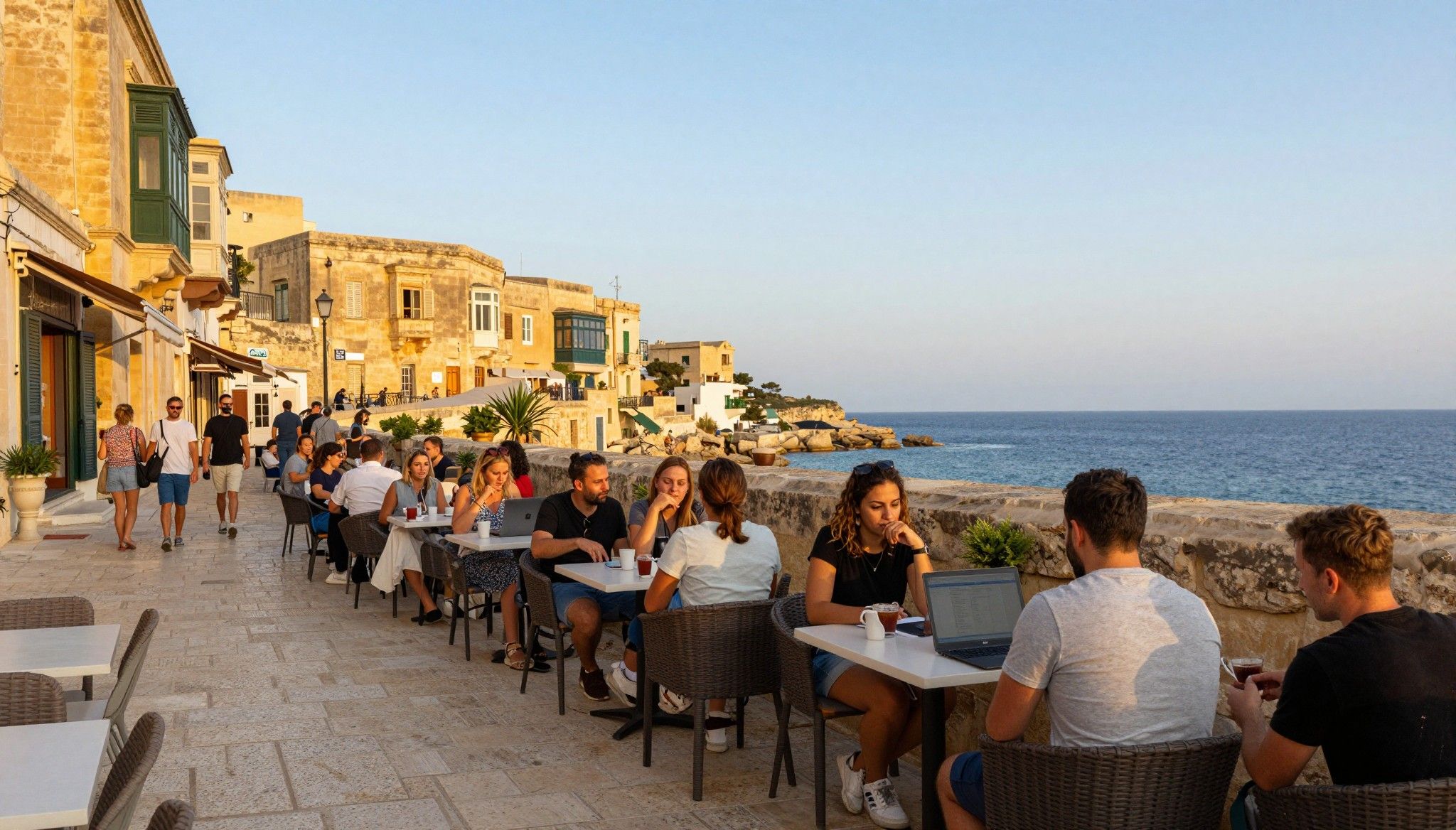
Valletta is theatre: narrow streets, frescoed churches, and cafés where designers and diplomats cross paths. Sliema feels like the day‑to‑day hub — waterfront promenades, cafés with reliable Wi‑Fi, and a steady mix of families and remote workers. St Julian’s (particularly Paceville-adjacent pockets) is livelier at night and popular with those who want active social scenes and short-term rental potential. Each area’s vibe changes the kind of property you’ll want: a character‑filled maisonette in Valletta prioritises history and walkability while a Sliema apartment buys convenience and coastal life.
Food, markets and ritual — how gastronomy shapes days
Weekends here orbit around markets and the sea. Get up early for fresh fish at Marsaxlokk market, sip a robust coffee at Caffe Cordina in Valletta, then hunt for pastizzi at a tucked-away bakery. Dining is social and often outdoors; terraces and roof‑decks matter. If you crave indoor-outdoor living, prioritise properties with balconies, roof terraces or courtyards — they’re where dinners, coworking bursts and neighbourhood friendships happen.
Making the move: visa routes, market signals and lifestyle fit
If the lifestyle draws you in, the paperwork is the next reality check. Malta offers options that suit digital nomads and longer‑term residents differently — the Nomad Residence Permit is geared to remote workers who want a base without immediate permanence, while other residence pathways serve longer stays. Meanwhile, market activity has put steady upward pressure on prices in recent years, so timing and neighbourhood choice matter if you want value plus that lived-in Mediterranean life.
Nomad permit vs longer residency: lifestyle trade-offs
The Nomad Residence Permit lets you live and work from Malta while employed by an overseas company; it’s quick and flexible but doesn’t lead directly to permanent residency. For nomads who prioritise freedom, it’s perfect — but if you want long-term ties (kids in local schools, property tax residency), factor in other residence routes. Talk to a Malta‑based immigration specialist early: small legal details about tax residence and permitted activity can change whether your lifestyle is seamless or bureaucratic.
How to match visa choice to the life you want
- Decide how long you’ll stay and how rooted you want to be — short stays favour the Nomad Permit while family plans steer toward longer residency applications.
- Check tax residence rules with a local advisor; physical presence and income sources determine tax obligations and affect the cost of living beyond rent.
- Plan property type to match routine: a historic maisonette in Valletta for walkable culture, a Sliema apartment for cafés and co‑working access, or a Mellieħa seaside place for weekend beach life.
Insider knowledge: what expats wish they'd known (and what to watch for)
Real talk: Malta’s market is compact and competitive. Recent RPPI data shows steady price rises over the past year, reflecting strong demand for limited stock. That means off‑market opportunities and local relationships matter; the agency who knows a Valletta roof terrace before it hits listings can save you weeks — and often thousands. Expat buyers commonly underestimate maintenance on older stone homes and the importance of insulation and shutters against Mediterranean sun and humidity.
Cultural and practical integration tips
Make friends through language cafés, beach volleyball groups, and co‑working meetups in Sliema or Paceville. Learn a few Maltese phrases and adopt the island’s slower meal rhythm to fit in faster. Healthcare is high quality but registering with local services takes time — plan that into your first month. For banks and utilities, a trusted local agent who speaks your language is invaluable; they’ll shepherd you through ID requirements, contract translation and neighbourhood norms.
Local red flags and quick checks
- No clear title or old alterations without permits — ask your agent for planning history and check Land Registry documents.
- Poor ventilation and lack of shutters — common in older properties; these add to retrofit costs for comfortable year-round living.
- Overpriced listings with ‘sea view’ that’s actually a sliver — visit at different times of day and picture daily life, not just photos.
Why the right agency matters more than you think
The best local agencies combine lifestyle listening with paperwork muscle: they’ll match you to a neighbourhood vibe (quiet Valletta courtyard or a Sliema waterfront morning routine) then run title checks, municipal permit searches, and local tax queries. In a market where supply is tight and prices have been rising, agencies with strong seller networks can find off‑market gems and advise when a quick offer is better than waiting — especially if you want to start living the Mediterranean rhythm as soon as possible.
Practical next steps: from daydream to deposit
Ready to test the life? Start small and sensory: plan a 10–14 day scouting trip timed to a festival or market day so you can sample everyday rhythms. Bring a short checklist and a local agent who understands nomad needs (Wi‑Fi, workspace, outdoor living). Expect to do at least three viewings in different neighbourhoods before you decide — in Malta, context matters as much as the property itself.
Quick step-by-step for action
- Book a scouting trip during an eventful week (market + evening social life).
- Engage a Malta-based agent experienced with expat and nomad clients for off‑market access.
- Run title and permit checks early; budget for modest retrofits (ventilation, shutters) on older properties.
- Decide visa route in parallel — Nomad Permit if flexibility matters, longer residency if you plan to settle.
Malta rewards people who embrace its contradictions: ancient streets and high‑speed internet, small‑island pace and cosmopolitan cafés. Fall for the luzzu colours in Marsaxlokk, then sign the contract on a roof terrace where you’ll host your first friends. The practical steps are manageable if you pair lifestyle priorities with local expertise — and that’s the secret: buy for the life you want, then let the right agency handle the details.
Dutch investment strategist guiding buyers to Greece and Spain; practical financing, tax, and portfolio diversification.