7 Legal Secrets to Lock a Croatian Home—Before You Pay
Live the Adriatic life—but run three legal checks first: land register, cadastre match, and reciprocity approval for non‑EU buyers.
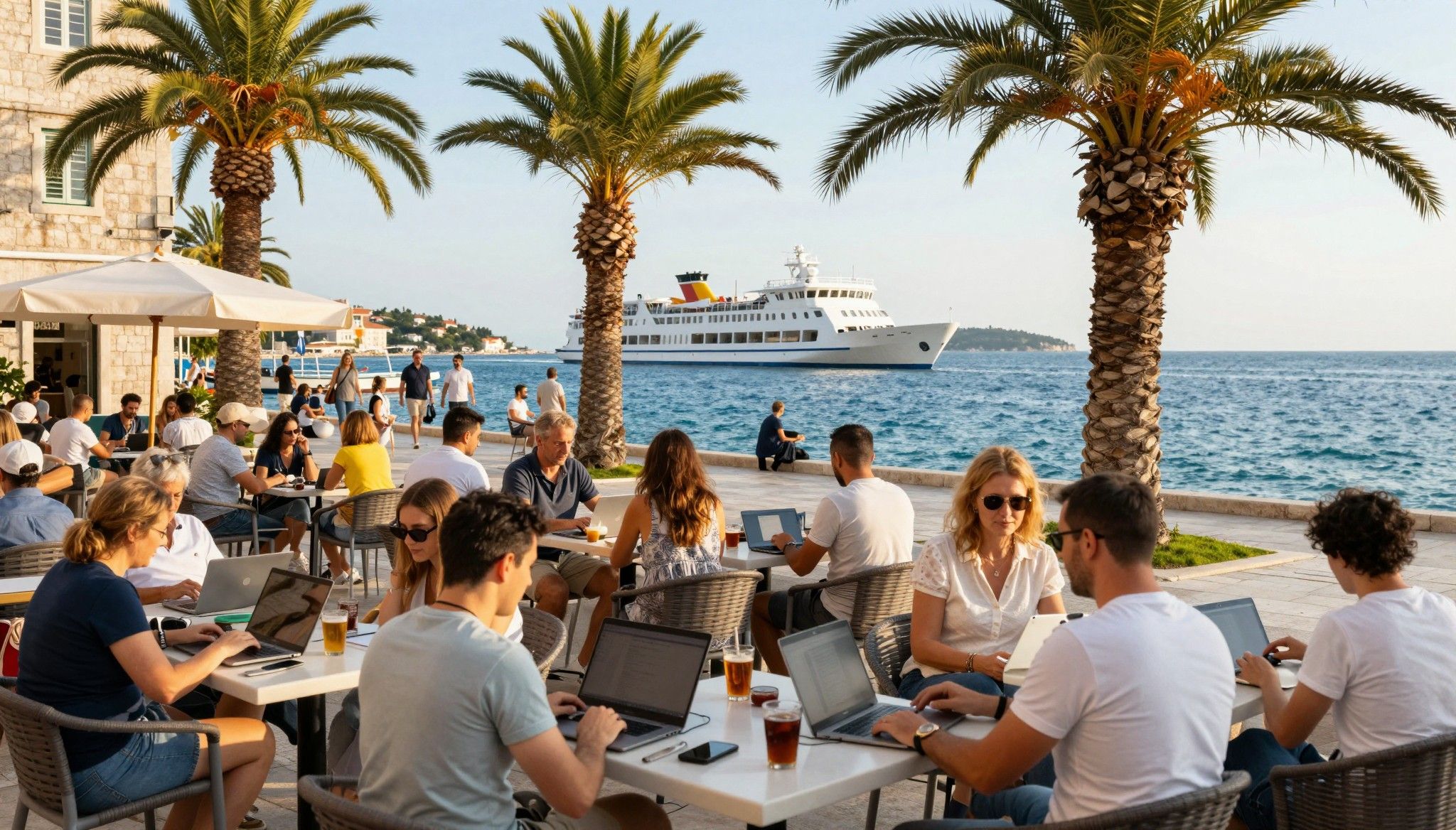
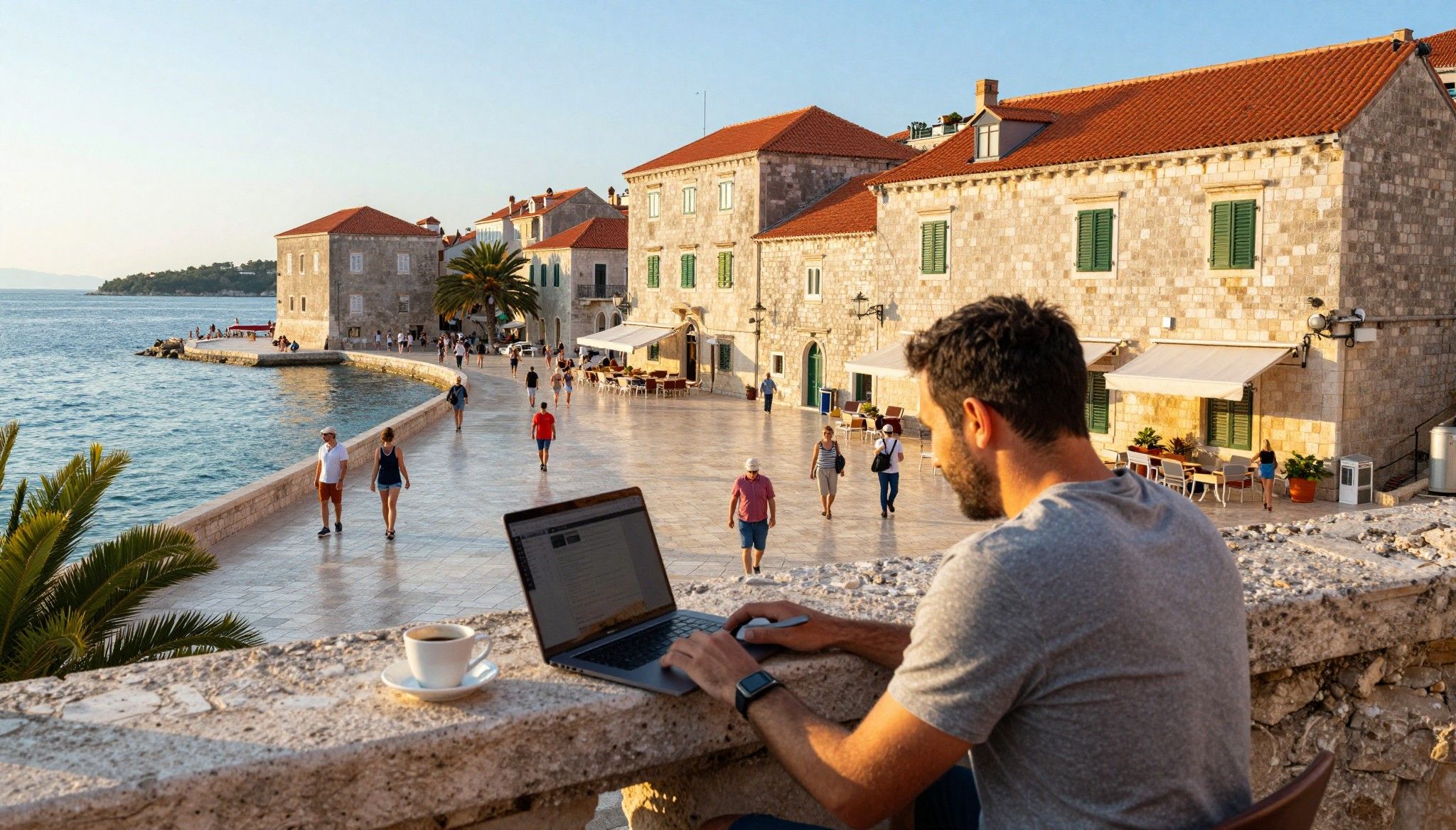
Imagine sipping an espresso on Split’s Riva at dawn, then opening your laptop in a sunlit apartment where the sea smells of pine and bread from the bakery below. Croatia feels small and grand at once: stone streets, island ferries, late-night konobas and a surprising number of coworking spaces. But behind that postcard glow are legal quirks that trip up dreamy buyers. This guide blends the lived-in pleasures of Croatian life with the exact legal checks you need before you hand over a single euro.
Living the Croatia lifestyle
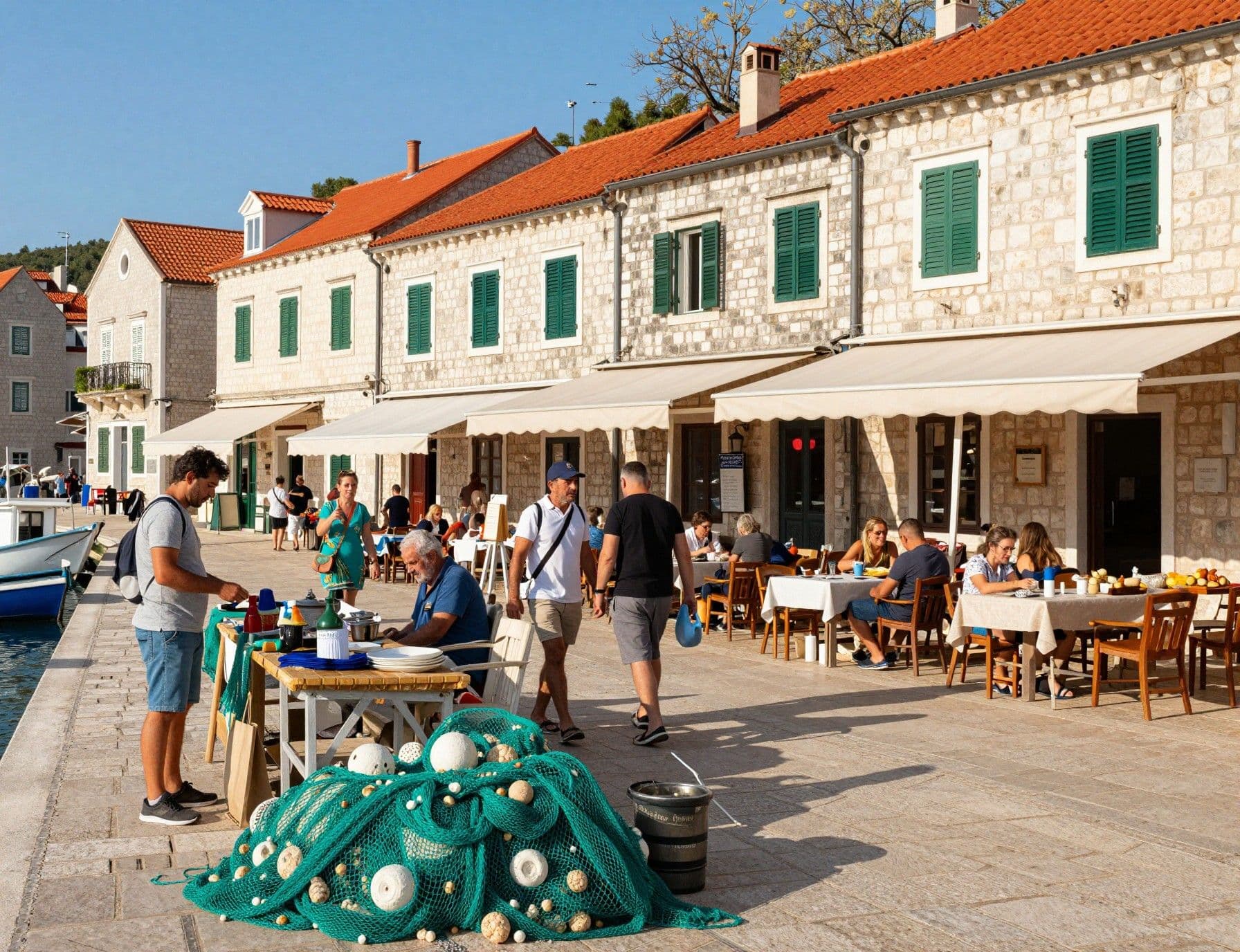
Life here is sensorial. Mornings mean market runs for fresh squid and mandarins; afternoons stretch into seaside swims and late siestas; evenings are for long meals and small talk in squares. Whether you choose Zagreb’s leafy streets, Hvar’s jet-setter energy or Istria’s hilltop truffle routes, daily life blends slow rhythms and social warmth. This feeling is what you buy as much as the walls—and it should shape the legal choices you make.
Neighborhood snapshots: real streets, real people
Walk down Zagrebačka cesta or the marble lanes of Dubrovnik and you’ll notice differences that matter for property: foot traffic, noise, tourism turnover, and rental demand. For nomads who want fast internet and cafés that double as office space, neighbourhoods like Split’s Varos or Zagreb’s Tkalčićeva offer a compact life. For a quieter, slower life, inland towns like Motovun or Šibenik’s lesser-known coves trade bustle for community and authentic markets.
Food, festivals and seasonality
Seasons in Croatia reframe neighbourhood life: summer tourists fill coastal promenades while winter brings local markets and quiet harbor walks. Festivals—from Šibenik’s summer music to Istria’s truffle weekends—reshape short-term rental demand and can spike seasonal incomes for owners. If you want year-round community (not just summer rentals), check how each area behaves off-season before you buy.
- Lifestyle highlights to scout in person
- Morning markets: Dolac (Zagreb) or Pazar (Split)
- Beach-office combos: Bačvice (Split) and Punta Rata (Brač)
- Coworking hubs: Zagreb’s HUB385 or Shift Split
- Hidden gem walk: cobbled backstreets of Veli Lošinj
Making the move: practical legal checks

Dreams meet paperwork here. Croatia uses two public pillars—the Land Registry (zemljišne knjige) and the Cadastre (katastar)—and reading both gives you the clearest picture of ownership, limits and physical boundaries. Don’t assume a glossy listing equals clean title; mismatches between the cadastre and the land register are common and costly.
Title checks that save you money
Before you sign: order extracts from the land register, get an up-to-date katastar parcel report and demand a seller’s certificate proving they are the registered owner. Confirm there are no encumbrances—mortgages, easements, or pending disputes. If the parcel and land register don’t match, pause. A bilingual lawyer should translate and explain any discrepancies in writing.
Foreigners, reciprocity and permissions
EU/EEA citizens enjoy a simpler path to ownership. Non-EU buyers often need government approval under reciprocity rules—so check whether your passport’s country allows Croatians similar rights. That approval can add weeks and paperwork and is essential to register you as the legal owner at the municipal court land registry.
- Step-by-step legal checklist before making an offer
- 1) Obtain land-register extract and katastar screenshot for the parcel.
- 2) Instruct a Croatian lawyer to run a title search, check encumbrances and confirm seller identity.
- 3) For non‑EU buyers, apply for reciprocity/permission and attach it to your land-registry application.
- 4) Verify planning status and building permits if you intend to renovate or extend.
Working with a local notary and lawyer isn’t optional here. Notaries prepare purchase contracts and handle registration steps; lawyers negotiate contract clauses that protect you from hidden liabilities. Ask them for a written scope: which land-registry extracts, tax clearances, seller certificates and translation duties they will deliver.
Insider knowledge: mistakes expats make (and how to avoid them)
Expats often buy the view and skip the checks. They assume coastal demand means guaranteed value, or that a friendly agent covers legal risk. Reality: coastal listings can have dormant liens or mismatched boundaries, and small municipal rules (like restrictions on conversion to short-term rental) can make a property impossible to monetize.
Cultural and administrative quirks
Expect slower-than-expected timelines, and factor in translation time. Paper trails sometimes go back to Austro-Hungarian records; old servitudes or family inheritance claims can reappear. Locals may assume you know how the system works—don’t. Demand documents and insist on clarity about who pays for unpaid communal fees or utilities before signing.
Longer-term lifestyle and legal considerations
Think beyond purchase: Croatia introduced updates to housing taxation and registration in recent years, and municipalities can change local rules on rentals or renovations. Keep a buffer in your budget for admin, translation, agent fees and any cadastral corrections. Plan for property management if you won’t be resident year-round.
- Practical tips from buyers who live here
- Hire a bilingual lawyer and insist on written translations.
- Visit the property in low season to test the rhythm you want.
- Check municipal rules for short-term rentals and heritage protections.
- Budget 5–8% extra for legal, translation and registry costs beyond the sale price.
- How agencies accelerate safe buying (quick steps)
- 1) Pre-checks: agent commissions with lawyer, local title pre-search.
- 2) Offer drafting with protective clauses: deposit return triggers, results of land-registry checks.
- 3) Closing coordination: notary appointment, registry filings and tax receipts consolidated by the agent.
Quick market reality check: Croatia’s house price index has risen steadily in recent years, especially on the coast and in Zagreb, so expect competition in desirable areas and intermittent slowdowns elsewhere. Use official stats when setting an offer and let local experts interpret municipal-level quirks.
Conclusion: fall in love—but lock the deed
Croatia sells a lifestyle: late dinners, island weekends, small-town rituals and a coastline that keeps calling you back. But that life rests on paperwork. Do the land-register and cadastre checks, hire a bilingual lawyer and factor in reciprocity rules if you’re non‑EU. Then, once the deed is clean, you can truly relax into the morning markets, the coworking cafes and the sea-salted air.
Next steps: get a local lawyer, request land-registry extracts, and schedule an off-season visit to the exact neighborhood you want. If you want, we’ll connect you with vetted Croatian agents and bilingual lawyers who understand nomad needs—fast internet, community and low-fuss admin.
Danish investor and relocation advisor focusing on Portugal and the Algarve; loves coworking culture and expat networks.