Why Croatia’s Euro Era Changes When and How You Buy
Fall for Croatia’s sunlit lanes — then buy smart: euro currency, EU buyer advantages, off‑season timing, and local banking steps for confident purchases.
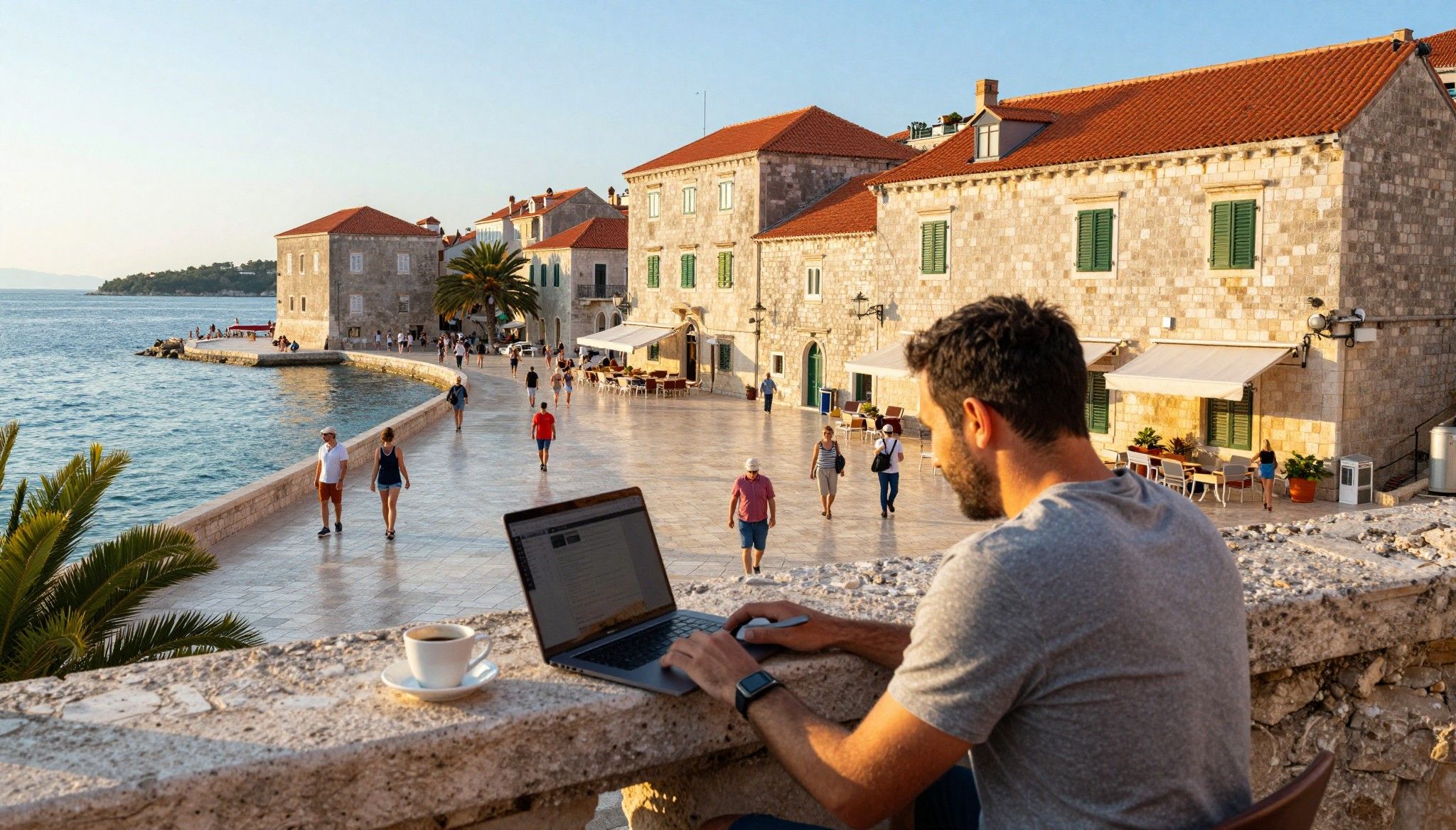
Imagine sipping a slow espresso in Split’s Veli Varos at sunrise, then answering a 10 a.m. client call from a sunlit rooftop terrace overlooking the Adriatic. Croatia smells like citrus and grilled fish, sounds like church bells and seawaves, and moves between peaceful small‑town rhythms and buzzy coastal summer energy. That dual personality — medieval streets and digital‑nomad coworking cafes — is why many of us fall fast and hard for Croatia. But love alone won’t close a sale: money, banking, and legal steps matter. I’ll show you how the lifestyle and the finances meet, with real sources so you can make decisions confidently.
Living the Croatia life
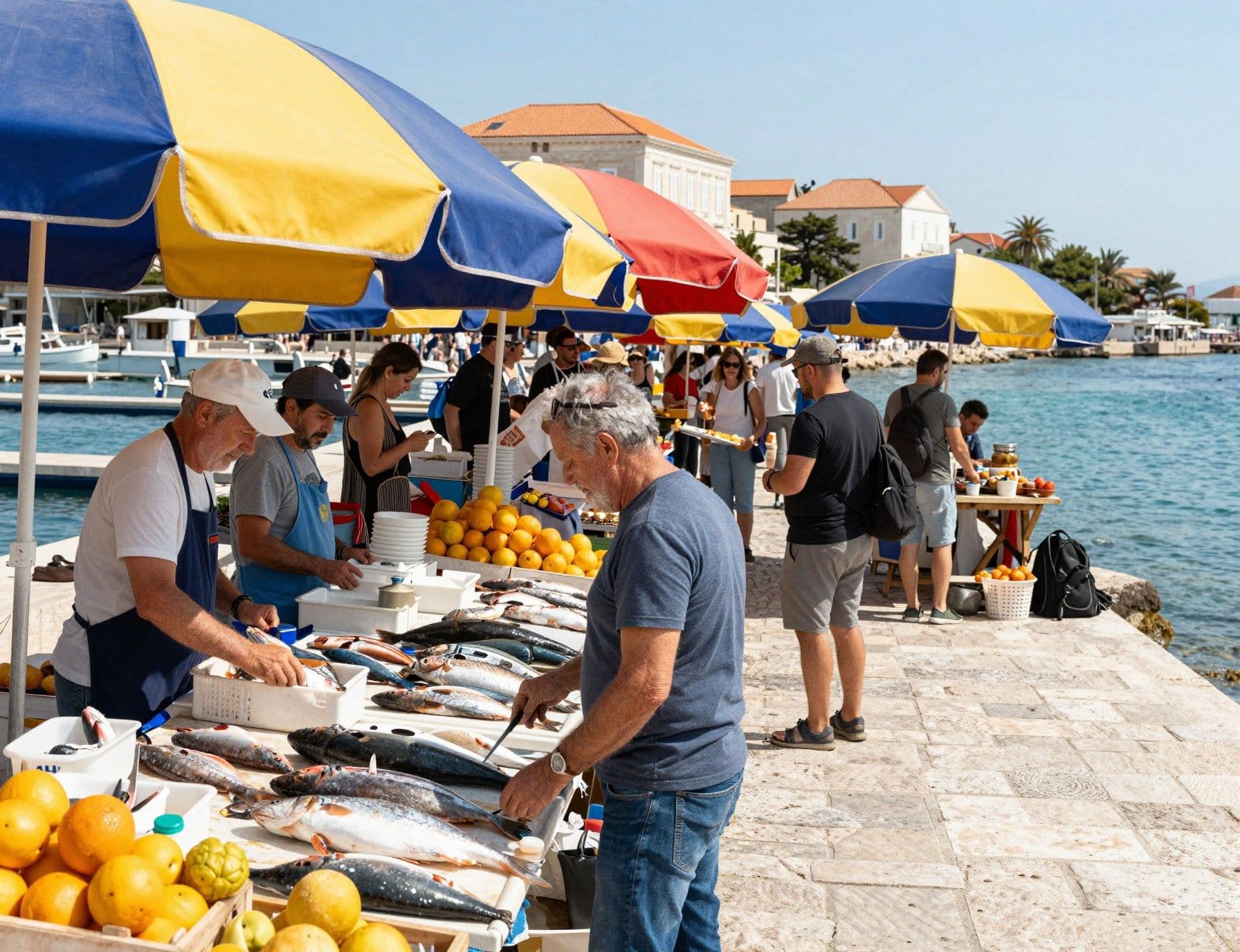
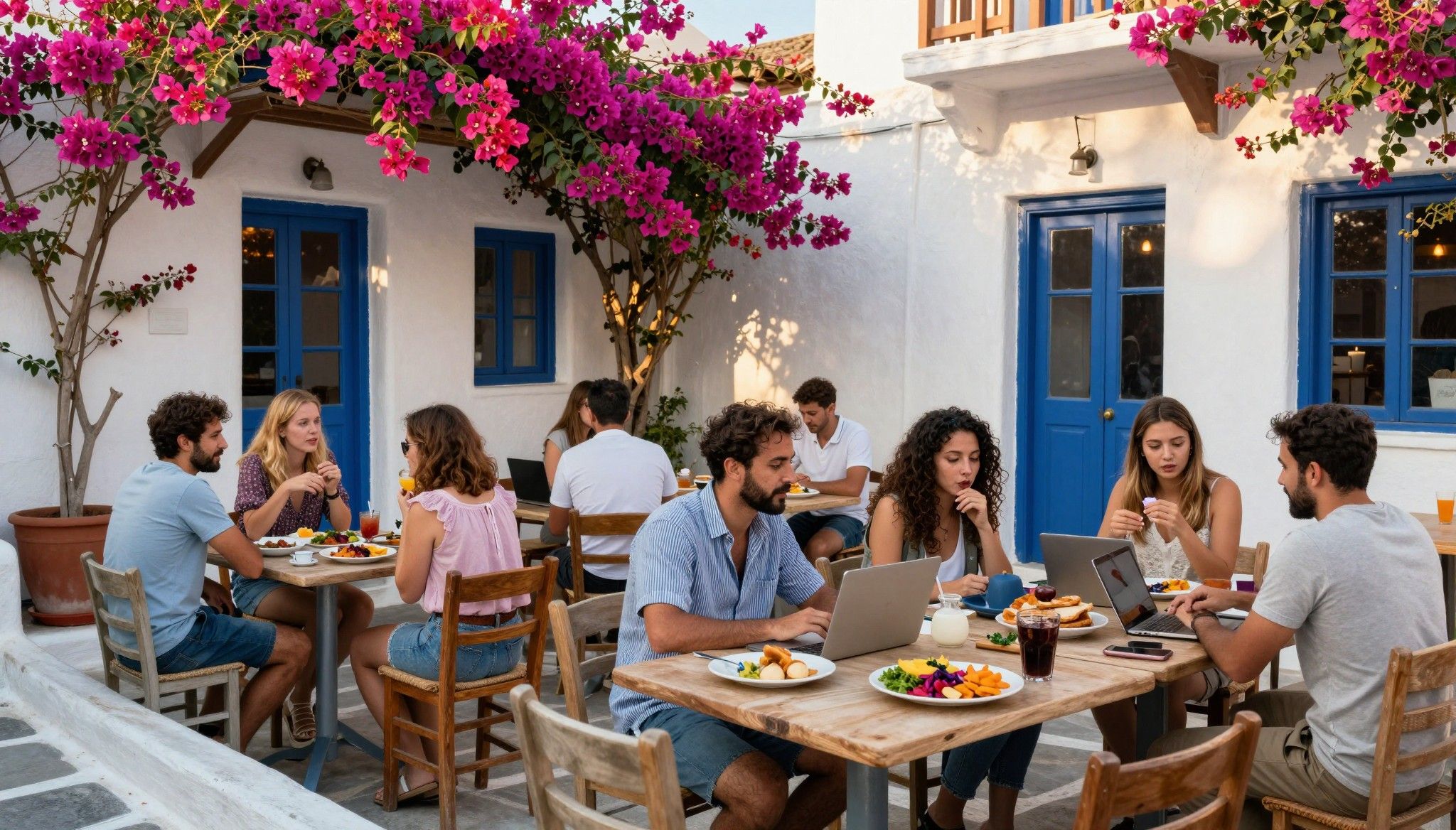
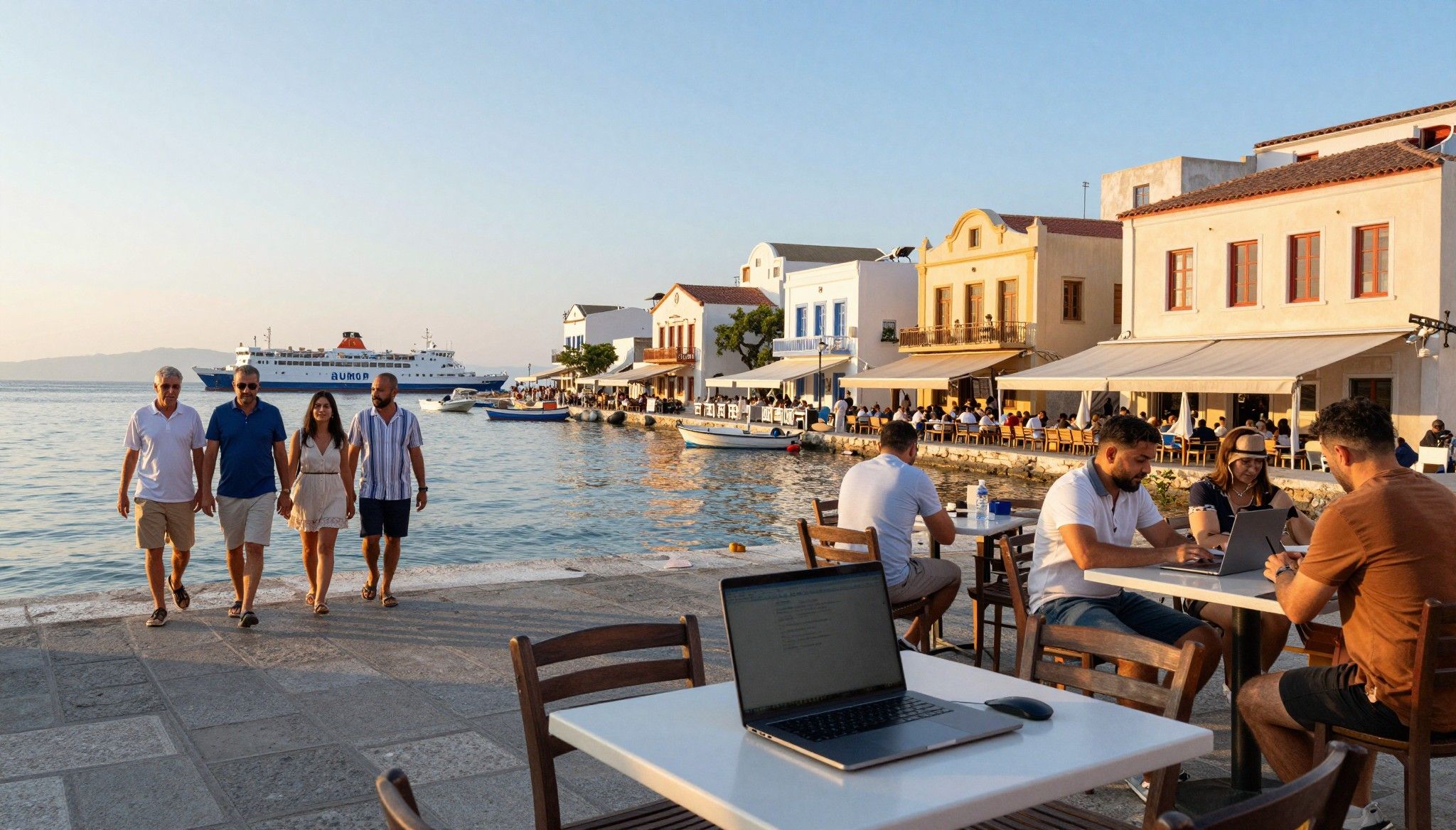
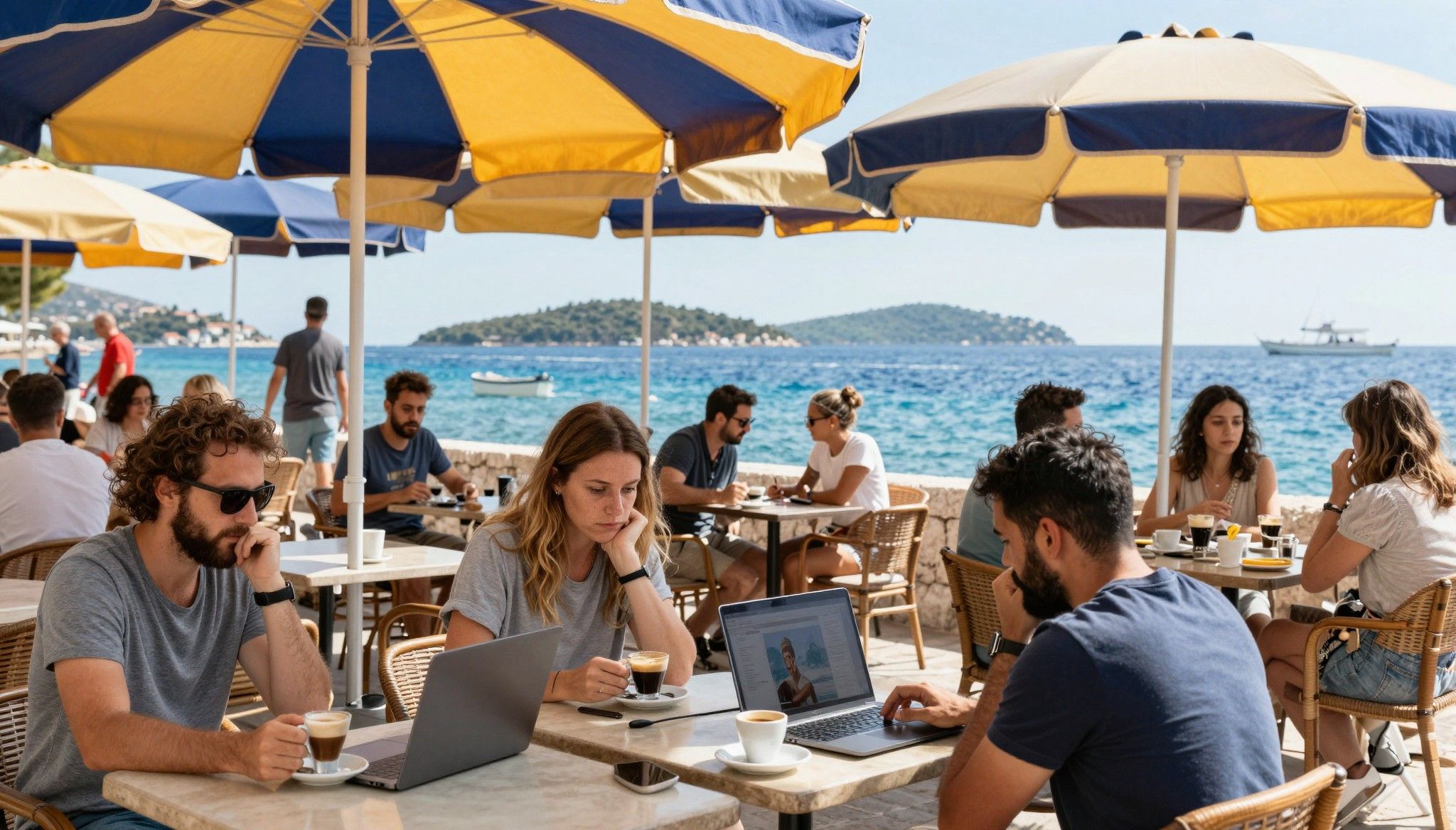
Daily life in Croatia mixes seaside ease with old‑town texture. Mornings in Zadar mean buying fish at the market on Obala Kralja Petra Krešimira IV; afternoons in Rovinj are for walking the cobbled lanes of Grisia and ducking into espresso bars for Wi‑Fi and a slice of conversation. Split’s Bacvice draws swimmers and weekenders, while quieter Dalmatian hamlets give you room to breathe. For remote workers, the key rhythms are reliable internet, cafes with sockets, and neighborhoods that feel lived‑in — not staged for tourists.
Neighborhood snapshots: where the day actually happens
If you want a café‑first life, look at Split’s Veli Varos or Zagreb’s Tkalčićeva: morning markets, pastry stands, and compact apartments with balconies where neighbors know your name. For island life with community, Hvar’s Stari Grad and Vis’s Komiža keep festivals, taverns and local fishermen alive year‑round. If you dream of a quieter, green routine, inland Istria around Motovun offers truffle season, agritourismo and bigger plots for gardening. Each of these microplaces has its own property types, from stone restorations to new build flats — and each changes what banking and financing will make sense.
Food, festivals and the rhythm of seasons
Croatia’s calendar of life is edible: Ramadan‑like intensity during summer festivals, truffle foraging in autumn, and quiet, local winter markets. Visit during a festival and you’ll meet neighbors over rab‑style lamb or pašticada; come off‑season and you’ll enjoy empty promenades and better negotiation leverage. That seasonality should shape your property timing: lifestyle peaks bring rental income potential, but off‑season buying often brings calmer viewings and more realistic pricing.
- Morning markets in Split (Peskarija); espresso on Zagreb’s Tkalčićeva; Bacvice beach swim and cafes; Grisia art walk in Rovinj; Komiža fishing harbor and fresh seafood
Making the move: practical money steps
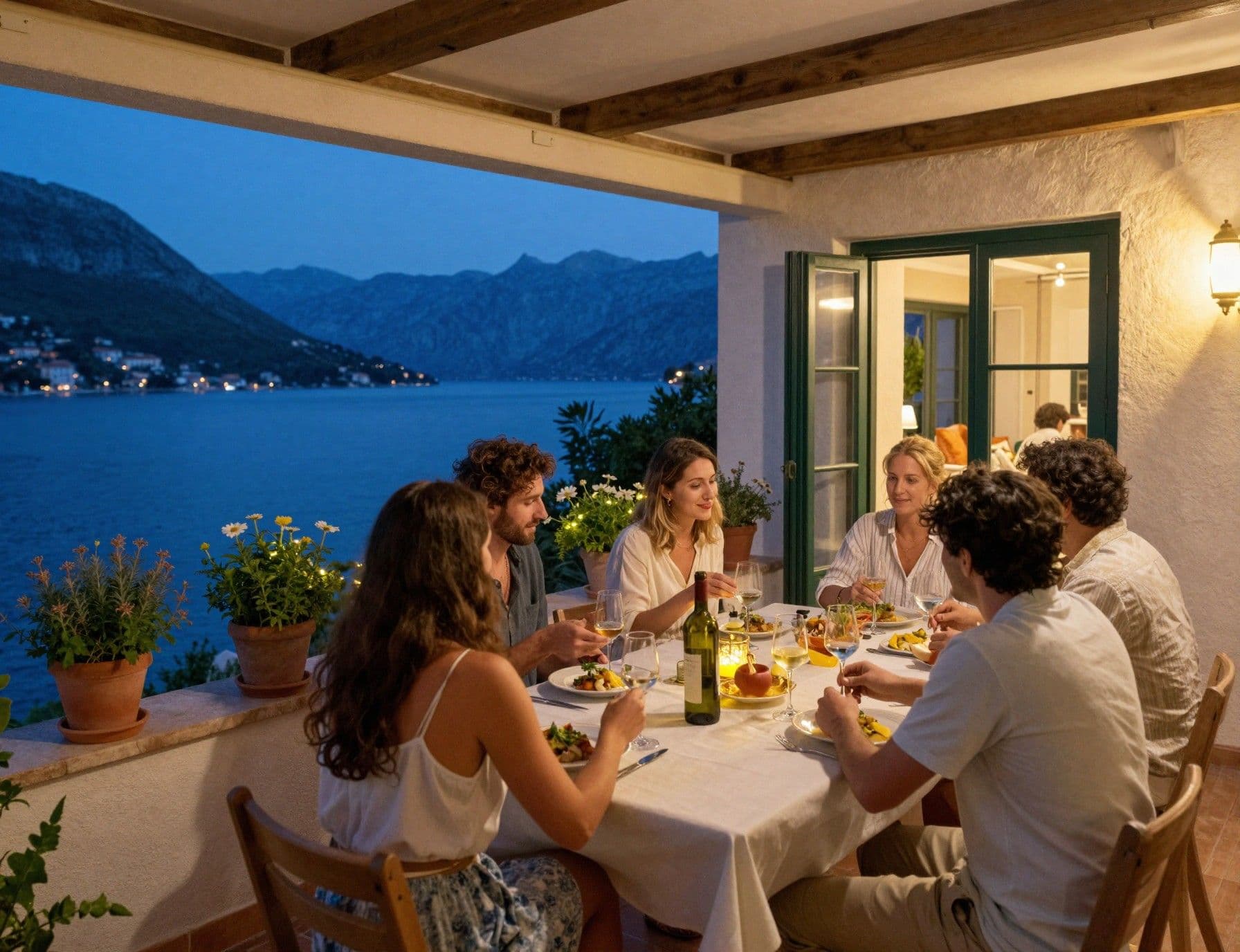
You can fall in love with a stone house on the coast, but the paperwork and the bank transfer are what turn that romance into ownership. If you’re an EU citizen the process is much simpler: you generally buy under the same rules as locals. For non‑EU citizens, reciprocity rules and ministerial consents can apply, especially for agricultural land and protected areas. Start by checking official guidance so you know whether you need extra approvals before you sign.
Property types and finance: what fits your lifestyle (and wallet)
Stone restorations require upfront cash for renovations but reward you with character; new builds offer warranties and easier mortgages. Banks in Croatia do lend to non‑residents, but terms vary and many lenders prefer EU citizens or clients with Croatian residency. Expect a larger deposit (often 20–30% or more for foreign buyers), proof of income, and an independent property valuation. If you’re financing a renovation, factor in permits and utility connections — local councils can slow timelines.
Local experts who keep your dream practical
- 1) Hire a Croatian property lawyer early to check land registry entries, building permits and any encumbrances. 2) Open a local bank account — many transfers and utility setups are simpler in a Croatian or EU bank. 3) Get a pre‑sale valuation and ask your agent for recent comparable sales on the same street. 4) If you need a mortgage, gather translated income docs and expect slower underwriting for foreign applicants. 5) Build a 10–15% contingency into renovation budgets — old stone buildings often have surprises.
Insider knowledge: currency, timing and negotiation secrets
Croatia adopted the euro on January 1, 2023, which means you no longer wrestle with kuna‑euro exchange risk when buying. The euro simplifies pricing, cross‑border mortgages and daily life, but it also changed tourism and local pricing dynamics. For buyers, that means fewer currency headaches but a need to watch interest‑rate moves across the euro area — these influence mortgage rates for local lenders and the cost of credit.
When to buy: a contrarian take
Contrary to the summer‑only fantasy, I’d often recommend hunting in late autumn or winter. Streets are quieter, sellers are more realistic, and you avoid the staged 'high‑season' rents that inflate price expectations. You’ll also see how a neighborhood functions when locals are home: is the café alive in January or dead? Does the ferry run regularly off‑season? These operational realities affect both life and long‑term rental prospects.
- Practical negotiation levers: inspection, season, and local knowledge
Use an off‑season visit to test utilities, talk to neighbors, and request a detailed itemized quote for any renovation. Ask your lawyer to search land registry archives for hidden servitudes. When making an offer, link clauses to financing timelines and include a reasonable deposit that’s refundable if due diligence reveals legal issues. Local agencies earn their keep by translating lifestyle aims into clauses that protect you — from right‑to‑use utilities to terrace ownership disputes.
What expats wish they’d known
Expat buyers often underestimate the small daily frictions: boat schedules that affect island life, communal condominium rules that limit short‑term rentals, or local holidays that shut down offices for days. They also undervalue local relationships — a trusted notary, a good mason, a neighbor who knows municipal personnel. Those contacts become your buffer when things get slow or odd, and they protect the lifestyle you bought the property for.
Language, community and making it home
Croatian language basics smooth daily life: learning greetings, market terms, and polite phrases opens doors at kafanas and markets. Join local Facebook groups (Split Expats, Zagreb Digital Nomads) and coworking meetups in places like Saltwater Split or Mindspace Zagreb to make friends fast. Volunteering at a local festival or truffle hunt is a shortcut to belonging and gives context to your property choice — you’ll know which neighbors will keep an eye on your place when you’re away.
Longer‑term considerations
Think 5–10 years ahead: will you want a larger family kitchen, a room for guests, or a rental setup for summer months? Consider energy upgrades now — insulation and modern heating cut costs and increase resale value. Also factor in property management if you plan to rent: good local managers handle bookings, maintenance and tax filings and preserve the lifestyle you love without daily headaches.
- Key next steps: 1) Check eligibility (EU vs non‑EU) on gov.hr; 2) Book an off‑season scouting trip; 3) Retain a Croatian property lawyer; 4) Open a local bank account and get a pre‑approval or cash plan; 5) Ask about municipal rules for short‑term rentals
Croatia offers a life that mixes Adriatic light, stone streets and modern nomad comforts. The trick is aligning that life with a finance plan and local team who protect both your investment and your mornings at the café. Start with eligibility checks, a trusted lawyer, and an off‑season visit; then let your agent find places that match how you want to live, not just how they photograph at golden hour. When you buy this way, you don’t just purchase a property — you lock in a life.
Danish investor and relocation advisor focusing on Portugal and the Algarve; loves coworking culture and expat networks.