Buy Where Locals Live: France’s Best Value Streets
Buy where locals live: blend market data and French lifestyle cues to pick towns with steady value and true community.
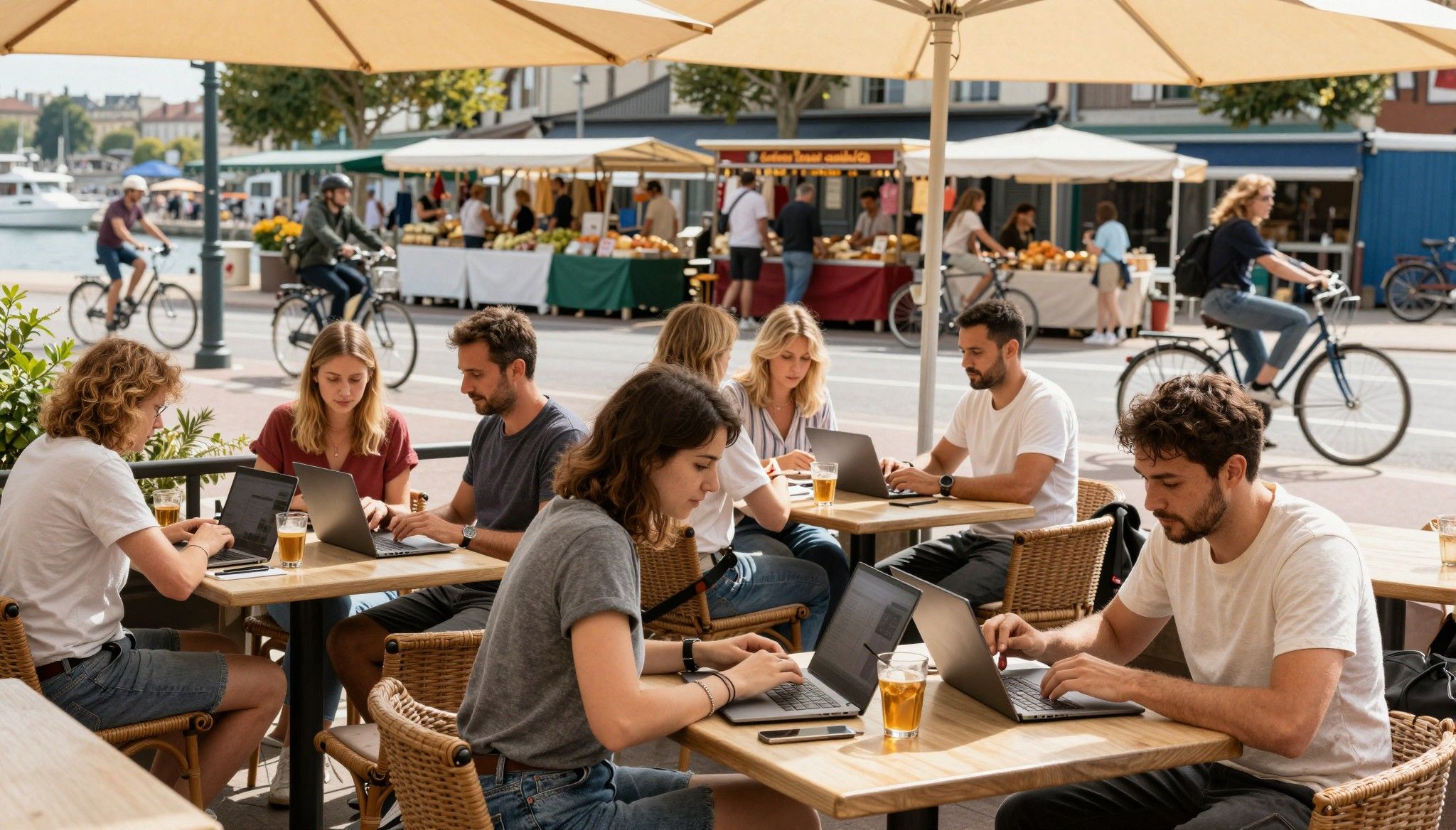
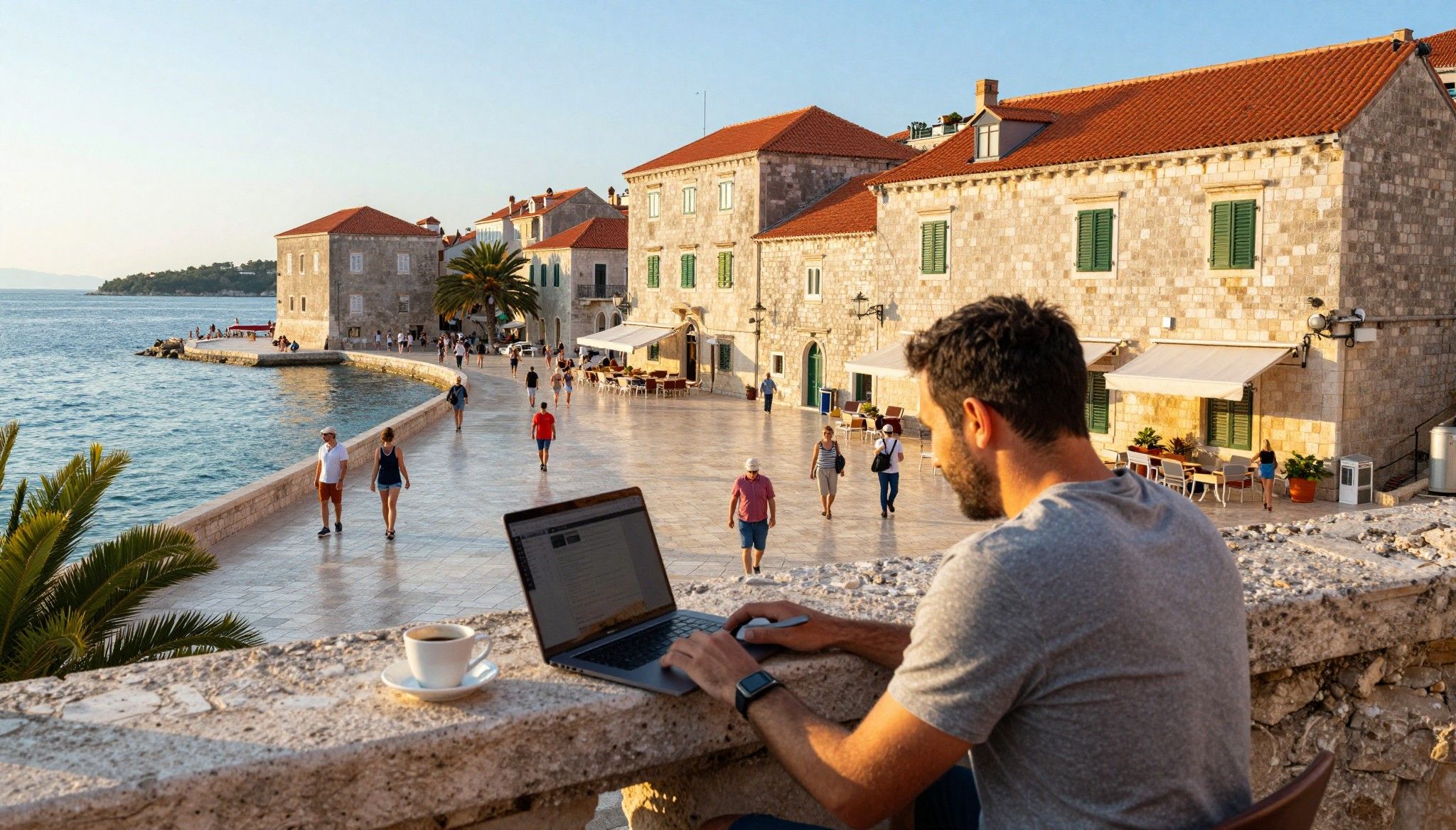
Imagine weekday mornings in France: a boulangerie line on Rue de la Paix, a remote worker opening their laptop at a sunlit café in Bordeaux, and market stalls overflowing with seasonal peaches. That picture — neighbourly cafes, slow rhythms, local markets — is what pulls people across borders. Yet lifestyle fantasies meet legal realities at the notaire’s desk, and the smartest buyers balance the two from day one. This guide stitches the French life you crave to the legal due diligence you'll need to actually secure it.
Living the France life: daily rhythms that shape where you buy
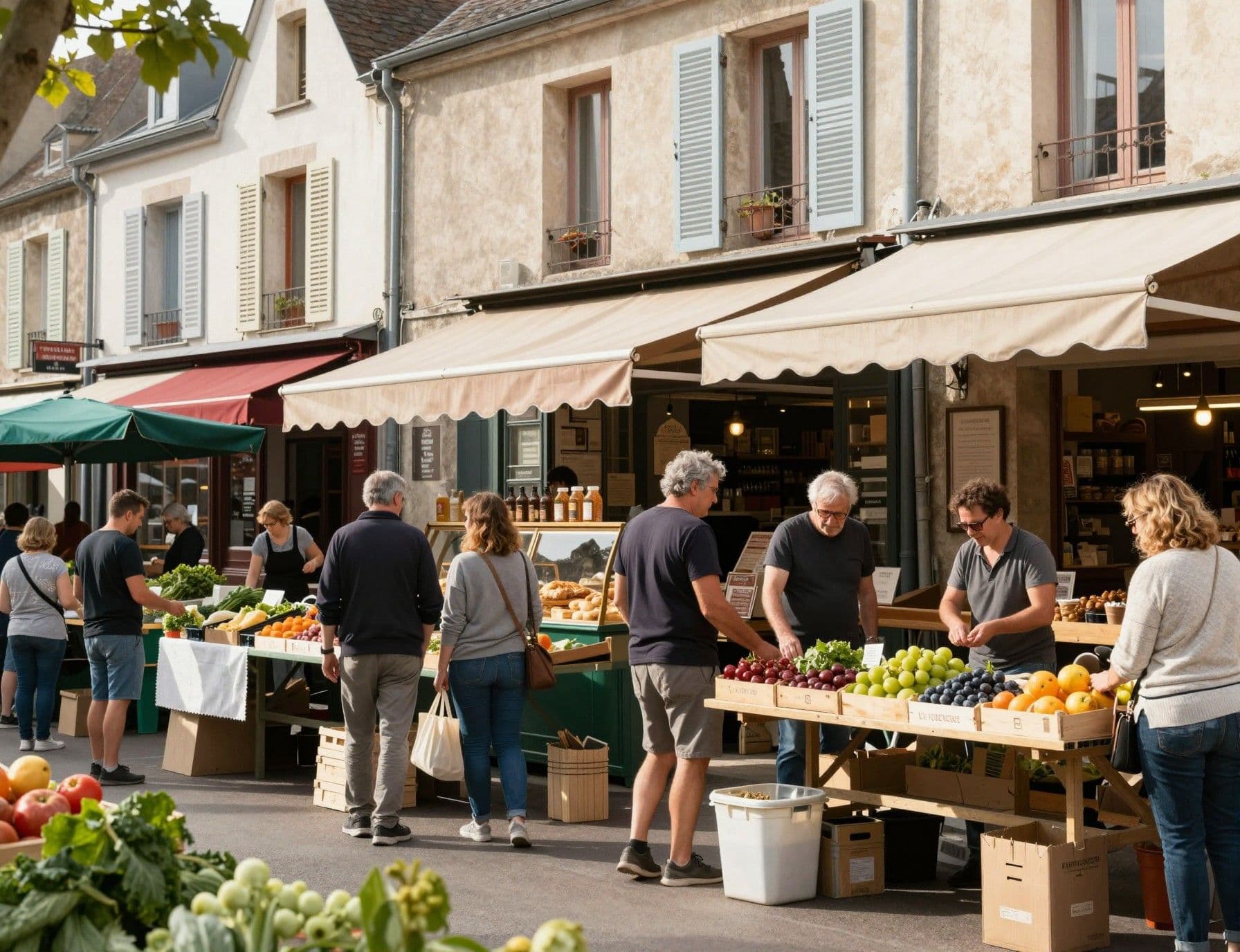
France’s everyday magic is spatial: marché mornings, late-evening terraces and neighbourhoods that feel like little republics. Whether it's the Left Bank lanes of Paris, the fishing quays in Le Grau-du-Roi or the lavender fields circling Aix-en-Provence, daily life informs property choice. When you picture your French routine, think commute time on foot, local cafés where you’ll work, and how a house’s layout supports alfresco living. These lifestyle details also determine resale value and rental demand — so they’re part of due diligence, too.
Neighbourhood spotlight: not just Paris — the towns locals actually choose
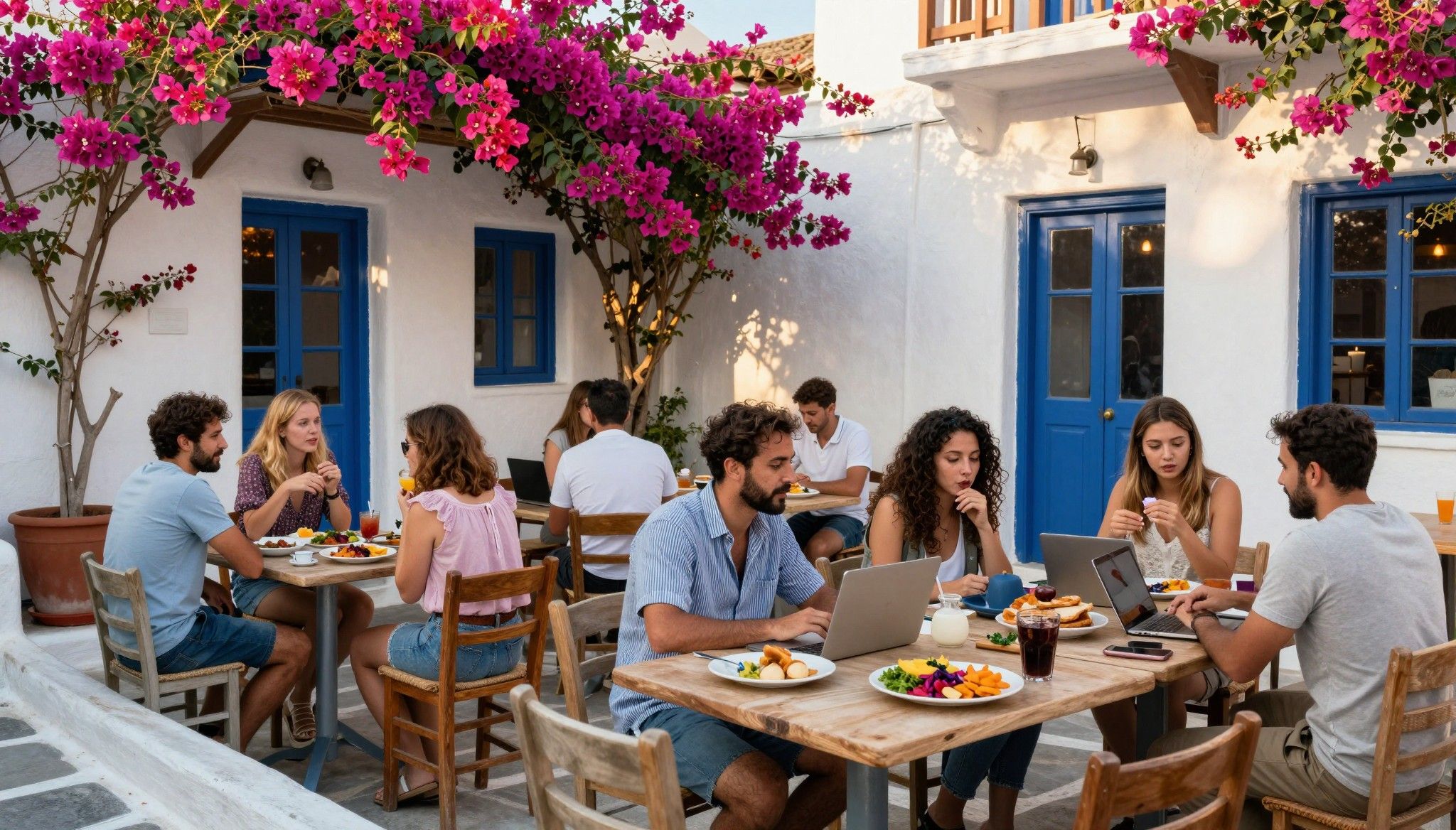
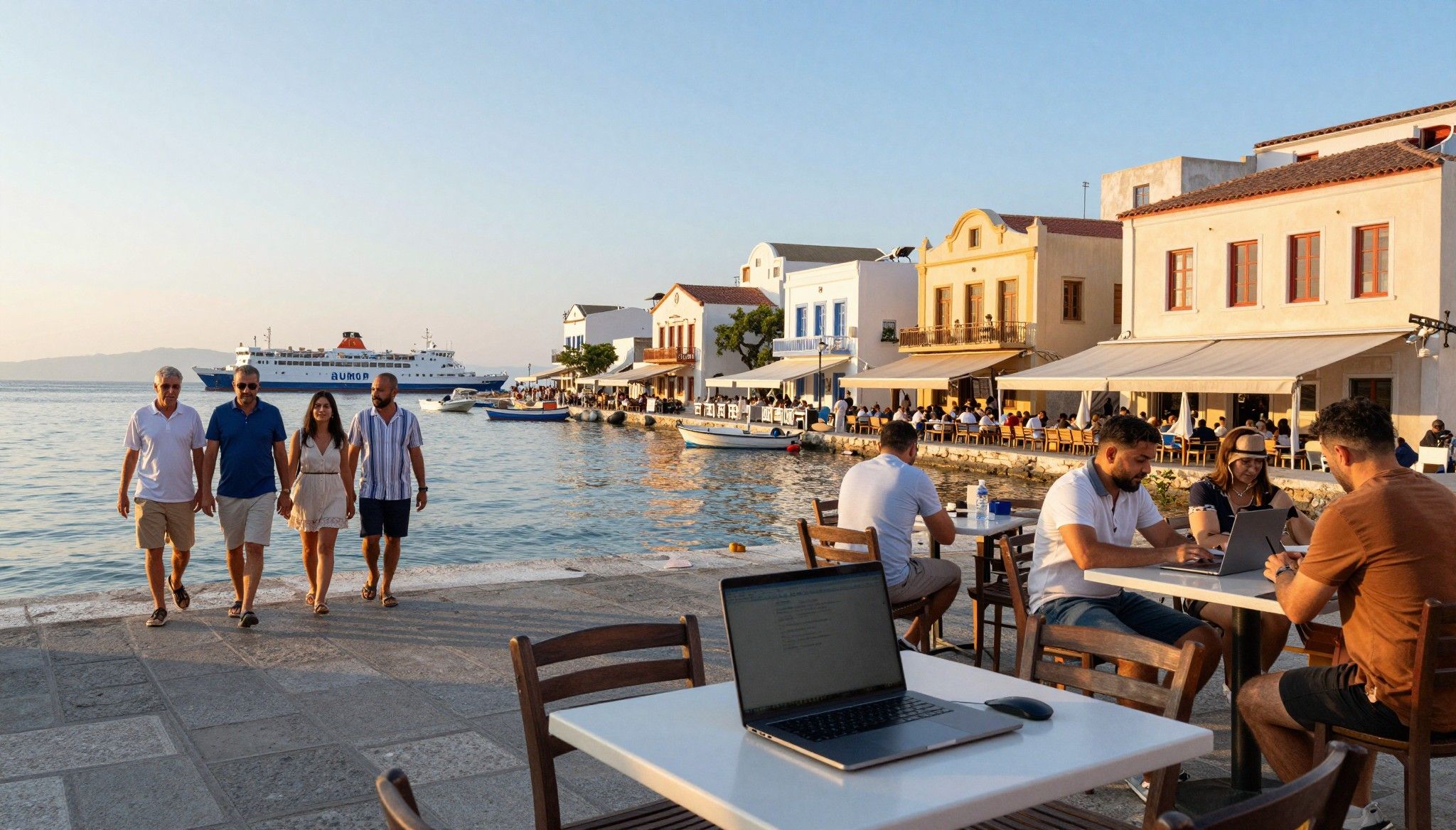
Skip glossy guidebooks and ask which streets locals move to when they start families or open cafés. In Lyon’s Croix-Rousse you’ll find morning markets and narrow terraces; in Biarritz, surfers buy compact apartments near Côte des Basques; in Nantes, riverside quays host creative startups and coworking hubs. These are places where everyday life hums and long-term demand is steadier than tourist hotspots. Buying where locals live often means lower volatility and a truer sense of community.
Food, markets and la vie sociale — how seasons frame your choice
Markets in Nice, Toulouse and Rennes define weekends; truffle season in Dordogne remaps social calendars; summer festivals in Avignon turn neighbourhoods electric. If you love alfresco dinners, terraces and local fêtes, prioritize properties with outdoor space and good sun exposure. Conversely, if quiet winters and nearby healthcare matter, inland towns with year-round communities beat seasonal resorts. Seasonality matters not just for lifestyle but for letting-you-live vs. tourist-rental income models.
- Lifestyle highlights to look for when house-hunting
1. Weekly marché within a 10–15 minute walk — food culture equals daily happiness. 2. A café or co‑working spot with reliable Wi‑Fi (look for fibre rollout in the area). 3. A green space or riverfront for weekend routines and resale appeal. 4. Local train connections under 90 minutes to a major city for access without full-city living. 5. Mid-size local hospitals (for long-term plans) and a municipal mairie willing to help newcomers.
Making the move: practical considerations that protect the lifestyle
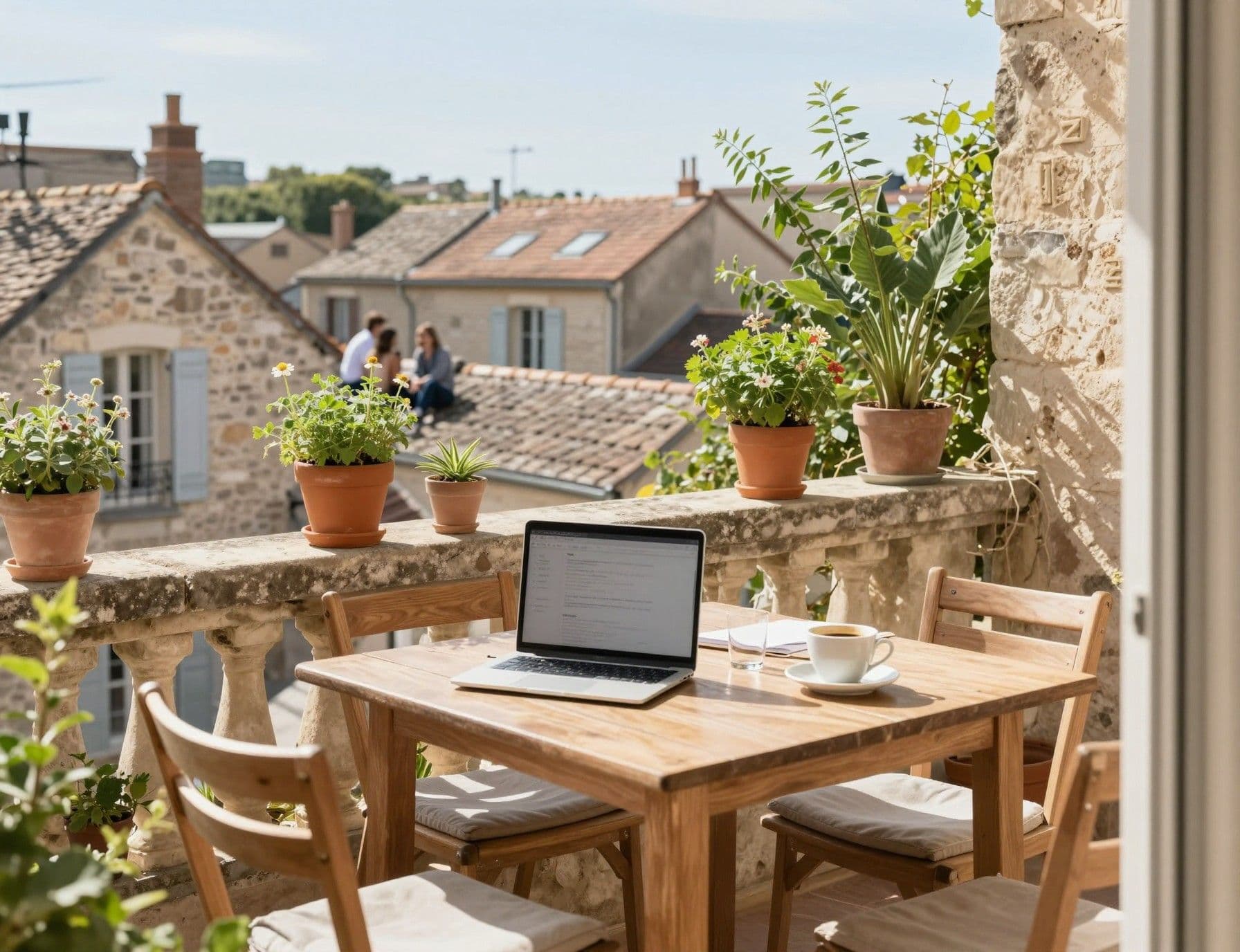
Dreams meet paperwork when you sign the compromis de vente and hand over the deposit. France’s market has been through a stabilization phase recently; official indices show second‑hand prices largely steady with regional differences. That matters: a town with local life but falling prices needs extra title checks and a fresh valuation. Use market data to check momentum before you bid; local trends (village vs metro) can bend value by wide margins.
Property types & what they mean for your everyday
A small stone maison with shutters in Dordogne promises gardens and long dinners, but higher maintenance and rural access needs. A Haussmann apartment in Paris gives walkability and coworking cafés at every corner, but strict copropriété rules and higher taxe foncière. New builds near Lyon offer energy efficiency and easier paperwork, while Provençal village homes may have quirky title chains and renovation surprises. Match style to seasonality — choose a property that supports the life you want to live daily.
Working with local experts who know the lifestyle angle
A notaire is mandatory and oversees title transfer; a géomètre can sort boundary quirks; a local agent will know whether a street is quietly popular with families or seasonal renters. Choose specialists who understand nomad priorities: fibre availability, co‑working proximity, and flexible rental rules. Ask for recent copro minutes, neighbour contactability, and proof of planned public works that could change the light or noise on your terrace.
Insider knowledge: red flags and contrarian moves expats miss
Here’s real talk from buyers who've lived the learning curve: don’t fetishize famous addresses. Some coastal resorts look dazzling in summer yet sit nearly empty in winter, dragging services and community away. Conversely, so-called 'boring' commuter towns often have the steady life and local markets you'll actually use. A contrarian tip: buy where locals choose to live year-round — that's where the lifestyle lasts and due diligence is simpler.
Cultural realities that affect contracts and ownership
French copropriété rules, inheritance laws (forced heirship) and municipal planning norms can surprise buyers used to more flexible systems. Ask your notaire for a hereditary title search and confirm any servitudes (rights of way) that affect gardens or parking. Also confirm who pays for building façade works or elevator renovations — invoices can arrive after you buy. These aren’t hypothetical; they’re budget items that affect whether your dream terrace stays functional.
- Step-by-step due diligence checklist
1. Ask the agent for the last 3 years of transaction history on the street and compare with INSEE/Notaires data. 2. Commission a title search and land registry extract (cadastre) from the notaire. 3. Check copro minutes, pending travaux and the reserve fund for buildings. 4. Hire a local surveyor for boundary and structural risk checks if the property is rural or old. 5. Confirm fibre availability and mobile coverage; ask the mairie about planned infrastructure projects.
Longer view: how life changes after you sign (and how to protect it)
After closing you’ll discover the rhythms that make France feel like home: market friendships, the ritual of local aperitifs and routines tied to seasons. To protect this life, budget for renovation, understand insurance (assurance habitation) requirements, and register with the local mairie. Consider short-term rentals to offset costs, but be mindful of local rental regulations and tourist classifications that some towns enforce strictly.
Where agencies help the most — and what you should insist on
Good local agents arrange reliable translations of contracts, introduce notaires who understand expat needs, and can set up utility transfers remotely. Insist on a clear list of all fees, recent copro minutes, and written confirmation of any verbal promises. Agencies that live the lifestyle — i.e., agents who actually use nearby cafés and markets — know the streets where community sticks, and that knowledge is worth paying for.
You came for the life: morning markets, evening terraces, and a neighbourhood that becomes yours. You leave with a plan: data-checked price momentum, a notaire you trust, and a staged due diligence checklist that keeps surprises manageable. Start by shortlisting three towns that fit your daily routines, pull official INSEE/Notaires data for each, then book a local agent and notaire before you make an offer. France rewards patient buyers who buy the life first and the deed second.
British expat who moved from Manchester to Mallorca in 2017. Specializes in market analysis and helping fellow Brit navigate local regulations.