Croatia: Love the Life, Lock the Title
Fall for Croatia’s coast and hill towns — but close safely: understand reciprocity rules, title checks, and seasonal market signals before you buy.
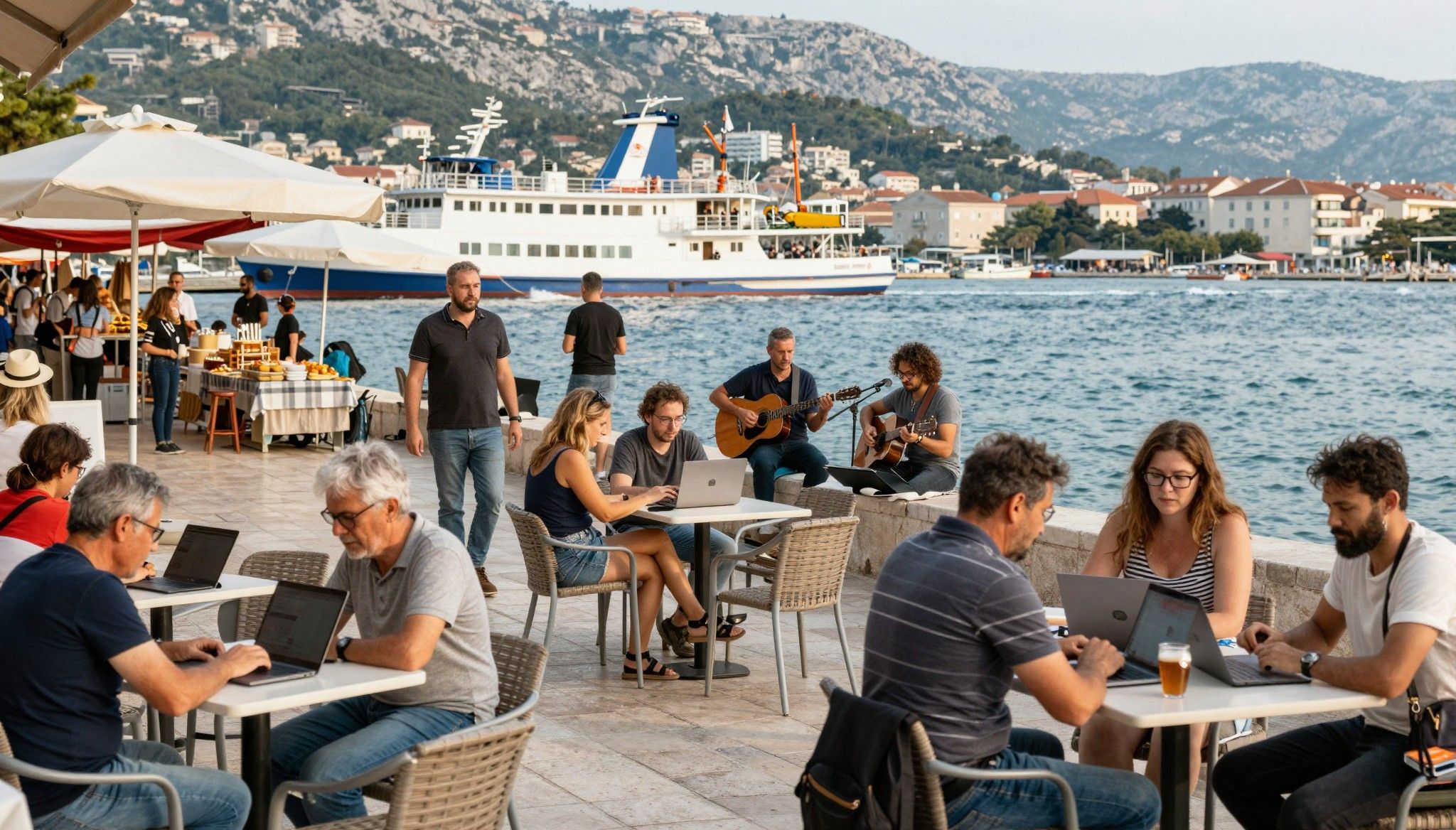
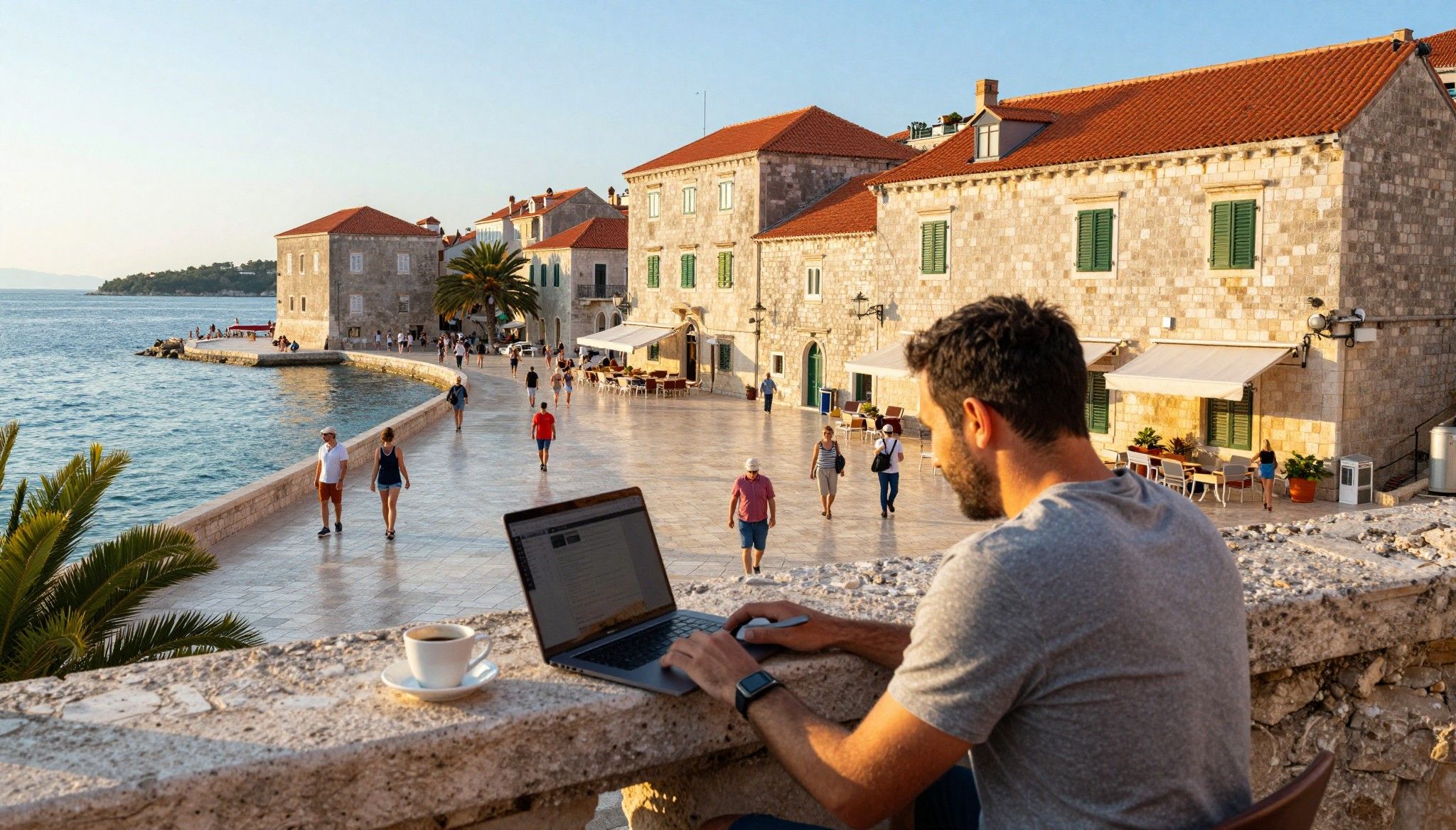
Imagine stepping out for morning espresso on Split’s Marmont Street, then opening your laptop at a sea-facing café where the Wi‑Fi is solid and the conversation is in three languages. That everyday scene is why Croatia feels like a life upgrade: Mediterranean light, lively local markets, and compact historic centres that actually reward walking. But that dreamy image needs a reality check — title searches, reciprocity rules for non-EU buyers and shifting price trends influence whether the dream becomes a secure purchase. This piece blends the sensory joy of living in Croatia with the exact legal and due‑diligence moves international buyers should make, with sources so you can follow every step.
Living Croatia: daily rhythms, neighbourhoods and tastes

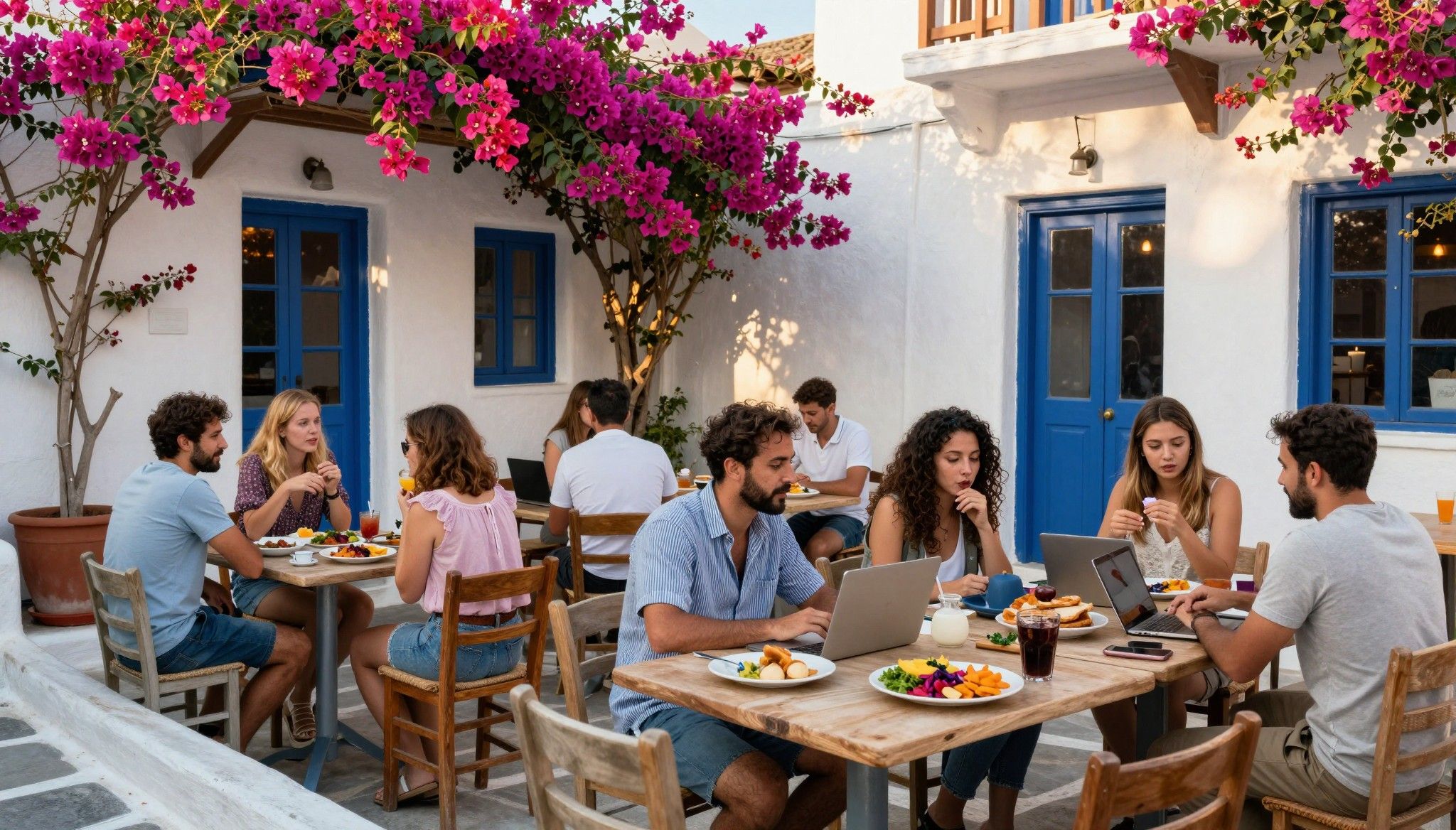
Croatia moves at two speeds: slow and delicious along the coast, brisk and creative in cities like Zagreb. Weekends are market mornings (think fresh anchovies in Hvar, figs in Istria), afternoons on pebble beaches or in tiny konobas, and evenings that favour long, social dinners. The coast’s stone houses and terraces define the aesthetic, while inland towns offer olive groves, truffle routes and quieter renovation projects that reward patience. If you crave a place where the neighbourhood knows your coffee order, Croatia delivers — but your property search must match the local tempo: seasonal tourism patterns shape rental demand and year-round services.
Split & Veli Varoš: beachside work-life with an old‑town heartbeat
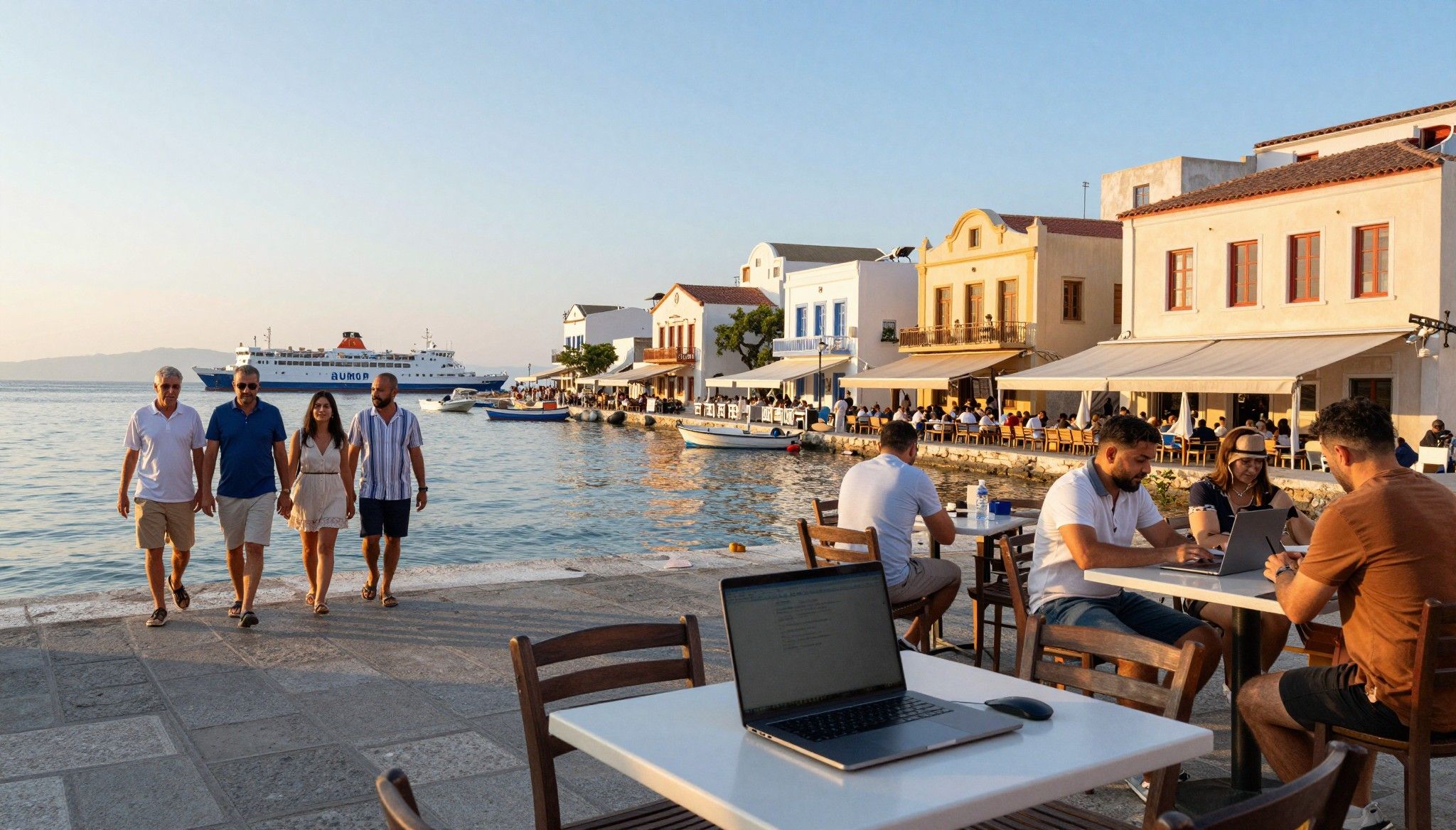
Picture a one‑bed tucked into Veli Varoš with a balcony view of the marina: walkable to coworking spaces and a ferry hop to islands for Friday afternoon escapes. The vibe is small‑city Mediterranean — espresso bars at dawn, fishermen’s stalls, and a lively expat-meets-local café scene that supports remote work. For buyers, this area often means converted stone apartments with thick walls (great for summer heat) but check for retrofits: insulation, electrical rewiring and reliable broadband are the fixes that make historic charm liveable as a full‑time remote office.
Istria’s hill towns & Rovinj: food, wine and long‑season living
Istria mixes Truffle festivals, family-owned trattorias, and countryside villas that feel like living inside a postcard. Towns like Motovun and Grožnjan lure slow‑living buyers who prioritize local produce, vineyard views and community festivals. These areas are a reminder that lifestyle-first purchases should still include due diligence — check land registry notes for easements on agricultural plots and confirm access roads that can be seasonal.
- Lifestyle highlights to scout in person
- Morning market routines — Dolac Market (Zagreb) or Pazar in Split; great indicators of neighbourhood life
- Local cafés with reliable Wi‑Fi — the easiest test for remote‑work days
- Seasonal ferry/transport timetables — essential if you plan island weekends or short‑term rentals
- Neighbourhood services (pharmacy, doctor, bakery) — small conveniences that determine livability off‑season
Making the move: practical legal checks that protect your lifestyle
Your lifestyle shortlist narrows into a legal checklist the moment you start signing contracts. EU/EEA citizens generally buy on the same terms as locals, while many non‑EU nationals need to confirm reciprocity or obtain ministerial permission — a step that can take weeks unless you plan ahead. Registering ownership in the Land Registry is the legal transfer that matters most, and any hidden encumbrances there can derail a dream home or a rental investment. Always pair neighborhood scouting with a title search and a local lawyer who reads cadastral records fluently.
Property styles and what they mean for daily life
Stone Dalmatian houses, modern coastal apartments and renovated Austro‑Hungarian flats in Zagreb each demand different maintenance and due‑diligence priorities. Old stone homes look magical but often need up‑to‑date plumbing, damp-proofing and formal building permits for renovations. New builds offer warranties and simpler utility transfers but can sit outside the social fabric you moved for. Match the property type to how you’ll actually live: big terrace for outdoor summers versus compact flat if you’ll be out exploring most days.
Work with experts who double as lifestyle translators
A local agent who knows where the coworking hubs are — and which cafés have backup power — is invaluable. But for legal safety you need: a Croatian lawyer to handle title and contract language, a notary to formalise the purchase, and an accountant or tax advisor to explain transfer tax vs VAT on new builds. These pros translate local red tape into lifestyle decisions: which renovation is realistic, or whether a coastal unit will rent reliably outside July–August.
- Due‑diligence steps that blend lifestyle and legal safety
- 1. Order an official land‑registry (ZK) extract to confirm owner, encumbrances and parcel boundaries.
- 2. Commission a surveyor (geodetic engineer) and check building permits; historic conversions often lack paperwork.
- 3. Verify seller identity and outstanding utilities/taxes with your lawyer before signing a pre‑contract.
- 4. Confirm residency implications: buying doesn’t equal permit to live — plan visas or digital‑nomad residency separately.
Insider knowledge: market signals, red flags and timing myths
Prices in Croatia climbed strongly through 2022–2024, but activity cooled in 2025 as transactions fell — a reminder that timing a purchase to a single headline is risky. The real contrarian move? House‑hunting in shoulder seasons (late spring or early autumn) when agents have time to show you real inventory and you can inspect off‑season life. Beware of the 'summer illusion' — a bustling July doesn’t mean year‑round vibrancy, and some tourist‑heavy spots thin out hard in winter.
Common red flags locals wish foreigners knew
Title anomalies spotted in the Land Registry, missing building permits on renovated stone houses, and unclear access rights (shared driveways, quayside easements) top the list. Also watch for staged rental income claims from sellers — ask for bank statements or platform calendars if rental yield matters to your plan. Finally, always confirm taxes: resale purchases usually carry a 3% transfer tax, while new builds can be subject to VAT — these change the math for rental and long‑term ownership.
Longer view: life after you buy
After closing, integrate by joining local groups, frequenting the market, and testing weekday rhythms — that’s how you confirm the decision felt right beyond the listing photos. Property management and local networks are especially useful if you plan to rent the place seasonally; a good local manager protects income and the fabric of neighbourly relations. Over five years, expect the market and community to shift; buy a lifestyle you can live with in low season as well as high.
Conclusion: say yes to the life, but close with checks — and the right team. Love the sound of Dalmatian dinners, the smell of pine on island hikes and the slow Saturday markets? Great. Now pair that desire with a lawyer who reads cadastral notes, a surveyor who walks the boundaries, and an agent who knows where the real neighbours live. Those people turn a dreamy Croatian lifestyle into a safe, lasting home.
British expat who moved from Manchester to Mallorca in 2017. Specializes in market analysis and helping fellow Brit navigate local regulations.