Croatia: Love the Life, Lock the Title
Fall for Croatia’s daily rhythms—but do title checks first: coastal prices rose recently, and smart buyers pair lifestyle scouting with cadastral, permit and reciprocity checks.

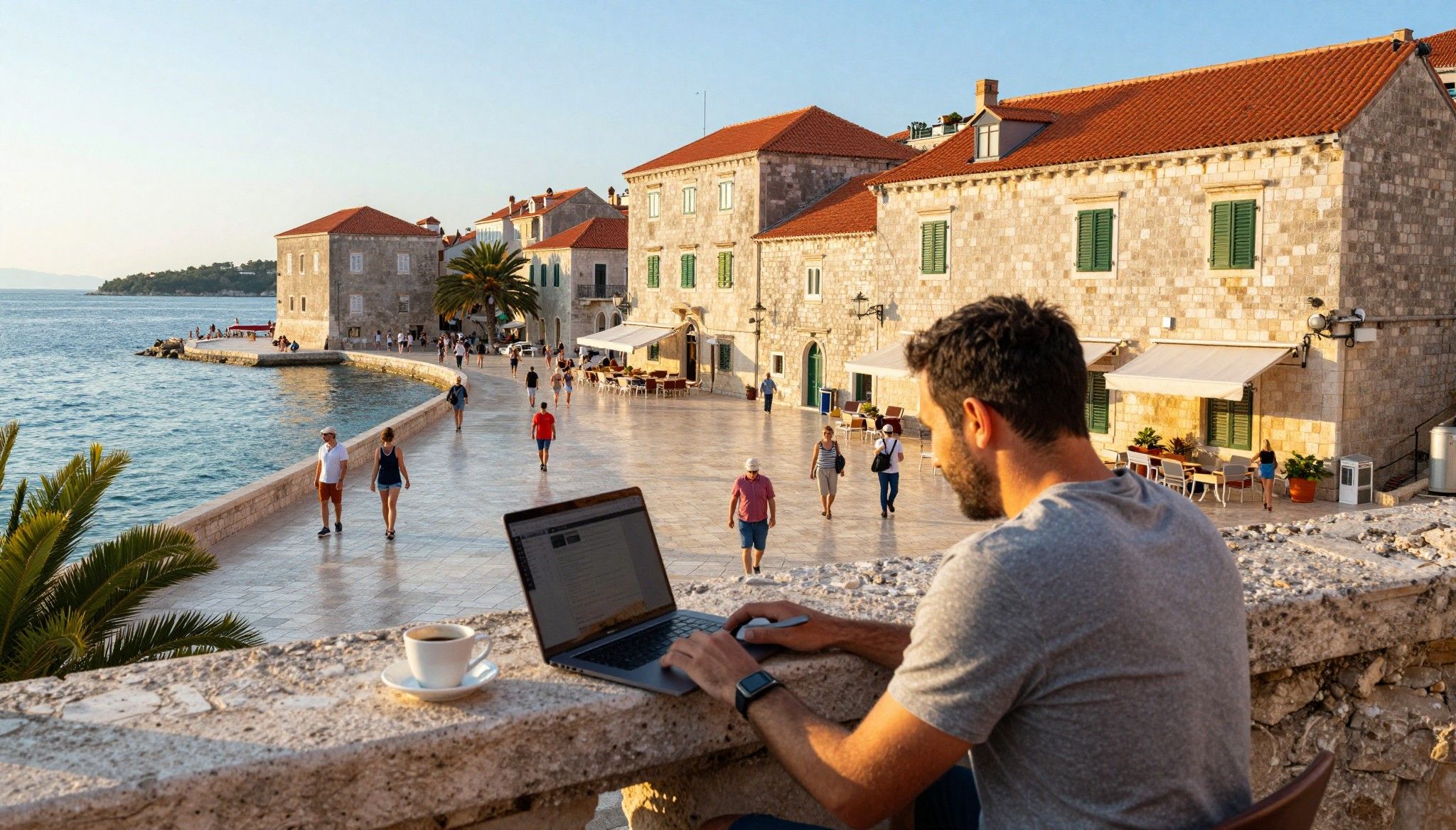
Imagine sipping espresso in Zagreb’s Tkalčićeva at sunrise, then swapping the city hum for the Adriatic breeze off Split’s Riva by afternoon. Croatia feels like a stitched-together postcard: Venetian alleys, pine-scented islands, and neighbourhood bakeries where everyone knows your name. For international buyers the romance is real — but so are legal landmines if you skip the right checks.
Living the Croatia lifestyle
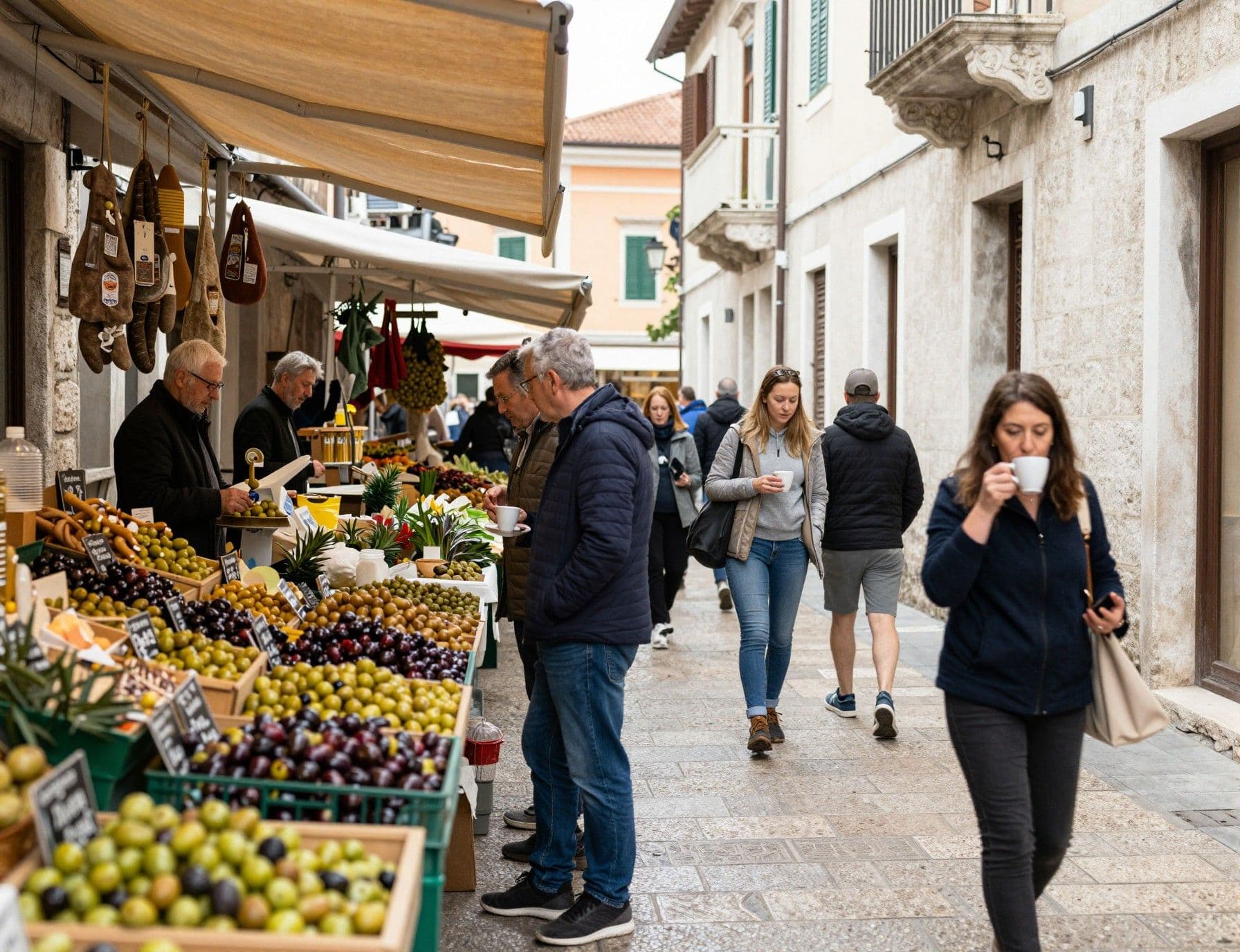
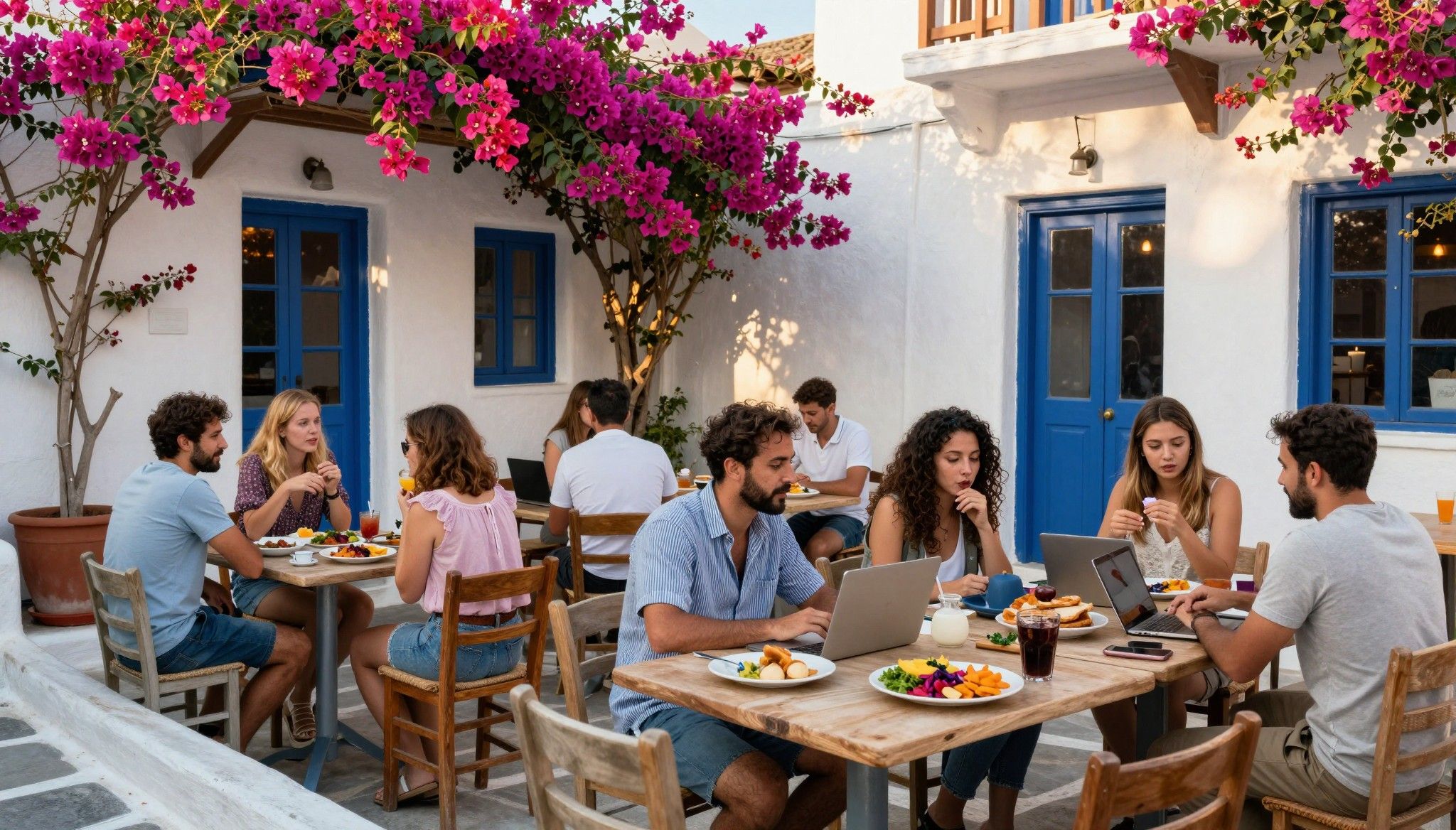
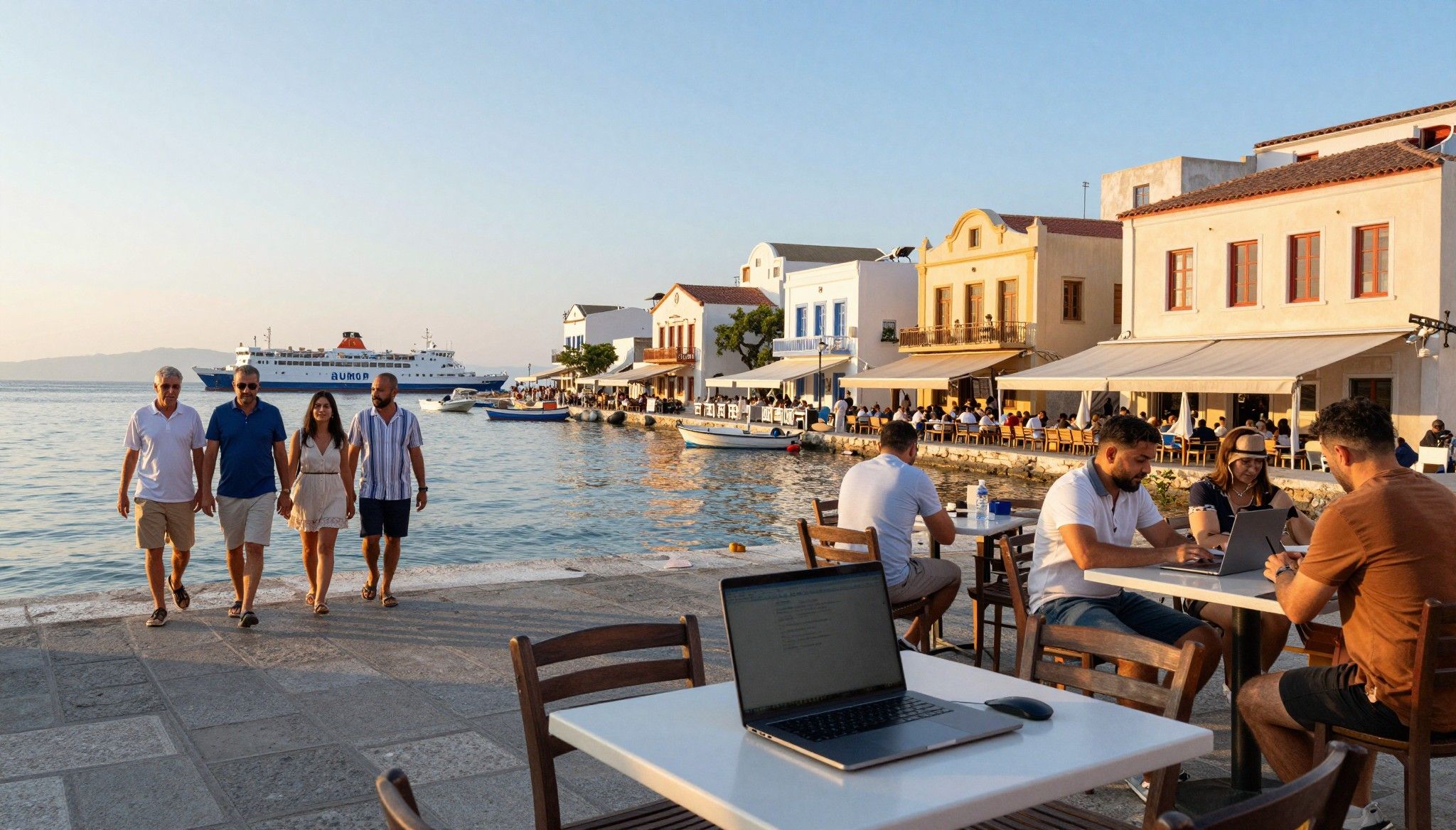
Croatia’s daily rhythm shifts with geography. Zagreb moves at café-and-coworking speed, Rijeka and Zagreb suburbs hum with local markets and museums, while coastal towns—Rovinj, Split, Hvar, Dubrovnik—pivot between quiet winters and electric summers. Expect outdoor living: terraces, island ferries, late-night konobas (families-first taverns), and weekends that revolve around markets and sea-swims.
Neighborhood spotlights: Where life actually happens
Tkalčićeva in Zagreb is walkable, buzzy, and perfect for remote days in cafés; Bačvice and Varoš in Split give you morning swims and evening seafood; Rovinj’s old town rewards slow living and artists’ markets. On islands like Hvar or Brač, properties trade on views and community more than square metres—expect seasonal peaks in vibe and price.
Food, seasons and the small rituals
Picture weekend markets piled with pršut, olives, and fresh fish; autumn chestnut festivals inland; summer open-air concerts on waterfront promenades. These rituals shape how life feels—and what you want from a property. A courtyard flat in Dubrovnik gives you summer social life; a renovated stone house in Istria gives year-round calm and proximity to truffle routes.
- Lifestyle highlights: local cafés, hidden coves, and must-try spots - Espresso at Cogito Coffee in Tkalčićeva (Zagreb) - Morning dip at Bačvice beach (Split) - Sunset aperitivo along Rovinj’s harbour - Farmers’ market in Dolac (Zagreb) - Island ferry trips from Split to Hvar/Brač
Making the move: practical considerations that protect the lifestyle

Romance gets you looking; due diligence gets you living there without nightmares. Croatia’s property market rose sharply in recent years—coastal prices climbed fastest—so timing, title checks and the right local experts are everything. Official guidance from Invest Croatia and local tax reports show both strong demand and tightening supply in popular coastal counties.
Property types and what they mean for daily life
Stone houses with terraces let you live outdoors but may need seismic upgrades; new-build apartments offer warranties and easier maintenance but can sit in tourist zones; mainland family homes give space and year-round community. Match property style to routine: choose central, walkable apartments if you want cafés and coworking; pick islands or coastal villas if you value views and quiet off-season.
Who you need on your team
Hire a Croatian-speaking lawyer familiar with the land register (Zemljišna knjiga) and cadastral extracts, a licensed notary for contract execution, and a local estate agent who actually knows the neighbourhood—not just listings. For non‑EU buyers, confirm reciprocity rules or consider purchasing through a Croatian company to remove restrictions. A trusted accountant clarifies transfer taxes and VAT implications up front.
- Practical priority checklist (blend of lifestyle + legal steps) 1. Visit neighbourhoods at different times (morning market, evening nightlife) before making offers. 2. Order title searches and cadastral extracts; confirm legal parcels and encumbrances. 3. Have a lawyer read the pre-contract and check seller identity plus mortgage liens. 4. Verify building permits and renovation history for older stone houses. 5. Budget for transfer tax, notary fees, and local utility reconnections.
Insider knowledge: expat confessions and legal red flags
Expats often tell the same story: they fell for a seaside apartment, paid a deposit, then faced missing permits or municipal pre-emption rights. Market data shows transactions dropping while prices stay high—meaning you may pay a premium for the “right” location but face longer search times. Look beyond glossy photos: ask for original permits, energy diagnostics, and the exact cadastral parcel number.
Common legal red flags and how to spot them
- Red flags to flag immediately: - Seller can’t produce a current Zemljišna knjiga extract or shows inconsistent parcel numbers. - Unresolved mortgage or lien noted in the land registry. - No building permit for recent renovations or added terraces. - Complex joint inheritance ownership without clear heirs (common in old stone houses). - Ambiguous access rights to roads or shared courtyards.
What expats wish they’d known
Buyers who rushed missed out on off-season negotiation leverage; those who polished their offer with proof of funds and a clear legal team closed faster. Also: local relationships matter. Neighbourhood concierges (shop owners, marina managers) often tell you more about community life than listing descriptions. Build those connections early—visit markets, say hi, and you’ll find who’s selling before a listing appears.
Ready to turn daydreams into deeds? Start with a short reconnaissance trip—walk the streets at dawn, talk to locals, and hire a lawyer to pull the title before you ever sign. If you want help finding neighbourhoods that match your lifestyle and legal protection that keeps the dream intact, a local agency that acts like a friend (not a salesperson) is the fastest way to get there.
Swedish, relocated to Marbella in 2018 to chase sun and property freedom. Focus on legal navigation and tax for Nordic buyers.