Buying in Cyprus When Title Deeds Are Missing: A Plan
How to buy in Cyprus when title deeds are messy: lifestyle-first advice plus a lawyer-led due-diligence plan and concrete checks you can do before you fall in love.

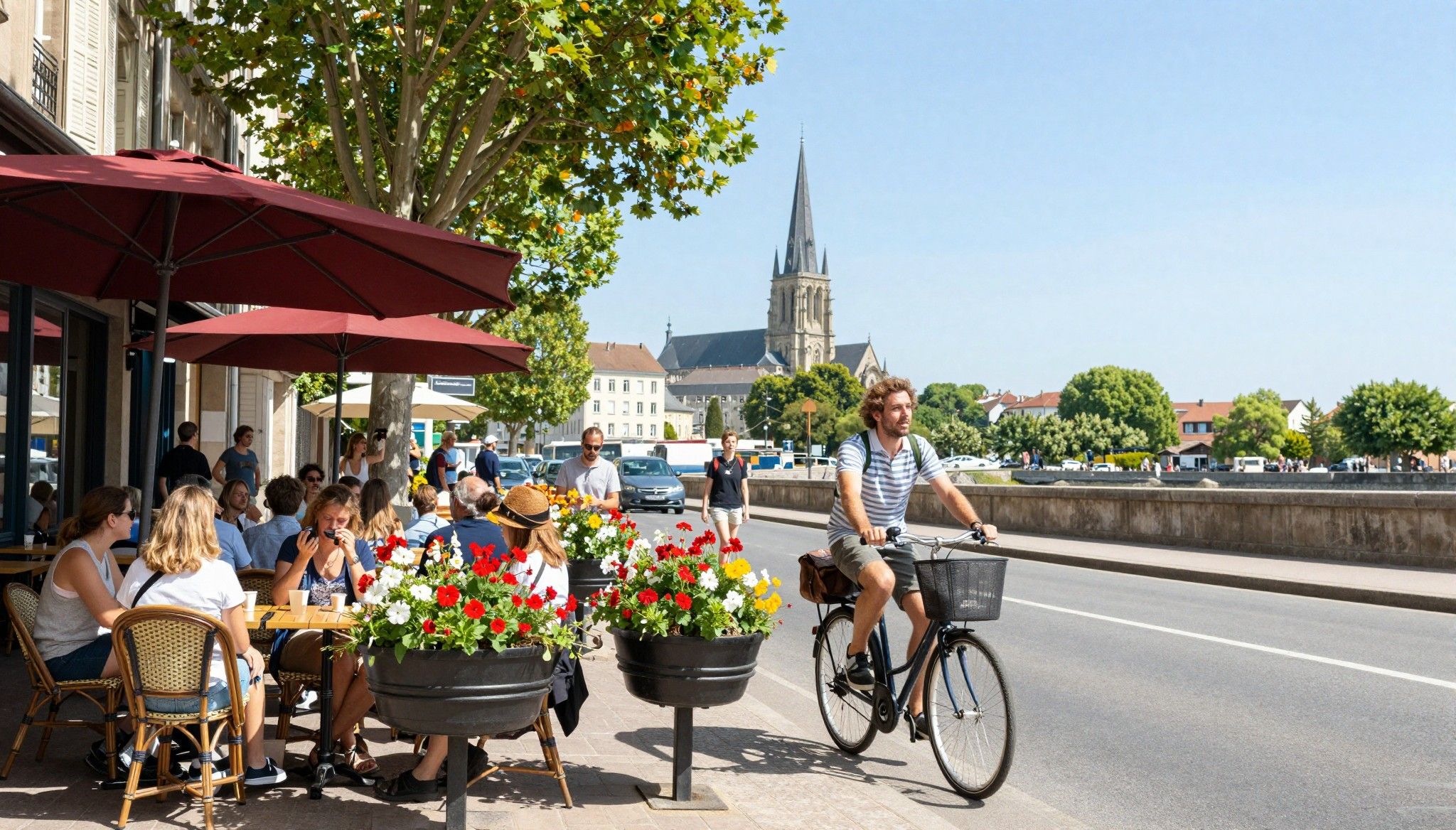
Imagine sipping an espresso under bougainvillea on a narrow street in Limassol, then opening your laptop at a beachside café with fast Wi‑Fi. Cyprus feels small and sun-drenched, but its property paperwork can be surprisingly messy — and that matters. According to recent government guidance, foreign buyers must often navigate Land Registry rules and permissions before they sign anything.
Living the Cyprus life — sun, sea and village rhythms

Cyprus is a patchwork of experiences. In coastal towns you trade morning markets and sea swims for sunset tavernas; inland, mountain villages move at a slower pace with vineyards, halloumi-making and weekend festivals. The everyday soundtrack is scooters, laughter in tavernas, and church bells on Sundays. That rhythm shapes what kind of property suits you — a seafront apartment for daily surf-and-work routines, or a stone village house if you crave quiet and community.
Neighbourhood flashes: Limassol, Paphos, Larnaca, Troodos
Limassol’s Old Town and Agios Tychonas offer cafe terraces and coworking meetups. Kato Paphos hums with seaside life and archaeological corners; Peyia and Coral Bay have apartment communities that rent well to holiday guests. Larnaca’s Finikoudes is endlessly walkable, with waterfront cafes and a reliable expat social scene. Higher up, Troodos villages like Platres promise cooler summers and a different pace — great if you want weekends in nature.
Food, markets and daily life
Weekends mean farmers’ markets (look for fresh olives and halloumi), seaside meze after sunset, and community festivals where everyone chips in. These rituals influence what buyers want: proximity to markets, a balcony for long dinners, or a courtyard for plants and gatherings. Those lifestyle choices intersect with legal realities — some village properties are charming but have tangled titles or planning issues.
Making the move: practical checks that protect the life you want

Before you fall in love with a terrace view, treat the title deed like the key to your future life there. Cyprus’s Land Registry is central to ownership, and recent guidance highlights mandatory checks buyers must request. A quick legal check saves months of headache — and keeps your nomad routine uninterrupted.
Property types and how their paperwork differs
New builds, resale apartments and village stone houses come with different risks. Developers should provide recent Land Registry search certificates, while older homes might lack registered title deeds or have boundary discrepancies. Expect developers to have faster transfer processes; with resale properties you must dig into historic registrations and any encumbrances.
Work with a lawyer who actually knows Cyprus rhythms
You need a local lawyer who’ll order Land Registry searches, check planning permission, confirm utility accounts, and confirm whether the seller holds a registered title or only an unregistered possession right. Ask for an independent lawyer (not the developer’s) and insist on written findings. A good lawyer replaces guesswork with clear next steps.
- Must-do due diligence checks
1. Land Registry Search Certificate (recent, <5 working days when possible). 2. Verify title deeds or Explain absence and registration timeline. 3. Check for mortgages, liens or pending court cases. 4. Planning/permits and whether an as-built matches plans. 5. Confirmation of utility accounts and municipal tax status. 6. For non‑EU buyers: permission to acquire immovable property and any size limits.
Insider knowledge: common red flags and the lifestyle trade-offs
Here’s the honest expat talk: a cheap village fixer-upper might look romantic, but missing deeds, unclear boundaries, or unapproved extensions can tie up your life — and your money. Conversely, a modern Limassol apartment with smooth paperwork can mean instant rental income and easy travel. Decide which risk matches your timeline and tolerance.
Red flags that should pause a viewing
- Seller refuses a Land Registry Search; no documented plan approvals for extensions; multiple unregistered owners named informally; a property sold 'as seen' with no contract deposit registered; utility meters not in seller’s name.
A simple 6-step plan to buy with confidence in Cyprus
- 1) Reserve the property with a written offer and small deposit; 2) Instruct an independent Cypriot lawyer to run Land Registry and planning searches; 3) Confirm seller’s title and any encumbrances; 4) Get Council of Ministers permission if you are a non‑EU national; 5) Register the contract at the Land Registry to create Specific Performance rights; 6) Complete transfer with payment of VAT or transfer fees and get the deed issued in your name.
Timing tips for nomads
If you need to start renting out or working from the property quickly, prioritise listings with clean, transferable title deeds and recent Land Registry certificates. If you’re comfortable with renovation timelines, a property with delayed deeds can be OK — but budget extra time and legal fees.
Conclusion: fall in love first, check the deed second. Cyprus gives you sunlit terraces, lively tavernas and villages where neighbours become friends. But the key to enjoying that life is paperwork that actually lets you live it. Start with an independent lawyer, a fresh Land Registry search, and a clear plan for non‑EU permissions if needed. That way you protect the lifestyle you crave — and the investment behind it.
Norwegian who has helped 200+ families relocate from Oslo to Spain; expert in relocation services and community integration.