Terraces, Taverns & Title Deeds: Buy in Cyprus with Confidence
Fall for Cyprus’s terraces and tavernas — but protect the life you want with title checks, permit reviews and lawyer-led registration steps backed by local data.

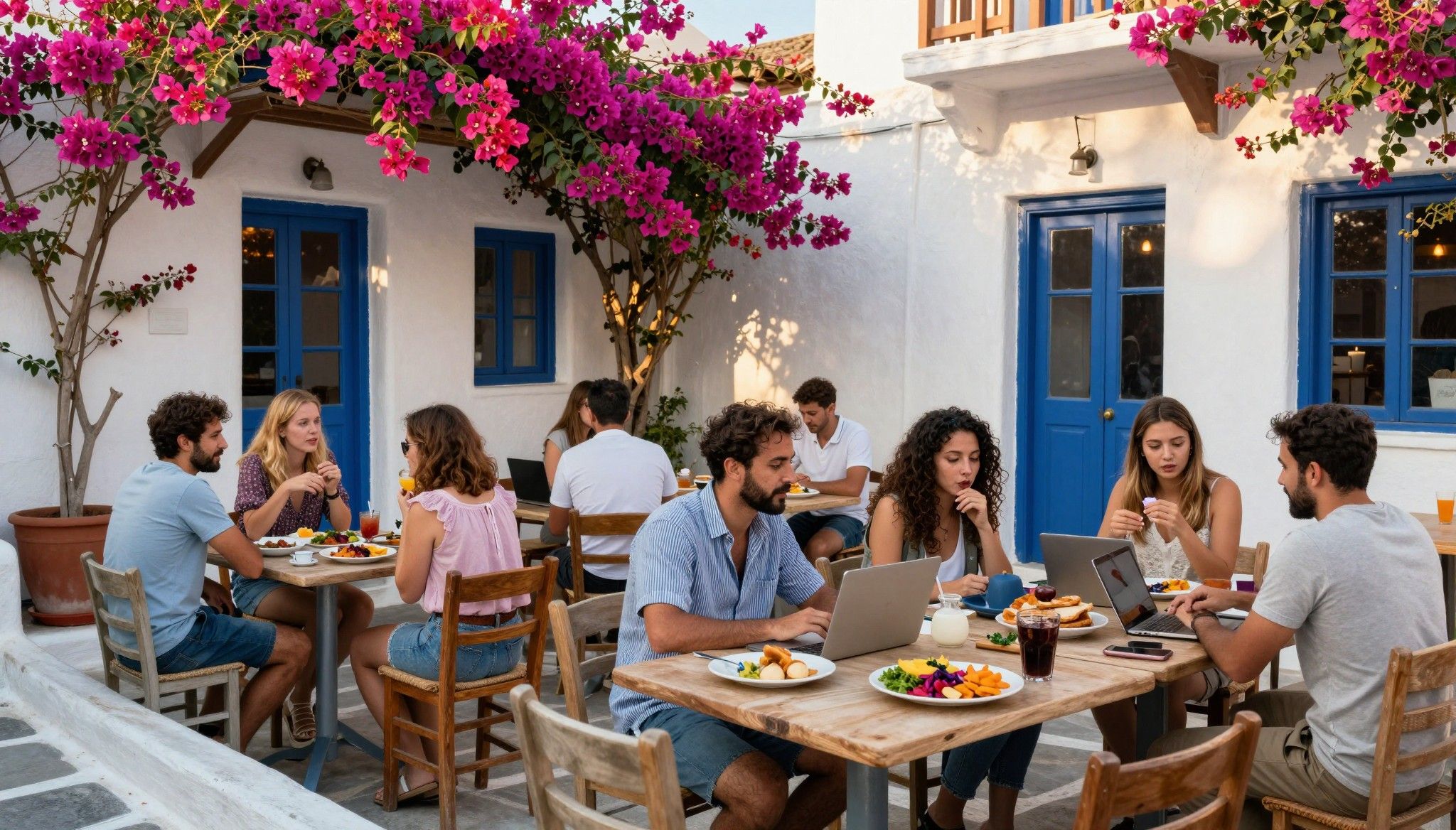
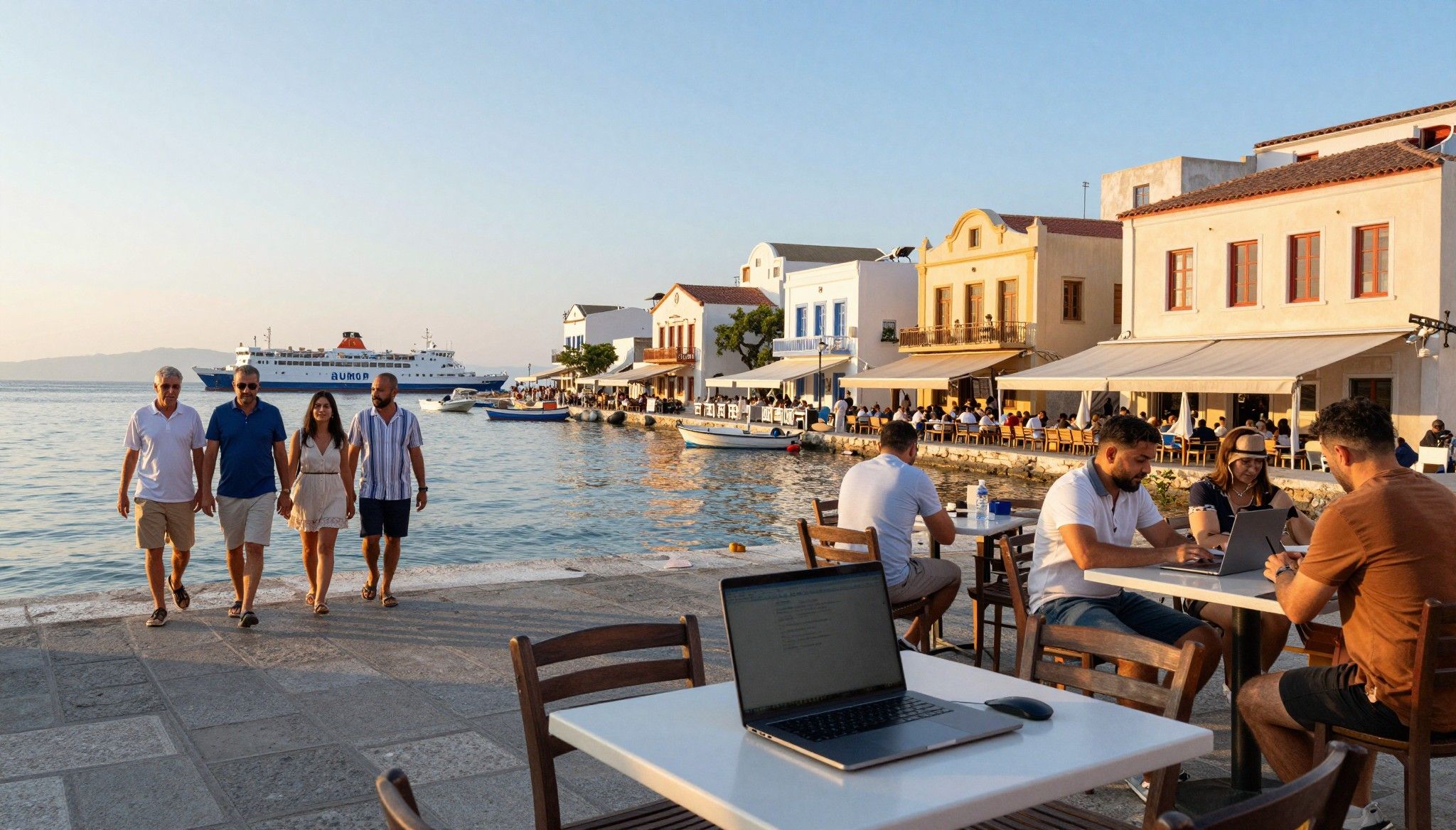
Imagine sipping an espresso on a sunlit terrace in Limassol while your laptop hums gently and the sea sparkles two streets away. Cyprus moves at a Mediterranean rhythm — cafés at dawn, tavernas at dusk, bicycles and scooters sharing narrow lanes — and that rhythm should guide every legal check you make before you buy.
Living Cyprus: daily life, neighbourhood colour and seasonal rhythm
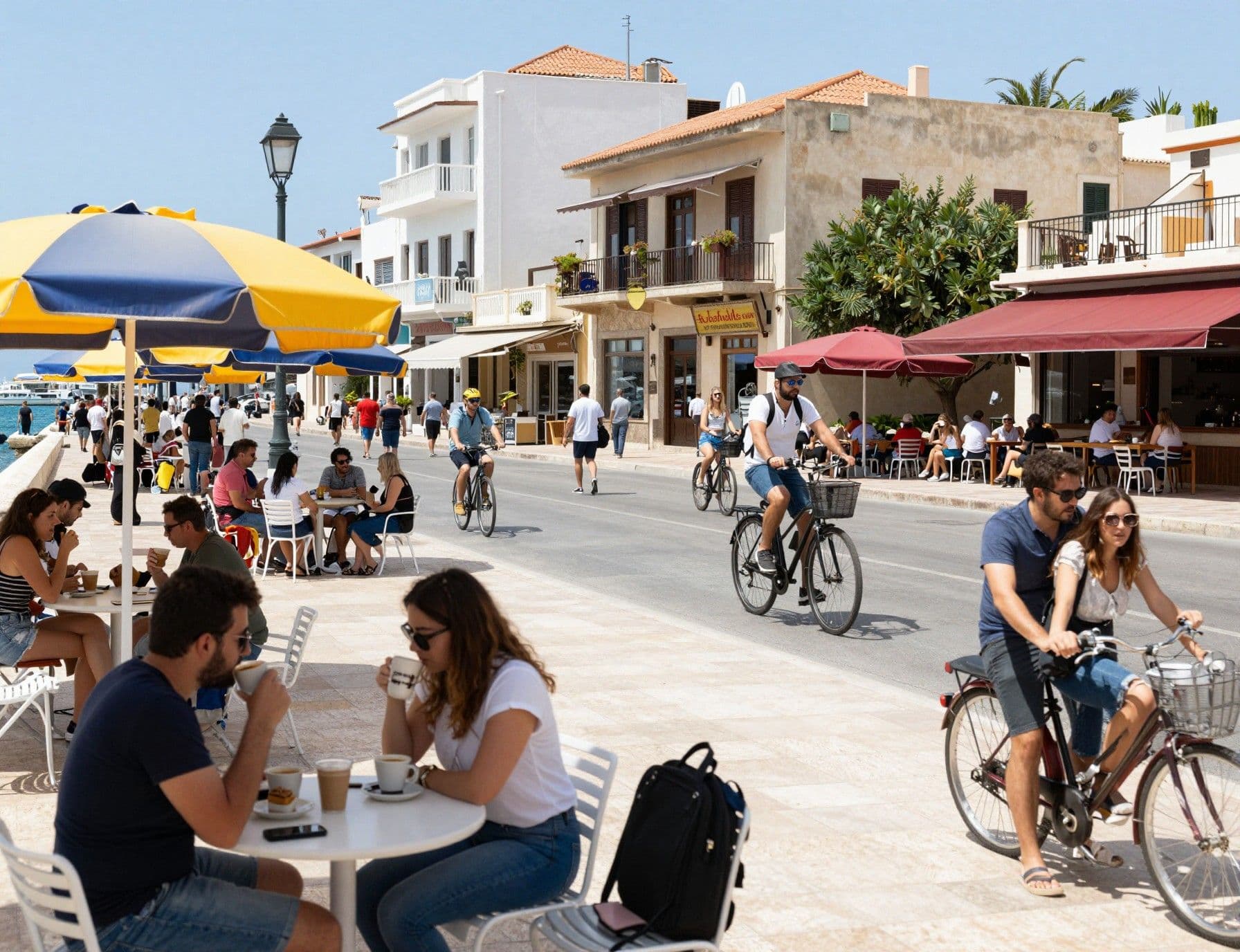
Cyprus is bright, human-sized and tactile. In Nicosia you’ll find narrow streets where coffee spills into conversation; in Paphos there’s archaeology, sea breezes and a slower weekend tempo; Limassol mixes yachts with coworking spaces and a surprisingly young foodie scene. Summers mean beach offices and vibrant promenades; winters bring hiking in the Troodos and cosy village tavernas where locals still greet you by name.
Neighbourhood spotlight: Limassol’s Molos to old town lanes
Picture morning runs along Molos promenade, coworking afternoons in Germasogeia, and aperitivos in Limassol Old Town’s hidden plazas. These micro-areas balance coworking access, cafés with fast Wi‑Fi and apartment stock that suits remote work — short commutes, walkable services and terraces for evening sea breezes.
Food, markets and hidden daily pleasures
From Nicosia’s Ledra Street bakeries to Paphos’ municipal market stalls, food anchors life here. Weekends mean mezze with halloumi, fresh fish straight from local boats, and village festivals (panigyria) where community and hospitality are on full display — priceless for anyone buying a home to actually live in.
- Lifestyle highlights: Molos promenade (Limassol), Ledra Street cafés (Nicosia), Coral Bay sunsets (Paphos), Troodos hiking trails, Larnaca Salt Lake birdwatching, local tavernas with nightly live music.
Making the move: practical legal checks that protect the lifestyle

Your terrace mornings and market evenings depend on clean title, correct permits and tax compliance. Cyprus uses a central Land Registry system — verify title deeds, confirm planning permits, and ensure any developer guarantees are documented before you finish the purchase.
Property types & what they mean for everyday living
Apartments dominate coastal markets; village houses appear in the interior. Apartments give you a lock-and-travel life with onsite maintenance; traditional stone houses offer space and authenticity but often need legal and structural due diligence. Match the property type to how you want your day to look — café commute versus garden mornings.
Work with local experts who speak both law and lifestyle
- 1. Hire a Cyprus-qualified lawyer to check title, planning permits and tax clearance. 2. Commission a local structural and building inspection. 3. Confirm utility connections and broadband options for remote work. 4. Register the sale agreement with the District Lands Office (to protect your deposit). 5. Arrange tax clearance and understand withholding rules on transfers if the seller is non‑resident.
Insider knowledge: red flags, cultural context and long-term thinking
Expats often tell the same story: they fell for the view, skipped a legal check, and later spent months untangling title problems. In Cyprus, avoid properties with unclear title history, unregistered extensions, or listings marketed from the north without clear legal status.
Cultural integration: how local customs shape buyer expectations
Cypriots value personal relationships. A trusted lawyer or agent who knows the local builders, the municipal planning officers and the neighbourhood tavernas will accelerate checks and surface hidden issues — from drainage problems after heavy rains to informal rooftop rooms never permitted.
Long-term practicalities buyers often miss
- Considerations for sustainability and resale: 1) Energy certificates and near‑zero building standards, 2) Flood and coastal erosion risk for seaside plots, 3) Company-ownership layers that obscure true sellers, 4) Local rental demand seasonality if you plan to let the property.
Before you sign: ask your agent and lawyer to show you the registered title deed, recent planning permissions, and proof of tax clearance. If anything looks handwritten, missing or vague — pause. Register the sale agreement with the Land Registry as a defensive step and confirm how quickly the seller can produce the deed.
Quick checklist to close with confidence
- 1. Lawyer verifies title and planning permits. 2. Surveyor inspects structure and utilities. 3. Contract lodged with District Lands Office. 4. Tax clearance and any CGT or VAT matters settled. 5. Transfer at Land Registry and deed issued to your name.
Buying in Cyprus unlocks terrace mornings, seaside workdays and village festivals. Do the legal homework and you keep the lifestyle — skip it and the dream can become a long, costly story. Start local: talk with a Cyprus-licensed lawyer and an agent who lives the neighbourhood you want to love.
Danish investor and relocation advisor focusing on Portugal and the Algarve; loves coworking culture and expat networks.