Fall for France — Check Title & Diagnostics First
Fall for France — then verify title, diagnostics and local rules. Practical due‑diligence steps (cadastre, notaire, DPE, broadband) that protect lifestyle and investment.
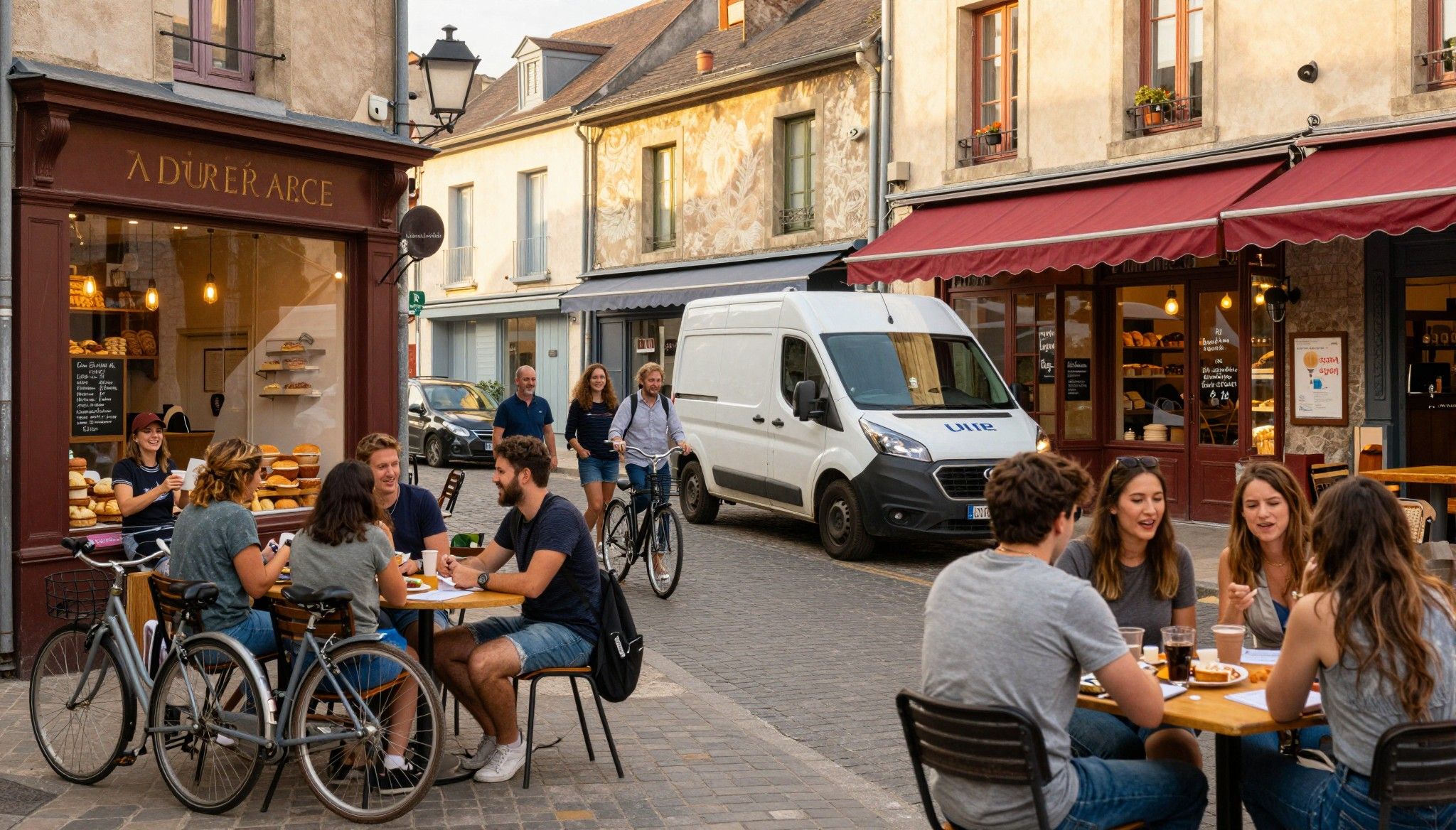
Imagine waking up to a boulangerie on the corner, espresso steam in the square and a weekly marché overflowing with cheese and figs. Buying in France is as much about staking a claim on a lifestyle as it is about signing contracts — which is why the due diligence matters. This guide blends that morning cobble-street magic with the exact legal checks and title steps international buyers should insist on before they fall in love completely.
Living the France life — what you’re actually buying
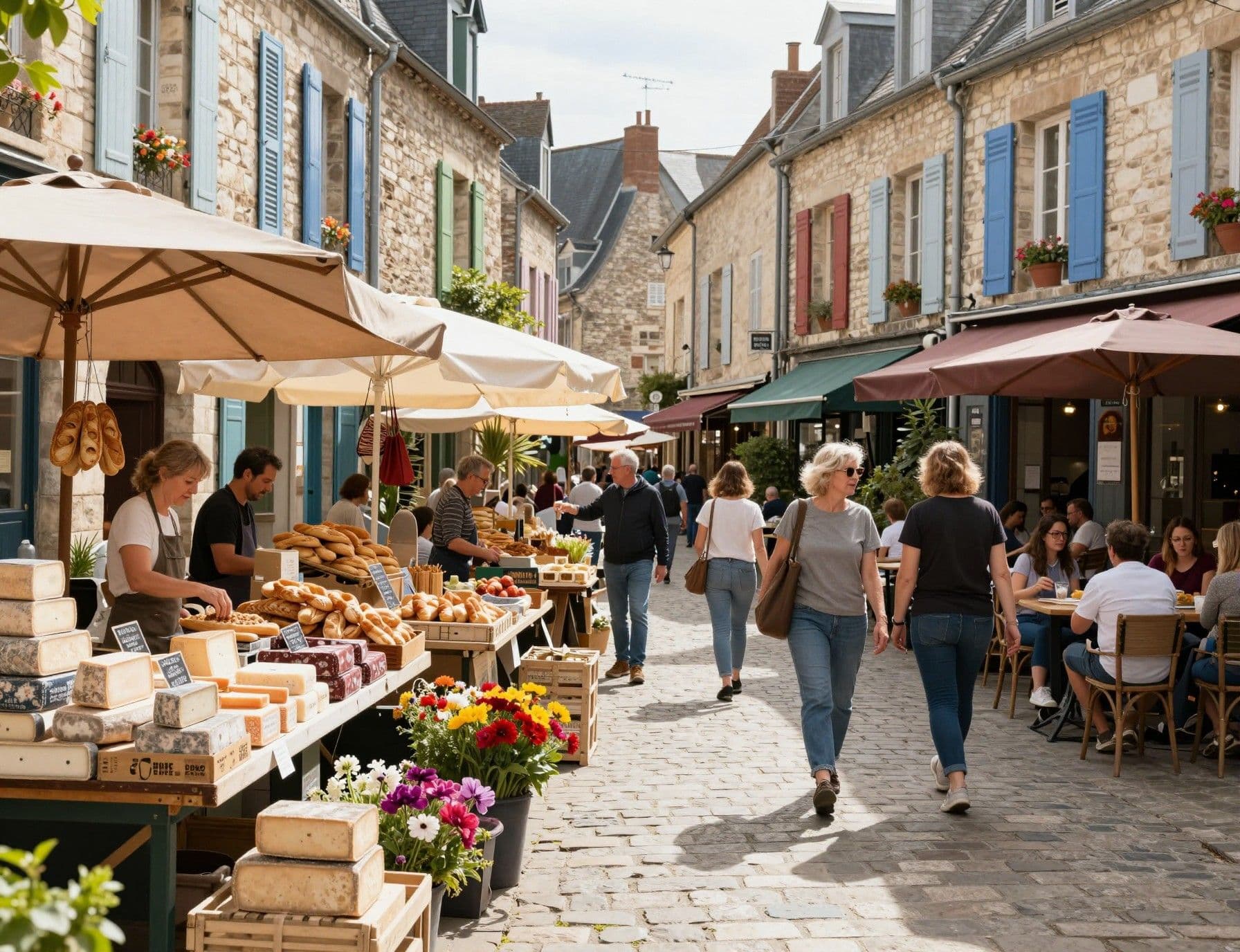
France isn’t one vibe. It’s Parisian terraces, Breton coastlines, Dordogne stone villages and sunlit Provençal lanes. What unites them are rituals: long lunches, lively markets, cosy cafés, and public services that shape daily life. As you picture evenings at a brasserie on Rue des Martyrs or weekend drives through lavender fields, remember those pleasures sit on layers of legal and technical realities that affect price, renovation potential and rental options.
Neighborhood snapshots: What the streets tell you
Walk Saint‑Germain and you’ll spot antiquaires and tiny libraries; stroll Port‑Grimaud and boats feel like back gardens. Each street signals different buyer needs: soundproofing and elevator access matter in Paris arrondissements; insulation, flood maps and viticultural buffers matter in wine regions. Learn the street-level story — cafés, schools and bus routes often reveal hidden constraints like conservation rules or access easements before any formal title search does.
Taste and rhythm: markets, cafés and seasonal life
Seasonality matters. Summer brings terraces and tourists; winter reveals heating bills and insulation weaknesses. Since the DPE energy rules now restrict rentals for low-rated homes, energy performance affects both living comfort and rental prospects. When you pick a village with a lively winter market, ask whether homes are warm without over-reliance on costly heating — it changes your renovation budget and title-related disclosures.
Making the move: practical due‑diligence steps that protect the lifestyle

The romance of a stone house can blind you to small but costly legal issues. Start with a lifestyle checklist — internet speed, proximity to a marché, coworking spots — then run parallel legal checks. French purchases are formal: a notaire (public official) handles the deed and tax registrations. Early legal checks save months of disappointment and unexpected bills when you move in and start living the life you imagined.
Property & title checks every buyer must request
A proper title search (titre de propriété) and a cadastre check reveal boundaries, servitudes and access rights. Don’t assume fences match legal plots. Confirm there are no unregistered easements, rental constraints, or historic protections that forbid the renovations you crave. Your notaire will retrieve land registry extracts; pair that with on-the-ground checks for things like shared driveways and neighbour-built extensions.
Technical reports: diagnostics that matter for living well
Ask for the diagnostics dossier: asbestos (if pre‑1997), termites in southern regions, lead, gas and electrical safety, and the DPE report. These are mandatory for sellers to provide. For nomads planning remote work, also check broadband availability and mobile coverage — a charming hilltop cottage with poor connectivity costs you days of frustration and money spent on upgrades.
Working with local experts — who to hire and why they matter
A fluent notaire is non-negotiable — they’re a public official, not your agent. Add a bilingual solicitor or legal adviser if your French is limited. For lifestyle matching, local agents or relocation specialists can pre-filter neighborhoods by internet, coworking, and community events. Use data (INSEE and Notaires reports) to temper enthusiasm: markets vary by region and recent trends show stabilization rather than runaway price jumps, so a locally savvy expert helps you spot genuine value.
Six-step due-diligence sprint before signing anything
- 1) Get the titre de propriété and cadastre extract. 2) Review mandatory diagnostics and DPE. 3) Ask the notaire for outstanding charges, mortgages or easements. 4) Confirm planning and conservation rules with the mairie. 5) Check broadband using local providers and ARCEP coverage maps. 6) If renting, confirm rental restrictions or short‑term rules.
Insider knowledge: red flags, myths and smart trade‑offs
Myth: 'French paperwork is slow and bureaucratic' — true sometimes, but much of the delay is deliberate protection: registered deeds, public registrations and diagnostic transparency reduce hidden risk. Red flag: sellers who can’t produce the diagnostics dossier or avoid a cadastre check. Another common trap is assuming coastal or tourist towns automatically yield high rentals; local rental rules and DPE ratings often decide long‑term yield more than location alone.
Cultural and legal quirks worth knowing
- France recognises forced heirship — property can pass to children irrespective of wills — which affects estate planning and joint purchases. Also note that condominium syndic rules can limit short‑term lets; the local mairie enforces land‑use and floodplain constraints. These aren’t obstacles, but they are reasons to pair romance with paperwork.
Picture the life: morning markets, late dinners, a desk by the window with a strong wifi signal, and a notaire who has already checked the title. That balance — the sensory joy with legal confidence — is what makes buying in France so rewarding. If you’re ready to move from dreaming to doing, start by ordering the cadastre extract and diagnostics dossier on the first viewing, then book a notaire consult before you make an offer. Small checks now protect big afternoons later.
Dutch investment strategist guiding buyers to Greece and Spain; practical financing, tax, and portfolio diversification.