Lock the Life, Verify the Deed — France Due Diligence
Live French days, then do French due diligence: essential legal checks, DDT, notaire steps and neighbourhood realities to secure the lifestyle behind your purchase.
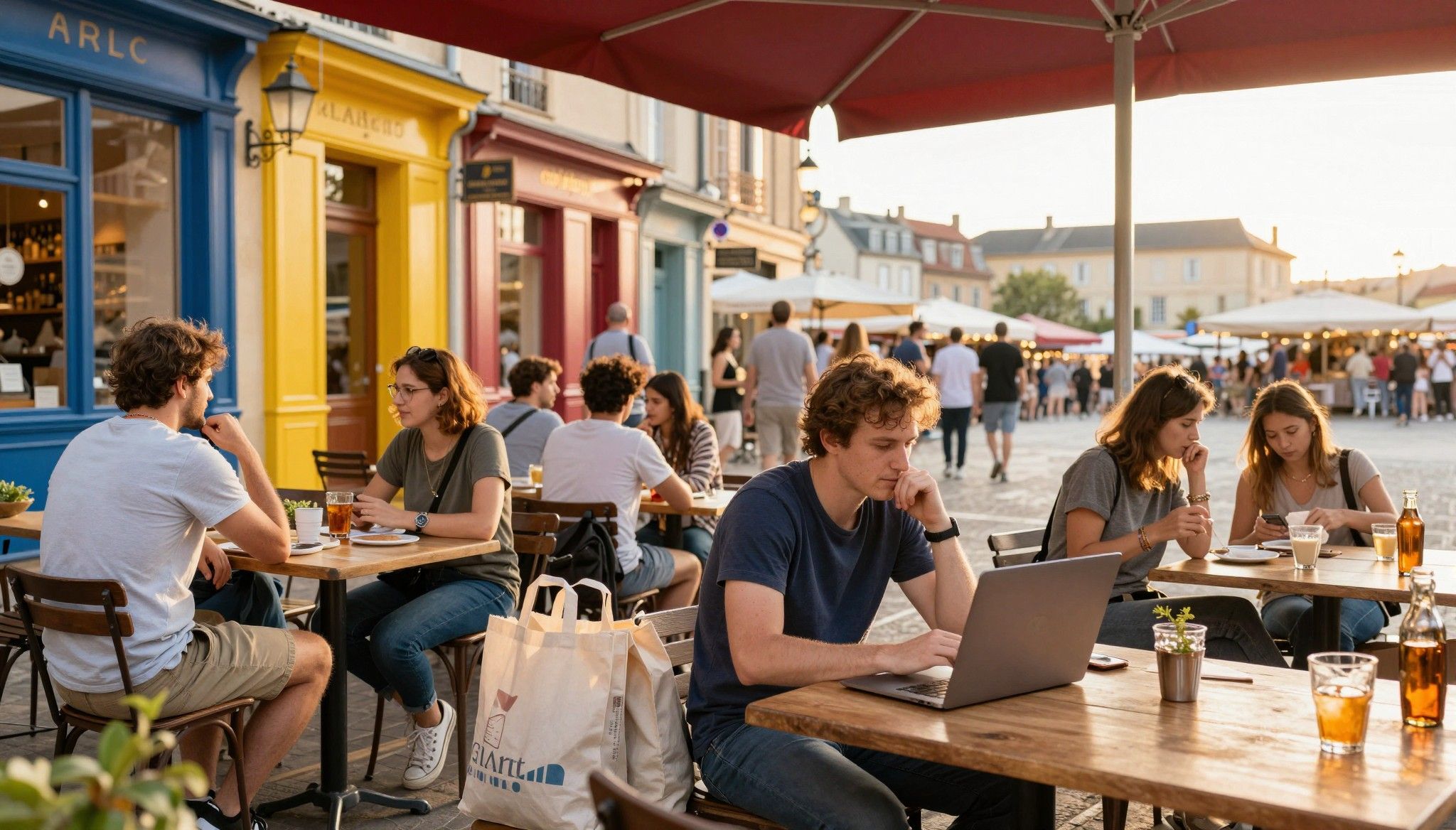
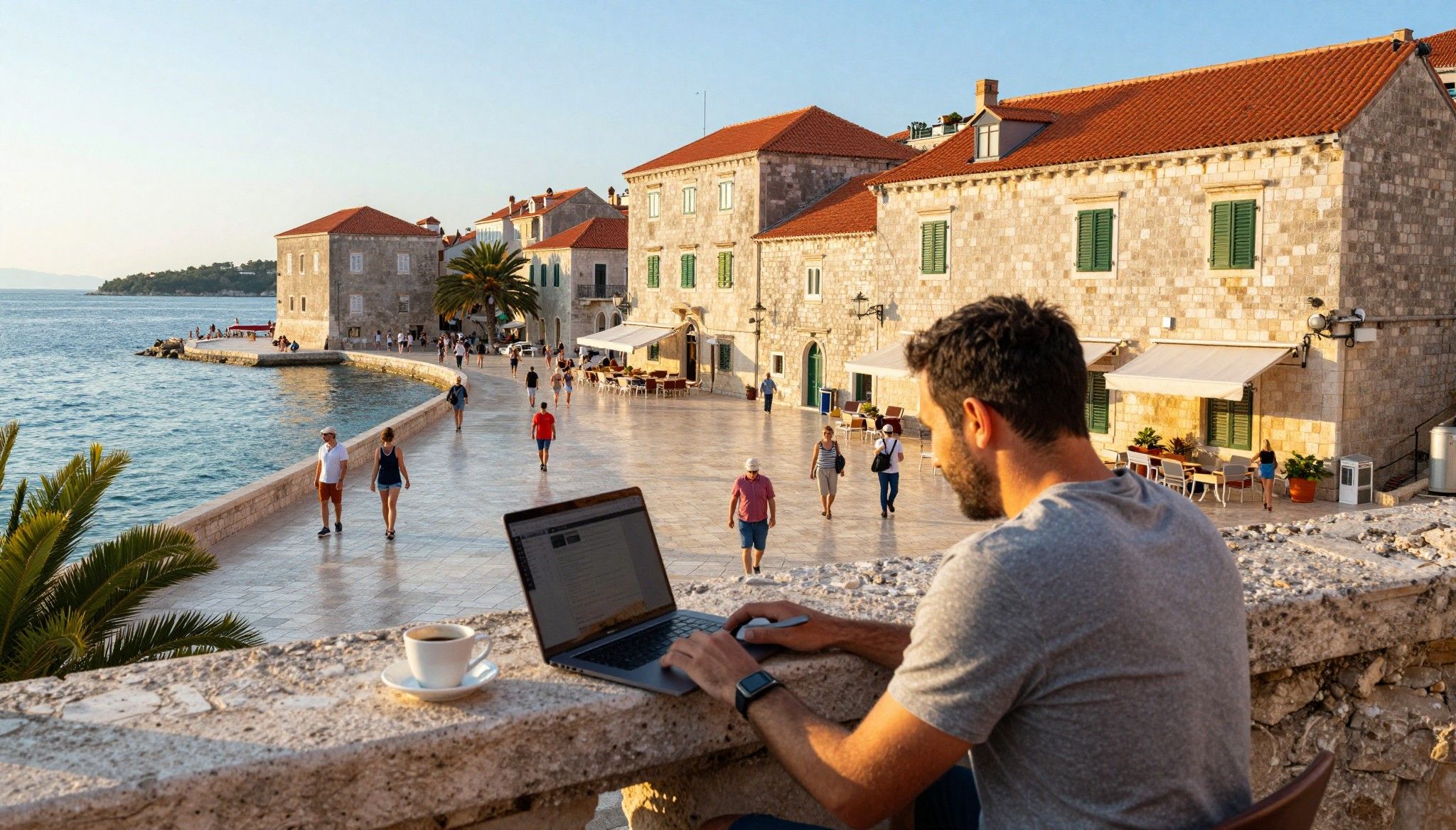
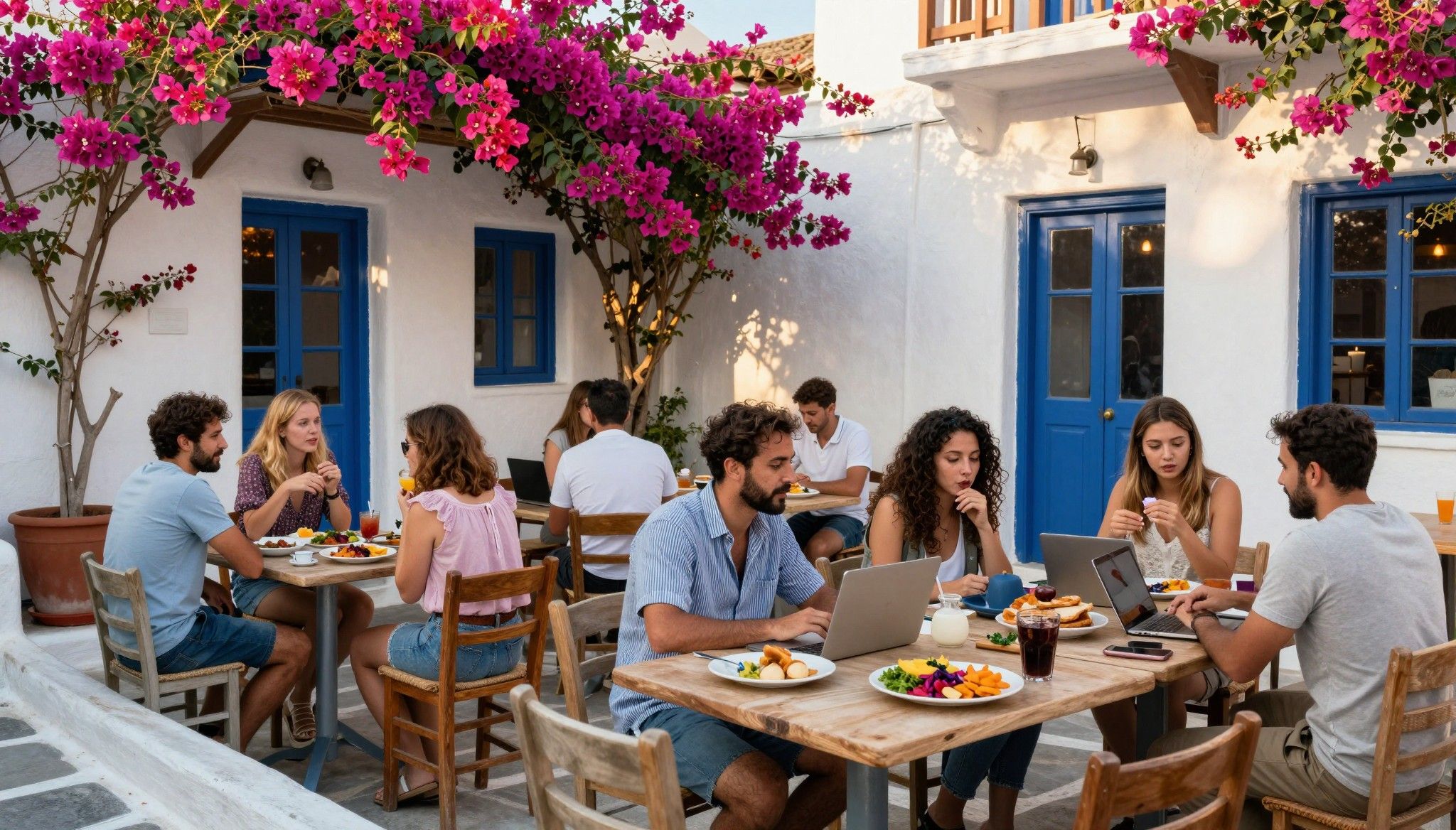
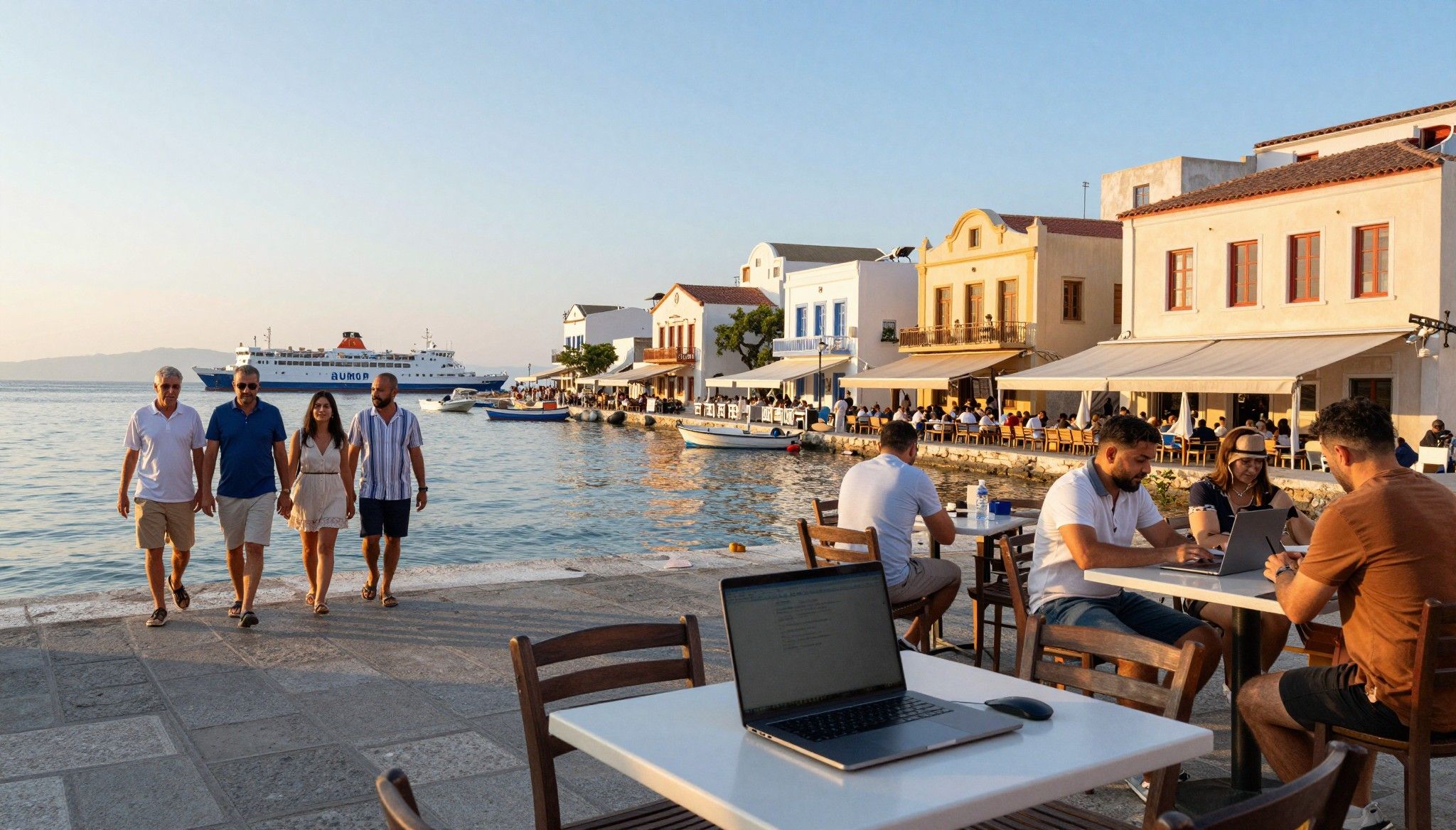
Imagine sipping espresso on Rue Cler, cycling past a marché overflowing with strawberries, then opening your laptop on a sunlit balcony to join a noon standup. That blend of slow, sensory French life and reliable infrastructure is exactly why people fall in love with France. But romance meets paperwork fast: deeds, diagnostics and local rules shape what that balcony actually costs and whether it's legally yours. This guide walks you through the due-diligence moves that protect the lifestyle you pictured — with real local examples and links to the documents your notaire will check.
Living the France life — more than a postcard
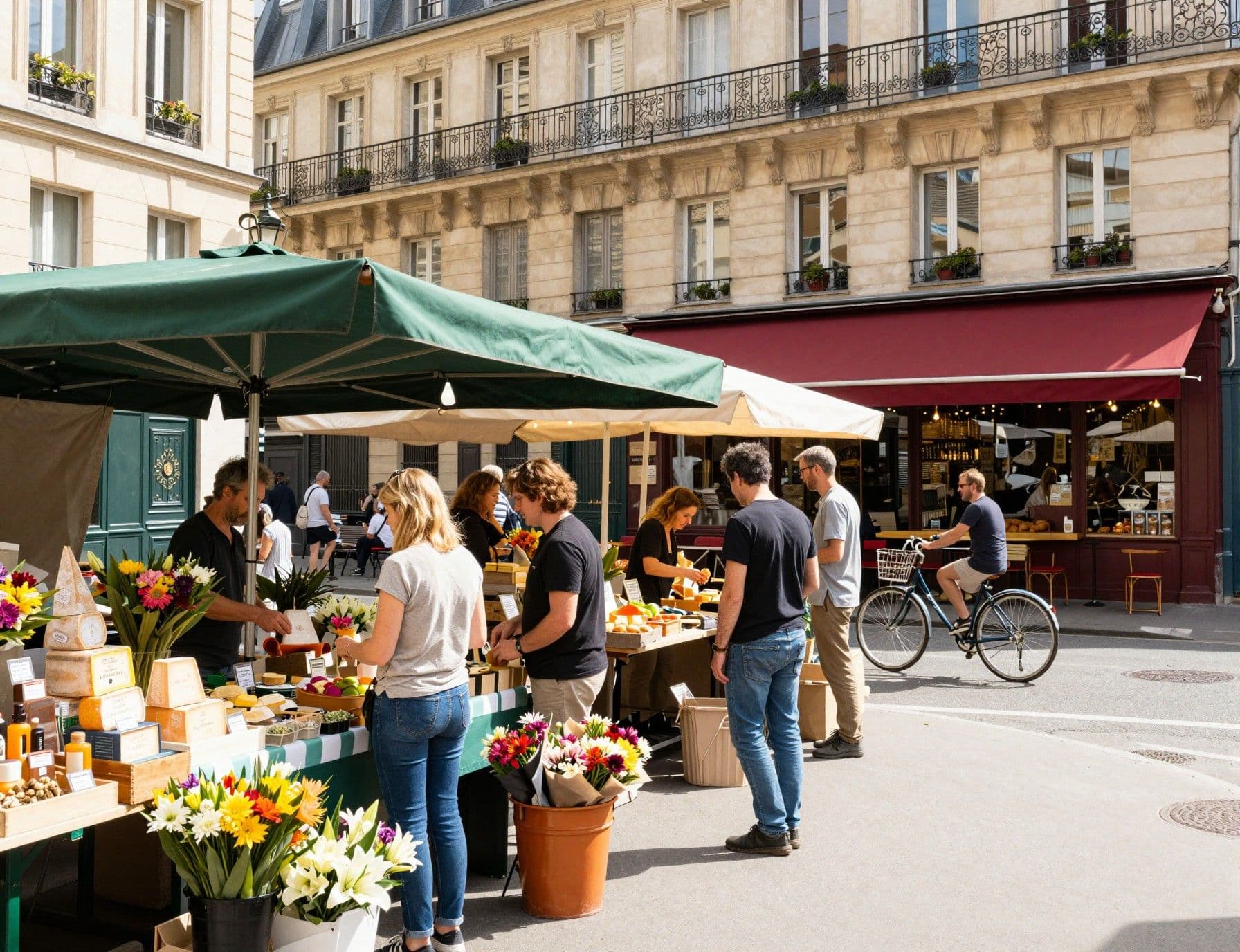
France isn't one rhythm: Paris mornings smell of croissants and espresso, Provence afternoons haze with cicadas and rosé, Brittany evenings echo with seafood chatter. Small habits define neighbourhood life — the Marché d'Aligre in Paris, the Quai des Arts in Arles, the boulangerie on Place des Lices in Saint‑Tropez — and these everyday places shape where you’ll actually want to buy. When you think about property here, imagine the walk to the corner café, the sound of municipal markets on Saturday, and whether your chosen street supports that life year-round or just in high season.
A few streets that tell France’s story
In Paris, the Marais hums with independent shops and late-night bistros; the 11th arrondissement around Rue de Charonne is where young creatives live and work. On the Côte d'Azur, promenade-front properties change mood depending on summer crowds; in Nice, the Old Town (Vieux‑Nice) delivers daily market life with narrow streets and colorful facades. In rural Dordogne, villages like Sarlat offer stone houses and market rhythms where neighbours still trade produce at dawn. These specifics matter in due diligence because local rules, servitudes and historical protections differ street by street.
Food, markets and seasons — how they shape your days
Picture buying a place near a weekly marché: summer’s overflowing stalls make outdoor life irresistible, but off-season months reveal quieter streets and different maintenance needs. If you want year-round café culture, prioritize towns with stable resident populations (e.g., Toulouse’s Carmes, Lyon’s Croix‑Rousse) not solely tourist rings. That choice feeds straight back into legal checks — seasonal rentals, local zoning and copropriété rules will affect rental income potential and living experience.
Making the move: practical due diligence that safeguards the lifestyle

The romantic view — charming façade, vaulted ceiling, planters on the balcony — is step one. The practical follow-through is step two. In France the notaire (a public, independent lawyer) coordinates title checks and registrations, and the seller must supply a Dossier de Diagnostic Technique (DDT) covering energy, lead, asbestos, termite risk and more. Treat the DDT as a lifestyle audit: it tells you how much heating costs, whether the roof or insulation will disrupt your sunny balcony mornings, and if the garden sits on quirky servitudes.
Key legal files and what they reveal
The DDT, land registry extracts (cadastre), title deeds, and any urban planning (servitudes, local PLU rules) should be scrutinized. These documents reveal whether a charming outbuilding is legal, if there are rights-of-way across the garden, or if a neighbouring property holds a pre-emptive right. Your notaire and a specialist architect or surveyor will translate those legal lines into daily realities: usable terrace size, renovation limits, and whether a future coworking nook is permitted.
Property styles and how they affect life and checks
A Haussmann apartment in Paris means shared staircases, strict copropriété (building co‑op) rules and potentially strong syndic oversight; a Provençal mas brings land rights, water access questions and heritage constraints; a seaside villa on the Côte d’Azur raises coastal protection and rental-season rules. Match the property type to your work rhythms: heavy renovation projects can be frustrating for nomads who need reliable broadband and immediate livability. Always check local building permits and historical protection before picturing renovation weekends.
Insider Knowledge: the checks expats wish they'd done earlier
Real expat regret is usually small things that ripple: underestimating copropriété charges, misunderstanding the scope of a servitude, or assuming online photos show the full reality of the street outside. A frenetic summer market can hide a dead quiet winter; a perfect sea view might sit beside a municipal road that’s busy at 6am with delivery vans. Local knowledge — a trusted agent, a notaire who explains servitudes, and a surveyor who speaks English — saves months of frustration and unexpected expense.
Practical checklist before you sign
Before the compromis de vente, do these checks and get them in writing. Verify the DDT is complete and current; ask the notaire for a recent état hypothécaire (mortgage/search report); confirm any servitudes or easements; check local PLU/building restrictions; and, if you plan to rent, confirm seasonal rental rules. These steps turn a dreamy street into a legal, livable asset that supports the life you want.
Who does what — building your local team
Your minimal team: a notaire to secure title and register the sale, a bilingual agent who knows the neighbourhood, a surveyor/diagnostician for structural and DDT checks, and a tax advisor when ownership crosses borders. For nomads, add a connectivity check: verify fibre availability and mobile reception (operators’ coverage maps matter). Together they translate the local pulse into safe legal ownership and a home that actually supports remote work.
Lifestyle-focused due-diligence tips (quick wins)
- Visit the property at different times of day and in low season to feel year-round life.
- Ask the notaire for a copy of the last three years’ copropriété (building) accounts to spot rising charges.
- Check DDT expiry dates — some diagnostics must be renewed before closing.
- Confirm local planning rules (PLU/urbanisme) if you plan to extend, add terraces or create an office room.
Step-by-step: how to lock the lifestyle without legal surprises
- 1. Visit and record: visit in low season, take photos and street audio notes. 2. Ask for the DDT and title deeds and review with a surveyor. 3. Instruct a notaire to run the état hypothécaire and check servitudes. 4. Include suspensive clauses in the compromis (mortgage, permit, clear title). 5. Finalise finances, confirm assurance habitation, and sign the acte de vente with the notaire.
Buying in France can feel archaic because paperwork is public and formal, but that transparency is protective. The system gives clear moments to walk away if a DDT or a hidden servitude ruins the dream. Treat due diligence as part of designing your daily life here — it’s how you lock the smell of fresh bread on your street into a legally secure home.
When to call in specialist legal help
If inheritance rules, complex co-ownership splits, cross-border tax residency, or an unclear chain of title appear, hire a French lawyer specialised in immobilier. These are the moments where a small additional fee avoids a multi-year headache. Most buyers find this reassuring: you get to keep the balcony, the market trips and the café friendships — and avoid legal surprises that eat time and energy.
Conclusion — fall in love with France, then verify the deed
France gives you lifestyle postcards and dependable legal structures — if you respect both. Start with the life you want: which streets, markets, cafés and seasons matter most. Then translate that vision into a checklist for your notaire, surveyor and agent. Do those checks, include sensible suspensive clauses, and you’ll close on a home that actually fits the day-to-day life you imagined. Ready to book a viewing? Pick a neighbourhood, and let a local notaire (and a friendly, bilingual agent) help you make the dream legally yours.
British expat who moved from Manchester to Mallorca in 2017. Specializes in market analysis and helping fellow Brit navigate local regulations.