How the Euro Changed Buying in Croatia: Money, Banks, Lifestyle
Why the euro changed everything—and what to budget, check and pre‑approve when buying in Croatia so your coastal dream doesn’t become a financial headache.
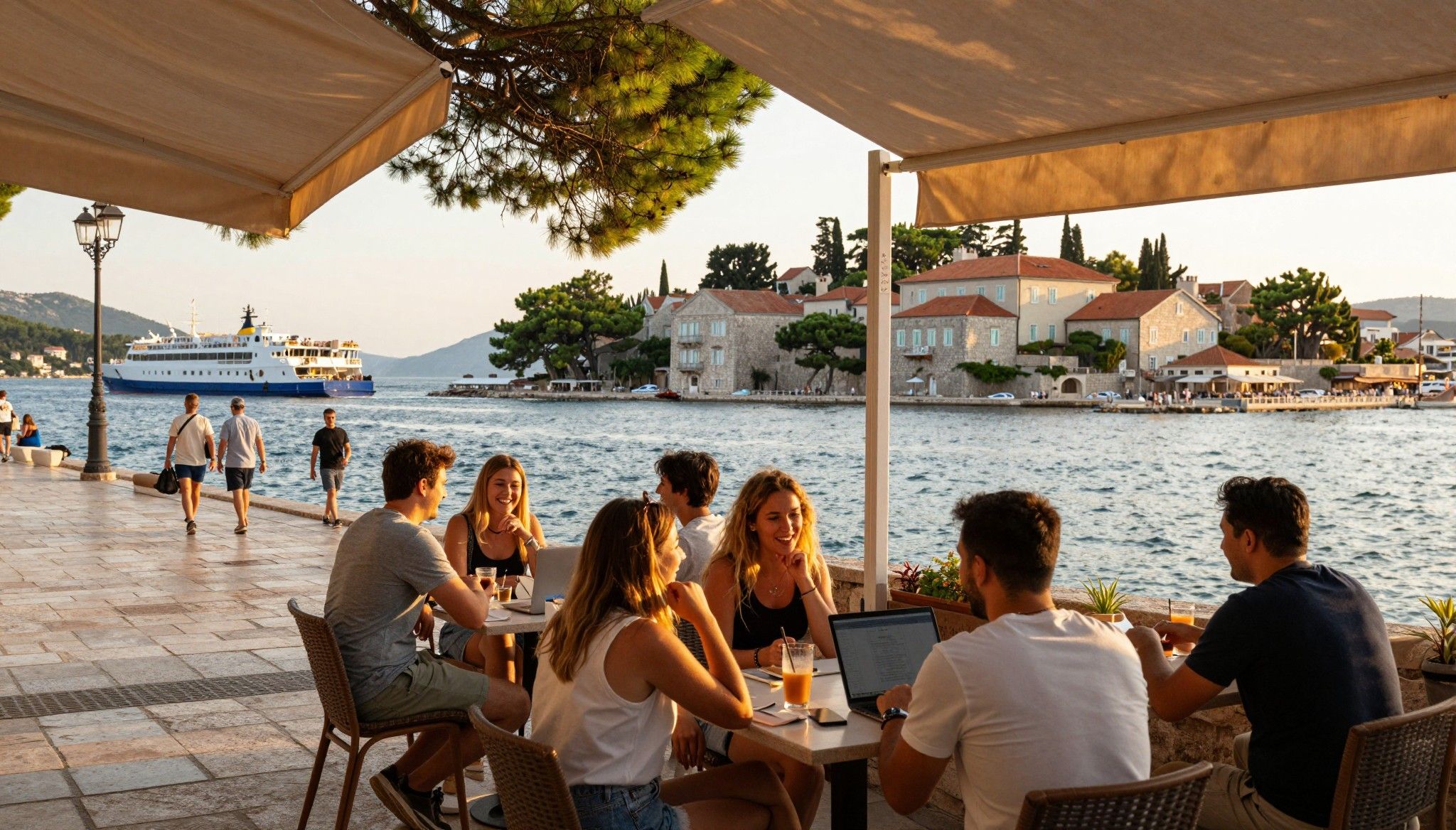
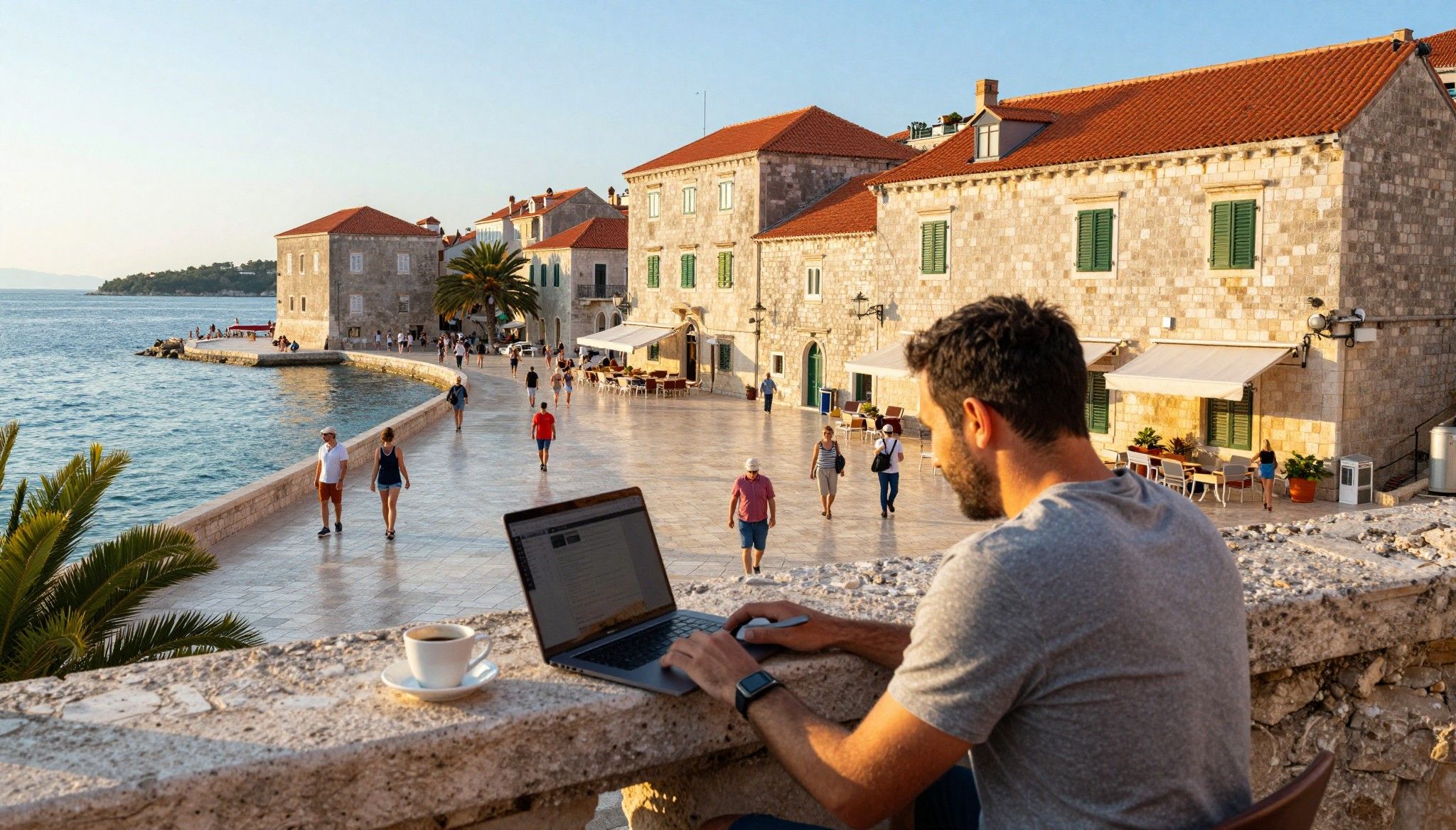
Imagine waking up to espresso steam and limestone streets, taking a midday dip off a pebble beach, then opening your laptop in a sunlit apartment on Korčula’s narrow Riva. Croatia smells like grilled fish and pine; it sounds like church bells and the chatter of a market on a Saturday. For many international buyers the dream is vivid—but the reality of money, banks and contracts is where that dream either becomes a lifestyle or a costly lesson. This guide mixes the sensory life you crave with the finance and banking steps you’ll actually need to buy here.
Living Croatian Life (and Why Money Feels Easier Here)
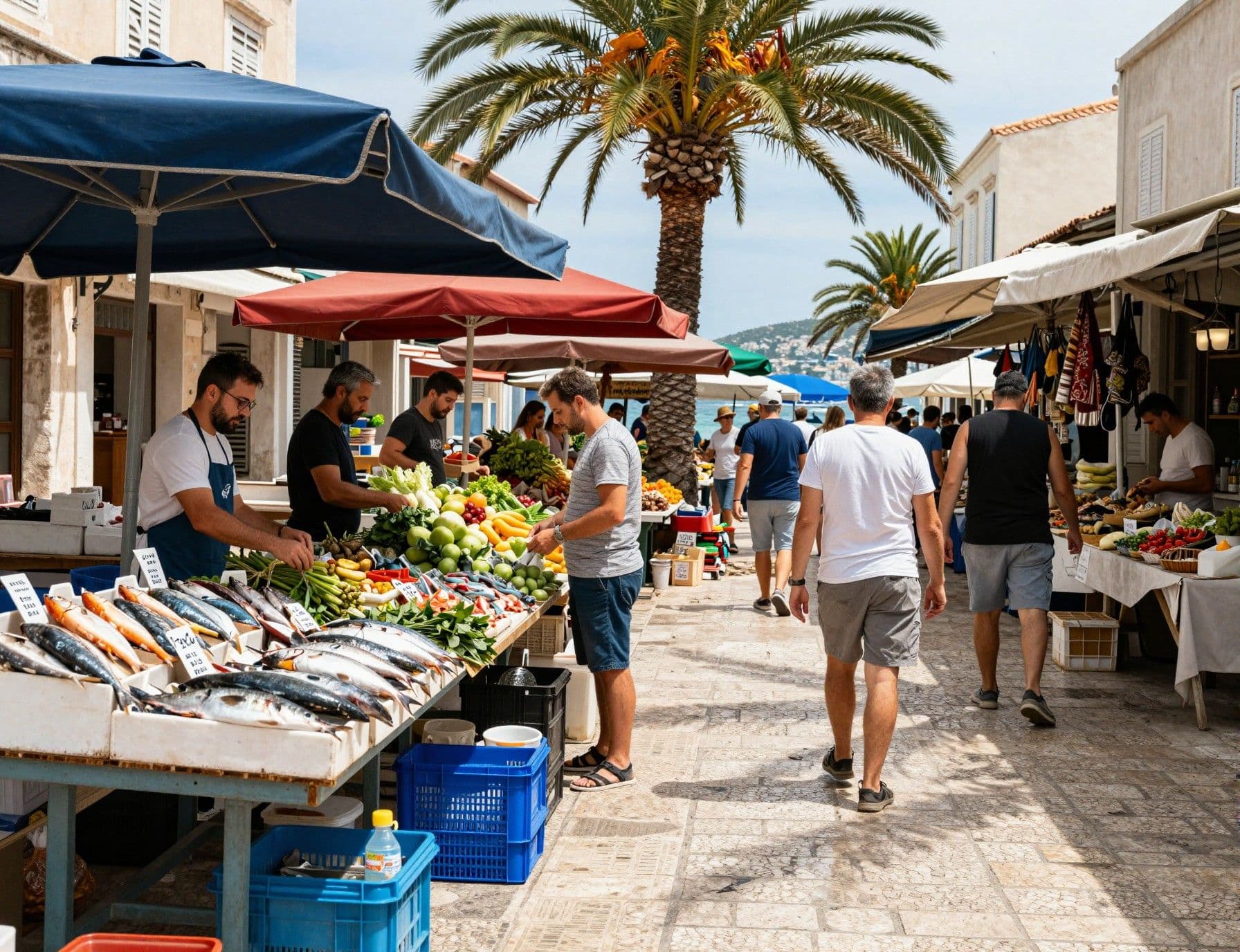
Since euro adoption on 1 January 2023, everyday money hassles—currency conversion for travel, pricing confusion when comparing offers—have largely vanished. That change matters: when your salary is paid in euros or you’re comparing mortgage offers, having a single currency simplifies budgeting, cross-border transfers, and long-term cost forecasts. But lifestyle choices still drive financial needs: do you want a stone house in Rovinj with thick walls and high renovation costs, or a modern seafront apartment in Split with strong short‑term rental demand?
Neighborhood snapshots that shape budgets
Zagreb’s Tkalčićeva and Vlaška are café-rich and Walker-friendly—expect higher day-to-day living costs but excellent year-round services. On the Dalmatian coast, Split’s Veli Varoš feels lived-in and local, while Bačvice’s seafront commands premium night‑and‑day rental appeal. On islands like Hvar or Vis, maintenance costs and seasonal utility swings matter more than sticker price. Knowing where you want to live narrows financing needs: renovation loans, seasonal utility buffers, and management fees become predictable.
Lifestyle beats: what you'll actually spend on living here
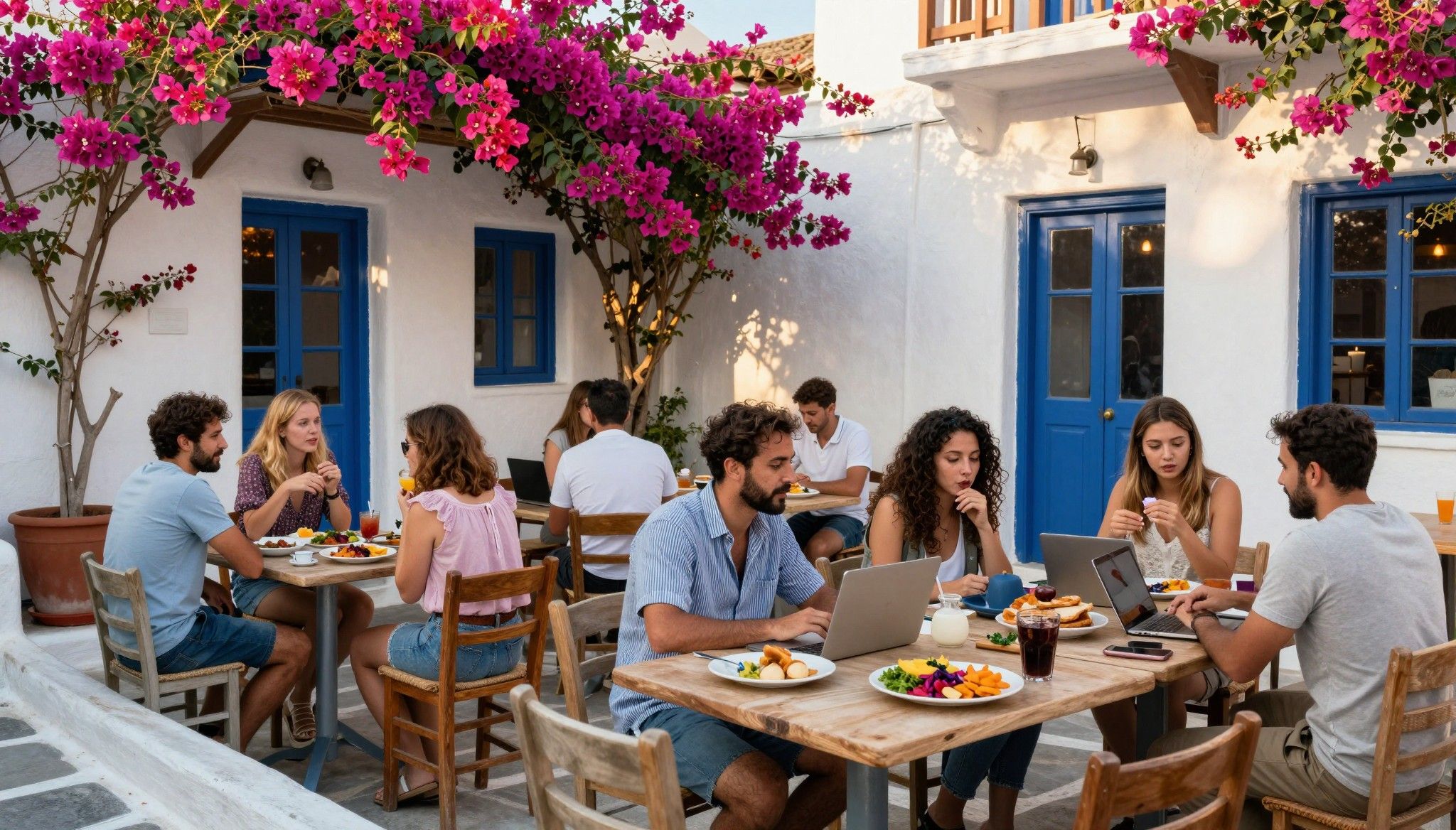
Weekends are for markets (Dolac in Zagreb, Pazar in Split), for long lunches, and for island hops. That rhythm means you might pay more for walkability and outdoor space than for square metres. Factor in: private water pumps or septic maintenance on rural plots, higher summer utility bills for cooling in coastal homes, and holiday‑season insurance or management fees if you plan to rent the place out when you travel.
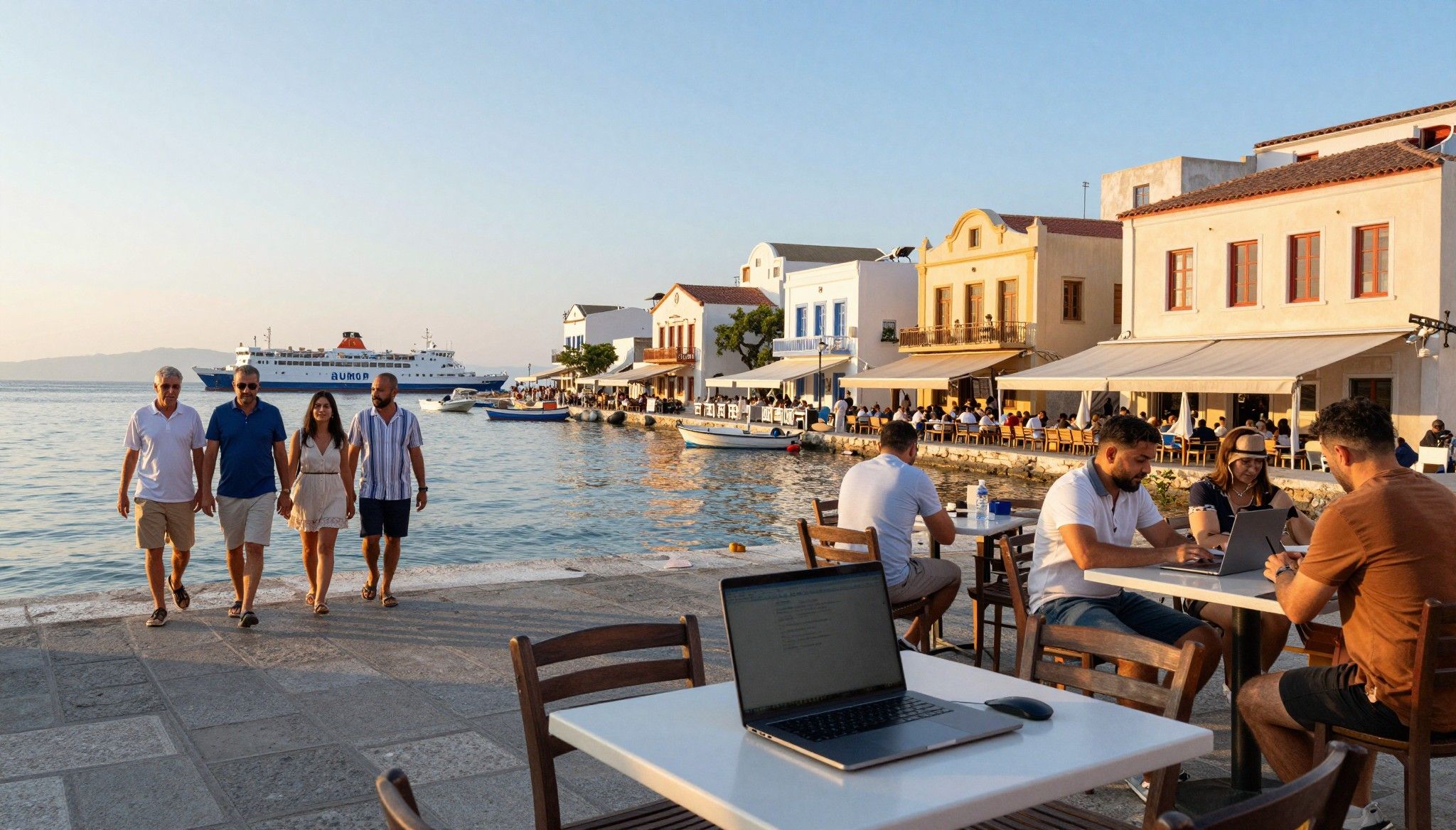
- Dolac Market, Zagreb; Bačvice beach, Split; Riva promenade, Korčula; Hvar town square at dusk; Veli Varoš neighborhood walks; Local konoba (tavern) meals—budget for living, not just mortgage.
Making the Move: Banking, Mortgages and Money Mechanics

Dreams meet paperwork here. If you’re from the EU/EEA, buying is straightforward. Non‑EU buyers often rely on reciprocity agreements or company structures to buy land and dwellings. Expect a few gatekeeper steps: land‑registry checks, municipal planning statements, and sometimes an administrative approval depending on your nationality. Local banks, notaries and agencies smooth the path—but they’ll ask for residency status, proof of income, and clear source‑of‑funds documentation before lending.
Property styles and how they change financing needs
New builds on the mainland often qualify for standard mortgage products and warranties, so banks view them as lower risk. Stone restorations on islands can need substantial renovation loans—banks may limit LTV (loan‑to‑value) on these. If you want rental income to cover payments, choose areas with established tourist seasons (Split, Dubrovnik environs, islands with ferry links) and plan conservative occupancy assumptions when you present projections to lenders.
Work with banks that speak your language (literally)
- 1) Open an EU‑compliant euro account with a Croatian or international bank to reduce transfer fees and enable mortgage payments. 2) Ask banks about LTV caps for non‑residents—typical LTVs are often lower for foreigners and for properties needing renovation. 3) Compare fixed vs variable rates—since Croatia is in the eurozone (joined 1 Jan 2023), rates follow broader ECB moves; lock a rate if you plan a long mortgage. 4) Get a local tax and currency adviser to model worst‑case scenarios for maintenance, seasonal renting, and currency exposure for any income you’ll convert to euros.
Insider Knowledge: Mistakes Expats Make (and How to Avoid Them)
We’ve seen buyers fall in love with a view and forget to check the road in front of the house, or assume island life means lower taxes and discover higher maintenance and ferry costs. Another common trap: banking only with an online foreign bank and then being surprised by slow international transfers for down payments. The fix is simple: local checks, realistic running‑costs, and pre‑approved finance where possible.
Cultural and practical quirks that affect money
Croatians value face‑to‑face agreements and long‑standing local relationships. Notaries (javna bilježnica) and land registry entries are final—get a trustworthy translator or lawyer for contract rounds. Also, summer tourism swells change utility usage, waste collection schedules, and property insurance terms. Factor seasonality into cashflow and contingency plans.
- Red flags to watch for before you sign: unclear land‑registry extracts; missing municipal planning statement; over‑optimistic rental income projections; properties with unresolved inheritance claims; sellers asking for large cash deposits without escrow.
Practical next steps: shortlist neighbourhoods, get a pre‑approval from a Croatian bank or an international bank with euro services, commission a land‑registry extract and municipal statement, and hire a local lawyer to review the promise of sale and purchase contract. This sequence protects your lifestyle dream and your deposit.
How agencies make this feel local (and less scary)
Good local agencies do more than show homes: they translate neighbourhood rhythms, recommend trusted notaries, and introduce property managers who handle seasonal renting. Think of an agency as your local friend who knows the best konobas—and which roofs leak in November. Use them to validate lifestyle fit and to line up the practical services you’ll need post‑closing.
- 1) Get pre‑approved early. 2) Verify reciprocity rules for your nationality. 3) Budget 8–12% extra for renovations, transfer taxes, and fees. 4) Use escrow for deposits. 5) Hire a bilingual lawyer. 6) Plan for seasonal running costs.
Conclusion: Croatia offers a life that’s easy to fall for—harbours lit at dusk, markets that feel like theatre, and islands that slow the world down. Financially, the euro simplifies currency worries but doesn’t remove the need for local due diligence: residency status, reciprocity rules, local bank policies and seasonal costs all shape whether a purchase becomes a joyful new chapter. Start with lifestyle clarity, then let local finance and legal experts translate that into a secure purchase plan—your future summers on the Adriatic depend on both.
British expat who moved from Manchester to Mallorca in 2017. Specializes in market analysis and helping fellow Brit navigate local regulations.