Croatia: Euro Banking, Reciprocity & Season‑Smart Buying
How to match Croatia’s sun-drenched lifestyle with euro-era banking, reciprocity rules and mortgage realities — practical steps, red flags and season-smart strategies.
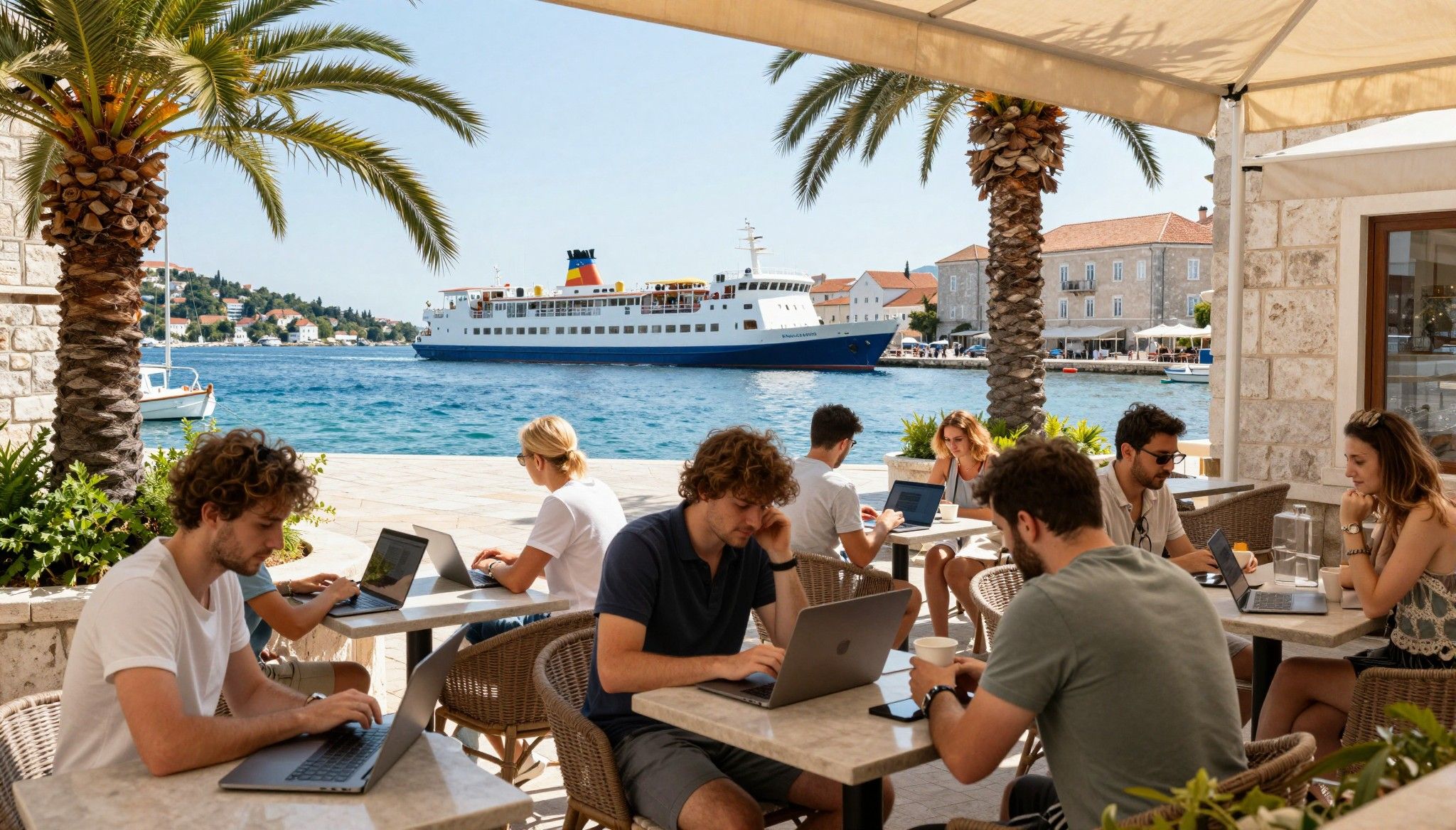
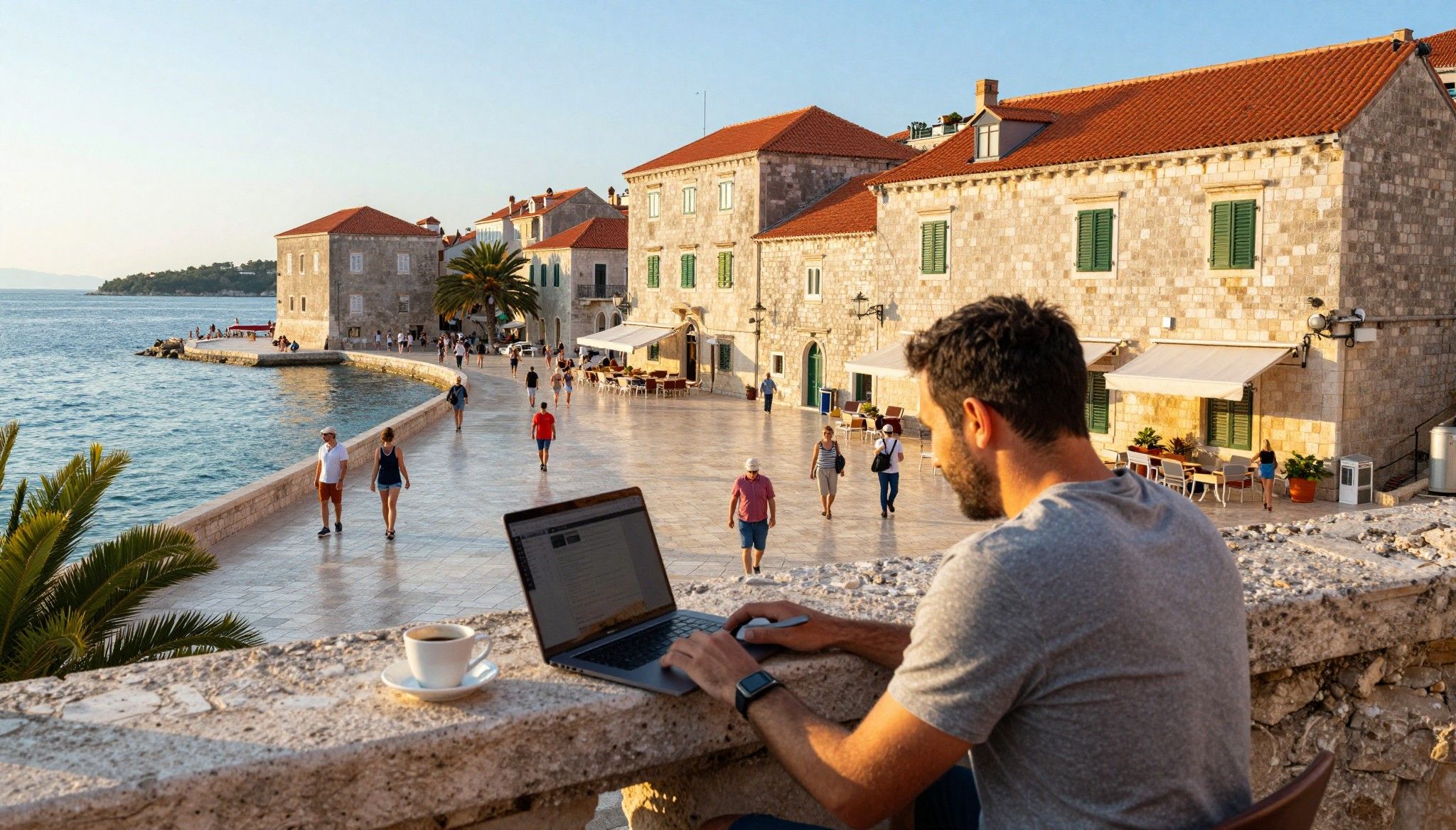
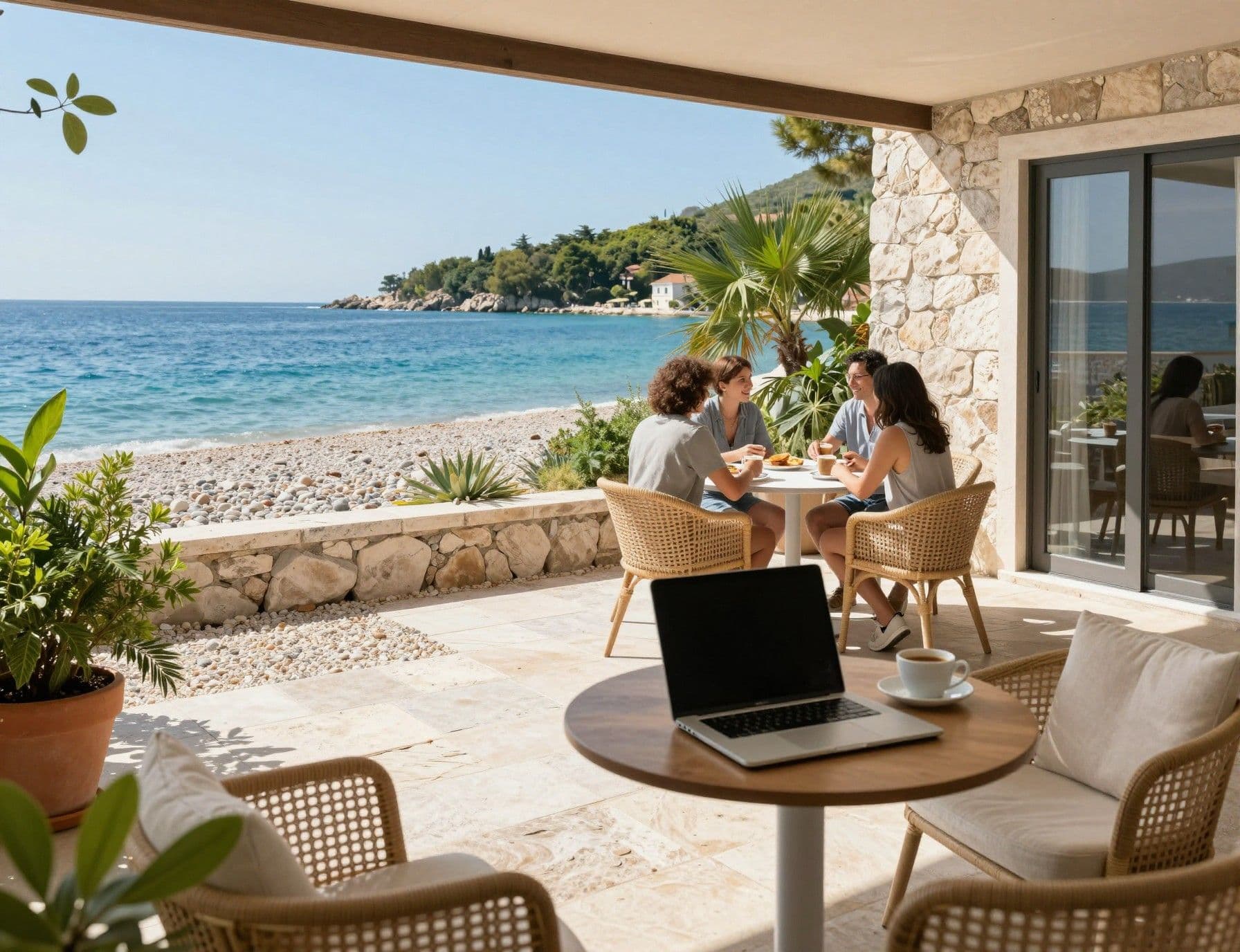
Imagine sipping espresso on Split’s Riva at sunrise, laptop open, ferries humming, and the smell of bakalar and sea brine in the air — that mix of work-and-coastlife is Croatia. But love at first sight needs a plan: banking, mortgages, currency moves and local rules shape whether the dream becomes a lived-in day-to-day. This guide blends the sensory — cafes, pebble beaches, market chatter — with practical, research-backed steps so international buyers can buy smart and live fully in Croatia.
Living the Croatia life
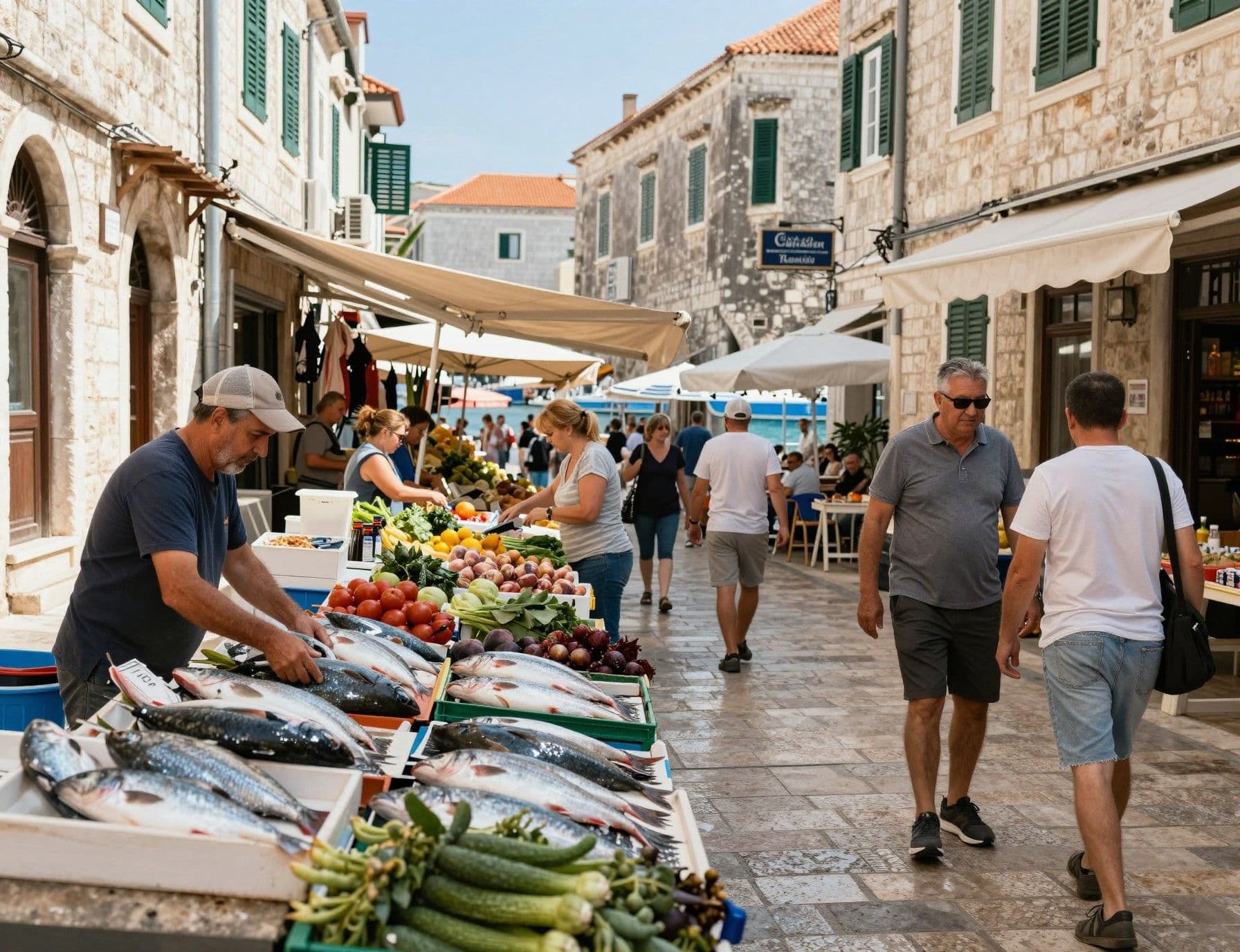
Days here move slowly and loudly at once: morning markets in Dolac, late coffee in Zagreb’s Tkalčićeva, island afternoons exploring Hvar coves. Coastal towns pulse with summer tourism and quiet winter rhythms; Zagreb and Rijeka offer café culture, galleries and coworking nodes. Property markets reflect those patterns — coastal and city prices have climbed in recent years per national statistics — so lifestyle choice and market timing are inseparable when planning a purchase. Source links below show official house price indices and regional trends.
Neighborhood snapshots: Zagreb, Split, Istria
Zagreb’s neighborhoods like Maksimir and Trešnjevka mix green parks, family restaurants and reliable internet — great for year-round remote work. In Split, live near Varoš or Meje if you want stone alleys, sea views and quick ferry access; for a quieter Adriatic life consider Kaštel or Solin suburbs. Istria (Pula, Rovinj) brings truffle-hunting weekends, farm-to-table markets, and villas with big outdoor spaces — perfect if you crave land, local produce, and a slower pace.
Food, festivals and seasonal life
Imagine buying fresh octopus at Split’s market, then walking to a coworking hub for an afternoon of calls. Summers are lively — islands brim with festivals and terraces — and winters are intimate: olive harvests, truffle season in Istria and fewer tourists. These seasonal swings affect demand and prices: coastal asking prices rose sharply in recent analyses, so buying outside the peak season or in less-touristy districts can lock in better value. Local data from market platforms and statisticians confirm these patterns.
Making the move: practical banking & finance
Dreams aside, money matters first. EU citizens have near-equal buying rights; non-EU buyers often need reciprocity clearance and ministry consent — that affects timeline and financing options. Local mortgages are available but banks check residence status, income documentation and may require higher down payments for foreigners. Official investment guidance and government portals outline reciprocity rules and approval steps you'll want to read before making offers.
Banking basics: accounts, currency and euro adoption
Since Croatia adopted the euro in 2023, currency conversion headaches eased — no more HRK/EUR swings for residents. Open a local EUR account to simplify bills, utility payments and tax registration. For nomads keeping foreign income, keep an FX strategy: multi-currency accounts, timing transfers around rate dips, and using specialist FX services can save thousands on mortgage payments or deposit transfers. Banks like Zagrebačka banka, Erste and others offer English support, but shop around for mortgage terms and pre-approval offers.
Steps to secure finance in Croatia
1) Get a local bank pre-approval or proof-of-funds early — sellers take cash offers seriously. 2) If you’re non-EU, confirm reciprocity/consent timelines before locking an offer; ministry processes can add weeks. 3) Budget for at least 10–20% deposit (more if non-resident), plus taxes, notary and registration fees. 4) Use a local currency expert to plan transfers and avoid conversion spikes. 5) Consider a short-term bridging loan or staggered payments if renovating a historic home. Each step blends lifestyle timing (festival seasons, tourist peaks) with financial reality.
Insider knowledge: red flags and contrarian moves
Contrarian pick: avoid headline seaside blocks that look expensive on paper — instead hunt the 'local' streets where buyers actually live off-season. Some areas everyone avoids (industrial edges of Split, certain parts of Zagreb’s outskirts) are quieter, cheaper, and often closer to transport and coworking than glossy tourist strips. Watch out for three red flags: unclear land registry entries, properties in maritime domain zones (not privately ownable), and repeatedly resold units that trigger business taxation.
Practical red flags to check (with local fixes)
• Missing or inconsistent land register entries — hire a notary and a local lawyer to pull cadastral records. • Properties too close to maritime domain lines — confirm building rights and coast restrictions with municipal office. • Repeated short-term resales (more than 3 sales in 5 years) — seller might be taxed as a trader; ask for tax history. • Agricultural land purchases — often separate rules and recent reforms; verify ministry approvals early.
Working with the right local experts
• Real estate agent: pick an agent who knows off-season neighborhoods and speaks English. • Lawyer/notary: mandatory for contract checks and land registry — insist on local experience with reciprocity cases. • Currency advisor: for transfer timing and mortgage structuring in euros. • Inspector/architect: for older Dalmatian stone houses, budget inspections for roof, damp and insulation. These people don’t sell the dream — they protect it, and they turn lifestyle preferences into legal, livable homes.
Long-term lifestyle and practical checklist
• Residency goals: buying property can help with temporary residence but doesn’t automatically grant permanent residency; check immigration rules. • Running costs: factor in heating for inland winters and maintenance for coastal salt exposure. • Rental potential vs life use: tourist hotspots north of Dubrovnik and Split bring high summer yields but quieter off-season rents. • Community fit: visit during different seasons — markets, cafes and coworking scenes change radically between July and November. • Exit plan: ensure clear title, reasonable local demand and a lawyer-reviewed sales clause if you ever resell.
Conclusion — live the life, plan the purchase. Croatia offers a mix of sun, stone villages and vibrant urban life that makes nomad hearts sing. Treat the buy as two projects: one about lifestyle (where you want to surf, sip, or stroll) and one about finance (banking, reciprocity, title checks). Start with a local bank chat, hire a Croatian lawyer with reciprocity experience, and book exploratory stays in the neighborhoods that feel like home. When you're ready, an agent who speaks your language and understands local seasons will help you turn that morning espresso into an everyday ritual.
Dutch investment strategist guiding buyers to Greece and Spain; practical financing, tax, and portfolio diversification.