Croatia’s Euro Moment: Money, Mortgages & Coastal Life
Why Croatia’s coastal charm and euro adoption change how nomads should budget, bank and finance a property — practical steps plus lifestyle tips.
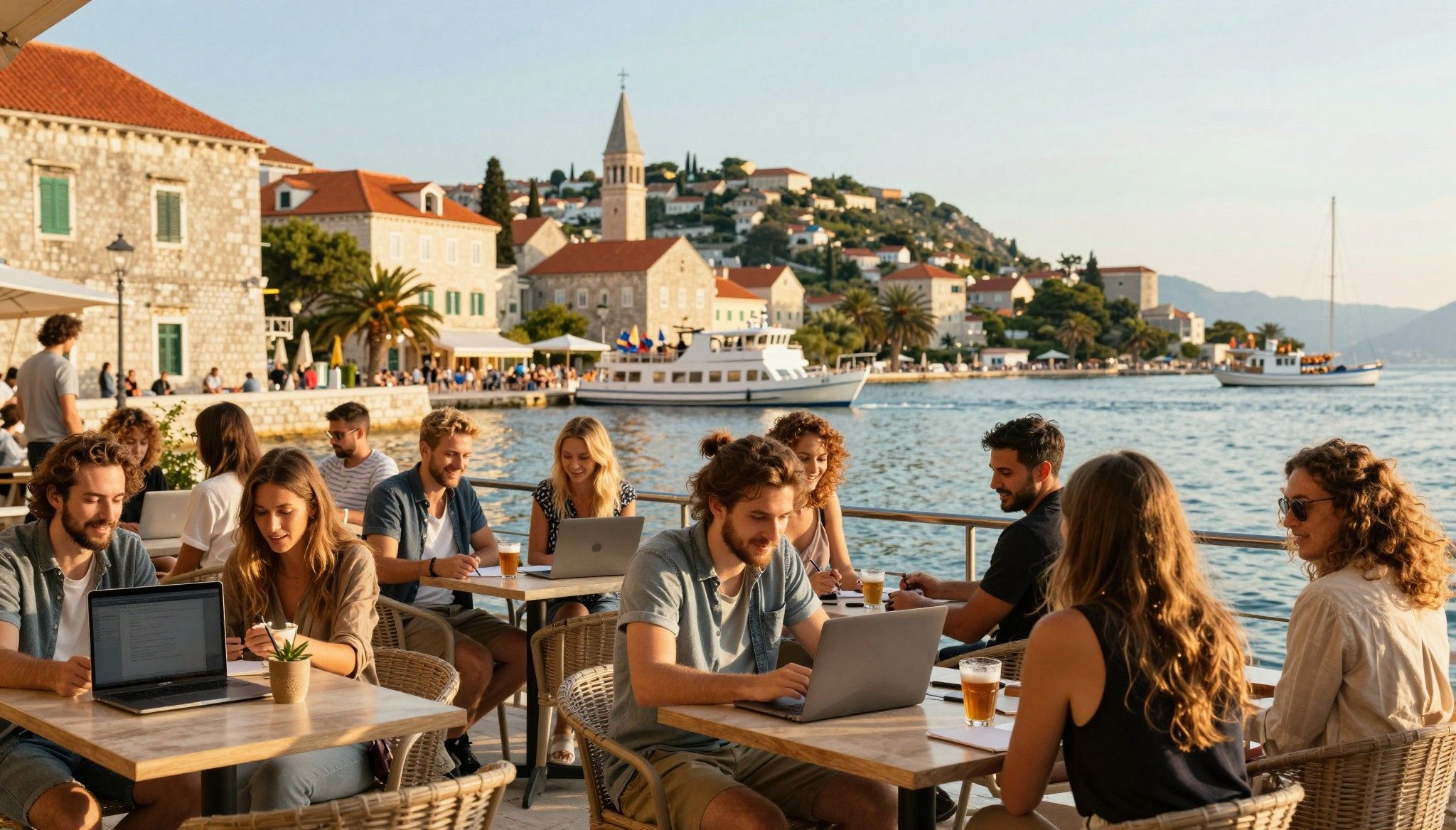
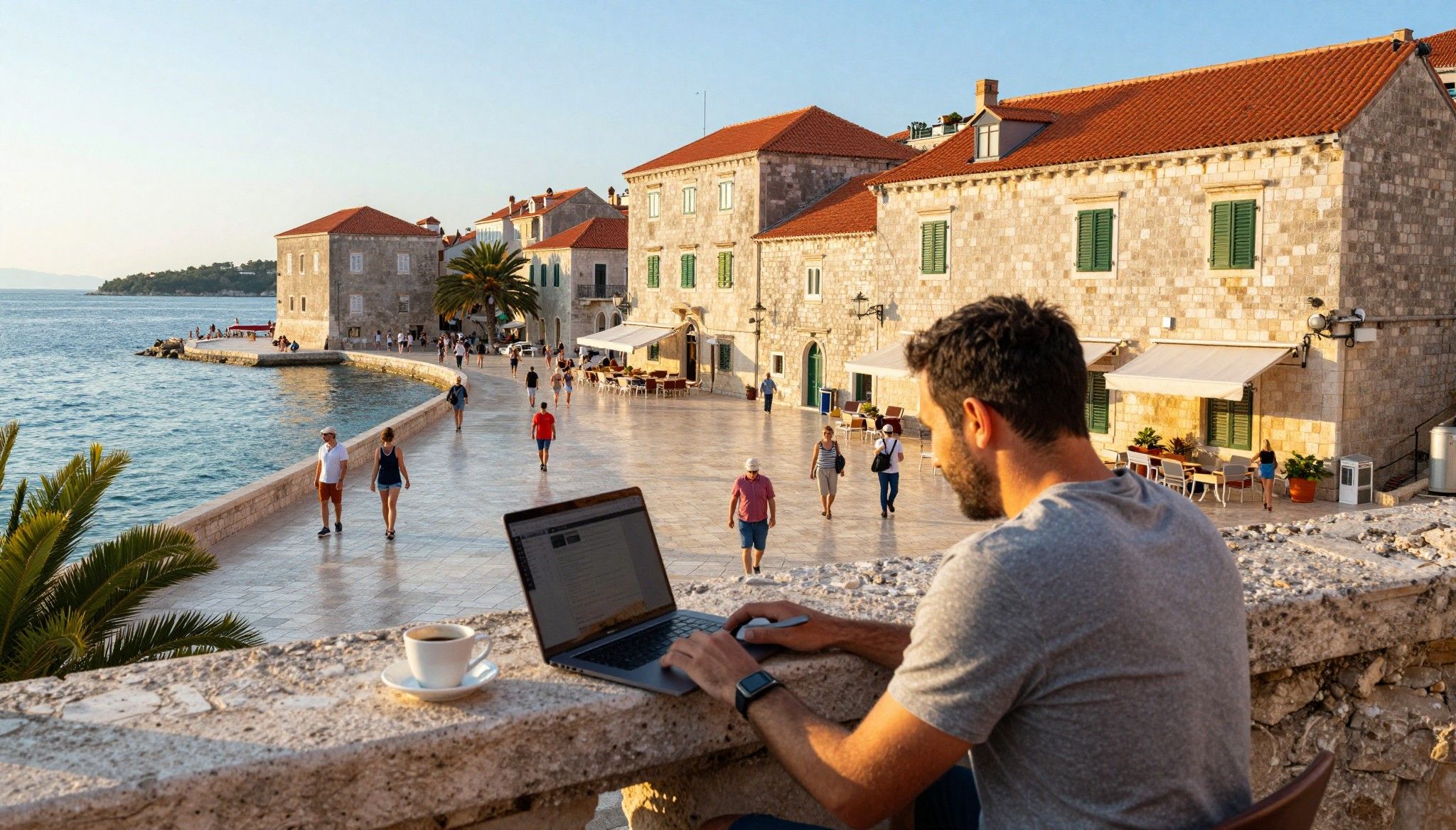
Imagine stepping out of a stone‑paved square in Split at golden hour, espresso in hand, laptop under your arm and a sea breeze cooling the afternoon. Croatia is equal parts coastal postcards and quiet inland towns where markets still hum on Saturday mornings. That atmosphere — historic walls, pine‑scented islands, buzzy cafés and surprisingly good coworking — is why nomads and remote professionals keep coming. But love at first sight should be paired with a plan: banking, mortgages and currency rules here changed in recent years and they shape what kind of buyer you can realistically be.
Living the Croatia life
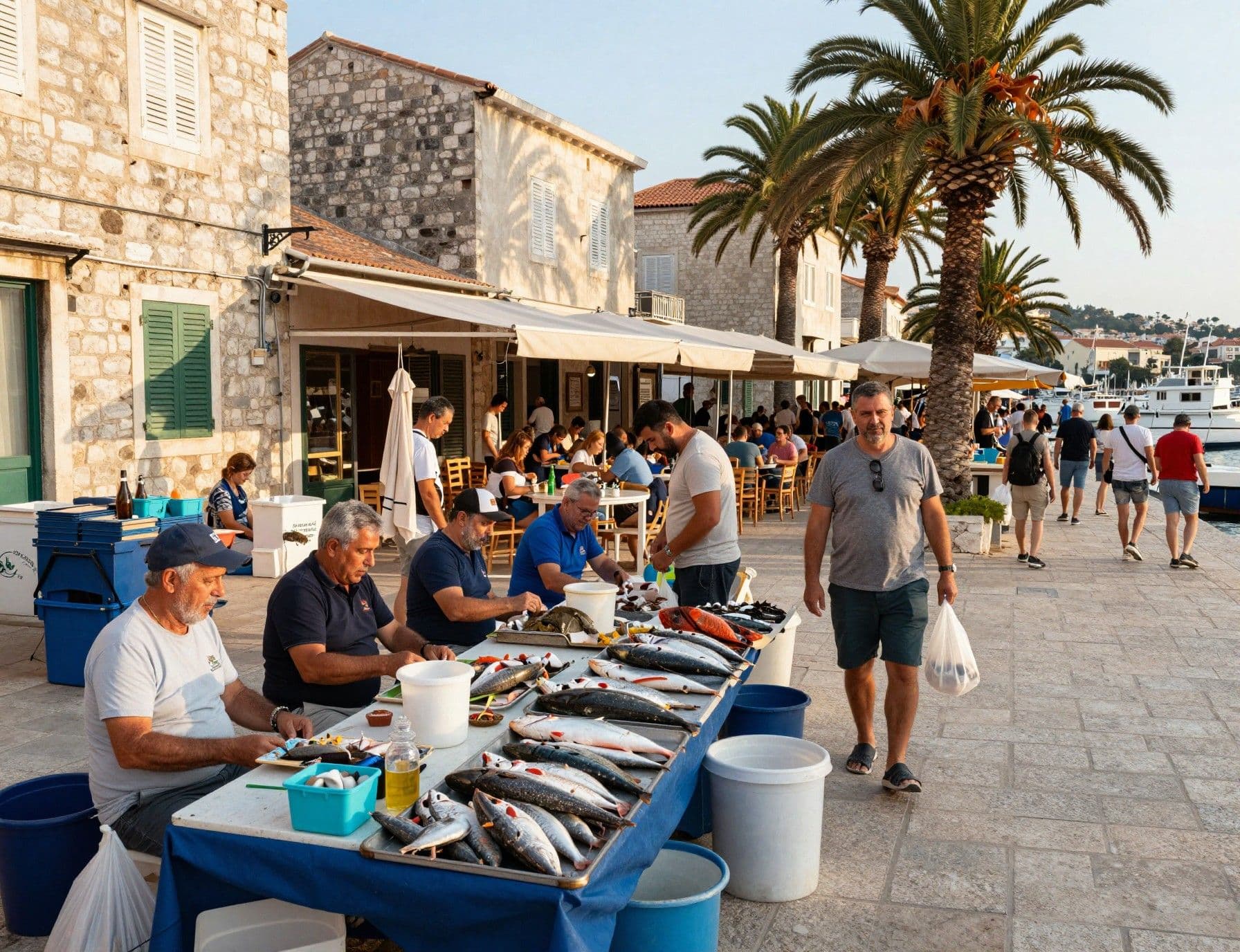
Croatia’s daily rhythm varies dramatically by place. In Dubrovnik’s Old Town the day is tourist‑bright until dinner, while in Rijeka you’ll find a creative, working‑city vibe with coffee shops full of students and designers. Zagreb mixes continental café culture and leafy parks with efficient services — perfect for winter months when coastal towns sleep. For a nomad, that variety means you can chase sun, festivals or quiet months depending on mood and work schedule.
Neighbourhood spotlights: what to love
Picture renting a bright apartment on Split’s Marmontova for weekend strolls and fast ferries to Brač, or a vaulted stone flat in Trogir where mornings are for farmers’ markets and afternoons for shoreside work. In Zagreb, try Martićeva or Maksimir for leafy streets and reliable coworking; on Istria coast, Rovinj’s cobbled lanes give a slow, Italianate lifestyle with excellent food. Each area offers a distinct tempo — choose the tempo that matches your work hours and social life.
Food, festivals and weekend life
The food scene is a living map of Croatia: seafood and grilled fish along the Dalmatian coast, truffle‑hungry Istria inland, and hearty continental dishes in Zagreb. Local festivals — from Šibenik’s theatre nights to Hvar’s summer parties — reshape neighborhoods each season and create perfect windows to house‑hunt when the place feels alive. For remote workers, every city has cafes with decent Wi‑Fi; coastal towns add the bonus of outdoor working spots in spring and autumn.
- Lifestyle highlights: real places and experiences
- Morning market at Dolac (Zagreb) — fresh fruit, people watching and easy local connections.
- Espresso at Caffe Bar Galerija (Split) then a 15‑minute ferry to a quiet island beach for afternoon focus.
- Weekend coastal drives from Pula to Rovinj — Istrian truffles and wine cellars to explore between work sprints.
Making the move: practical considerations
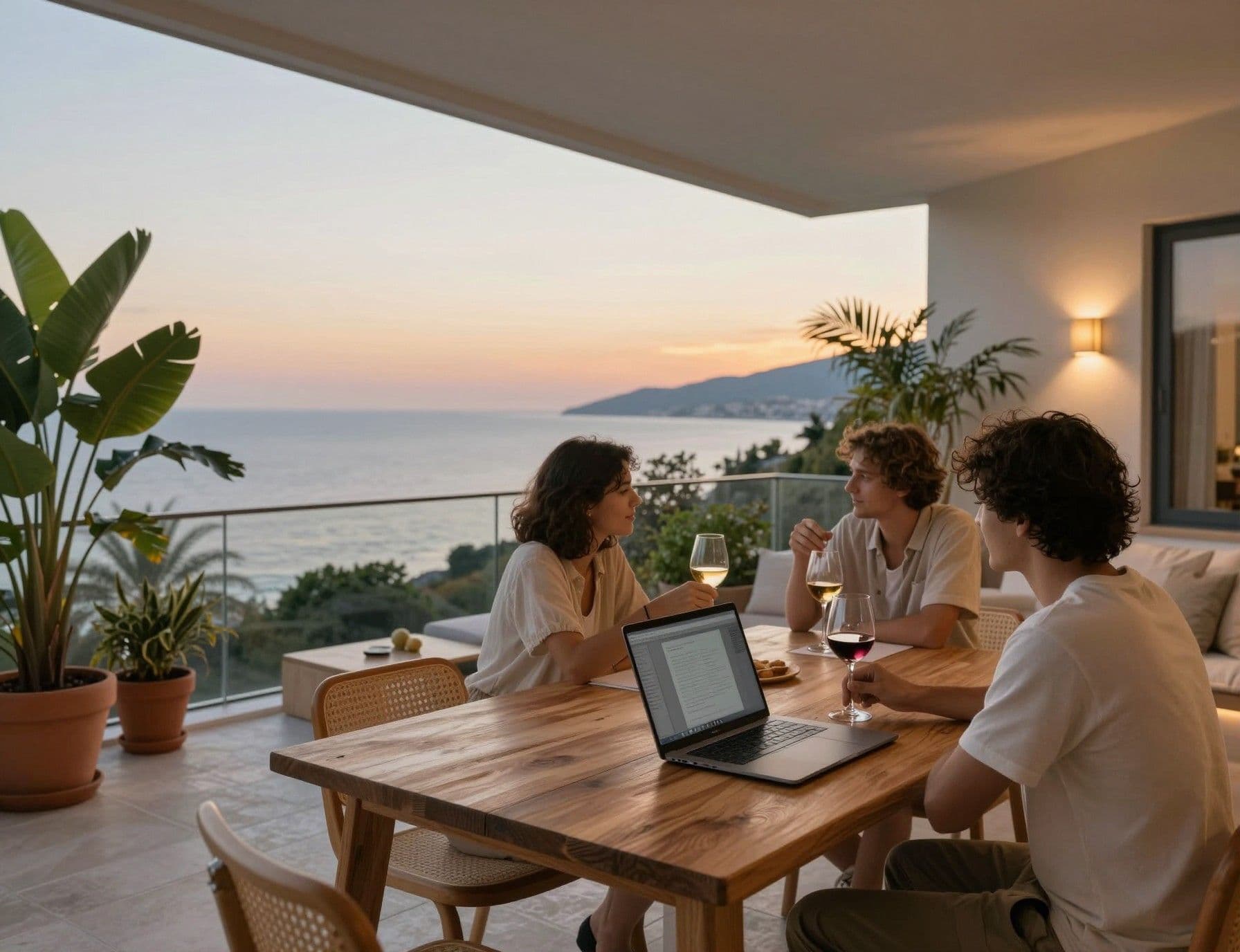
The euro is Croatia’s currency since 1 January 2023, which removed one big friction point for euro‑area buyers and made cross‑border banking simpler. That means no more kuna exchange drama and easier SEPA transfers — but also shifts in pricing psychology, local loan products and what banks expect from mortgage applicants. Expect smoother payments for everyday life, and plan finances around euro‑denominated pricing and the EU banking rules that now apply here.
Property styles and what fits remote work
Stone houses with terraces are romantic, but worst for winter heating and slow internet unless recently renovated. Newer coastal apartments often include fibre or reliable 4G; inland villas can offer space and gardens but check connection and insulation. When viewing, bring a simple checklist: daylight for video calls, a quiet corner for a desk, and proof of actual internet speed (ask the seller or agency for a recent speed test).
Local experts who actually get nomads
You want agents who know which streets have cafes open all year, which buildings accept short‑let rentals, and where the nearest coworking hub is. Many agencies partner with English‑speaking lawyers who handle reciprocity checks and title searches — crucial for non‑EU buyers. Think of agencies as lifestyle curators who also handle due diligence: they translate the local rhythm into a property that keeps your workday intact.
- Steps that blend lifestyle and finance
- 1. Map where you want to live by work rhythm (coast vs city) and check broadband availability first.
- 2. Open a Croatian bank account and get an OIB (tax number) early — essential for mortgages and utilities.
- 3. If you need a mortgage, approach banks that have non‑resident experience (Zagrebačka banka, Erste, PBZ are commonly used) and budget for larger down payments if non‑EU.
Insider knowledge: what expats wish they’d known
Expats often underestimate administrative rhythm: property viewings peak in summer, but many smart buyers choose shoulder seasons — April/May or September/October — to see places that still feel alive without tourists. Banks and lending rules treat non‑resident buyers differently; EU citizens generally get friendlier terms than non‑EU nationals. Practical prep — translated contracts, OIB, local bank months of statements — speeds approvals and keeps offers competitive.
Cultural integration and daily life hacks
Learning a few Croatian phrases will open doors — neighbours greet each other and small vendors reward the effort. Join local Facebook groups or the expat community in Zagreb or Split to find trusted plumbers, cleaners and property managers. For long stays, register locally and build a relationship with a bank manager; those personal ties still matter when you ask for a mortgage tweak or paperwork help.
Long‑term lifestyle and investment realities
Prices along the coast have grown strongly in the last decade, which changes the calculus if you’re buying purely as an investment versus to live. If your goal is seasonal rental income, note that co‑ownership rules and building management agreements sometimes restrict short lets. Balance yield expectations with lifestyle needs: a slightly smaller apartment in a lively neighbourhood often beats a quiet remote villa if you want community and year‑round enjoyment.
- Red flags and quick checks
- Title search gaps — insist on a lawyer‑verified land registry (gruntovnica) extract before paying deposits.
- Unrealistic rental promises — vet historic occupancy and ask for real taxed income records if told a spot rents 'all summer'.
- Builders’ permits — check that renovations and pools have permits; undocumented works can be costly to fix later.
Conclusion: fall in love, but bring a spreadsheet and a local team. Croatia offers an intoxicating blend of coast, culture and calm that suits nomads and remote workers perfectly. Use the euro‑era conveniences, get your banking and OIB sorted early, and partner with an agent and lawyer who know the local lifestyle as well as the laws. Then go ahead — book that ferry ride, try the market fish, and make a decision that keeps both your heart and your monthly budget happy.
Norwegian who has helped 200+ families relocate from Oslo to Spain; expert in relocation services and community integration.