Cyprus Money Moves: Mortgages, Banks & Real Life
Fall for Cyprus’s sunlit rhythms, then use local mortgages, bank accounts, and district-level data to buy with confidence — timing and due diligence save money.
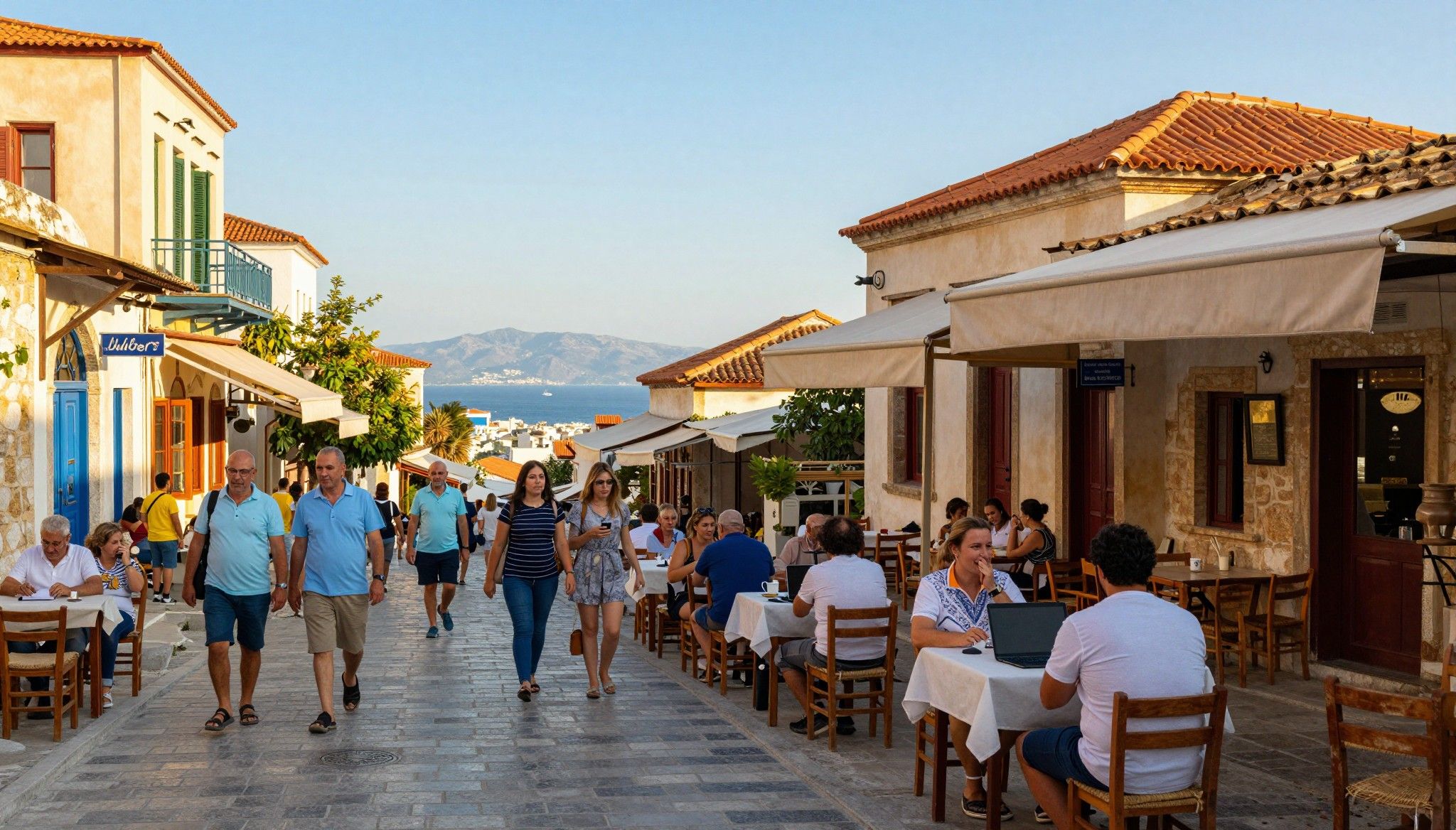
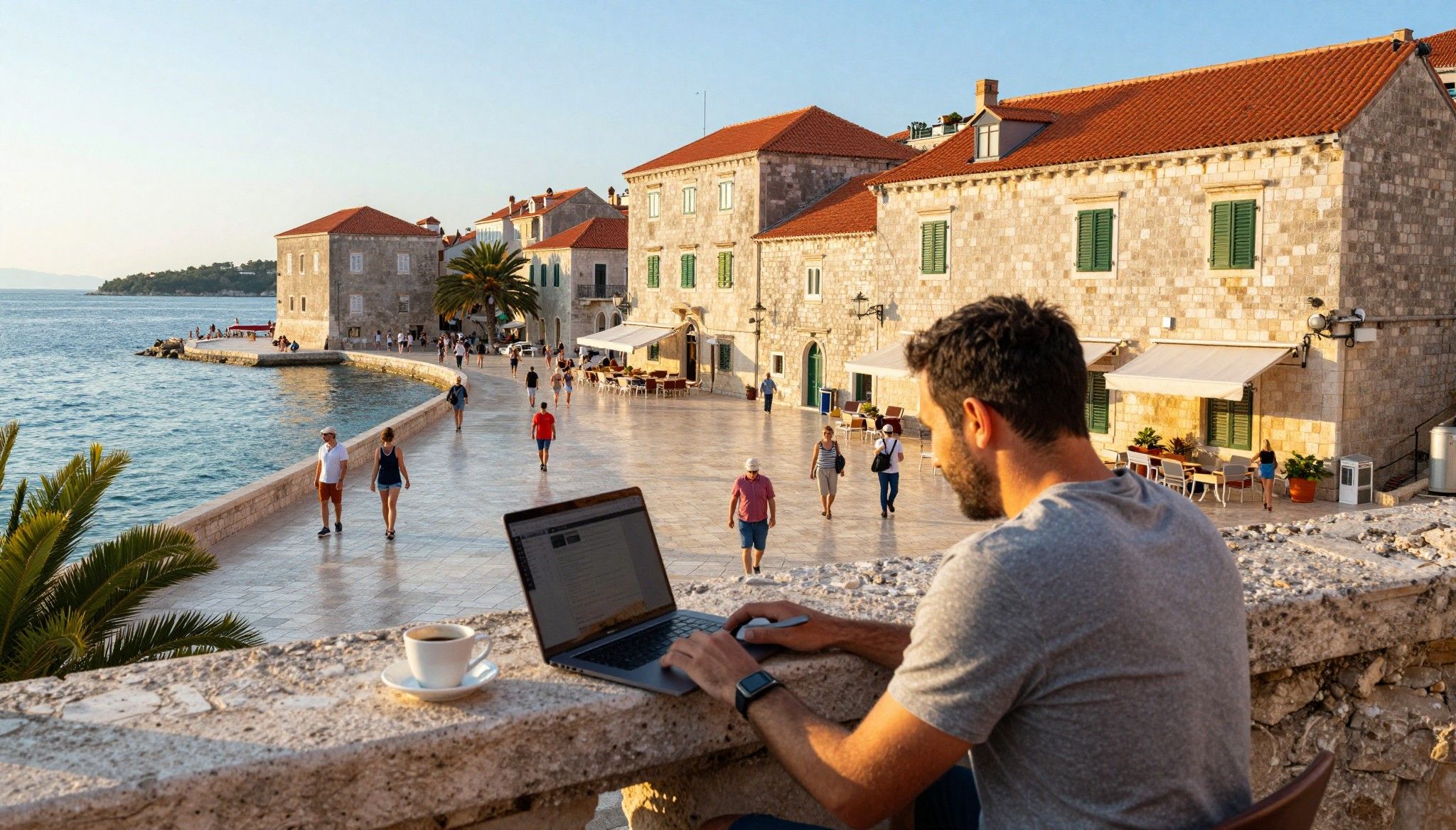
Imagine an espresso-scented morning on the Old Port promenade in Limassol, laptops open next to olive trees, and a late-afternoon swim followed by fresh fish at a taverna. Cyprus feels like long, slow summers and efficient European infrastructure rolled into one island — sunshine, small-town warmth, and surprisingly modern digital life. For nomads and remote workers, that image is the hook; for buyers, the questions start about mortgages, currency moves, and what “affordable” really means here. This guide mixes the lived-in Cyprus you’ll fall for with the money steps that turn daydreams into deeds.
Living the Cyprus Life
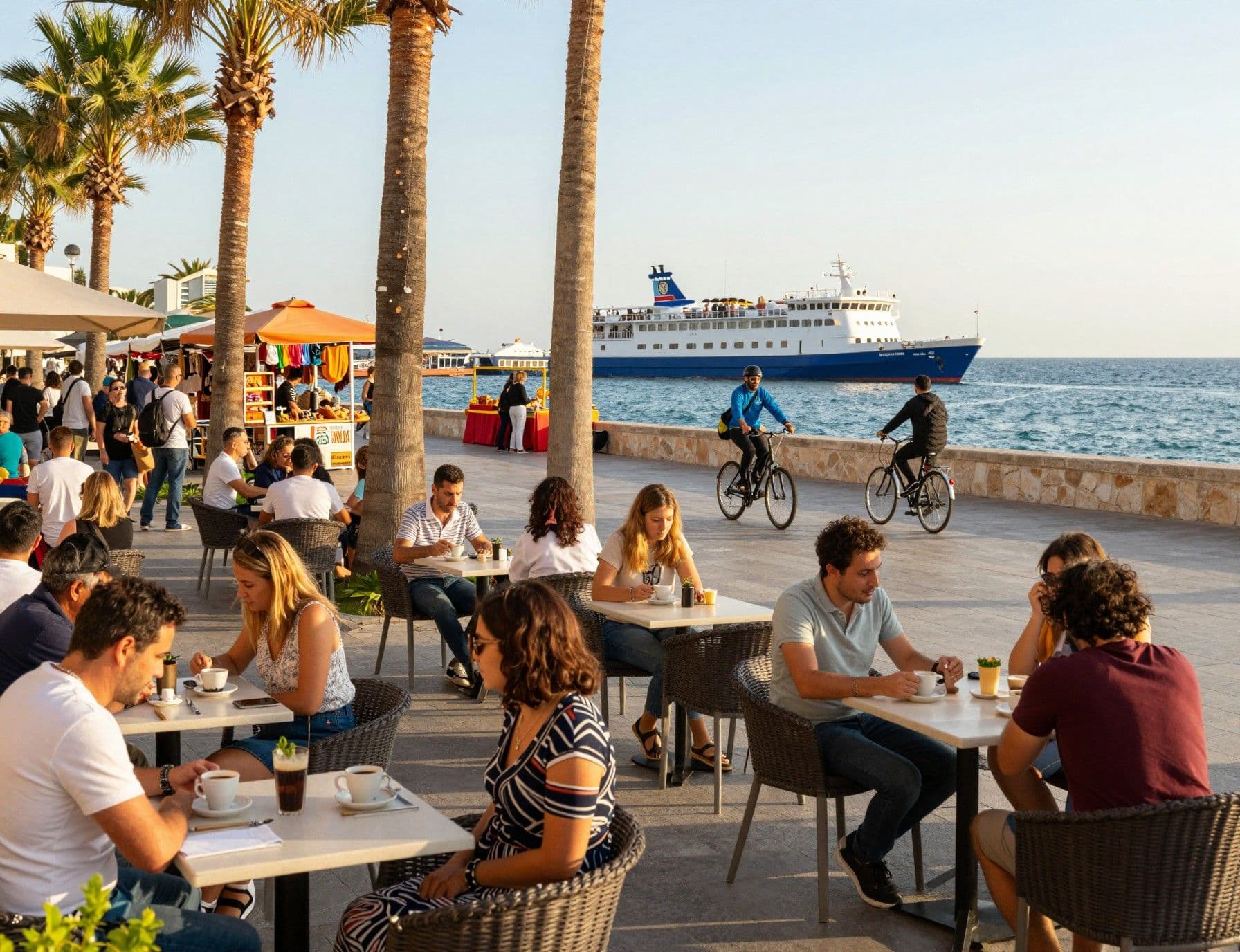
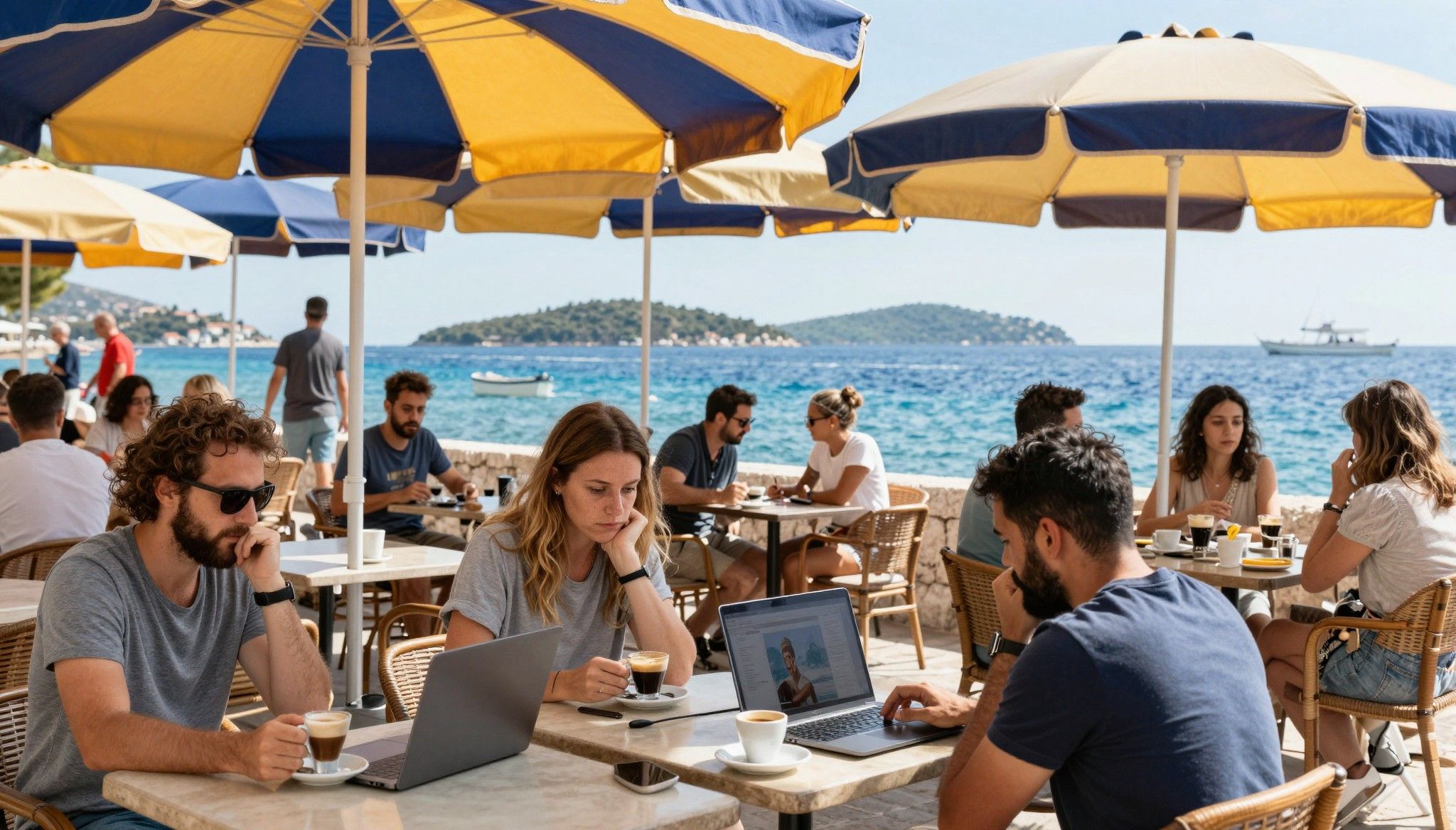
Cyprus is both Mediterranean postcard and working island. Mornings are for cafes — try Taverna Theo in Limassol’s Molos — while afternoons can be for co-working in old Venetian warehouses or bright, modern hubs in Nicosia. Weekends mean farmers’ markets, mountain drives to Troodos, and beaches where expats gather in Paphos and Larnaca. That rhythm shapes what buyers actually need: outdoor space, reliable internet, and walkable access to a social scene that isn’t just seasonal.
Neighbourhood pulse: Limassol, Larnaca, Paphos, Nicosia
Limassol hums with yacht culture, bilingual cafés and a higher price tag — think beachfront apartments and lively nightlife. Larnaca feels more local: slower beaches, a seafront palm-lined promenade, and compact neighbourhoods like Finikoudes for easy strolls. Paphos brings history and quieter villa life near Coral Bay, popular with families and retirees. Nicosia offers the island’s administrative and cultural heart, with inner-city townhouses and fast fibre for remote workers. Choosing a district is choosing a tempo — lively seafront, sleepy village, or practical capital life.
Food, markets and small rituals that shape living choices
Picture buying halloumi at an open-air market, then taking your laptop to a shaded café with 200 Mbps fibre. Local rhythms — the Friday market in Nicosia, the Sunday fish market in Larnaca — dictate when neighbourhoods feel alive. If you crave al fresco dinners and late sunsets, coastal areas win; if you want a concentrated work community and cultural events, Nicosia and Limassol offer year-round options. Those lifestyle choices filter down to the property type you should prioritise: balcony space for seaside living, a den or study for serious remote work, or a courtyard for village life.
Making the Move: Practical Money & Banking

The dream needs dollars and euros to meet. Cyprus uses the euro, which removes currency-conversion drama for Eurozone residents but matters for buyers moving savings from other currencies. Mortgage availability has improved since the banking reforms of the last decade: several banks now lend to non-residents, and average mortgage rates have been easing. Still, your loan-to-value, deposit size and employment proof matter — and local banks price risk differently than lenders at home.
Mortgages, downpayments, and realistic rates
Expect typical LTVs for non-residents of 60–70% for purchase; resident buyers often access up to 80% depending on profile. As of late 2025 many lenders were quoting effective home-purchase rates in the 3.5–5% range depending on product and margin. Your best move: get a local mortgage pre-approval before making offers — it tightens negotiating power and clarifies total monthly cost once taxes and insurance are added.
Banking, transfers and the surprising cost factor
Open a local bank account early: it simplifies utility set-ups, tax deposits, and seller payments. International transfers to Cyprus are straightforward but watch FX spreads and incoming transfer fees — they add up on large deposits. If you plan to rent out property, local accounts make managing rental income and maintenance cheaper. Also, ask banks about multi-currency accounts if you expect to move between currencies often.
Insider Knowledge: Red Flags, Timing & Local Reality
Here’s the real talk: Cyprus’s headline stats show resilience, but regional variation is everything. Limassol’s high-value segment quietly drives total market numbers while smaller towns offer better entry prices. That means the island isn’t uniformly “expensive” — you can find genuine value if you look at district-level trends and timing. Watch for new-build clusters (nice finishes, sometimes overpromised amenities) and always check title clarity before paying deposits.
The neighbourhood everyone avoids (that can be a hidden win)
Some buyers skip working-class suburbs near Limassol’s industrial edges because they sound ‘uncool.’ But streets close to transport nodes often show steady rental demand from local professionals and expats, with lower entry prices and quicker yields. If you prioritise cash flow and community integration over Instagram seafront selfies, these areas can give you a faster path to occupancy and rental income.
When to buy: why off‑season house hunting can pay
Tourist season turns Cyprus into a bustle of viewings and quick decisions. But serious savings show up in shoulder months — late autumn and early spring — when fewer buyers compete and agents are more motivated. Use that quiet to arrange local inspections, meet municipal planners about renovations, and negotiate extras like home repairs or flexible closing dates.
Practical due diligence checklist
Before any deposit: confirm the seller’s title with Land Registry searches, check outstanding municipal levies, review building permits for any extensions, and commission a structural survey. Use a Cyprus‑licensed lawyer who works in English and ask for translated copies of key documents. These checks turn island romance into a legally clean purchase.
- Ask for: land registry extract, approved building plans, recent utility bills, energy performance certificate, and a statement of any community/management fees.
- Verify: exact plot boundaries with a surveyor, whether ‘as-built’ matches approved plans, and any pending disputes or easements.
- Plan for: notary/legal fees, transfer tax, municipality stamps, and a small contingency (5–8%) for unexpected post-buy repairs or VAT on new builds.
Working with Local Experts (and what to expect)
A good local agent is part translator, part neighbourhood matchmaker. They’ll introduce you to a reliable lawyer, recommend lenders who work with foreigners, and show you the real rhythm of streets at different times. For nomads, ask agents about internet speeds, coworking proximity, and whether the property has a quiet room for calls — details other buyers sometimes miss.
Six steps to make offers that match lifestyle goals
- Get local mortgage pre-approval or proof of funds to show serious intent.
- Arrange a short trial stay in the neighbourhood and test commute, cafés, and coworking.
- Ask your agent for a list of comparable recent sales (last 6–12 months) to justify your offer.
- Include realistic timelines in your offer (finance approvals, inspections) to avoid last‑minute renegotiation.
- Use a lawyer to hold deposits in a client account and to check for restrictions on foreign ownership where applicable.
What expats wish they’d known
Expats say: expect small bureaucratic delays, budget for year-one setup costs (utilities, furniture, permits), and don’t assume every coastal town has fast fibre — verify. Also, community matters: joining local clubs or language classes accelerates belonging far faster than a glossy seafront view.
Conclusion: Cyprus offers a rare combo — sunlit lifestyle with European banking and improving mortgage access. If you prioritise outdoor living, fast internet, and a friendly community, pick districts that match that tempo and prepare your finances with local accounts and pre-approvals. Bring a lawyer, lean on a neighbourhood-savvy agent, and use shoulder seasons to inspect and negotiate. The island rewards buyers who love the life first and line up the money second — and when those align, you’ll be opening doors to a very good Mediterranean life.
British expat who moved from Manchester to Mallorca in 2017. Specializes in market analysis and helping fellow Brit navigate local regulations.