Cyprus Money Myths: Mortgages, Deeds & Nomad Life
Move to Cyprus with confidence: lifestyle-first insights plus mortgage, title deed and currency steps backed by Cypriot sources.
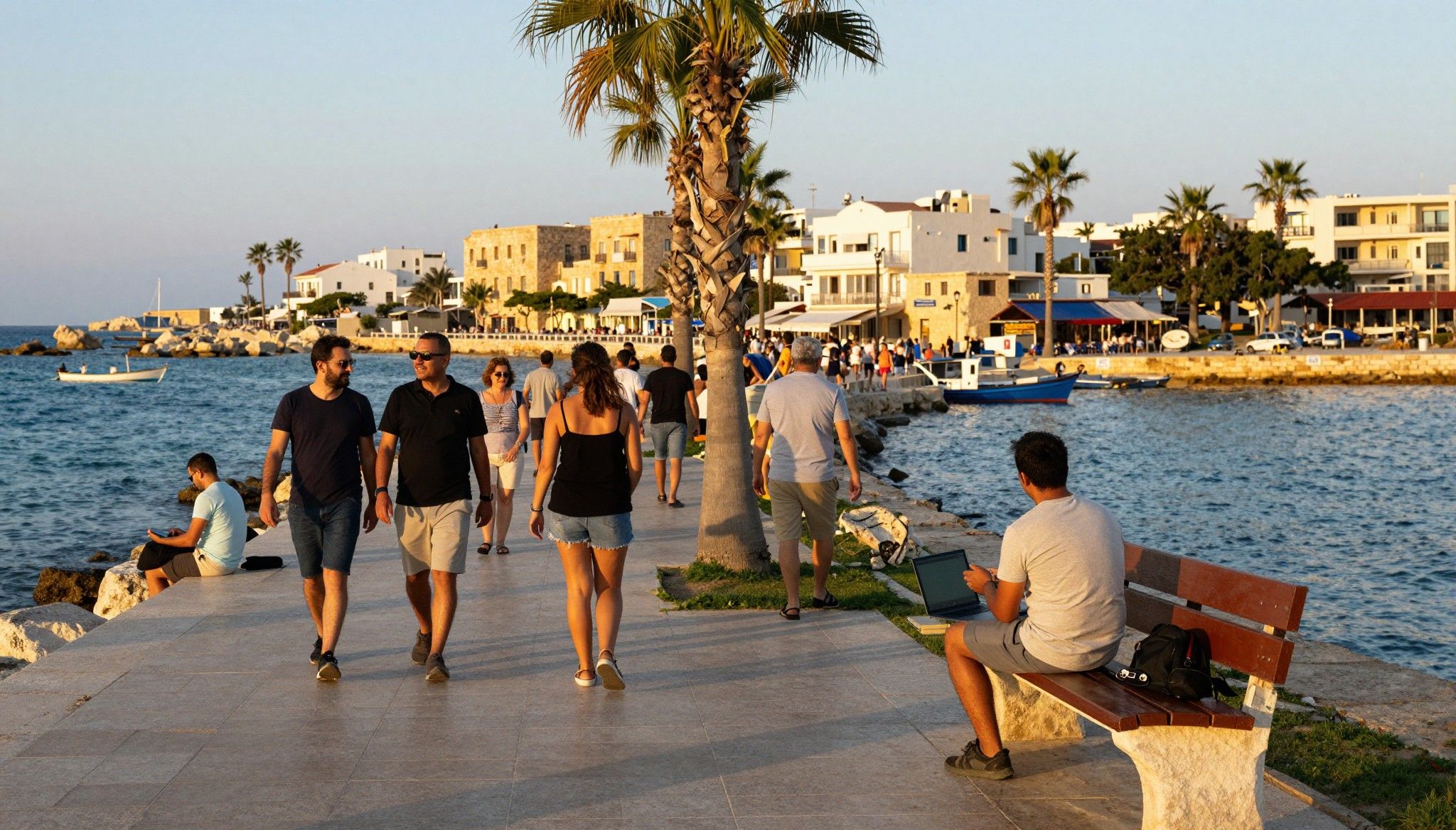
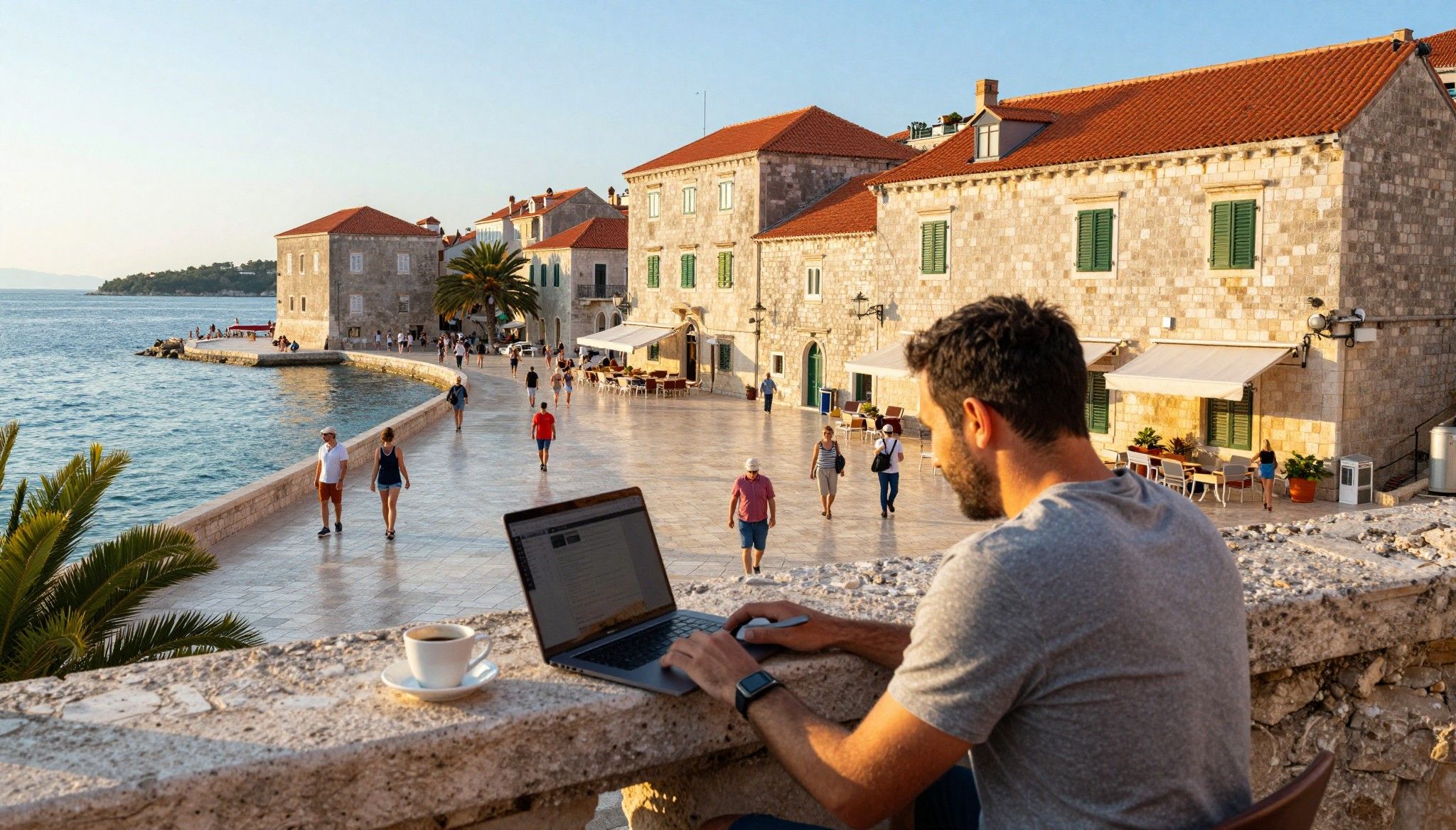
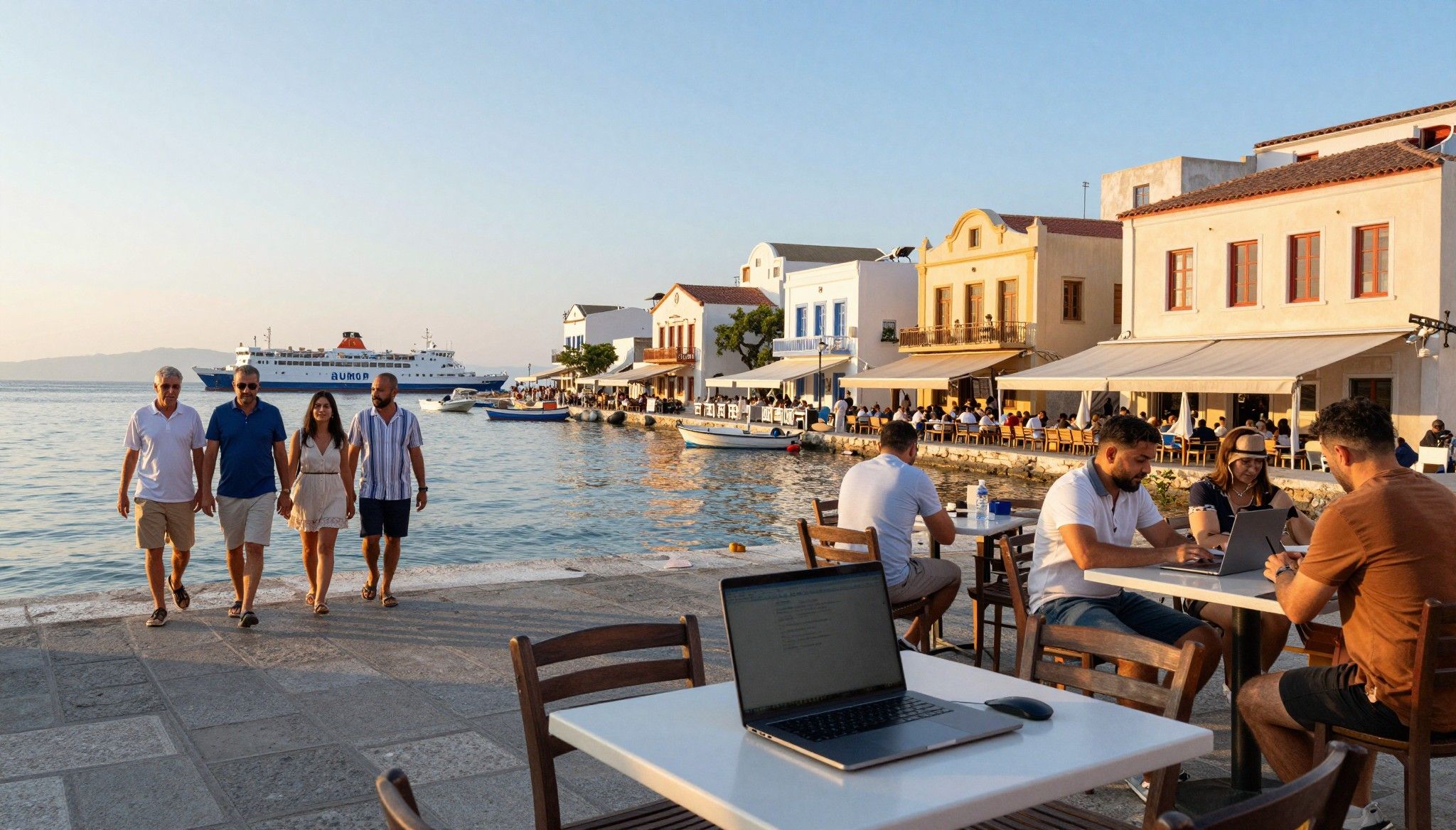
Imagine waking up to sea air on a historic Paphos street, grabbing a strong coffee in an outdoor kafeneio, and opening your laptop on a sunlit terrace while the Mediterranean hums below. Cyprus feels like an island‑sized village: towns with narrow lanes, beaches that double as weekend offices, and neighbourly markets where everyone knows your name. But that easy rhythm masks real estate choices — financing quirks, currency moves and paperwork that can surprise even seasoned nomads.
Living Cyprus: sunlit rhythms, neighbourhood personality
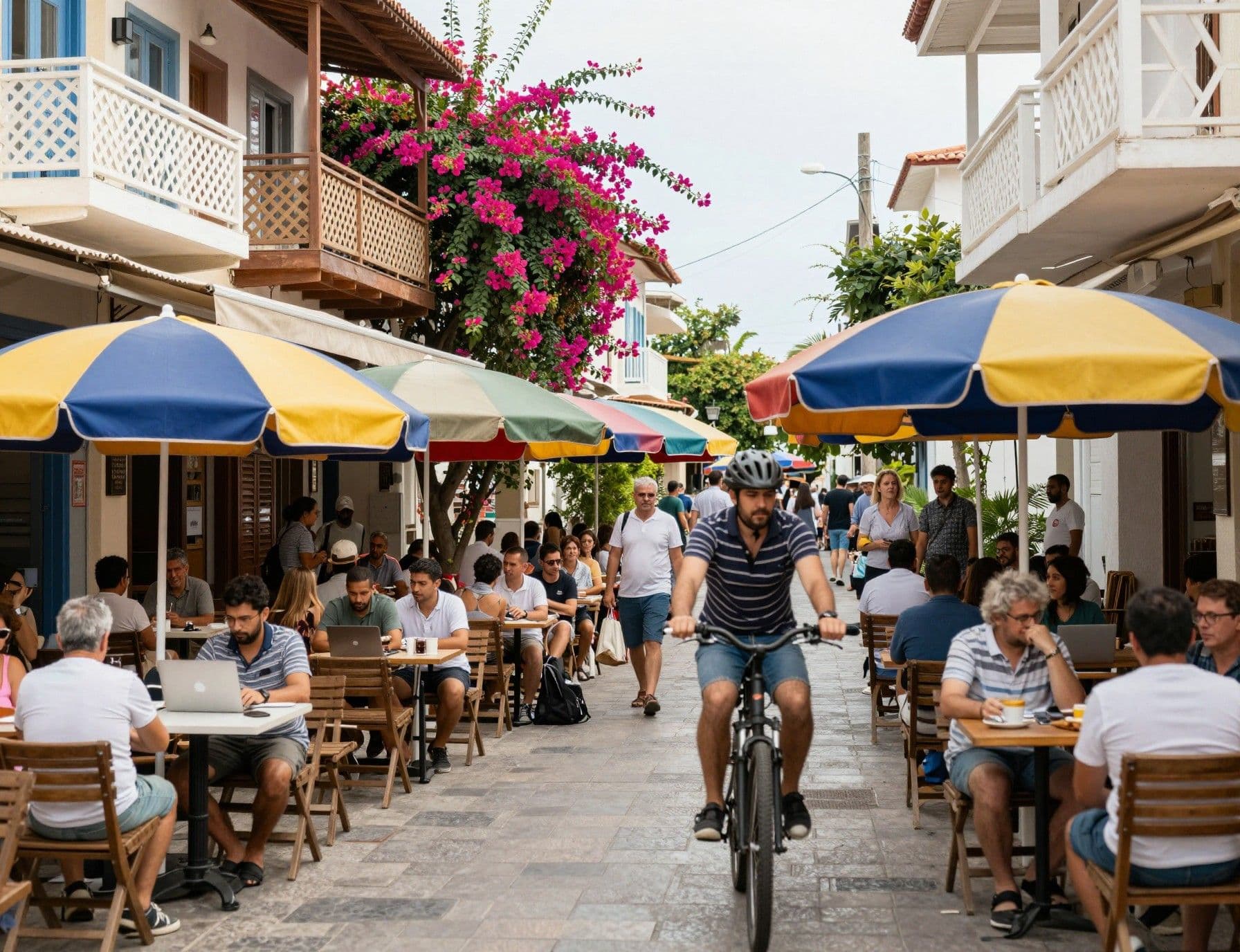
Cyprus isn’t one vibe — it’s a handful. Limassol pulses with seaside coworking, cocktail bars and marinas. Nicosia is a compact city of cafés, embassies and patchwork modernist flats. Paphos leans into archaeology, slow food and seaside promenades, while Larnaca offers budget-friendly beaches and a growing expat scene. Each place shapes how you’ll actually use a home: terraces in Limassol become afternoon offices; narrow stone cottages in the Troodos demand different heating and renovation budgets.
Limassol: the nomad playground
Picture Neapolis or Germasogeia: cafes with reliable Wi‑Fi, rooftop terraces, and coworking spaces like VOLO. Luxury developments cluster near the marina, but quieter streets around Agios Tychonas give you Mediterranean calm within a 10–15 minute drive of meetings. If you work across timezones, Limassol’s nightlife and weekend yacht culture make it easy to blend work and play.
Paphos & Troodos: slow weekends, serious outdoors
Buy in Kato Paphos or the old centre if you crave seaside coffee rituals and archaeological walks. Head inland to Troodos for village life, mountain air and traditional stone houses — perfect if you want a second home where winters are cool and summers are quiet. Utilities, heating, and construction styles differ here, so factor those into renovation cost estimates.
Money & process: what actually happens when you buy in Cyprus

The island’s market has been steadily active; official indices track modest price rises, but regional differences matter. Foreign buyers should plan for deposit structures, lawyer‑led contracts, and a final registration with the Land Registry. Expect trusted local banks to offer mortgages to EU residents and some products to non‑EU buyers — but terms vary and lending is tighter than pre‑2019. Always build a buffer for transfer fees, VAT on new builds, and possible renovation.
Mortgage & bank reality
If you’re an EU citizen, Cypriot banks are more likely to lend — typically up to 70–80% LTV for primary residences, lower for buy‑to‑let. Non‑EU buyers can get loans too but expect higher down payments and stricter affordability checks. Currency is the euro, which simplifies currency risk for euro‑area buyers but means others should consider timing transfers and using specialist FX services to save on conversion fees.
Practical money moves that feel local
Open an EU‑friendly bank account early; compare international FX services for large transfers; ask your bank about mortgage pre‑approval to set realistic budgets.
Insider knowledge: myths, red flags and the Cyprus exceptions
Two local truths every international buyer learns: title deeds are king, and timing the market matters by region. Many properties (especially older apartments) still lack registered title deeds, which can be fixed — but fixing costs time and legal work. Some buyers treat Cyprus’ reputation as ‘expensive’ as a deterrent; in reality, coastal luxury and inland village bargains coexist side‑by‑side, so local knowledge pays.
When a missing title deed is negotiable — and when it isn’t
Buying without a deed isn’t automatically reckless — many modern apartment blocks await formal registration — but you must insist the sale contract is lodged immediately and your lawyer secures assurances. If a seller can’t show final approvals, walk away or demand price and contractual protection. Local lawyers and agents can estimate how long regularisation will take and cost.
Red flags to watch for when buying in Cyprus:
Seller refuses to lodge contract with Land Registry; property lacking building permits; unusual encumbrances or heirs disputes; no recent energy/structural reports for older homes.
Step-by-step money checklist before you sign (simple, actionable)
1. Get mortgage pre‑approval or clear FX plan. 2. Hire a Cypriot lawyer to run Land Registry and planning searches. 3. Require contract lodgement within agreed days. 4. Place deposit in escrow and track transfer fees and VAT. 5. Confirm transfer registration timeline and final fees.
Working with agencies: choose lifestyle-first local experts
Local agencies are more than listing hubs — the right one knows where nomads hang out, which streets have cafés with power outlets, and which plots flood after heavy rains. Tell agents you prioritise internet, workspace, and walkability; good agencies will filter properties for terrace space, plug points, and proximity to coworking or reliable SIM coverage.
Lifestyle + finance checklist to give your agent:
Fast broadband or 4G/5G coverage; a quiet daylight corner for remote work; outdoor space for meetings or breaks; proximity to cafes/coworking; clear title status and recent utility bills.
In short: Cyprus gives you Mediterranean mornings, café culture and coastal coworking — but money moves and paperwork shape whether that dream turns into a smart buy. Use local market data, insist on lawyer‑led searches, plan currency transfers, and prioritise an agent who understands nomad life. Start with a clear mortgage or FX plan, and treat title deeds as a non‑negotiable check. Do that, and you’ll be trading weekend flights for a breakfast‑on‑the‑balcony life sooner than you think.
Danish investor and relocation advisor focusing on Portugal and the Algarve; loves coworking culture and expat networks.