How Euro Adoption Quietly Shifted Croatia's Property Money Game
Euro adoption reshaped Croatian financing — use season-aware buying, OIB-first prep, and bilingual legal support to match seaside lifestyle goals with solid mortgage and banking choices.
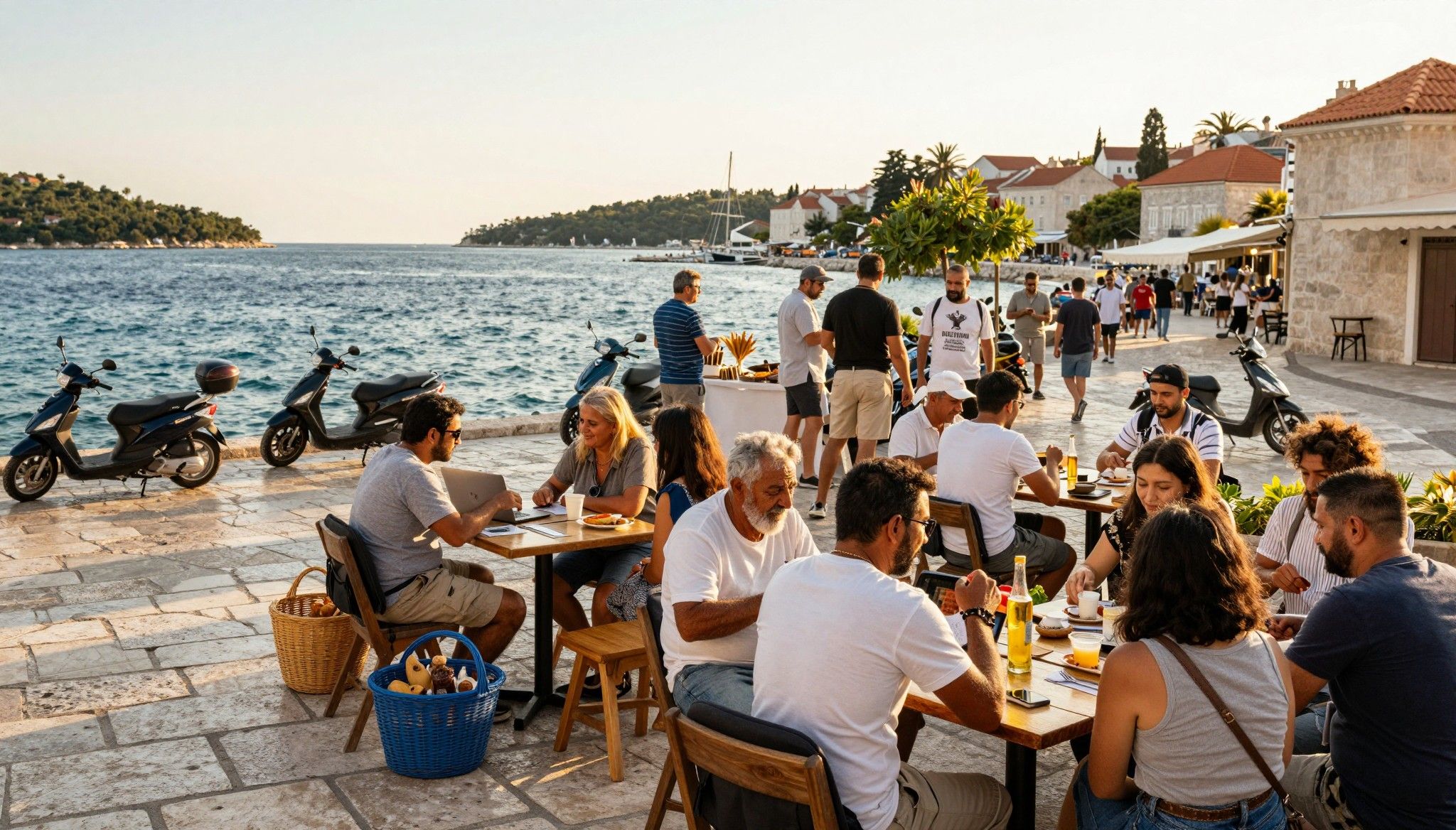
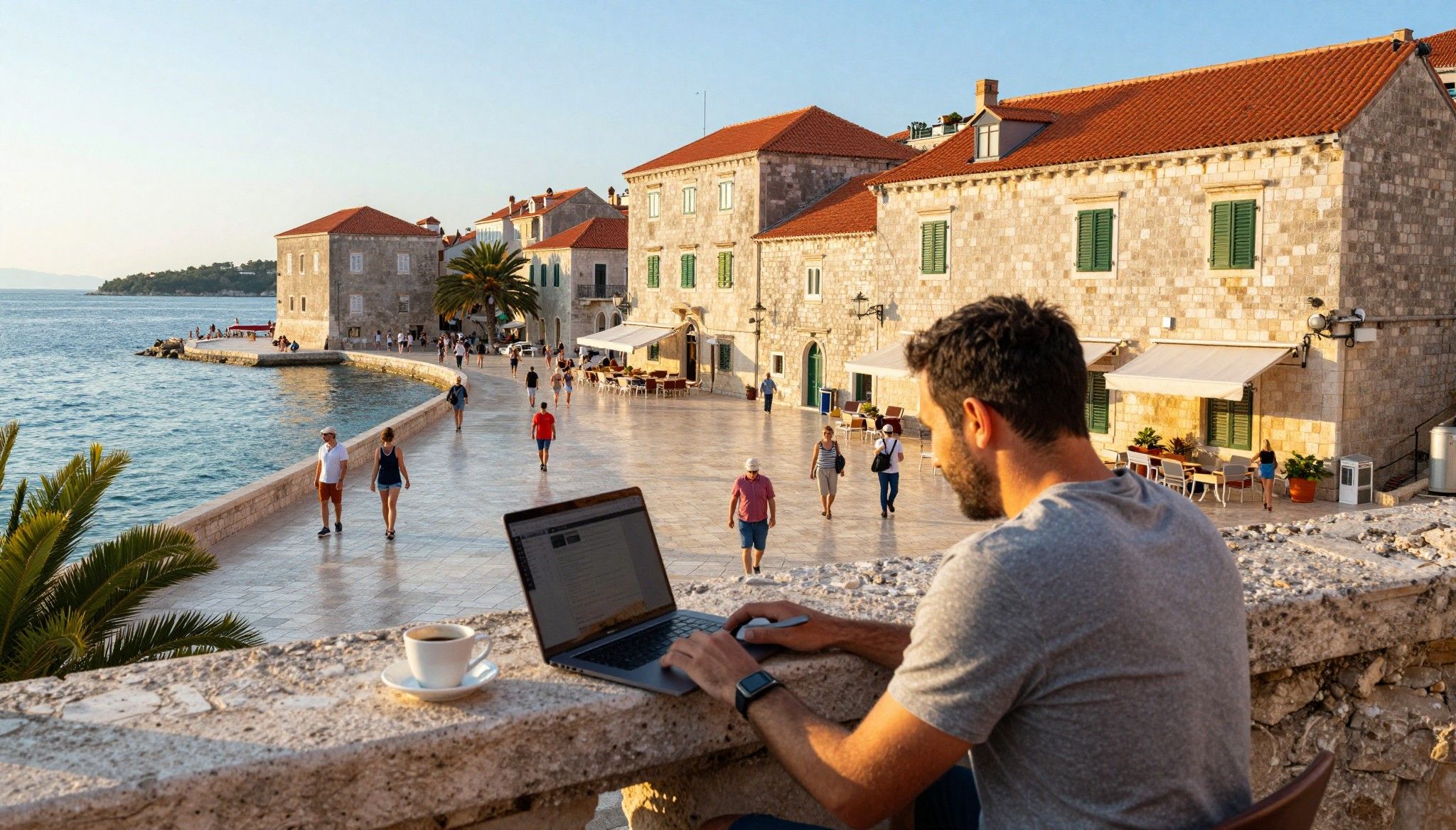
Imagine sipping espresso on Split’s Riva at 9 a.m., then closing a mortgage call with a Lisbon bank at 2 p.m. Croatia feels small and coastal until money matters arrive — and they’ve changed fast. Recent shifts in currency, lending and foreign-buyer rules mean your dream apartment by the sea behaves differently than it did five years ago.
Living the Croatia life — what your money buys
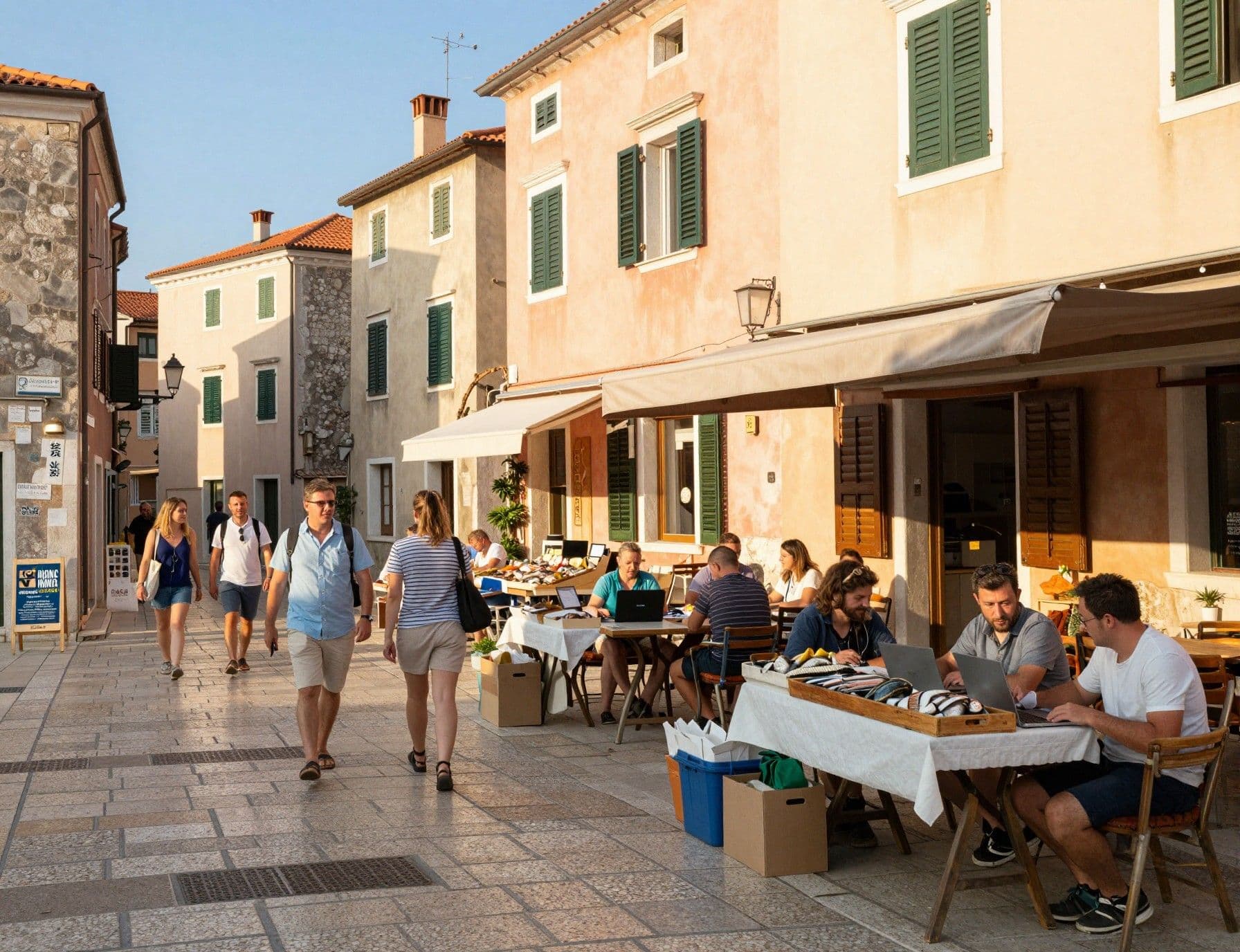
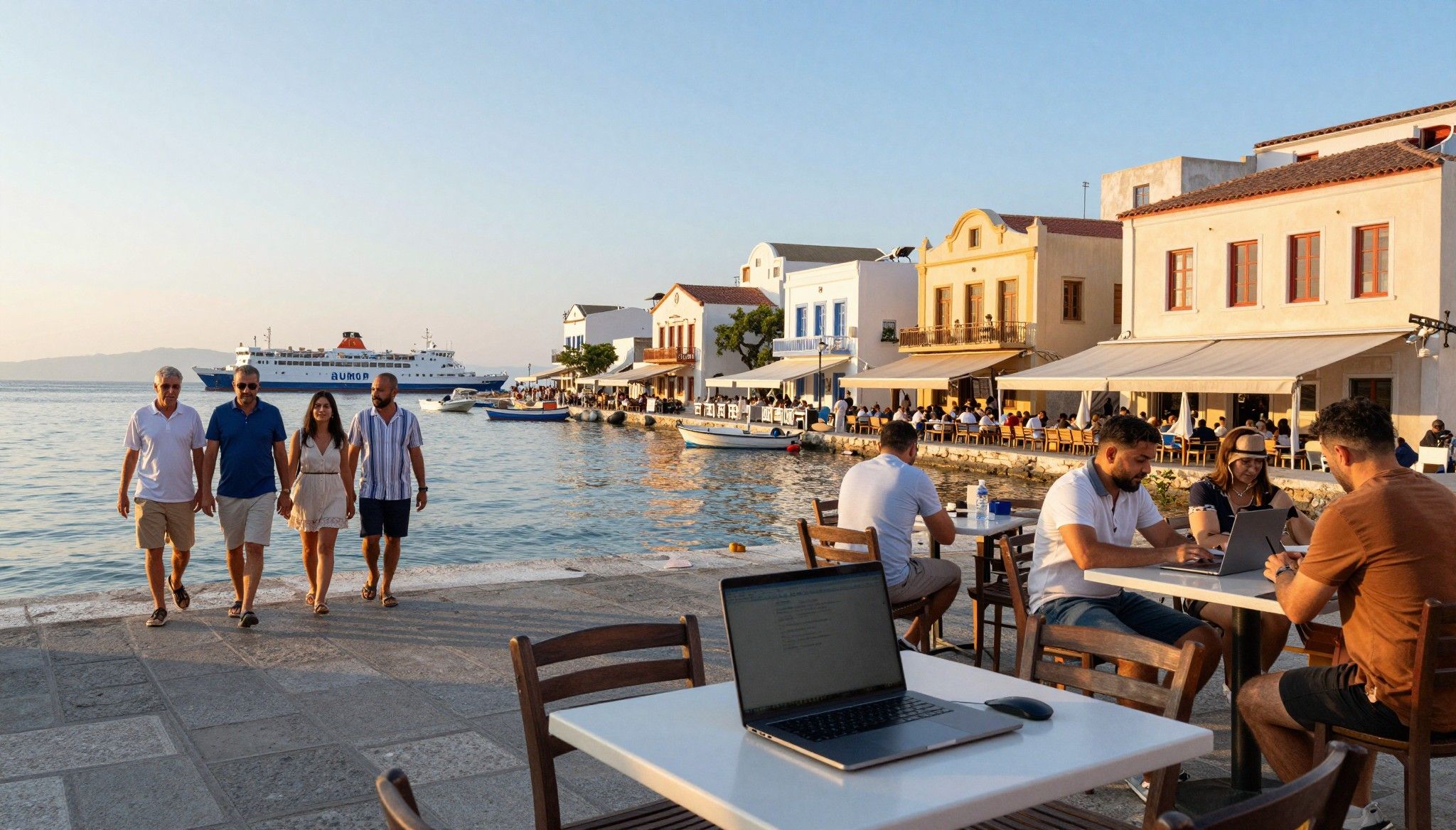
Croatia is sunlit stone streets, late-night konobas and weekend islands you can reach by hydrofoil. Cities like Dubrovnik and Split pulse with tourism; Zagreb has cafés that hum year-round. Coastal towns (Makarska, Rovinj, Hvar) glitter in summer, but the rhythm slows in autumn — and that’s where money-savvy buyers find bargains. Lifestyle and price dance together here: location gives you sea-scented mornings; seasonality gives you negotiating power.
Neighborhood pulse: Split’s Veli Varos to Zagreb’s Tkalčićeva
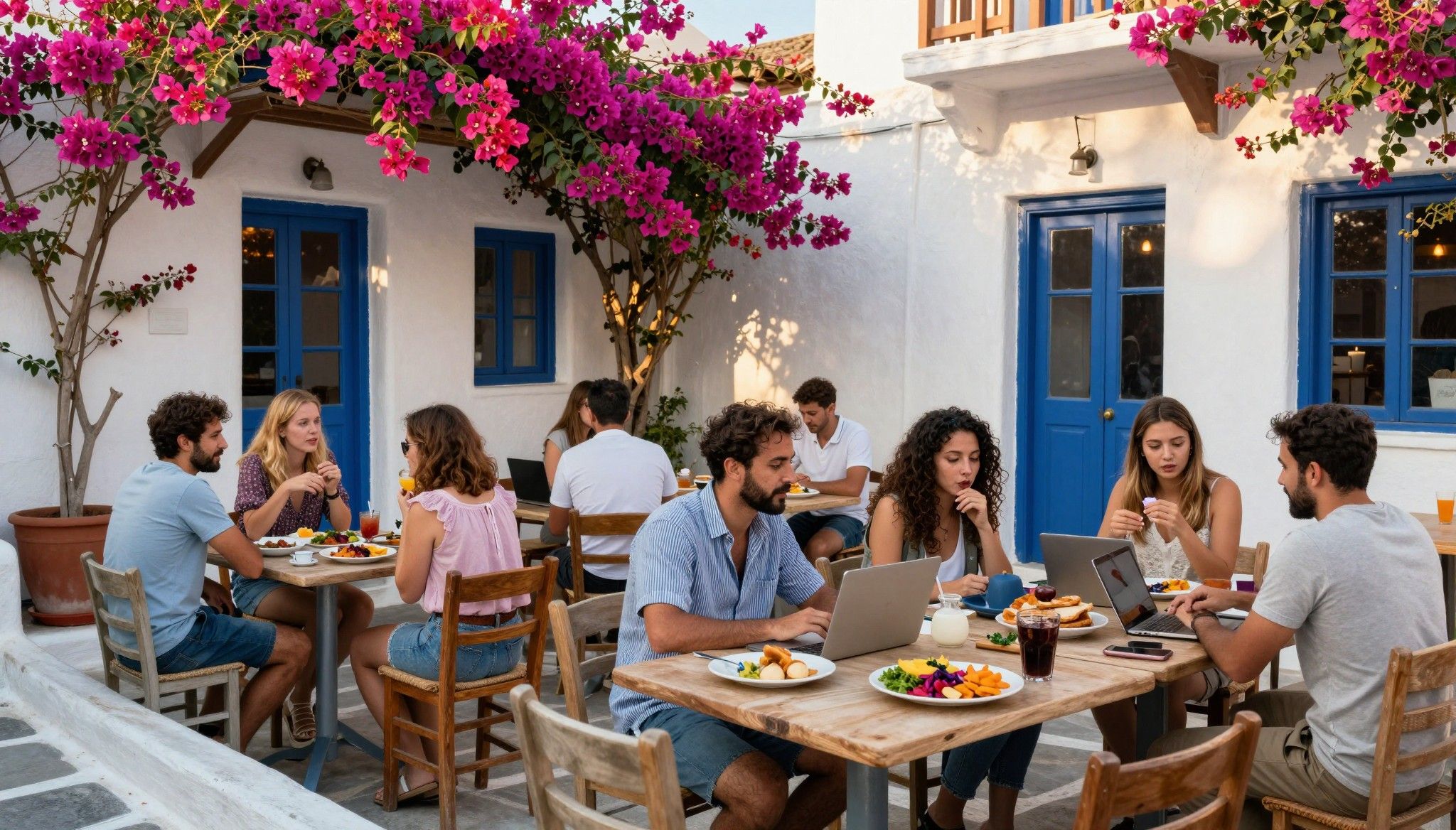
In Split, Veli Varos is a network of stone alleys and tiny cafés where locals still gossip over flat whites — apartments here are compact but irresistibly walkable. Zagreb’s Tkalčićeva street is bar-lined and social, great for nomads wanting coworking by day and aperitivo by night. On the Istrian coast, Rovinj’s Old Town is postcard-perfect; inland Istria offers truffle-season calm and larger properties at lower per-square-meter prices.
Food, markets and the slow-weekend ritual
Picture Saturdays at Dolac Market in Zagreb — farmers calling out figs and cheeses — or oyster tastings in Ston after a ferry crossing. These rituals aren’t just charming; they signal what living here costs and where value lies. Neighborhoods with thriving markets and year-round locals often have steadier rental demand and more resilient prices than purely tourist strips.
- Lifestyle highlights to scout in person: Split’s Veli Varos cafés; Rovinj’s Old Town alleyways; Hvar’s quieter inland villages; Zagreb’s Dolac Market for weekend life; Ston’s oysters and salt flats; Makarska promenade for long walks.
Making the move: money realities after euro adoption

Croatia adopted the euro on 1 January 2023, and that single fact rewired financing, pricing psychology and cross-border banking. Gone are quirky kuna-kuna deals; buyers now face euro-denominated listings, euro mortgages and easier cross-border transfers. That simplifies life — but it also means international buyers compete on the same currency footing as Europeans, and rates and bank behavior follow broader euro-area dynamics.
How euro adoption changes financing choices
With the euro as legal tender, local banks price loans against euro area benchmarks. That means: mortgage offers can be competitive, but they’re sensitive to ECB rate moves; cross-border euro accounts are easier; and currency-conversion risk — once a big headache for buyers earning in euros — is largely gone. Still, shop for mortgage terms: fixed vs variable, loan-to-value for non-residents, and early-repayment penalties.
Working with banks as a non-resident
Non-EU buyers typically need an OIB (personal ID number) and sometimes ministry approval; many use home-country financing and register a foreign mortgage in Croatia. Local banks may ask for residency, proof of income, and larger deposits. Use a bilingual lawyer and ask your agency to intro a bank officer who understands expat cases — that’s how you avoid wasted trips and surprise refusals.
- Steps to secure finance and protect your lifestyle plans: 1) Get an OIB early—banks and notaries need it. 2) Pre-approve with both a local bank and an international lender. 3) Compare fixed vs variable euro mortgages and ask about early repayment fees. 4) Budget for transfer tax (3% on most resales) and recent regulation-driven costs. 5) Use escrow via a Croatian notary to protect deposits.
Insider knowledge: what expats wish they’d known
Expats tell a common story: they fell for the lifestyle first, then learned the fine print the hard way. After euro adoption, foreign buyer patterns shifted toward coastal second homes and short-term rental investments — and regulations tightened around short-term lets in 2025. That matters for returns and for living plans: know whether you want a lived-in home or an income-generating asset before signing.
Language, community and the slowest costs
Croatian is the social key — a few phrases open doors at markets and municipal offices. But English works well in tourist towns and with younger professionals. Strong local relationships (neighbourhood chat, your building manager) save money on maintenance, give early heads-up on listings, and often mean better managing of community rules that affect rentals and renovations.
Long-term view: what keeps life here real
Long-term, pick a place where your daily life works: coworking spots (Zagreb’s HUB385, Split’s Lauba-adjacent cafes), reliable internet, and a community you like. Properties in mixed residential-and-local-business streets age better than purely tourist blocks. The euro made prices easier to compare — now it’s your lifestyle checklist that should decide which neighborhood you buy in.
- Red flags and money traps to avoid: excessive short-term rental dependency in the building; sellers insisting on cash-only side deals; missing building diagnostics (energy certificate, structural checks); murky ownership chains; and being pressured to skip a local lawyer.
Conclusion: Croatia’s lifestyle is intoxicating; the money side is clearer than it used to be — thanks to the euro — but still needs local smarts. Start with a vivid shortlist of neighborhoods that match how you want to live, secure an OIB, get pre-approvals, and bring a bilingual lawyer and an agency that knows seasonal and regulatory shifts. Live-first choices, money-wise moves: that’s how you turn a Croatian weekend fantasy into a weekday reality.
Norwegian who has helped 200+ families relocate from Oslo to Spain; expert in relocation services and community integration.