Euro, OIB & the Sea: Money Moves to Buy in Croatia
How to mix seaside lifestyle with euro banking, mortgage realities and legal steps so your Croatia dream becomes a sound purchase.
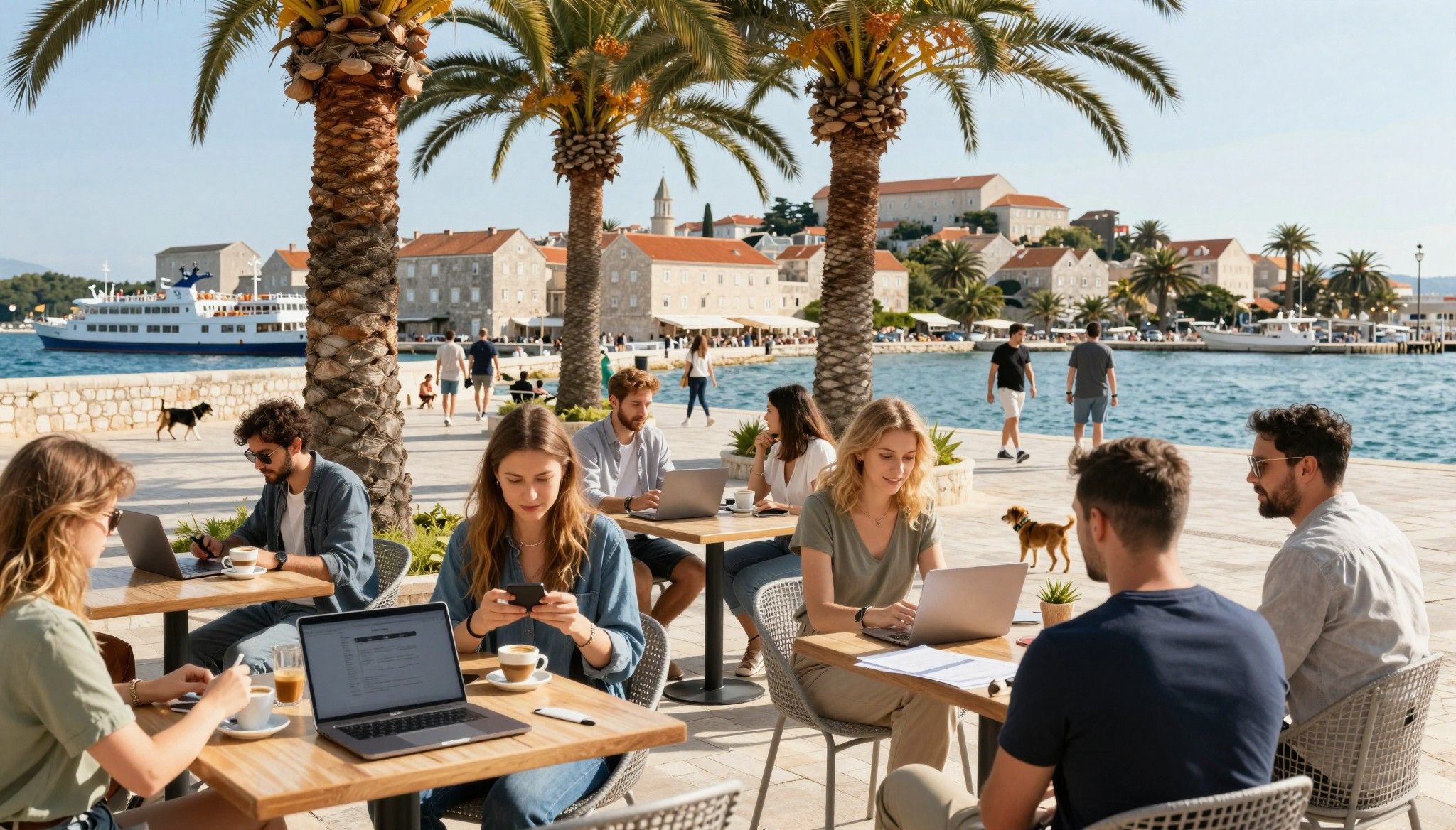
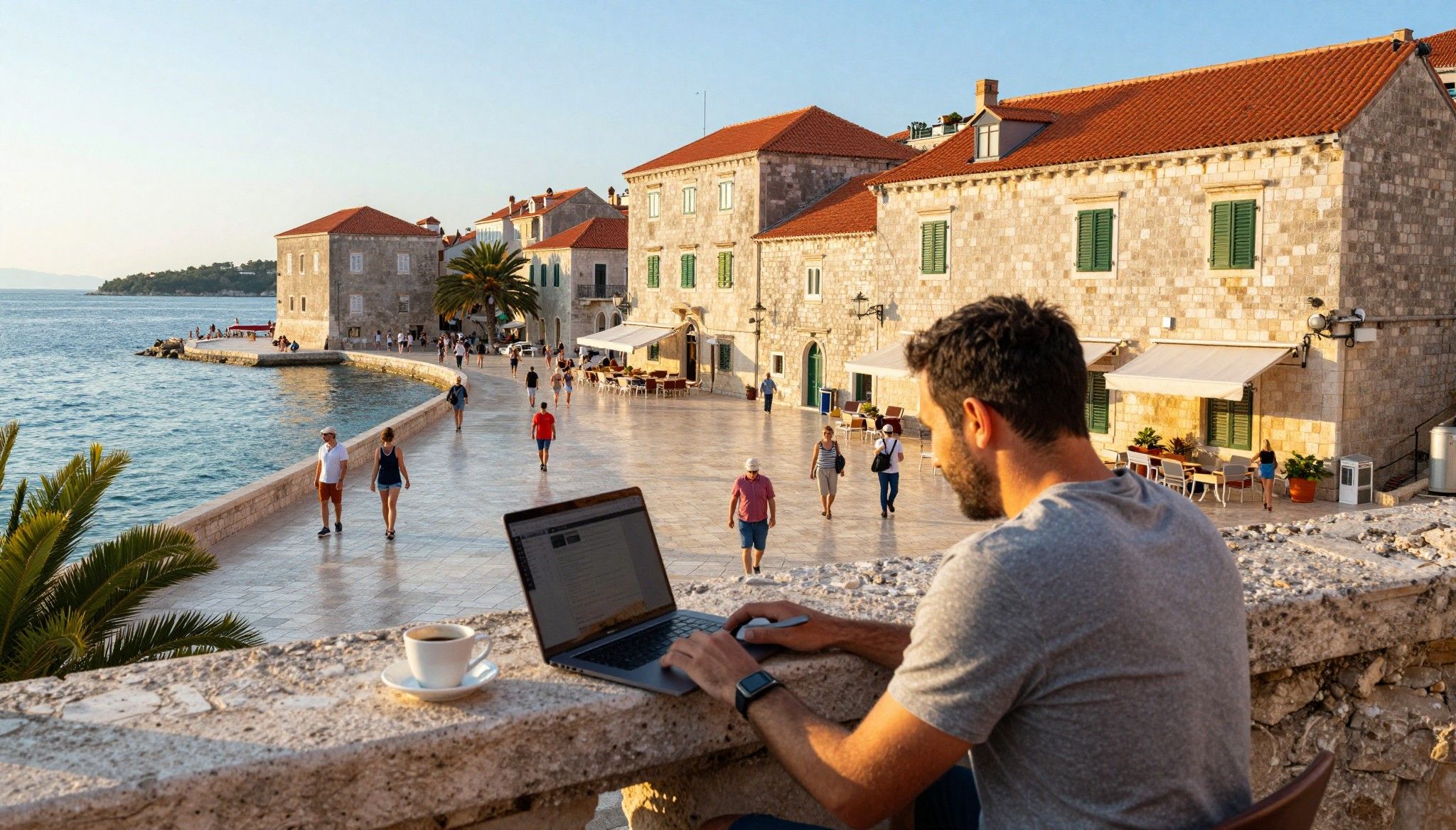
Imagine waking up in a sunlit apartment on Split’s Riva, the smell of espresso drifting from the corner kiosk, Slack notifications chiming as you sip. Croatia makes that daily scene possible — turquoise coasts, walled medieval towns, and open-air markets — but money rules here matter as much as the view. This piece blends the dreamy (market terraces, island ferries, markets on Friday mornings) with the nuts-and-bolts you actually need: euro banking, mortgages for foreigners, and smart timing that saves you thousands.
Living Croatia: How the place actually feels
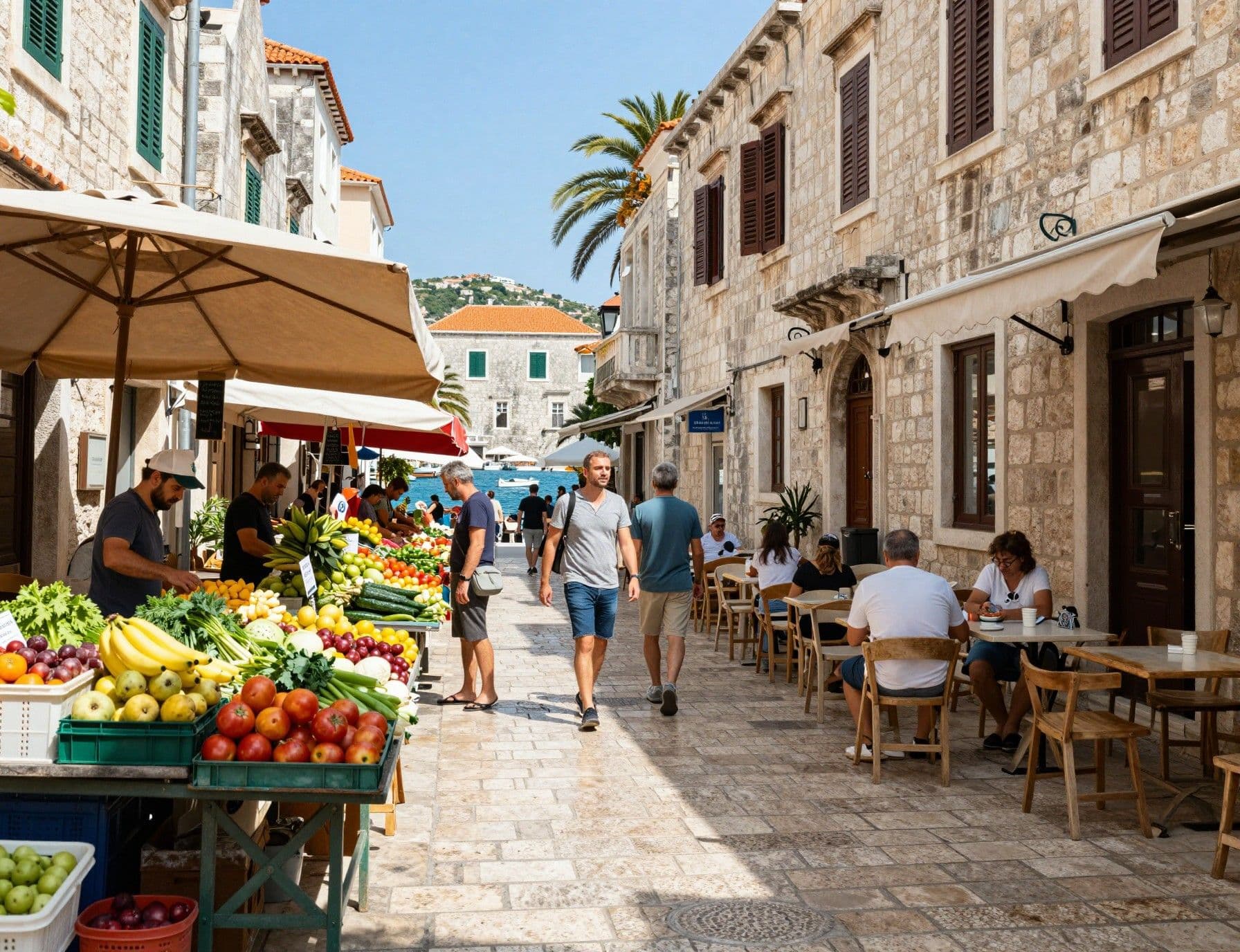
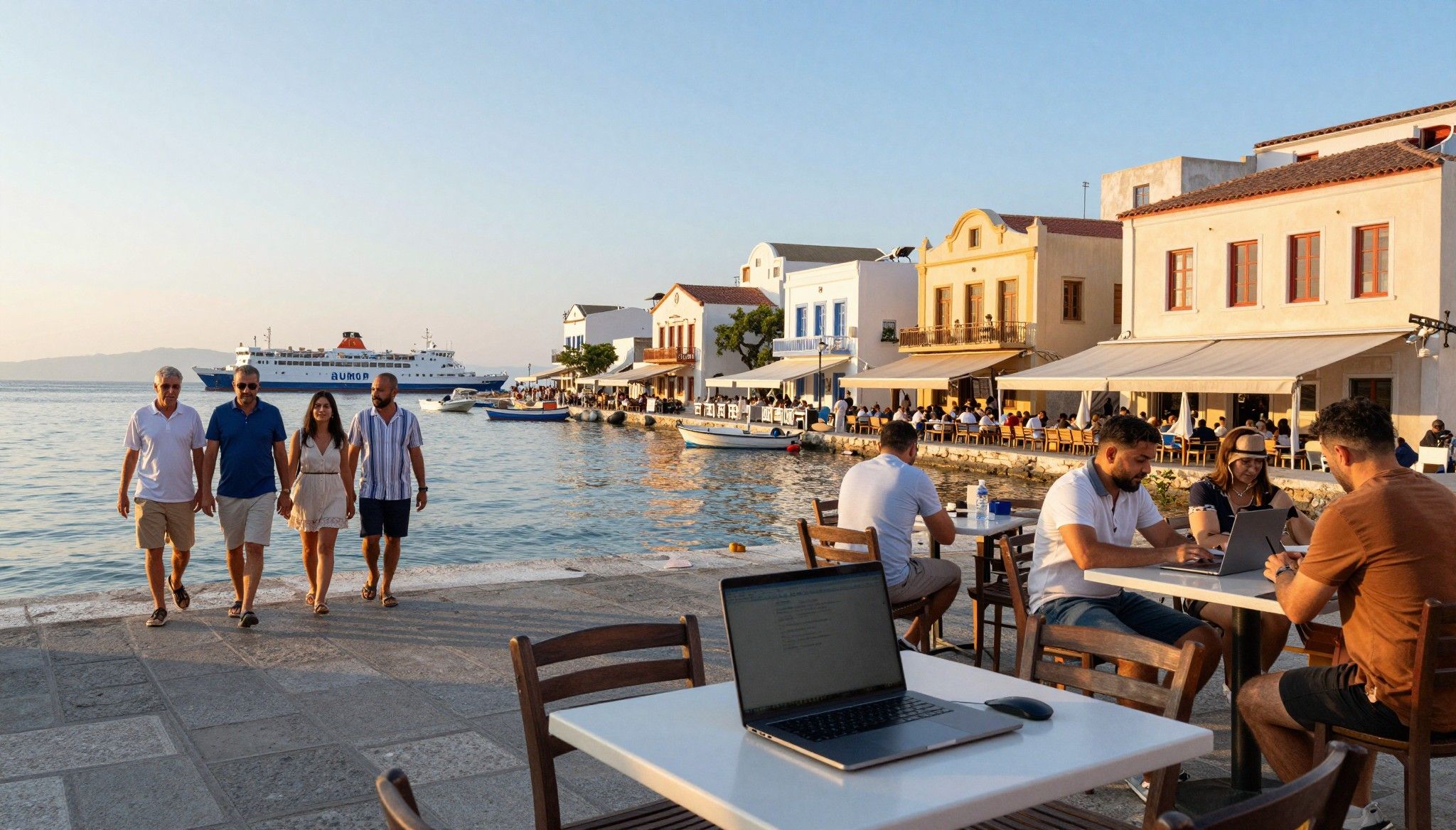
Croatia is equal parts Adriatic glamour and compact daily life. In Zagreb you’ll find bustling cafes, coworking hubs and leafy parks where people meet after work; on the coast — Split, Zadar, Hvar — life bends around sea timetables, ferries and seasonal rhythms. Streets smell of grilled fish and pine, Sunday markets sell figs and cured ham, and small squares turn into evening living rooms where neighbours catch up. If you’re a nomad, that means choices: a quiet historic flat with a terrace in Trogir, or an apartment above a café in Split where clients can meet over cappuccinos.
Neighborhood snapshots: where to base yourself
Pick your vibe and the lifestyle follows. In Zagreb’s Maksimir and Šalata you get park runs and strong coworking (HUB385), steady internet and year-round cafés. Split’s Veli Varoš and the stretch around Diocletian’s Palace deliver old-stone charm and immediate beach access — but expect summer crowds. Zadar and Rijeka have quieter price curves and growing creative scenes; islands like Vis and Korčula sell slow-life privacy. Those micro-choices change financing: coastal holiday zones often mean higher seasonal rental income but stricter local permits for short-term lets.
Food, festivals and the rhythm of the year
Season matters. Summers are electric: outdoor concerts, island hopping and booming tourist rents. Winters are intimate — markets slow, cafes reclaim tables and renovation work gets done. Many nomads take advantage of Croatia’s digital nomad permit and its tax benefits while testing neighborhoods off-season; that timing can make property visits cheaper, more honest, and easier to negotiate. Practical note: if you plan to apply for residency first, check digital-nomad rules and documents before signing offers so your banking and tax picture stays clear.
- Lifestyle highlights to try before you buy: 1) Sunset drinks on Split’s Riva, 2) Saturday fish market at Rijeka, 3) espresso and coworking mornings in Zagreb’s Lower Town, 4) ferry day trips from Hvar to Pakleni Islands, 5) Truffle-hunting weekends in Istria, 6) small-town winter life in Šibenik.
Making the move: money, banks and mortgages
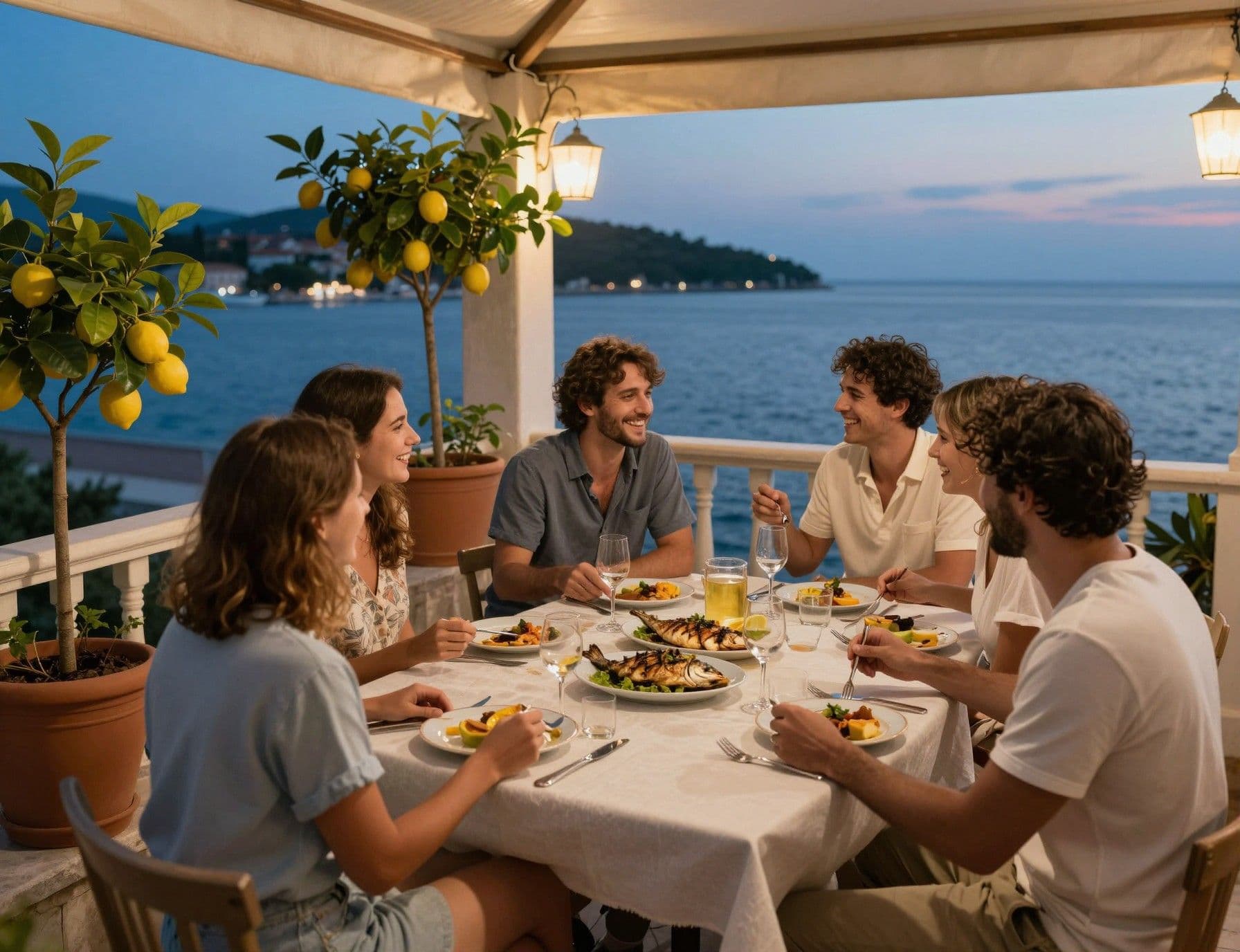
Here’s the practical pivot: lifestyle dreams meet local rules. EU citizens can buy under the same conditions as Croatians; non-EU buyers often need ministry approval or use a Croatian company. Expect banks to ask for an OIB (personal tax number), proof of income, and local appraisals. Interest rates and lending rules have shifted — Croatia’s central bank publishes loan statistics and rules that affect maximum debt-to-income ratios, so plan for full-document applications rather than casual negotiations.
Mortgage realities: what lenders care about
Banks look at residency, income currency, and collateral. If you earn in euros or have reliable foreign payroll, Croatian banks are friendlier — many loan products are euro-denominated since Croatia uses the euro. Down payments for non-residents often run 20–40% in practice, even if rules allow lower minima. Recent CNB releases also highlight limits such as a debt-service-to-income cap (commonly around 40–45%), so run the numbers with a mortgage broker before falling in love with any listing.
Steps to prepare your finances before making an offer:
- Get an OIB and basic local documents; secure translated pay slips and tax returns; speak with two local banks or an international bank branch about euro loans; arrange a local lawyer/notary for contract checks; decide whether to buy via company (common for non-EU buyers) and budget for appraisal, notary and transfer fees.
Insider knowledge: what expats wish they'd known
Real talk from people who moved here: mortgage approvals take time, summer listings hide wear-and-tear, and local relationships speed everything up. Many expats tell us the biggest gains came from buying off-season, asking sellers about utility costs and insulation (old stone homes can be charming but cold), and getting neighborhood intel from local cafes and markets. An agent who understands both nomad needs (good internet, workspace potential) and local banking rules is worth their weight in kuna.
Cultural and community cues that affect money decisions
Croatians value face-to-face trust. That shows in paperwork — notarised documents, local references, and in-person signings are common. For buyers, this means meeting attorneys, visiting the municipality office, and building rapport with agents who can translate administrative steps. Also, if you plan to rent out part-time, check local rules: some municipalities limit short-term lets and require special registration.
- Red flags and quick checks before you sign (lifestyle + legal): 1) Confirm utility bills and internet speed (ask neighbours or current tenants), 2) Check seismic reinforcement and roof age (many coastal stone homes need work), 3) Verify short-term rental rules with the local municipality, 4) Ask for a land registry extract and confirm no encumbrances, 5) Understand seasonal running costs (cooling, municipal fees).
You don’t have to choose between romance and reason. Buy in Croatia by starting with lifestyle visits off-season, pre-qualifying for a mortgage or lining up euro banking, and working with an agent who reads both property listings and local rhythms. The right move gives you market-savvy financing and a neighbourhood where you can picture coffee at dawn and ferries at dusk.
Next steps: get an OIB, talk to two banks about euro mortgages, book off-season neighbourhood visits, and hire a Croatian property lawyer to check title and permits. If you want help matching lifestyle to lending options, an agent who knows both the coast and the banking paperwork will turn a dream into a practical, bank-approved plan.
Dutch investment strategist guiding buyers to Greece and Spain; practical financing, tax, and portfolio diversification.