Buy in France: Money Moves that Shape the Life You’ll Live
Fall for France’s rhythms while planning financing: how non‑residents secure mortgages, bank in euros and protect currency risk — with local lifestyle choices.
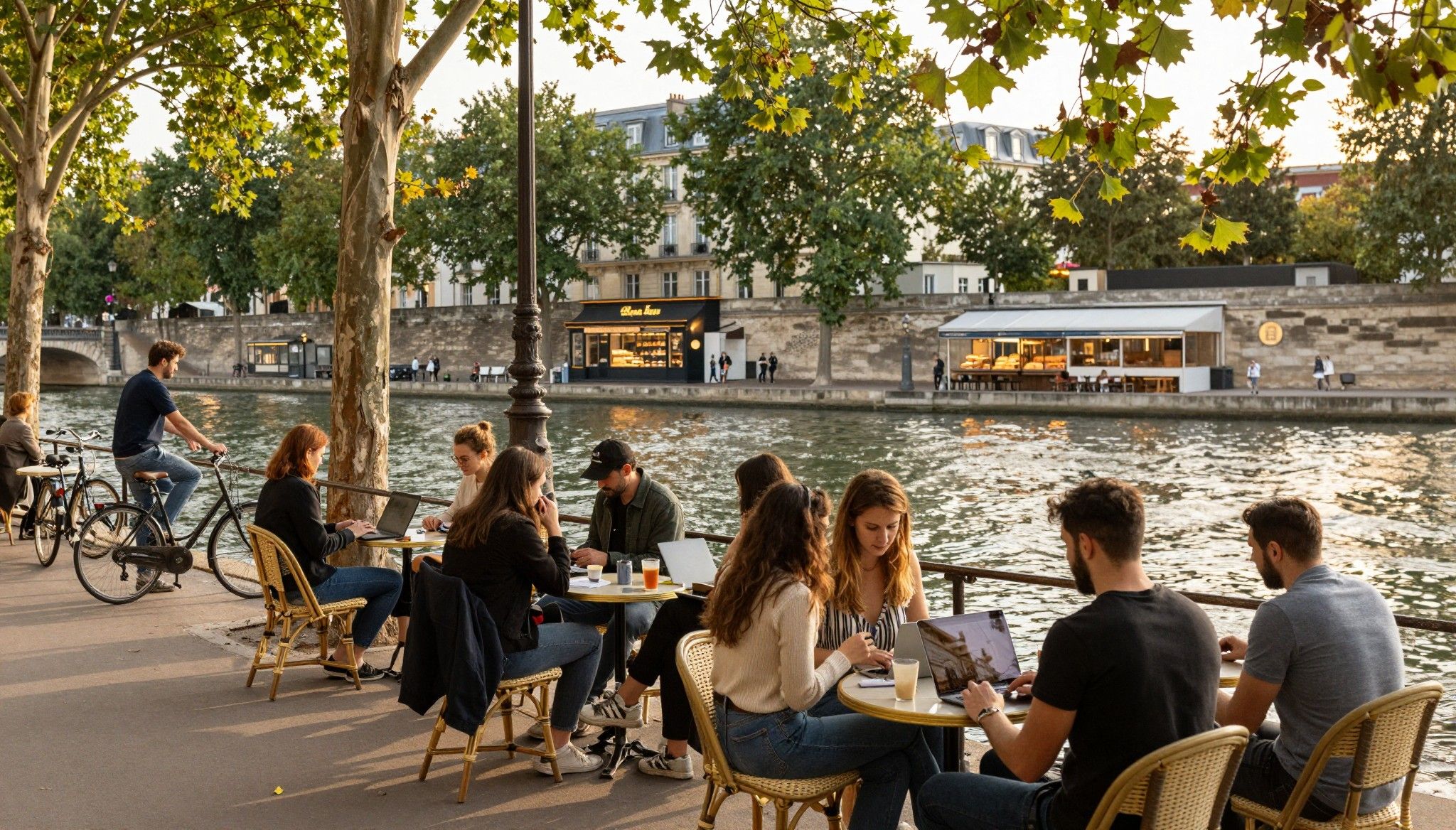
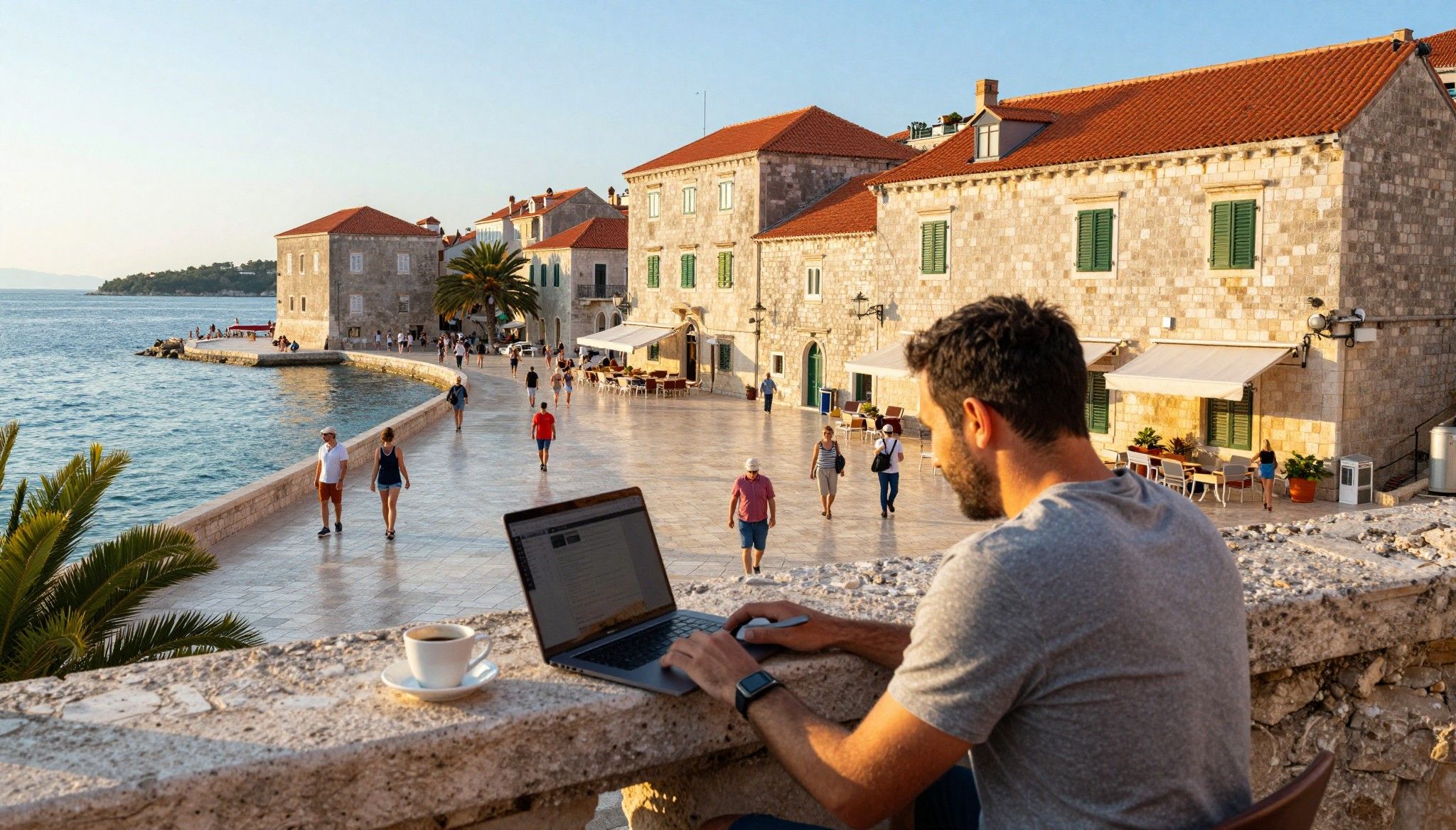
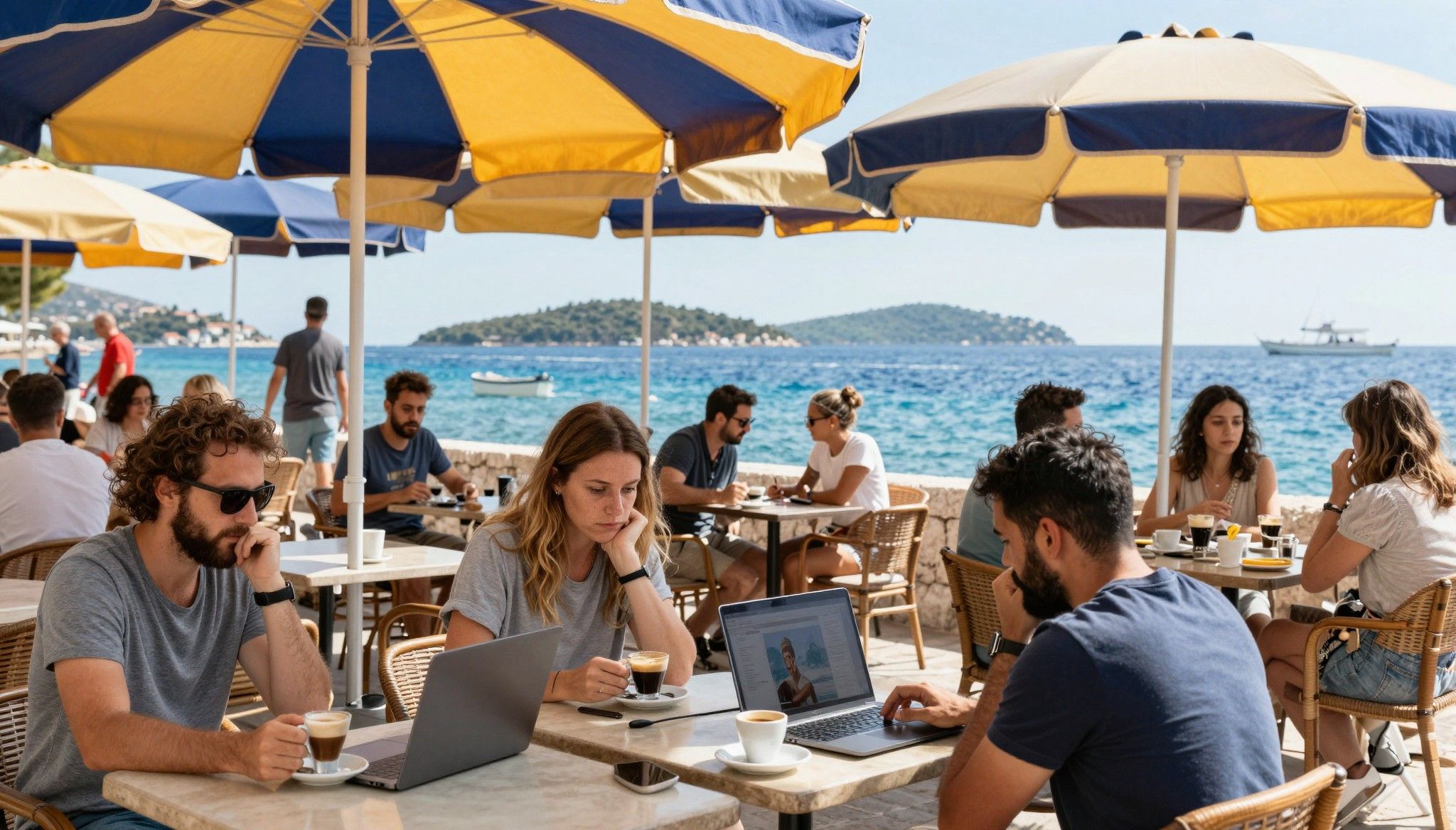
Imagine stepping out of a sun-warmed boulangerie on rue Cler with a laptop tucked under your arm, joining a cluster of remote workers trading short Zoom calls for long café conversations. That everyday rhythm — market mornings, late-afternoon walks along the Seine, weekend escapes to the Riviera or the Alps — is why so many of us dream of buying in France. But the romance comes with real choices: how much cash to bring, whether to borrow from a French bank, and how euro exposure changes your monthly budget. This guide mixes the colours, sounds and tastes of French life with the exact financing steps international buyers actually need.
Living the French life — what you’re really buying
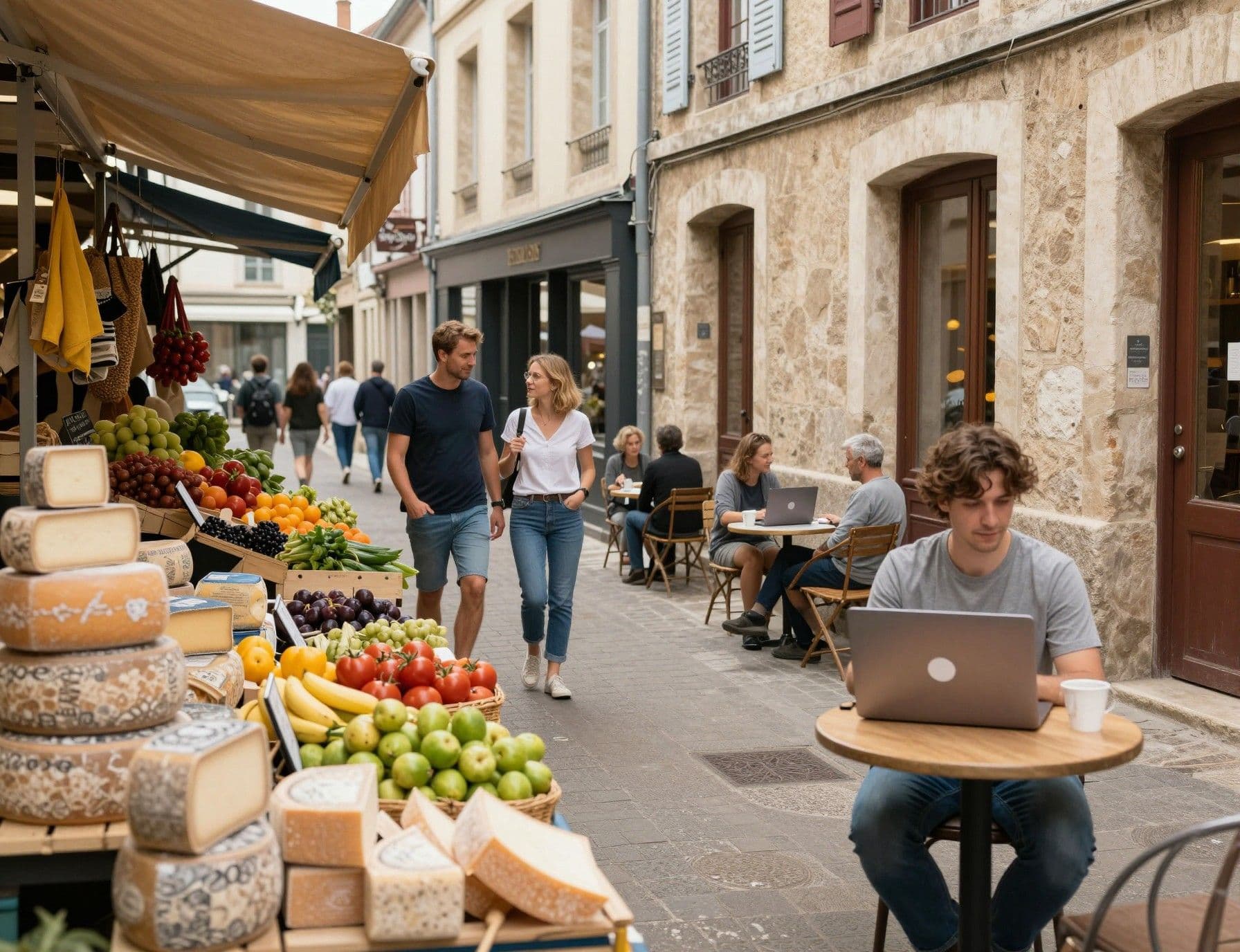
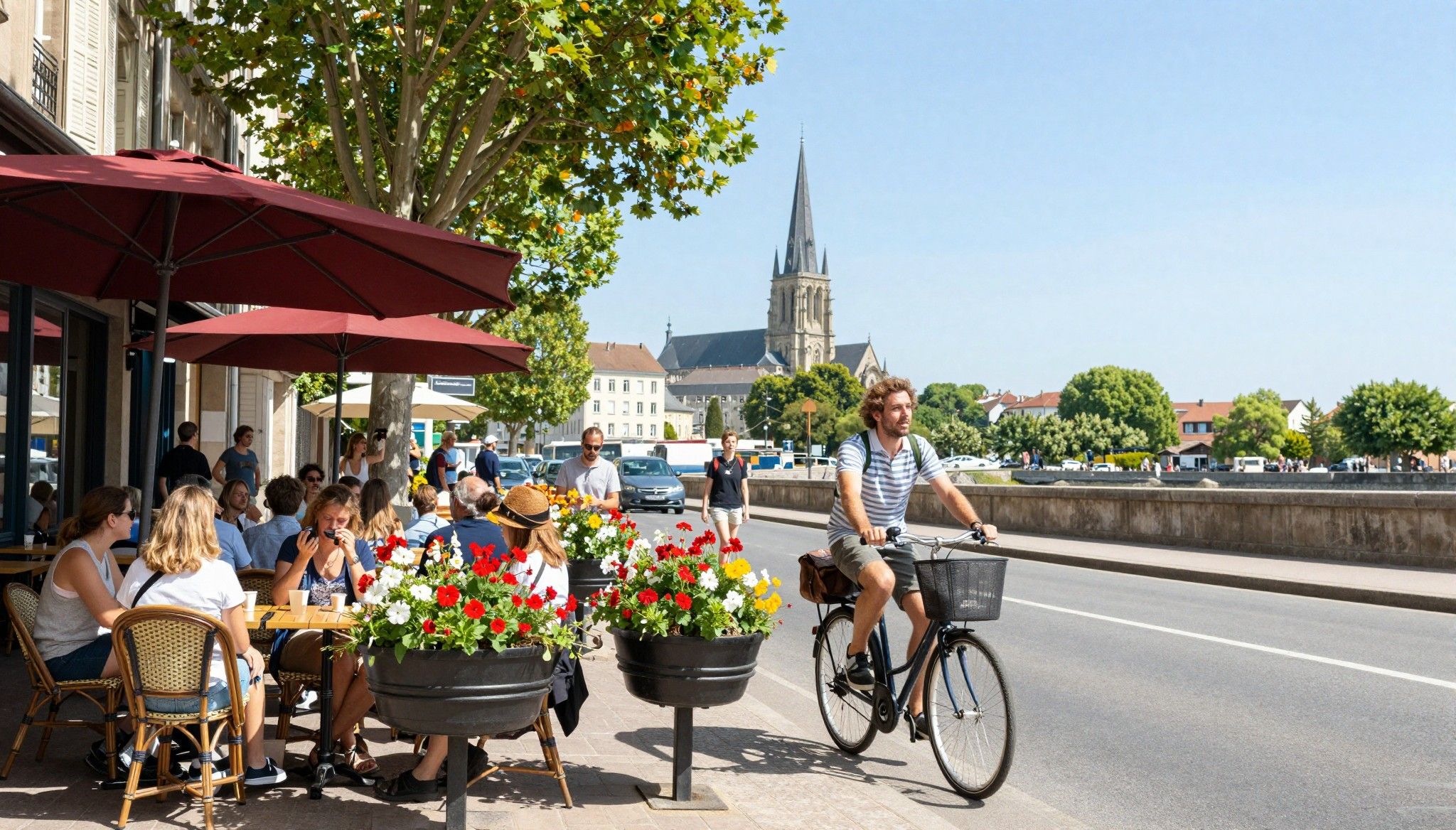
France is less a single scene and more a set of daily rituals: marchés at dawn in Nice, aperitivo-style terraces in Lyon’s Croix-Rousse, quiet boulangeries in Bordeaux, and the weekday bustle of co‑working cafés in Paris’ 10th. When you buy here you’re buying into seasons, not just square metres — winter ski rhythms in Chamonix, truffle season in Périgord, long summer nights on the Côte d’Azur. Understanding those local cadences will change the practical choices you make: proximity to train lines, a small terrace for herbs, or a ground-floor apartment if you want instant marché access.
Neighbourhood snapshots — where nomads and locals overlap
Paris’ Canal Saint‑Martin and the 11th arrondissement are where freelancers meet chefs — great cafés, reliable fibre and charming small flats. In Marseille, Le Panier gives you sun-strewn streets and local markets, while Aix-en-Provence trades quieter village life for Provençal markets and short drives to the coast. For remote workers who crave mountain air, Annecy and Grenoble combine strong outdoor communities with surprisingly decent broadband in town centres. Choose the neighbourhood that fits your weekday work rhythm more than the postcard view.
- Market-day and lifestyle highlights to scout in person
- Sunday morning marché at Place du Lices (Saint‑Malo) and the nearby bakery rhythm
- Late-afternoon coworking in Paris’ 10th — cafés with stable fibre and power plugs
- After-work aperitif terraces in Lyon’s Croix‑Rousse and its easy tram commute
Making the move: money, markets and timing
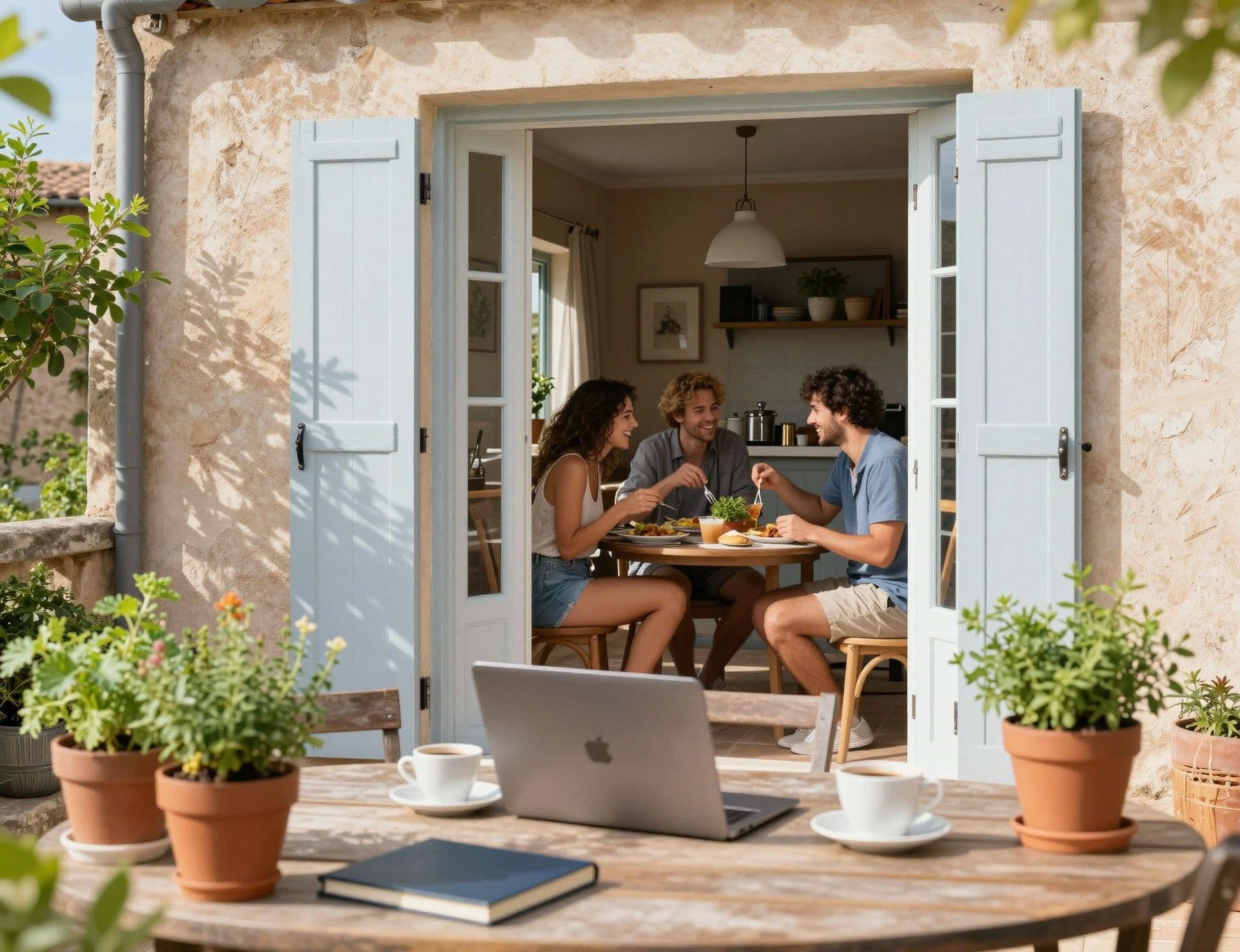
Reality check: French prices are local. National indexes show modest recovery after a pause, but Paris, ski resorts and the Riviera behave differently than inland towns. INSEE and notaires data in 2025 recorded a measured rebound in prices, meaning competition can return quickly in well‑connected places. That matters because financing terms and timing — when to lock a rate, how long a bank will hold a mortgage pre‑approval — depend on whether you’re bidding in a hot or cool micro‑market.
Property finance basics for non‑residents
French banks lend to non‑residents, but expect more scrutiny and a larger personal deposit than locals. Typical loan‑to‑value for foreign buyers sits around 70–80%, with many lenders asking for 20–30% down and closing costs paid in cash. Rates for non‑residents are often a small premium above resident offers and loan terms (duration) can be shorter, so factor monthly payments and age limits into your affordability plan.
Practical doc list: translated payslips (certified translation), 2–3 years of tax returns if self‑employed, bank statements, passport, and proof of other assets. Most banks will want an appraisal value and will not finance notaire fees, so plan for notary and registration costs on top of your deposit. Work with a broker who has lender relationships — they’ll often save you weeks and negotiate the small rate premium non‑residents face.
- Step-by-step finance checklist before you sign an offer
- Get a pre‑approval from a French bank or broker (gives your offer teeth and defines your true budget).
- Budget 20–30% personal deposit plus 7–8% transaction and notaire costs for older properties; new builds have lower notary fees but VAT/charges apply.
- Plan currency transfers: lock part of your euros with a specialist FX provider to avoid rate swings during the purchase window.
Insider knowledge: money moves that feel like lifestyle upgrades
Here’s the trade secret: smart nomads treat financing as part of lifestyle design. Want a sun terrace for afternoon emails? That may mean a slightly smaller mortgage but a happier daily routine. Want rental income when you’re away? Choose a Côte d’Azur pied-à-terre near transport links and check local short‑let rules. Market sources show recovery in some regions in 2025, so weigh lifestyle premiums (views, proximity to markets) against longer-term liquidity if you may sell later.
Currency & banking — protect your cash and work flexibly
Open a euro bank account early — it simplifies the notaire payments, utility contracts and recurring fees. Use a regulated FX provider (forward contracts, limit orders) to fix a part of the purchase price in euros ahead of exchange-rate moves. If you keep income in another currency, consider a dual-account strategy (local euro account + international FX account) to both reduce transfer costs and maintain flexibility for remote work.
- Practical banking tips for nomads buying in France
- Set up a French IBAN before completion so notaire and utility transfers are smooth.
- Use FX forwards to lock favourable rates for part of your purchase funds.
- Keep three months’ mortgage reserves in euros to avoid short-term selling pressure if rates move.
What expats wish they'd known — real talk
Expat buyers tell the same stories: they love the daily rhythms, but underestimated closing timelines and translation needs. Documents often need certified translation and banks can ask for extra historic paperwork. Factor in a slower, more deliberate pace: notaires, syndic (building managers) and local administrations run on different timelines than private-sector apps. Plan buffer weeks into your move and you’ll keep your sanity — and perhaps catch a neighbourhood festival while you wait.
Long-term lifestyle + practical considerations
Think three years ahead: will you want rental income when you travel? Will energy-efficiency (diagnostic de performance énergétique) affect your renovation budget? Regions with rising demand (some provincial cities and resort towns) can be both lifestyle-affirming and better for liquidity, but they may also draw seasonal crowds. Balance the life you want today with the resale flexibility you might need tomorrow.
- 6-month action plan to move from dream to deed
- 1) Spend two weeks living like a local in your top neighbourhood to test morning routines and internet reliability.
- 2) Get a mortgage feasibility from a French broker, then open a euro account and set up FX protections.
- 3) Hire a notaire and local agent who specialise in international buyers; insist on clear timelines and translation support.
Conclusion: France rewards buyers who design their finances around the life they want. When financing and banking are handled early — pre‑approval, euro account, FX plan — the rest of the move becomes about neighbourhood rituals, markets, and the first weekend of discovering a favourite café. If you want help translating a lifestyle into numbers, a local broker and agent will save you time and keep the joy in the move. Start with that pre‑approval, book a week living in your target arrondissement or town, and let the country reveal which corner will feel like home.
Dutch investment strategist guiding buyers to Greece and Spain; practical financing, tax, and portfolio diversification.