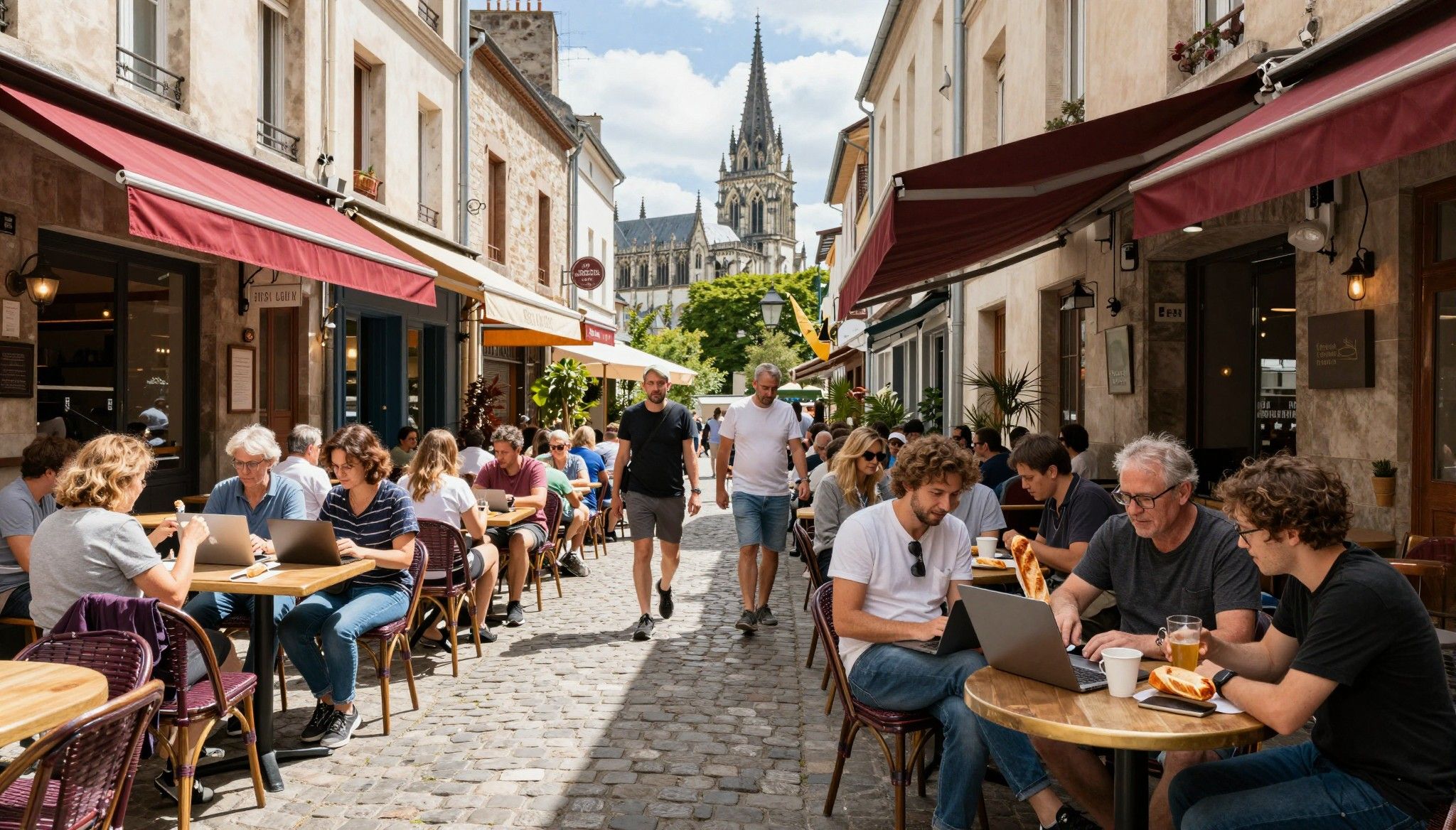
France: Finance Myths, Lifestyle Wins
France’s ‘expensive’ label hides regional opportunity — use mortgage timing, notaire know‑how and smart currency moves to buy the life you want.
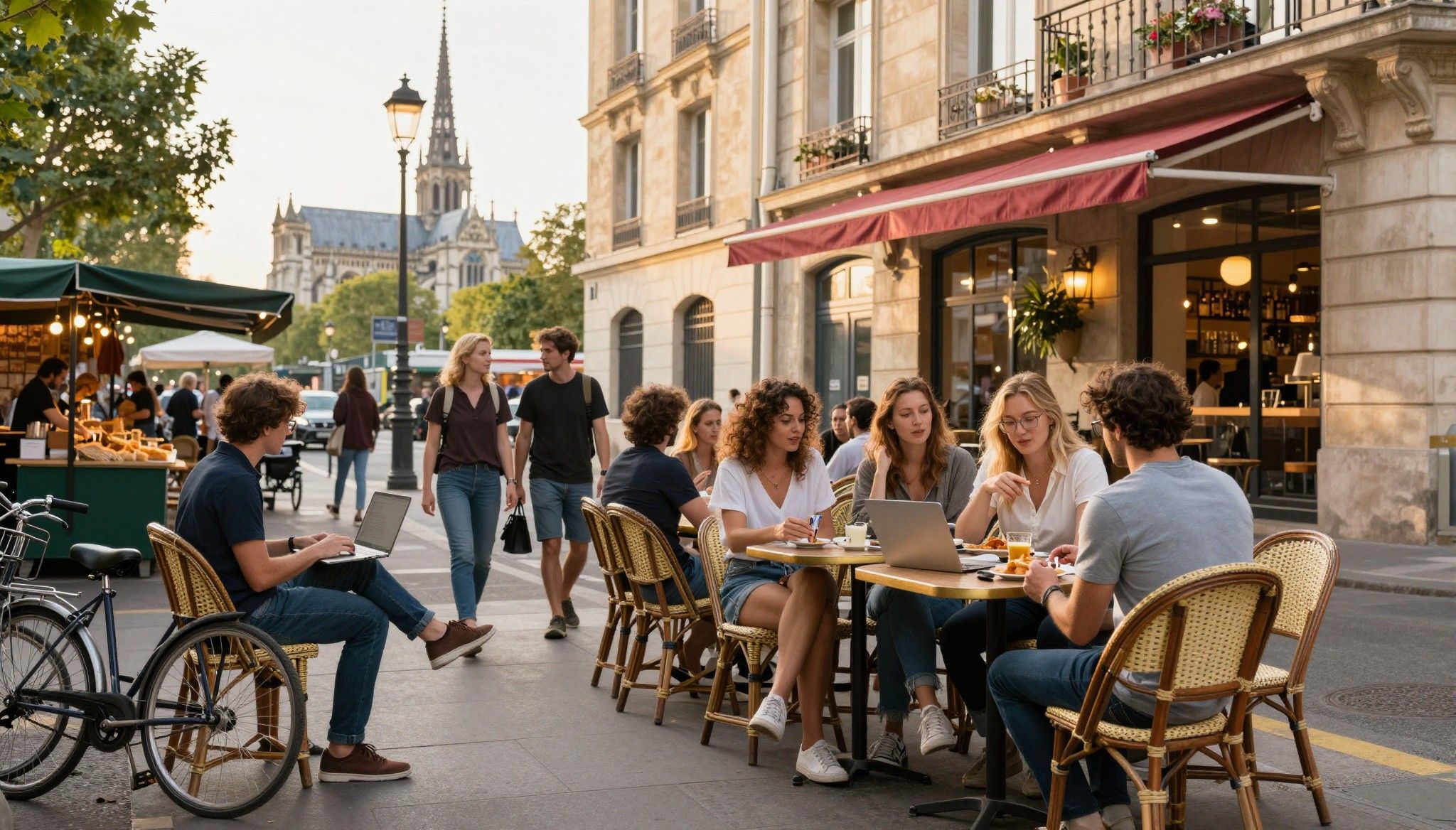
Imagine sipping espresso on rue des Rosiers in Paris, browsing a Saturday market in Lyon, then signing mortgage papers in a sunlit notaire office in Provence — all in one week. France feels timeless: cobbled streets, boulangeries at dawn, aperitifs that stretch into starlit dinners. For many international buyers this romance comes with a whisper: "France is too expensive." Let's flip that whisper into practical steps. I’ll show where the price myths come from, which neighborhoods really cost more, and how savvy banking, currency moves and mortgage choices make France achievable — and delightful.
Living the French life — what you actually get
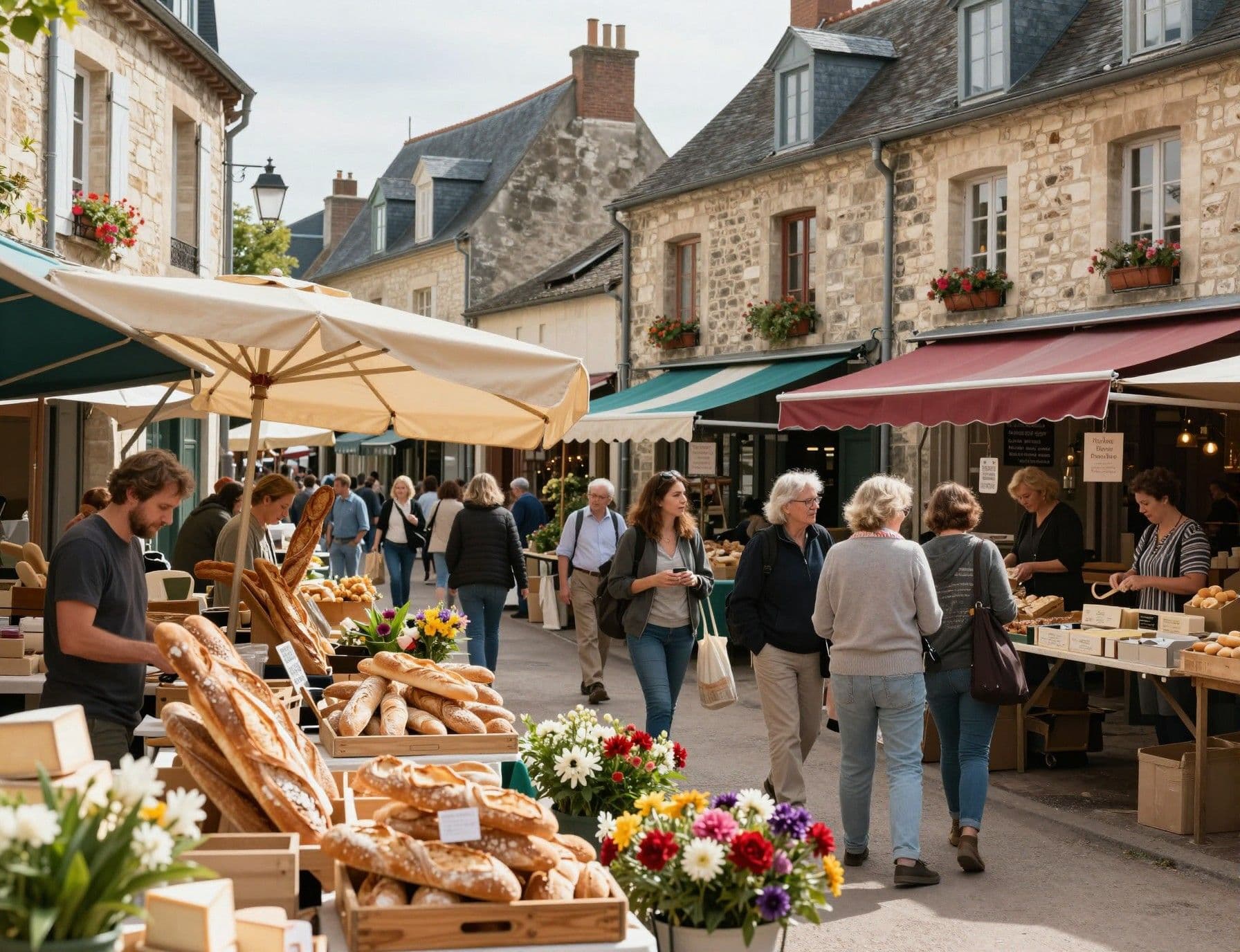
Living in France is a sensory script. Morning cafés in Le Marais, weekend markets on Cours Saleya in Nice, and late-afternoon swims on Île de Ré define days. Neighborhood rhythm matters: Parisian arrondissements hum differently from coastal towns like Biarritz or the lavender silence of rural Drôme. For nomads, what matters most is not the sticker price but lifestyle fit: walkability, coworking options, fast internet and weekend escapes.
Spotlight: Streets and squares that shape daily life
In Paris, seek out Canal Saint-Martin and the 11th for cafés and coworking without the ultra‑Paris premium. On the Riviera, Villefranche-sur-Mer offers sea views with fewer tourists than Nice. In Bordeaux, rue Sainte-Catherine pulses with shops and easy tram commutes. These micro‑choices — a quieter street, proximity to a market or a reliable train station — change value more than a generic city label.
Food, weekend rituals and the tempo of life
Weekends are local rituals: market runs (marché) on Saturday, lingering lunches with wine, and village fêtes in summer. This translates into real property needs — a functional kitchen, weekender storage, and easy access to trains or regional airports. For remote workers, a reliable café with power outlets and a neighbourhood with a lively evening scene matter just as much as square metres.
- Lifestyle highlights to look for when house‑hunting
- A local marché within walking distance (examples: Marché des Enfants Rouges, Paris; Marché d'Antibes)
- Access to fast broadband/coworking (check Free/Orange/Box coverage maps and spaces like La Cordée or Wojo)
Making the move: the finance truth behind the myth

Here’s the contrarian bit: "France is expensive" is often true only if you compare hyper‑central Paris addresses or Côte d’Azur frontlines. Nationwide, prices have stabilised and even rebounded modestly after 2024 — which creates buying windows, not uniform unaffordability. Smart financing and currency strategy can slice thousands off costs and change what neighbourhoods are realistic.
What you’ll actually pay at closing
Expect frais de notaire of roughly 7–8% for older properties and 2–3% for new builds — these include registration taxes and disbursements, notary remuneration, and administrative fees. Factor this into your offer from day one so your lifestyle budget matches reality. A local notaire will run precise figures and highlight exemptions (e.g., reduced rates for certain new builds).
Mortgages, rates and what international buyers can expect
French banks are cautious but competitive: average new‑loan rates showed notable decline into late 2025 and early 2026, creating attractive borrowing windows for those with steady income or strong down payments. Non‑resident buyers can get mortgages from French banks, though terms depend on income documentation, residency status and repayment capacity. Always check recent Banque de France figures and usury ceilings before locking a rate.
- Step-by-step financing checklist for international buyers
- Get pre‑approval from a French bank or international lender that partners with French banks; collect payslips, tax statements and proof of address.
- Compare fixed vs variable mortgages and tie any variable offers to caps (Service‑public lists current ceiling rules).
- Plan for frais de notaire and budget 3–8% extra depending on property age; ask your notaire for a precise ledger before signing the compromis de vente.
- Use currency transfer services (not a standard bank FX desk) for deposit and mortgage top‑ups to reduce spread costs; consider forward contracts if you’ll pay in instalments.
Insider knowledge: what expats wish someone told them
Real talk from folks who’ve lived here: language matters for banking and bureaucracy, but not having fluent French isn’t a blocker. Many banks offer English service in bigger cities and your notaire or agent can translate contracts. Also, local quirks — weekday shop hours in smaller towns, municipal parking rules, and seasonal tourism spikes — affect both living quality and rental potential.
Cultural and practical tips for fitting in
Learn a few phrases and show up to market mornings — those small social investments unlock neighbours' tips, local tradespeople, and informal rental demand. If you plan to rent part-time, check tenancy rules (bail) and tourist‑tax obligations in the commune. A local property manager can save headaches and preserve the life you came for.
Long-term view: why France remains a steady choice
Official statistics show France’s market treads carefully: after mid‑decade corrections, prices stabilized and have shown modest gains in many regions. That stability — combined with strong tourism, rental demand in cities and solid local infrastructure — makes properties in many French towns less speculative and more lifestyle investments.
- Red flags and quick checks before you sign
- Unclear servitude or right-of-way on cadastral plans (ask the notaire to clarify)
- Unexplained recent renovations without permits — ask for certificates and diagnostics
- Mismatch between energy performance (DPE) and heating costs — request recent bills
- How to close with confidence: a four-step timeline
- 1. Sign the compromis de vente with clear suspensive conditions (financing, diagnostics) and deposit (usually 5–10%).
- 2. Arrange mortgage terms within the deadline in the compromis (commonly 30–60 days) and lock FX transfer for any foreign currency payments.
- 3. Finalise the acte authentique at the notaire; confirm the frais de notaire and transfer of utilities and local taxes.
- 4. Move in, register with your bank, and meet neighbours — the lifestyle has begun, but so has the local admin. Keep digital copies of all official documents.
Conclusion: buy the life, not the label
France’s romance and its paperwork co-exist. If you come for the music in a Lyon square or the morning light on a Bordeaux terrace, you’ll find neighborhoods that match those exact scenes — and financing options that make them reachable. Use a local notaire and lender, budget for closing costs, time your FX moves, and choose streets that fit your weekly rhythm. Then, after the papers are signed, walk to that marché and let the life you imagined begin.
Swedish, relocated to Marbella in 2018 to chase sun and property freedom. Focus on legal navigation and tax for Nordic buyers.