Buy into Italy’s Rhythm: Lifestyle-First Real Estate Moves
Fall in love with Italy’s rhythms — then buy with facts: market trends, visa routes, and neighborhood trade‑offs that shape real nomad life.
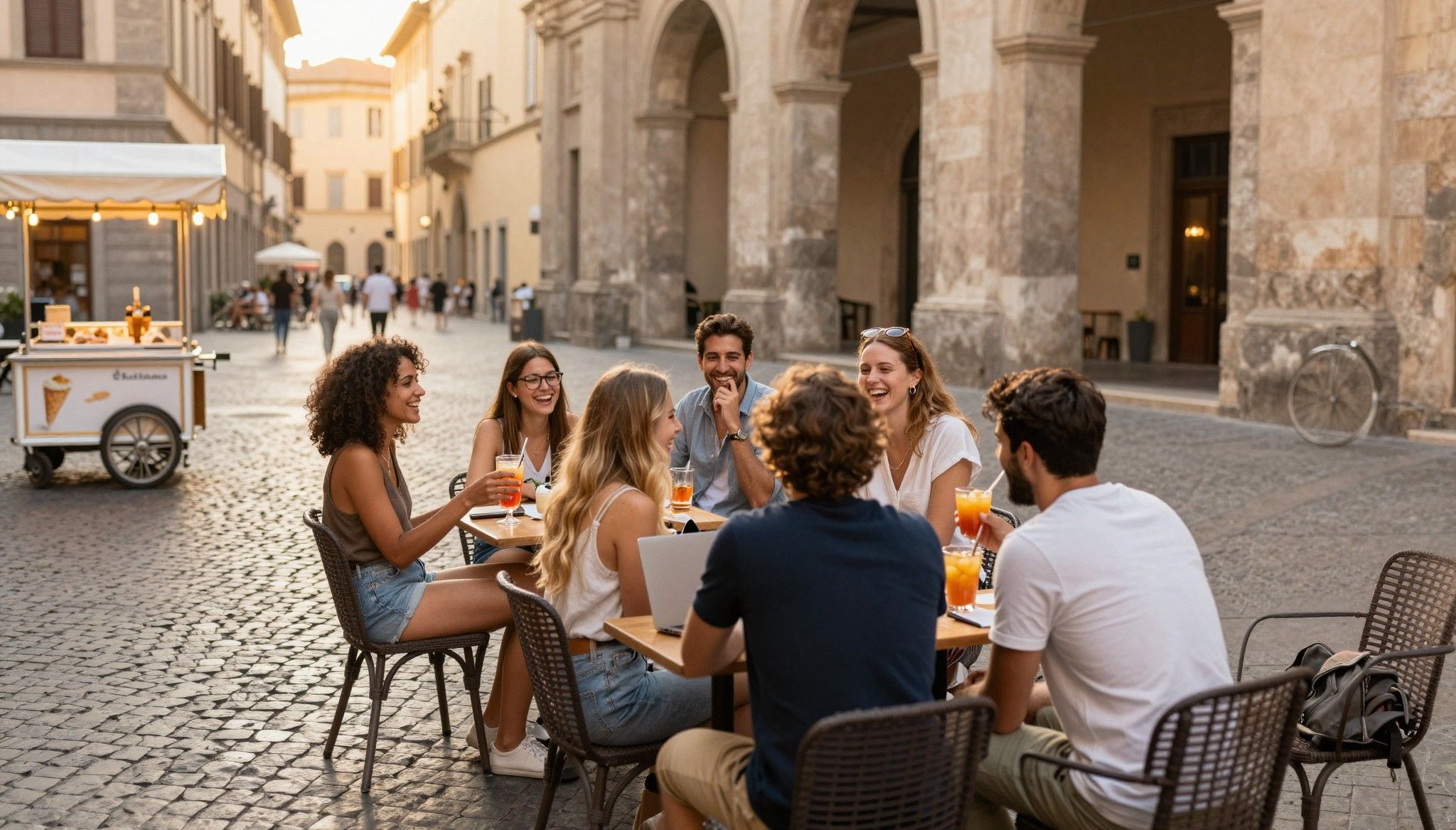
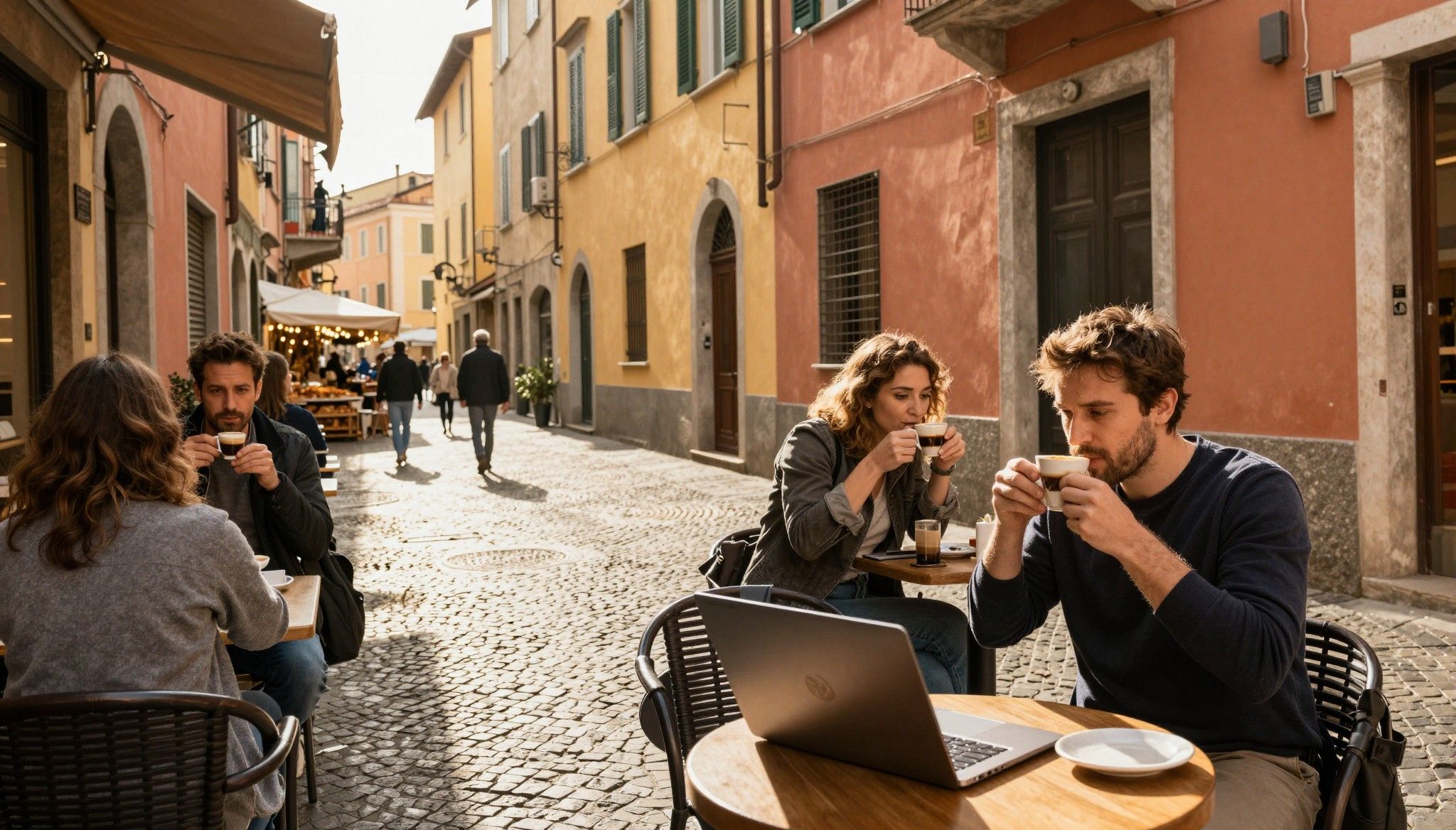
Picture this: an early-morning espresso on Via del Governo Vecchio in Rome, laptop open, pigeons arguing with church bells while a friendly barista refills your cup. Italy is sensory—sun-warmed stone, market voices, evening aperitivo, and tiny terraces that feel like private stages. That daily rhythm is why many nomads swap skyline views for a piazza view. But the romance meets paperwork, and that’s where smart choices matter.
Living the Italy lifestyle
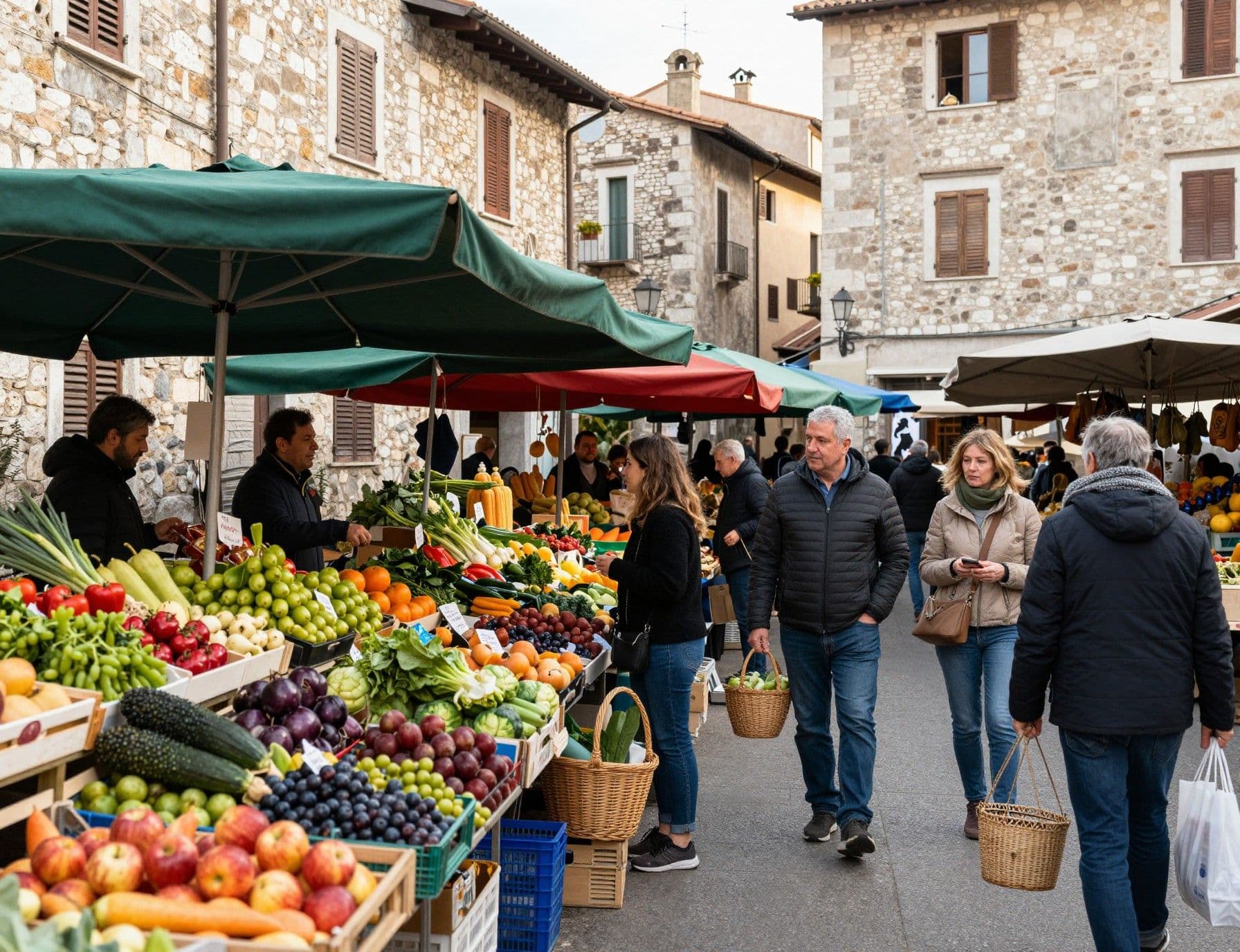
Italy’s life tempo varies wildly by place — winter fog in the Po Valley, salty air in Liguria, slow afternoons in Puglia. Cities like Milan pulse with co-working and late dinners; Siena’s cobbled calm invites morning markets and vineyard weekends. The atmosphere you crave should steer where you buy: do you want canals and culture or sea and siestas? Data shows residential prices rose again in 2024, so lifestyle choices now carry market consequences too.
City neighborhoods that feel like home
Milan’s Navigli and Isola pockets mix coworking energy with aperitivo culture; Florence’s Oltrarno tempts creatives with artisan workshops and compact walkability; Bologna’s Santo Stefano offers university vibrancy and food-focused streets. Each neighborhood shapes daily life: espresso stops, evening passeggiata routes, and whether you’ll truly use that balcony at sunrise.
Food, markets and the seasonality of life
Picture Saturdays at Mercato Centrale in Florence, Sunday fish stalls in Naples, winter truffle hunts in Alba. Italians live around food rituals; move here and your weekends will likely rotate between market runs, long lunches, and regional festivals. Seasonality also affects availability and pricing — coastal towns swell in summer while inland hill towns quiet down and sometimes become bargain opportunities.
- Market-to-table lifestyle highlights: weekly markets (Mercato di Sant’Ambrogio, Florence); aperitivo canalside (Navigli, Milan); seaside promenades (Viareggio, Amalfi Coast towns); vineyard weekends (Langhe, Montalcino); artisanal streets (Oltrarno, Florence).
Making the move: practical considerations
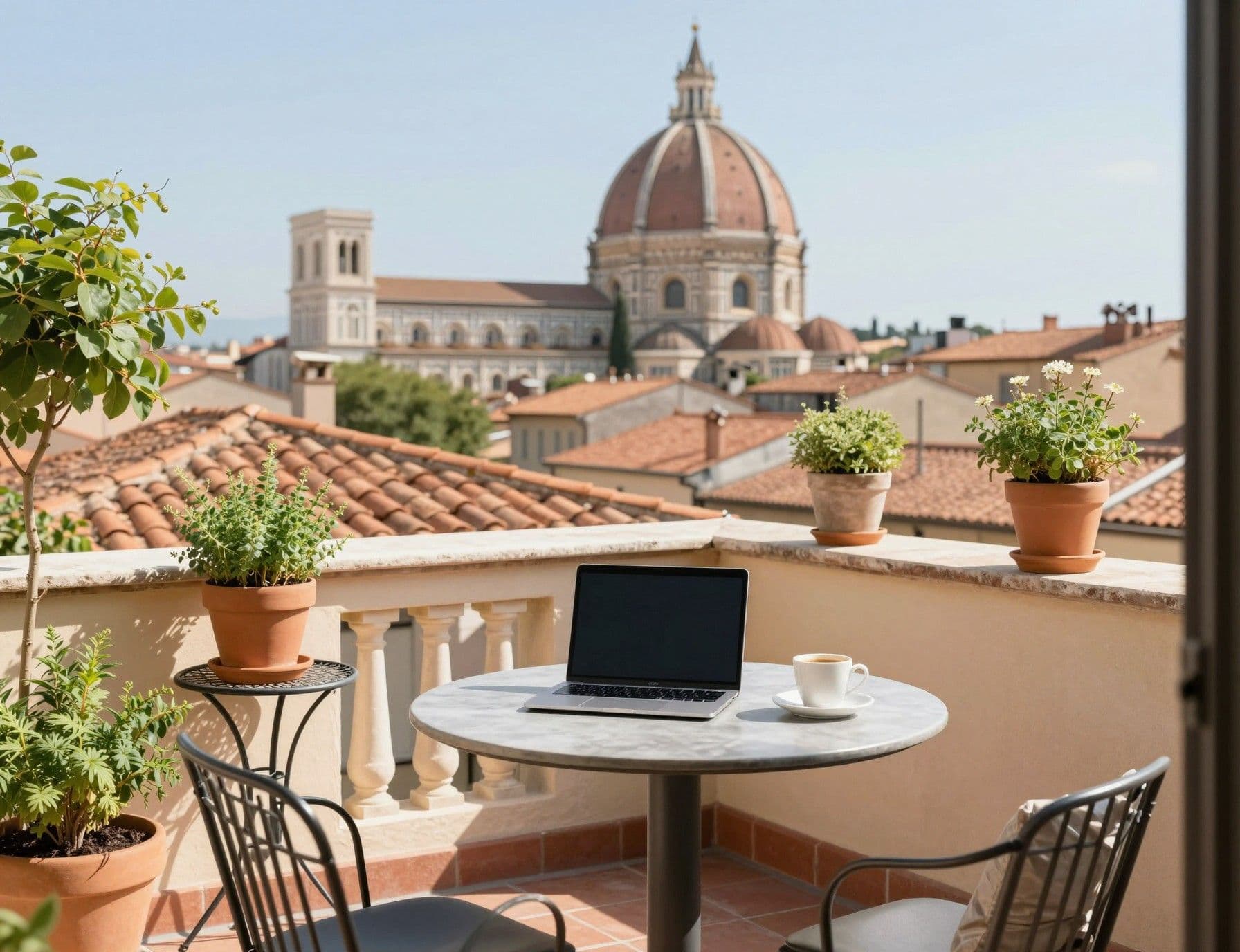
Your dream terrace is real — but the market backdrop matters. National data from Istat and commentary from the Bank of Italy show residential prices rose in 2024, driven by new-build demand and city-center interest. That means timing, neighborhood selection, and a realistic renovation budget are crucial. Plan around the life you want: reliable internet, a quiet daytime workspace, and easy travel links to keep life nimble.
Property styles and how they fit your days
From compact centro storico flats to sunlit rural farmhouses, each property type dictates lifestyle trade-offs. Historic apartments offer character and walkability but often need upgraded wiring and insulation. New builds give plug-and-play internet and parking. If remote work matters, prioritize fiber availability, a second bedroom for an office, and a quiet facade away from nightlife.
Working with local experts who get lifestyle
- 1) Ask agencies about neighborhood rhythms (market days, noise after 10pm, holiday closures). 2) Request documented broadband/fiber speeds for the exact address before signing. 3) Hire a local architect or builder to estimate renovation timelines (many historic centers need them). 4) Confirm accessibility — elevator, stairs, and delivery access — if you plan frequent travel. 5) Check seasonal rental demand if you want income while away.
Insider knowledge: what expats wish they'd known
A few reality checks from people who did it: paperwork takes time, language opens doors, and the Elective Residency route exists but requires proof of stable passive income and a clear plan. Many expats start on a tourist visa, house-hunt in person, then convert to a permesso di soggiorno. Having a local fiscal code, a trusted notary, and an agency that understands residency implications saves weeks and unexpected costs.
Cultural integration and daily community life
People here bond over rituals: market trips, soccer on TV, and neighborhood bars where faces repeat. Learning basic Italian transforms interactions — from negotiating a lease to making friends at the panificio. Volunteer at local festivals, join a language exchange, or take a pasta class; those are the real keys to becoming part of the fabric, not just a visitor.
Long-term lifestyle and what grows with you
- How life evolves here: stronger local friendships, seasonal routines (vineyard weekends, summer coast escapes), and a clearer rhythm between work and pleasure. Consider proximity to hospitals and schools if this is a multi-year move, and expect small bureaucratic hurdles that, once solved, free enormous daily joy.
Ready? Start with a short scouting trip aligned to the season you plan to live in. Meet agencies focused on lifestyle fit, test internet speeds at your chosen address, and line up a notary for due diligence. Italy rewards patience: move thoughtfully, and you’ll trade a fast commute for long market mornings and a piazza that becomes your living room.
Dutch investment strategist guiding buyers to Greece and Spain; practical financing, tax, and portfolio diversification.